
 FR
FR  EN
EN  DE
DE  TH
TH 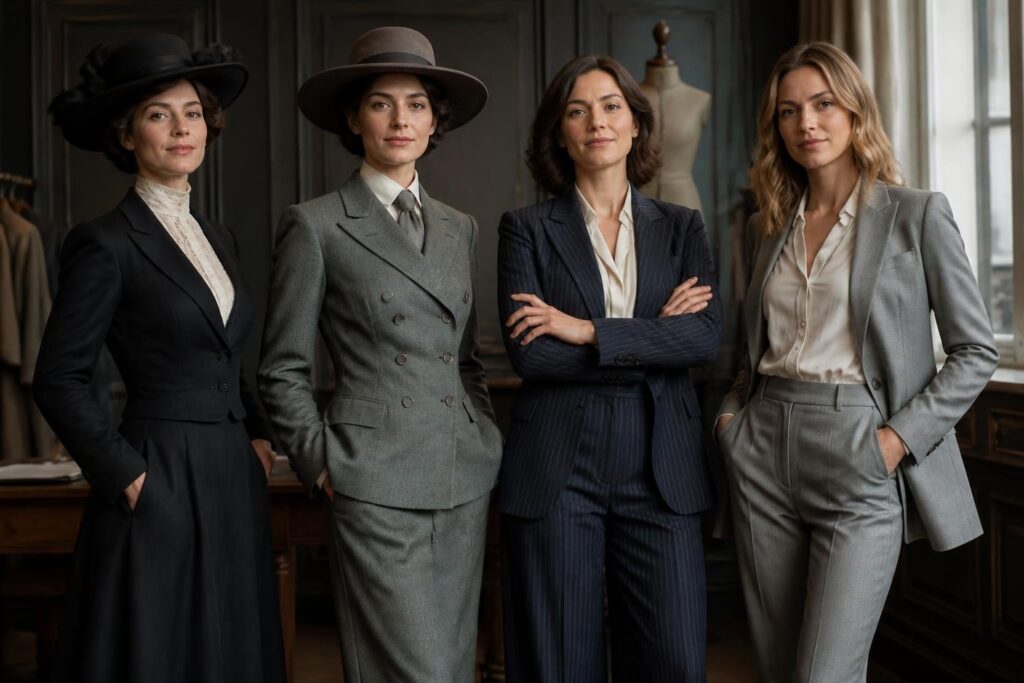
The ladies tailored suit represents far more than a mere clothing choice. It embodies professionalism, confidence, and timeless style while offering versatility that few other wardrobe pieces can match. For women seeking to invest in their professional appearance, understanding the nuances of tailored suiting makes all the difference between looking adequate and looking exceptional. Whether you're building a capsule wardrobe or seeking that perfect outfit for important business meetings, a well-crafted suit becomes an invaluable asset.
Understanding the Ladies Tailored Suit
A ladies tailored suit differs fundamentally from off-the-rack alternatives through its precision construction and personalized fit. The term "tailored" signifies that measurements have been taken specifically for one individual's body, accounting for unique proportions, posture, and preferences.
Key Components of Superior Tailoring
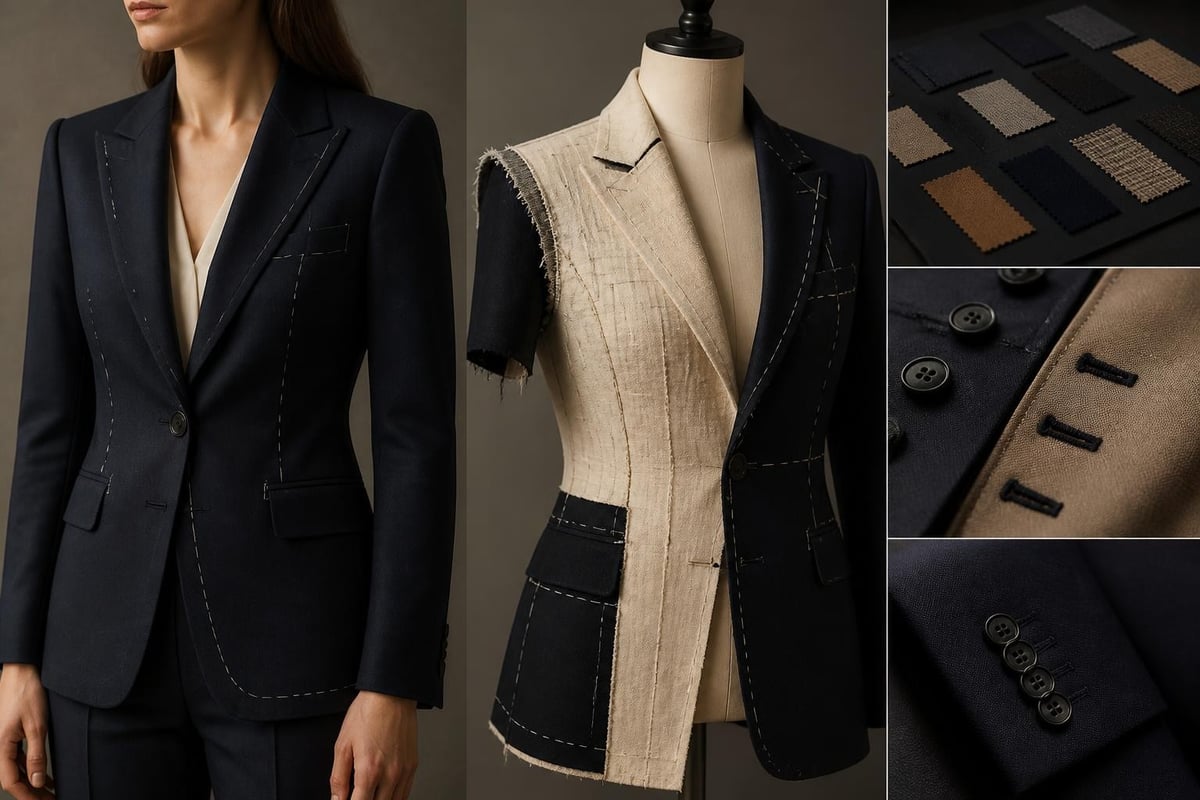
When examining what makes a suit truly tailored, several elements distinguish exceptional work from standard production:
- Precision measurements taken at multiple points across the body
- Custom pattern creation based on individual body shape
- Multiple fitting sessions to ensure perfect adjustment
- Hand-finished details including buttonholes and linings
- Quality fabric selection suited to climate and purpose
- Personal style incorporation through lapel width, button placement, and silhouette
The history of women’s tailored suits reveals how this garment evolved from a controversial statement in the early 1900s to a cornerstone of professional wardrobes worldwide. Understanding this evolution helps appreciate the craftsmanship involved.
Fit Principles That Matter
Achieving the ideal fit requires attention to specific areas where women's bodies differ from standard sizing charts. Shoulder width, bust accommodation, waist definition, and hip proportion all require individual consideration.
A properly fitted jacket should sit smoothly across the shoulders without pulling or gapping. The collar should hug the neck without standing away from the shirt beneath. Sleeve length must extend to the wrist bone, allowing approximately half an inch of shirt cuff to show.
For trousers, the waistband should sit comfortably at the natural waist or preferred rise without requiring a belt to stay in place. The seat should provide adequate room without excess fabric bunching. Hem length depends on shoe height, but generally should create a slight break at the shoe front.
Fabric Selection for Your Tailored Suit
Choosing appropriate fabric represents one of the most critical decisions in creating a ladies tailored suit. The material affects not only appearance but also comfort, durability, and seasonality.
Natural Fiber Options
| Type de tissu | Weight Range | Best Season | Principaux avantages | Considerations |
|---|---|---|---|---|
| Wool Worsted | 200-300g | Toute l'année | Breathable, resilient, professional | Requires dry cleaning |
| Lin | 180-250g | L'été | Extremely breathable, elegant drape | Wrinkles easily |
| Coton | 220-280g | Printemps/Été | Comfortable, washable | Less formal appearance |
| Cashmere Blend | 280-350g | Automne/Hiver | Luxurious feel, excellent warmth | Higher cost |
Laine remains the gold standard for tailored suiting. Its natural properties include temperature regulation, wrinkle resistance, and shape retention. A quality wool suit can last decades with proper care.
Lin suits offer unparalleled breathability for tropical climates. While the characteristic wrinkles concern some wearers, others embrace them as part of linen's casual elegance. For businesses in warm locations like Krabi, linen provides exceptional comfort.
Blended fabrics combine benefits from multiple fibers. A wool-polyester blend might offer easier care, while wool-silk creates beautiful sheen and drape. The key is ensuring the blend serves practical purposes rather than simply reducing cost.
Weight and Weave Considerations
Fabric weight, measured in grams per meter, determines suit appropriateness for different climates and seasons. Lightweight fabrics (180-220g) work beautifully in warm weather, while heavier weights (300-350g) provide structure and warmth for cooler months.
Weave patterns affect both appearance and functionality. Plain weaves create smooth, formal surfaces ideal for business settings. Twill weaves add subtle texture and enhanced durability. Herringbone and houndstooth patterns introduce visual interest while maintaining professionalism.
Style Elements and Customization
The beauty of a bespoke ladies tailored suit lies in its customization possibilities. Every detail can reflect personal style while maintaining appropriate professionalism.
Jacket Styles and Details
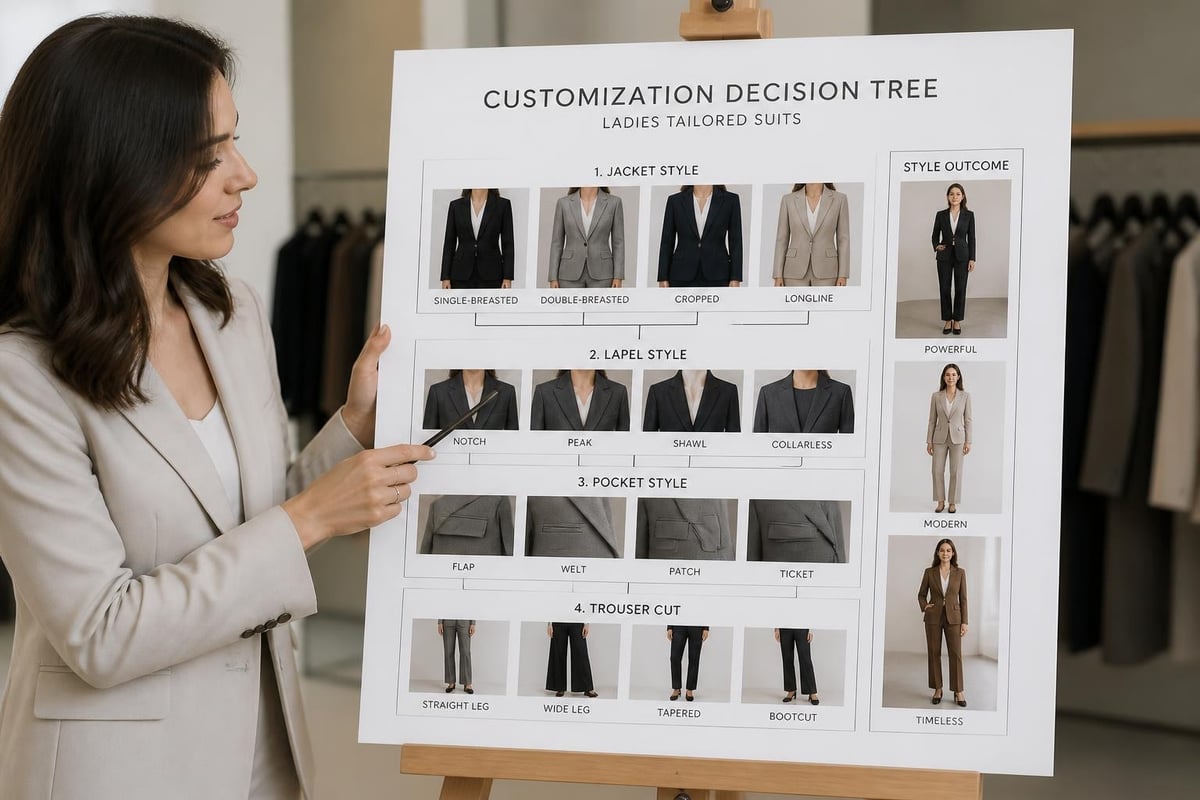
Modern tailoring offers numerous jacket silhouettes:
- Single-breasted, one-button: Contemporary and streamlined, elongates the torso
- Single-breasted, two-button: Classic and versatile, suits most body types
- Single-breasted, three-button: Traditional and conservative, projects authority
- Double boutonnage: Powerful and sophisticated, creates strong shoulder line
Lapel choices significantly impact overall appearance. Notch lapels provide timeless versatility suitable for most occasions. Peak lapels create a more formal, powerful impression. Shawl lapels, while less common, offer unique elegance for special events.
Pocket styles range from traditional flap pockets to sleek welt pockets or fashionable patch pockets. The choice depends on formality level and personal preference.
Trouser and Skirt Options
While many envision trousers when considering a ladies tailored suit, skirt options provide equally professional alternatives:
- Straight-leg trousers: Classic proportion, universally flattering
- Wide-leg trousers: Modern interpretation, creates elegant movement
- Cropped trousers: Contemporary styling, ideal for showcasing footwear
- Pencil skirts: Sleek and feminine, emphasizes waist definition
- A-line skirts: Flattering on various body types, allows comfortable movement
The evolution of the tailored suit shows how these options have expanded significantly throughout the 20th century, giving women unprecedented choice in professional presentation.
Color and Pattern Strategies
Strategic color selection ensures maximum versatility from your tailored suit investment.
Foundation Colors
Navy blue ranks as the most versatile suit color, appropriate for virtually any professional setting. It pairs effortlessly with numerous shirt and accessory colors while conveying competence and trustworthiness.
Charcoal gray offers similar versatility with a slightly softer presence. It works beautifully in both warm and cool color palettes.
Black creates powerful statements but may appear overly formal for some business environments. Reserve black suits for evening events, formal occasions, or industries where such formality is expected.
Lighter grays provide excellent options for spring and summer, appearing fresh and modern while maintaining professionalism.
Beyond Neutrals
Once foundation pieces are established, consider expanding with:
- Camel or tan: Sophisticated warmth, excellent for creative industries
- Burgundy or wine: Rich elegance, distinctive without being loud
- Forest green: Unique professionalism, conveys confidence
- Subtle pinstripes: Classic pattern adding visual interest to neutral bases
The key is ensuring colors align with both personal coloring and professional context. What works in creative fields might not suit conservative industries.
The Bespoke Tailoring Process
Understanding the tailoring journey helps set realistic expectations and ensures satisfaction with the final product.
Consultation initiale
The process begins with detailed discussion of requirements, preferences, and intended use. This conversation covers:
- Professional context and dress code requirements
- Personal style preferences and inspiration
- Lifestyle factors affecting fabric and style choices
- Budget parameters and timeline expectations
- Existing wardrobe to ensure coordination
A skilled tailor asks questions that reveal unstated needs, drawing out preferences you might not have articulated.
Measurement and Fitting Schedule
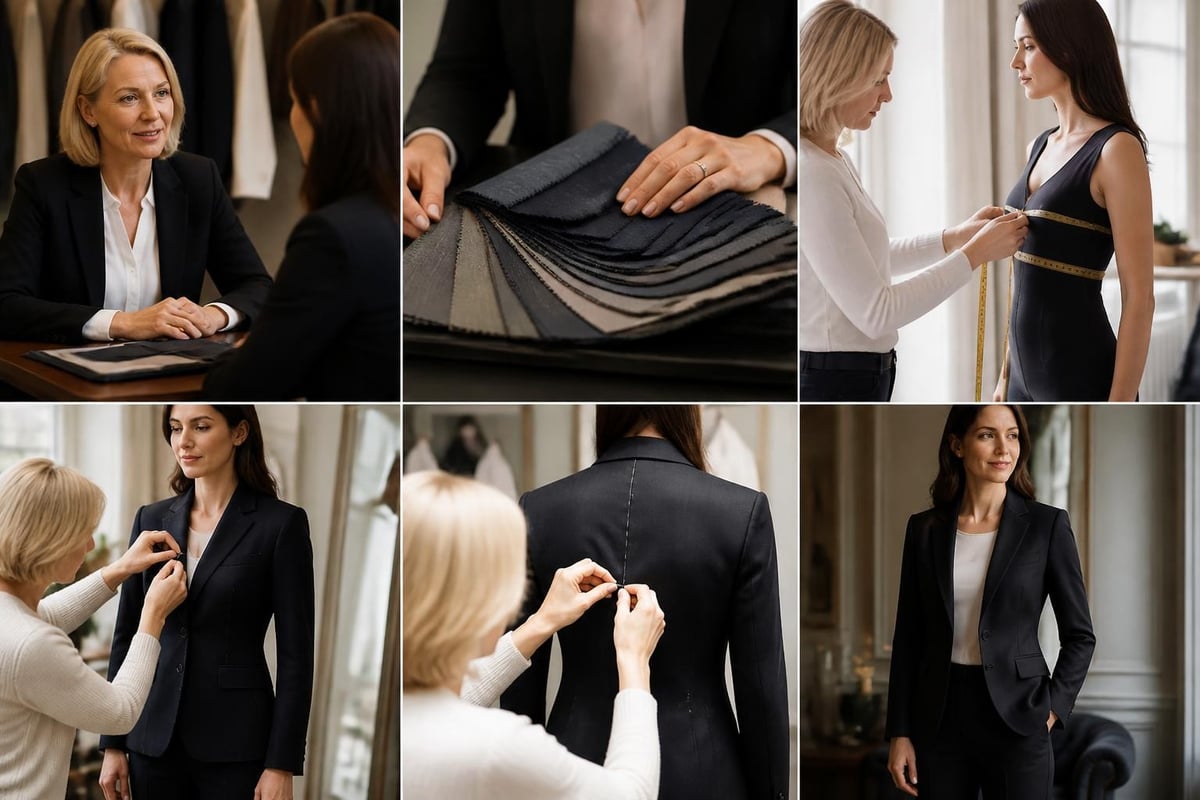
Creating a ladies tailored suit typically requires multiple fittings:
| Fitting Stage | Purpose | What to Expect |
|---|---|---|
| Initial Measurements | Capture precise body dimensions | 20-30 measurements taken |
| First Fitting (Basting) | Check basic fit in rough form | Pinning and marking adjustments |
| Second Fitting | Refine fit with initial adjustments | Testing movement and comfort |
| Final Fitting | Verify perfection before completion | Minor tweaks only |
Between fittings, the tailor makes adjustments to the pattern and construction. This iterative process ensures the finished garment fits as though it were designed specifically for your body, because it was.
Timeline Expectations
A properly constructed bespoke suit requires time. Rush work often results in compromised quality. Typical timelines range from four to eight weeks, depending on fabric availability and fitting schedule coordination.
For travelers visiting Ao Nang who want custom tailoring, planning ahead ensures adequate time for fittings while enjoying the beautiful Krabi region.
Styling Your Tailored Suit
A well-fitted ladies tailored suit serves as a versatile canvas for various looks.
Professional Variations
Classic Business: Pair your suit with a crisp white shirt, minimal jewelry, and closed-toe pumps. This timeless combination never fails in conservative professional environments.
Modern Professional: Experiment with interesting blouse textures, statement jewelry, or fashionable footwear. A silk shell in a complementary color adds sophistication without sacrificing professionalism.
Business Casual: Separate suit pieces create multiple outfits. The jacket pairs beautifully with well-fitted jeans or tailored trousers in different colors. The trousers or skirt combine with blouses, sweaters, or sophisticated knits.
Seasonal Adaptations
Spring and summer styling might incorporate:
- Lightweight silk or cotton blouses
- Open-toe footwear in professional styles
- Lighter accessories and minimal layering
Fall and winter approaches could include:
- Turtlenecks or fine-gauge sweaters beneath jackets
- Luxurious scarves adding color and warmth
- Closed-toe boots or booties
The significance of women in suits extends beyond mere clothing to encompass identity, power, and personal brand. How you style your suit communicates volumes about your professional presence.
Care and Maintenance
Protecting your investment ensures your ladies tailored suit remains impeccable for years.
Daily Care Practices
- Brush after wearing: Use a soft garment brush to remove surface dust and restore fabric nap
- Proper hanging: Invest in quality wooden hangers that support jacket shoulders correctly
- Air between wears: Allow at least 24 hours between wearings for fabrics to release moisture and wrinkles
- Spot clean promptly: Address stains immediately using appropriate methods for your fabric type
Professional Cleaning
Despite claims about washable suits, professional dry cleaning remains the safest approach for maintaining the structure and appearance of tailored garments. However, avoid over-cleaning, which can deteriorate fabrics. Most suits require cleaning only two to four times yearly with normal wear.
Store suits properly during off-seasons. Use breathable garment bags rather than plastic, which can trap moisture. Ensure adequate space prevents crushing. Cedar blocks deter moths while providing pleasant scent.
Alterations and Adjustments
Bodies change over time. A quality tailored suit can be altered to accommodate minor weight fluctuations. The seam allowances built into bespoke construction provide adjustment room that ready-to-wear garments typically lack.
Maintain relationships with skilled tailors who understand your garments' construction. They can refresh linings, adjust waistbands, or update styling details to keep suits current for years.
Valeur des investissements et longévité
While a ladies tailored suit requires greater initial investment than off-the-rack alternatives, the cost-per-wear calculation tells a different story.
Cost Comparison Analysis
| Facteur | Ready-to-Wear | Bespoke Tailored |
|---|---|---|
| Initial Cost | $200-$800 | $800-$3,000+ |
| Expected Lifespan | 2-3 years | 10-20+ years |
| Qualité de l'ajustement | Approximate | Parfait |
| Fabric Quality | Variable | Premium |
| Repair Potential | Limitée | Très large |
| Style Customization | None | Complete |
When a tailored suit lasts ten times longer than ready-to-wear while providing superior fit and quality throughout, the true value becomes apparent.
Building a Suit Wardrobe
Rather than purchasing multiple mediocre suits, consider investing in fewer exceptional pieces. Start with one perfectly tailored suit in a versatile color. Wear it regularly, understanding its quality and fit. When ready, add a second suit in a complementary color.
This measured approach builds a professional wardrobe that serves you well rather than a closet full of ill-fitting compromises you avoid wearing.
The growing market for women’s custom tailoring reflects increasing recognition that bespoke garments deliver value that mass production cannot match.
Choosing Your Tailor
Selecting the right tailoring partner significantly impacts your satisfaction with the final product.
Evaluation Criteria
Experience matters tremendously in bespoke tailoring. Look for tailors with decades of experience creating women's suits specifically. Men's tailoring requires different skills than ladies tailored suit construction.
Portfolio review reveals style range and quality consistency. Ask to see examples of completed work, ideally on clients with similar body types to yours.
Fabric sourcing indicates quality commitment. Premium tailors maintain relationships with renowned fabric mills, offering genuine quality rather than imitations.
Communication style affects the entire experience. Choose tailors who listen carefully, ask thoughtful questions, and explain processes clearly.
Fitting philosophy should emphasize multiple sessions and perfectionism. Be wary of promises of completed suits with minimal fittings.
Questions to Ask
Before committing, inquire about:
- How many years have you specialized in women's tailoring?
- What fitting schedule do you recommend?
- Which fabric mills do you source from?
- What happens if I'm not satisfied with the fit?
- Can you show examples of suits you've created for similar body types?
- What alterations are possible after completion?
Thoughtful answers demonstrate expertise and commitment to client satisfaction.
The Power of Perfect Fit
Beyond aesthetics, a properly fitted ladies tailored suit affects how you carry yourself. When clothing fits perfectly, you stand taller, move confidently, and project competence without thinking about your appearance.
The psychological impact of well-tailored clothing has been documented in research about power dressing, showing that what we wear influences not only how others perceive us but how we perceive ourselves.
Posture improvement occurs naturally when garments fit correctly, as there's no need to adjust, tug, or compensate for ill-fitting areas.
Movement freedom comes from construction that anticipates your body's motion, with adequate ease built into strategic areas.
Mental confidence emerges from knowing you look polished and professional, allowing focus on work rather than appearance concerns.
This psychological advantage represents perhaps the most valuable aspect of investing in tailored suiting.
Cultural and Regional Considerations
Tailoring traditions vary globally, and understanding these differences helps when selecting a tailor or travel destination for custom clothing.
Tropical Climate Expertise
Tailors in regions like Thailand bring specialized understanding of hot, humid climate requirements. They know which fabric weights and weaves provide comfort without sacrificing structure. They understand construction techniques that maintain appearance despite tropical conditions.
This expertise proves invaluable for women living in or frequently traveling to warm climates. A suit created by a European tailor might use fabrics and construction methods unsuitable for Southeast Asian weather.
Global Fabric Access
Modern logistics enable quality tailors worldwide to source premium fabrics from Italian, British, and other renowned mills. Location no longer limits fabric choice as it once did.
However, tailors with established relationships often access better selections and pricing than those ordering occasionally.
A ladies tailored suit represents one of the most valuable investments in your professional wardrobe, offering unmatched fit, quality, and versatility that ready-to-wear alternatives simply cannot achieve. The combination of precise measurements, quality fabrics, and skilled craftsmanship creates garments that enhance both appearance and confidence. Whether you're seeking your first tailored suit or expanding an existing collection, working with experienced artisans ensures results that serve you well for decades. Alex’s Fashion brings over 30 years of bespoke tailoring expertise to create ladies tailored suits that reflect your unique style and professional needs, using world-class fabrics and meticulous attention to detail that makes each garment truly exceptional.