
 FR
FR  EN
EN  DE
DE  TH
TH 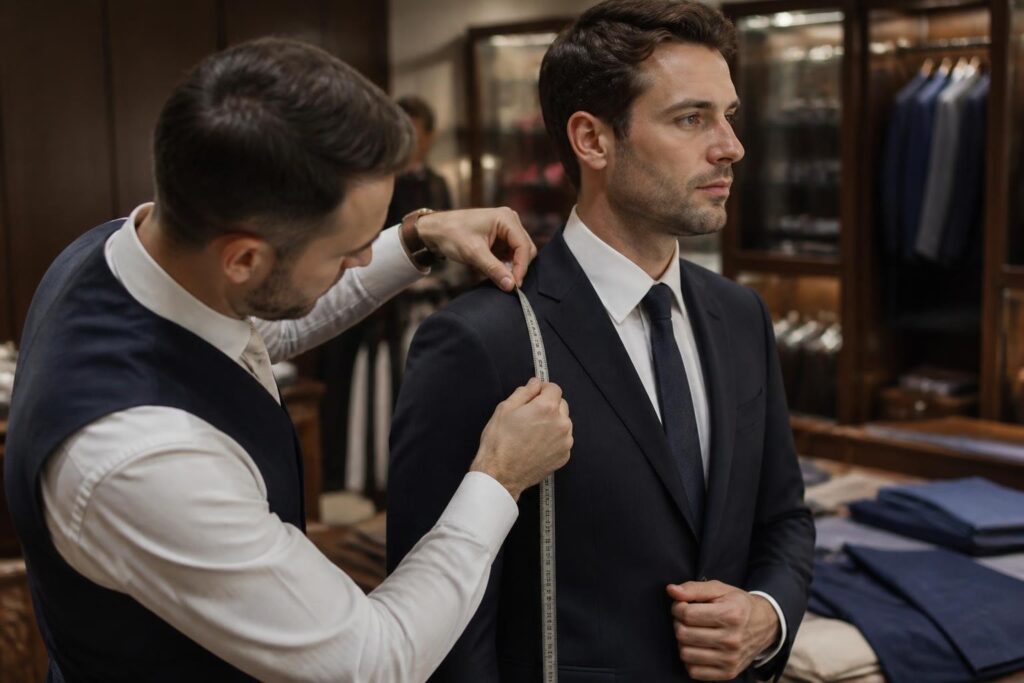
Finding the best tailor made suits requires understanding the craftsmanship, materials, and attention to detail that separate exceptional bespoke tailoring from standard off-the-rack options. In 2026, the demand for personalized clothing continues to grow as professionals and style enthusiasts recognize that a perfectly fitted suit represents both an investment in appearance and confidence. Whether you're preparing for important business meetings, special occasions, or building a versatile wardrobe, choosing the right tailor and understanding what defines quality in custom suiting makes all the difference in achieving results that reflect your personal style and professional image.
Understanding What Makes the Best Tailor Made Suits
The best tailor made suits stand apart through three fundamental elements: precision fit, superior fabrics, and expert construction. Unlike mass-produced alternatives, bespoke suits are created specifically for your body measurements, posture, and preferences.
Precision in measurements forms the foundation of exceptional tailoring. A skilled tailor takes numerous measurements including shoulder width, chest circumference, sleeve length, waist, hips, and inseam. Beyond basic dimensions, expert tailors also assess posture characteristics such as forward shoulders, one shoulder higher than the other, or different arm lengths.
The Bespoke Advantage
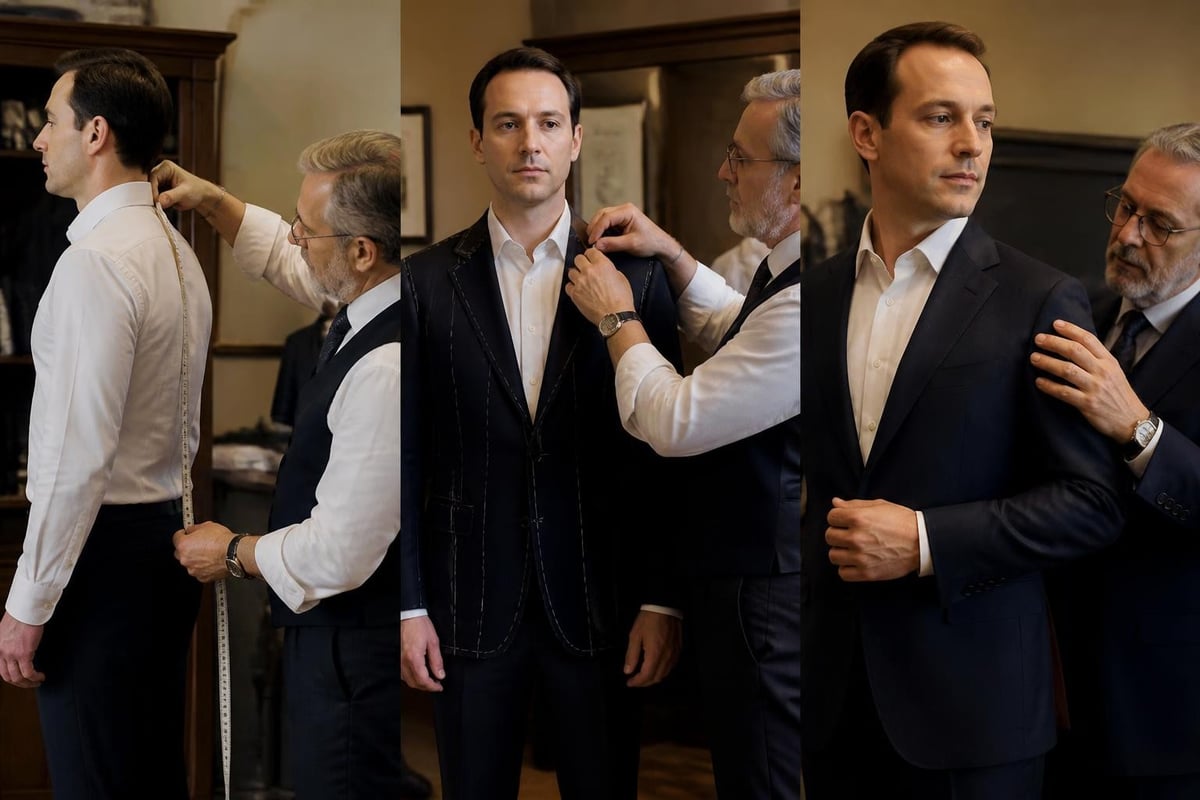
When comparing tailoring options, understanding the differences between bespoke, made-to-measure, and off-the-rack suits helps you make informed decisions. True bespoke tailoring involves creating a unique pattern from scratch, multiple fittings, and hand-finishing techniques that ensure every detail aligns with your specifications.
- First fitting: Pattern creation and initial fabric draping
- Second fitting: Adjustments to jacket structure and trouser fit
- Final fitting: Detail refinement and finishing touches
The iterative fitting process allows tailors to address subtle fit issues that ready-made suits cannot accommodate. This attention to individual body characteristics produces garments that move naturally with your body rather than restricting movement or creating unflattering lines.
Selecting Premium Fabrics for Your Custom Suit
Fabric selection significantly influences both the appearance and longevity of tailor made suits. The best options combine aesthetic appeal with durability and appropriate weight for your climate and intended use.
Seasonal Fabric Considerations
| Saison | Fabric Weight | Recommended Materials | Meilleur pour |
|---|---|---|---|
| Printemps/Été | 7-9 oz | Lightweight wool, linen blends, fresco | Tropical climates, outdoor events |
| Automne/Hiver | 11-14 oz | Mid-weight wool, flannel, tweed | Cooler climates, business settings |
| Year-Round | 9-11 oz | Super 100s-120s wool | Versatile professional wardrobes |
World-class fabric houses including Vitale Barberis Canonico, Loro Piana, and Scabal produce materials that define excellence in suiting. These mills have refined their craft over centuries, creating fabrics that drape beautifully, resist wrinkles, and maintain their appearance through years of wear.
Wool remains the gold standard for suits due to its natural breathability, resilience, and ability to hold shape. Super numbers (Super 100s, 120s, 150s) indicate the fineness of wool fibers. While higher numbers create softer, more luxurious fabrics, they may be less durable for daily wear. For tropical locations like Krabi, lighter weight fabrics in the 7-10 oz range provide comfort without sacrificing structure.
Color and Pattern Selection
Conservative navy and charcoal gray suits form the foundation of any professional wardrobe. These versatile options work across business settings and formal occasions. Once you have essential solid colors, consider adding:
- Subtle pinstripes for traditional business environments
- Glen plaid or windowpane patterns for creative industries
- Mid-gray and tan for versatile seasonal options
- Summer weights in lighter blues and beiges for tropical climates
Style Elements That Define Excellence
The best tailor made suits incorporate design details that reflect both classic tailoring principles and contemporary aesthetics. Your choices in lapels, pockets, vents, and buttons should align with your intended use and personal style.
Jacket Construction Details
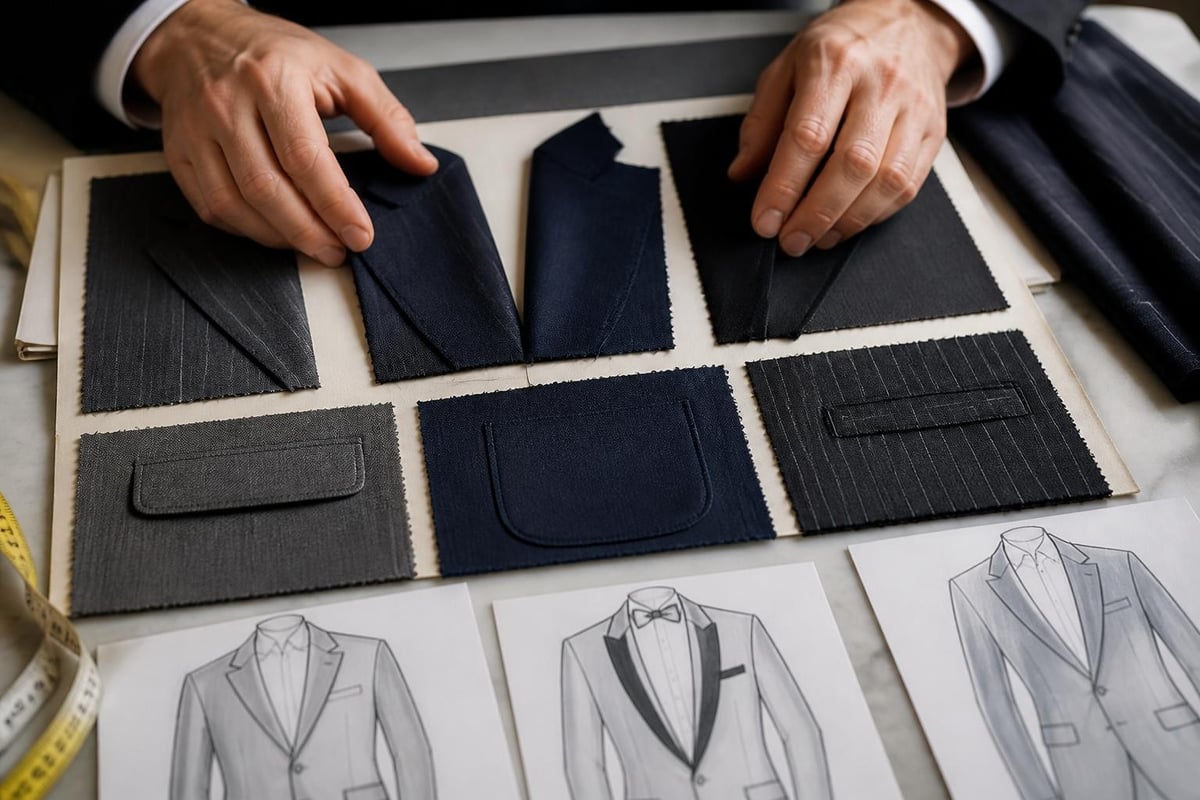
Lapel styles significantly impact the overall appearance of your suit jacket. Notch lapels remain the most versatile choice for business suits, while peak lapels add formality and visual interest. Shawl collars are reserved primarily for tuxedos and dinner jackets.
Canvas construction represents a hallmark of quality tailoring. Full canvas jackets use horsehair canvas extending throughout the front panels, allowing the jacket to mold to your body over time. Half-canvas construction provides a middle ground between quality and cost-effectiveness, with canvas in the chest area where shaping matters most.
Shoulder construction varies based on style preferences:
- Natural shoulders: Minimal padding for contemporary, relaxed appearance
- Roped shoulders: Structured Italian style with visible sleeve head
- English shoulders: Structured padding for traditional business look
Trouser Design Considerations
Trouser styling completes the suit silhouette and should be selected based on body type and current preferences. Modern cuts tend toward slim or tailored fits with narrower leg openings, though classic straight-leg trousers offer timeless versatility.
| Trouser Element | Traditional Choice | Contemporary Option |
|---|---|---|
| Rise | Mid-rise at natural waist | Slightly lower rise |
| Leg Opening | 17-18 inches | 15-16 inches |
| Break | Full or medium break | Slight or no break |
| Pleats | Single forward pleat | Flat front |
| Cuffs | 1.5 inch cuff | No cuff or 1.25 inch |
The Fitting Process for Perfect Results
Achieving the best tailor made suits requires active participation in the fitting process. Understanding what to look for at each stage ensures the final product meets your expectations.
What to Assess During Fittings
At your first fitting, the jacket should sit smoothly across the shoulders without pulling or excess fabric. The collar should hug your neck without gaps, and sleeves should show approximately half an inch of shirt cuff. These fundamental fit points form the basis for subsequent refinements.
Critical fit checkpoints include:
- Shoulder seam alignment with natural shoulder edge
- Collar sitting flush against the shirt collar
- Chest allowing comfortable movement without tightness
- Waist suppression creating defined silhouette without pulling
- Sleeve length revealing appropriate shirt cuff
- Trouser waist sitting comfortably at natural waist position
- Trouser length creating desired break on shoes
Don't hesitate to communicate concerns during fittings. Professional tailors appreciate specific feedback about comfort, movement restrictions, or aesthetic preferences. Testing range of motion by sitting, raising arms, and buttoning the jacket helps identify areas needing adjustment.
Regional Considerations for Tropical Climates
In locations like Ao Nang and throughout Thailand, climate significantly influences fabric and styling choices for the best tailor made suits. High humidity and temperatures require thoughtful selections that maintain professional appearance while ensuring comfort.
Adapting Suits for Tropical Environments
Lightweight fabrics become essential rather than optional in tropical settings. Look for fabrics specifically designed for warm weather: tropical weight wools (7-9 oz), wool-mohair blends, and high-twist yarns that promote breathability while maintaining structure.
Construction modifications for tropical suiting include:
- Unlined or quarter-lined jackets for improved ventilation
- Functional sleeve buttonholes allowing cuff rolling
- Natural fiber linings such as cotton or Bemberg rayon
- Lighter canvas construction reducing overall weight
Color selection also adapts to tropical environments. While navy and gray remain professional staples, lighter shades of blue, tan, and even cream-colored suits work beautifully in resort and tropical business settings. These lighter colors reflect heat rather than absorbing it, contributing to overall comfort.
Valeur des investissements et longévité
The best tailor made suits represent significant investment, but proper care extends their lifespan far beyond off-the-rack alternatives. Understanding the value proposition helps justify the initial expense.
Cost Comparison Analysis
| Suit Type | Initial Cost | Typical Lifespan | Cost per Year |
|---|---|---|---|
| Off-the-rack | $300-800 | 2-3 years | $150-400 |
| Made-to-measure | $800-1,500 | 5-7 years | $114-300 |
| Bespoke | $1,500-5,000+ | 10-15 years | $100-500 |
Quality bespoke suits often become more comfortable with wear as the canvas construction conforms to your body. This characteristic, combined with superior construction techniques, means a well-maintained custom suit can serve you for over a decade with proper care.
Working with Experienced Tailors
Selecting the right tailor proves as important as choosing quality fabrics. The best tailor made suits emerge from collaborative relationships between client and craftsperson, built on clear communication and mutual understanding of desired outcomes.
Evaluating Tailor Expertise
Experience matters significantly in bespoke tailoring. Tailors with decades of practice have refined their pattern-making skills, developed problem-solving abilities for unusual fit challenges, and established relationships with premium fabric suppliers. When learning how to buy a suit, understanding these quality indicators helps you make informed decisions.
Look for tailors who:
- Take comprehensive measurements beyond basic dimensions
- Ask questions about lifestyle, profession, and preferences
- Provide fabric guidance based on your climate and use cases
- Show portfolio examples demonstrating range and quality
- Explain their construction methods and fitting process
- Maintain established operations with client testimonials
The resurgence of bespoke tailoring reflects growing appreciation for craftsmanship and personalization. This cultural shift toward custom clothing emphasizes the enduring value of garments created specifically for individual wearers rather than mass markets.
Essential Style Guidelines for Different Occasions
The best tailor made suits serve multiple purposes when designed with versatility in mind. Understanding appropriate styling for various contexts maximizes the value of your investment.
Business Professional Settings
Conservative styling dominates traditional business environments. Navy and charcoal suits in solid colors or subtle patterns project authority and professionalism. Two-button jackets with notch lapels, flat-front trousers, and minimal embellishments align with corporate expectations.
Essential business suit specifications:
- Single-breasted, two-button jacket
- Notch lapels in medium width
- Flap pockets
- Single vent or dual vents for comfort
- Flat-front trousers with conservative rise
- Subtle patterns if not solid
Special Occasions and Formal Events
Weddings, galas, and formal celebrations call for elevated styling within the bespoke suit framework. Peak lapels add formality, while luxurious fabric choices like fine wool or wool-silk blends enhance the special occasion feel.
Destination weddings in tropical locations present unique opportunities for lighter colored suits in ivory, light tan, or pale blue. These options maintain formality while acknowledging climate realities and relaxed venue atmosphics.
Building a Versatile Suit Wardrobe
Strategic planning helps you develop a collection of the best tailor made suits that address diverse professional and social needs. Rather than purchasing multiple suits simultaneously, consider building your wardrobe progressively with intentional choices.
Recommended Acquisition Sequence
- First suit: Navy or charcoal in versatile mid-weight wool
- Second suit: The opposite color from your first choice
- Third suit: Light to mid-gray for seasonal versatility
- Fourth suit: Pattern introduction (subtle stripe or check)
- Fifth suit: Climate or occasion-specific option
This progression ensures you have appropriate options for various contexts before investing in specialized pieces. Each addition expands your flexibility while maintaining cohesive wardrobe functionality.
Separates strategy: Consider having trousers made in quantities of two for each jacket. Trousers typically wear more quickly than jackets, and having extras extends the useful life of your entire suit investment.
Maximizing Your Custom Suit Experience
Working with experienced bespoke tailors like those at Alex’s Fashion transforms suit acquisition from transactional purchase to collaborative creative process. Bringing reference images, communicating lifestyle needs, and remaining open to professional guidance produces optimal results.
Allow adequate time for the complete process. Quality bespoke tailoring cannot be rushed. Three fittings over several weeks ensure proper adjustments and refinements. Planning ahead for important events prevents last-minute compromises in fit or finishing.
Maintain realistic expectations about body measurements. Professional tailors can create flattering silhouettes that enhance your appearance, but bespoke suits work with your actual measurements rather than aspirational sizes. Honest assessment produces better-fitting, more comfortable results.
Investing in the best tailor made suits delivers lasting value through superior fit, quality materials, and construction techniques that stand the test of time. Whether you need versatile business attire or special occasion garments, bespoke tailoring offers personalized solutions that ready-made options simply cannot match. With over 30 years of expertise creating custom clothing for men, women, and children, Alex’s Fashion combines traditional craftsmanship with world-class fabrics to deliver tailor-made suits that exceed expectations and reflect your individual style.