
 FR
FR  EN
EN  DE
DE  TH
TH 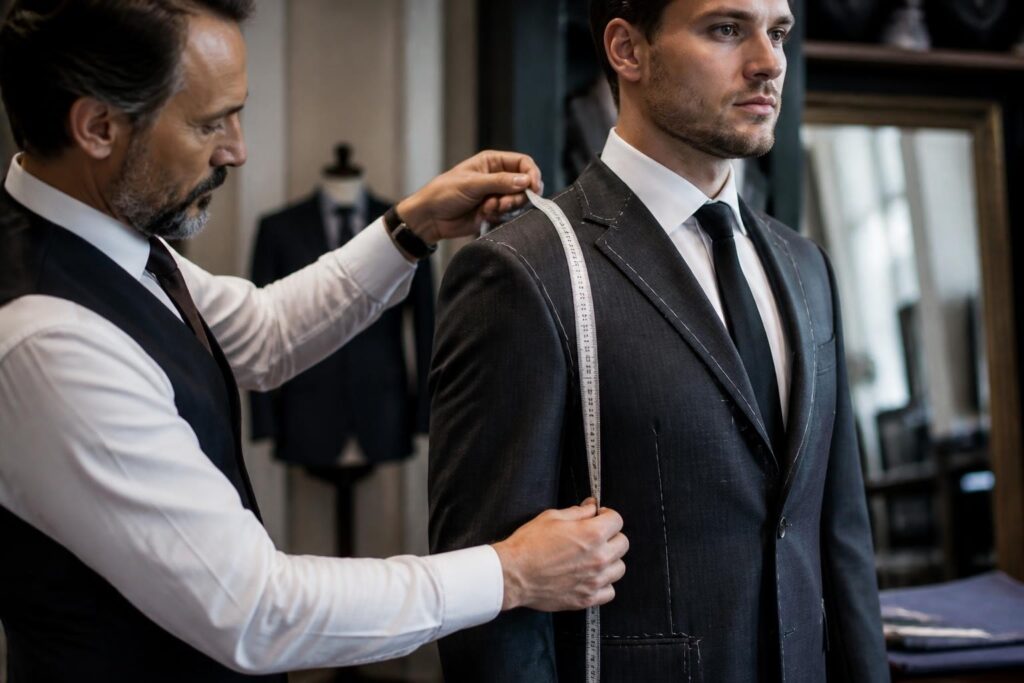
The term "mister tailor" represents more than just a skilled tradesperson who creates custom clothing. It embodies a tradition of craftsmanship, personal service, and attention to detail that transforms fabric into perfectly fitted garments. In an era where fast fashion dominates retail spaces, the role of a mister tailor has evolved to meet modern demands while preserving time-honored techniques. Understanding what distinguishes exceptional tailoring helps customers appreciate the value of bespoke garments and the expertise required to create them.
Understanding the Craft of Bespoke Tailoring
A mister tailor brings decades of knowledge to every garment, combining technical skill with artistic vision. The process begins with understanding the client's needs, body type, and personal style preferences. Each measurement must be precise, as even millimeter differences affect how fabric drapes across shoulders, torso, and limbs.
Traditional tailoring techniques remain relevant despite technological advances. Hand-stitching provides flexibility that machine seams cannot replicate, allowing garments to move naturally with the wearer's body. The evolving world of bespoke tailoring demonstrates how modern tailors balance heritage methods with contemporary expectations.
The Measurement Process
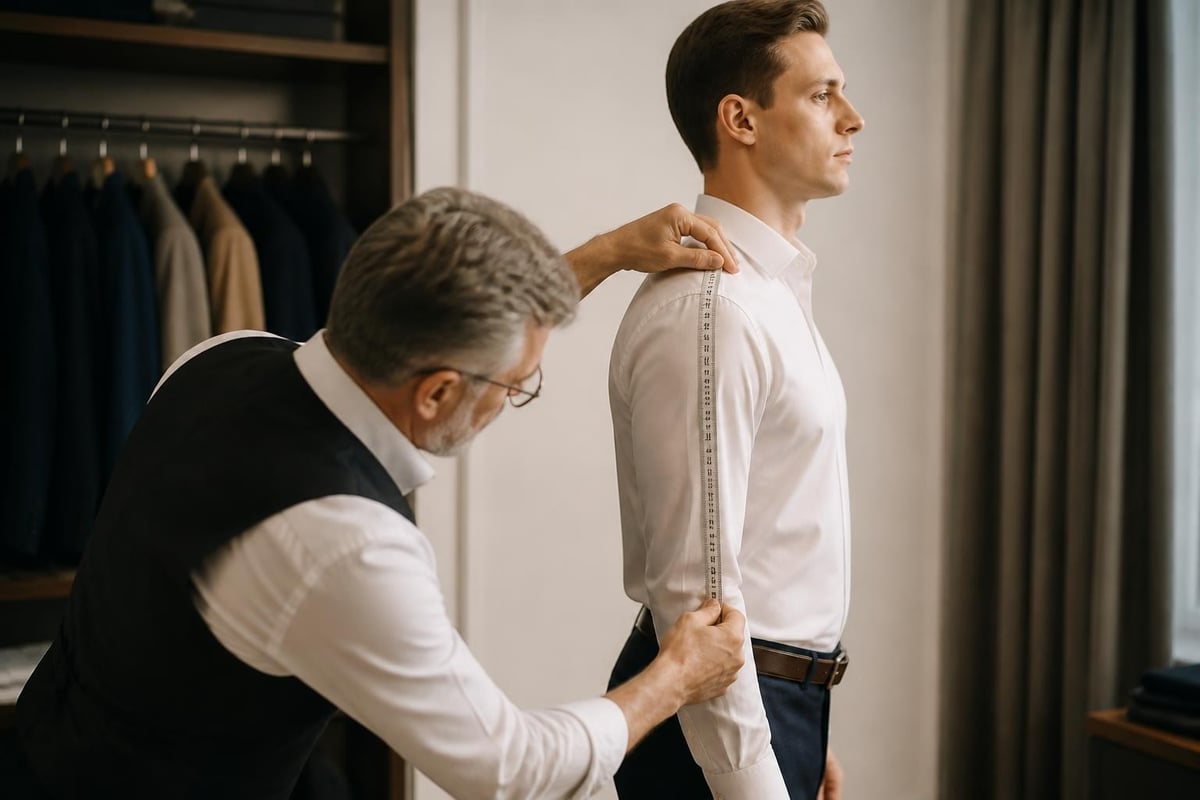
Professional tailors take multiple measurements across different body zones to ensure proper fit:
- Shoulder width and slope: Determines how jackets sit naturally
- Tour de poitrine et tour de taille: Establishes proper drape and comfort
- Arm length and posture: Affects sleeve placement and movement
- Rise and inseam: Critical for trouser comfort and appearance
These measurements form the foundation of pattern creation. A skilled mister tailor interprets measurements within the context of fabric choice, garment style, and intended use.
Fabric Selection and Quality Standards
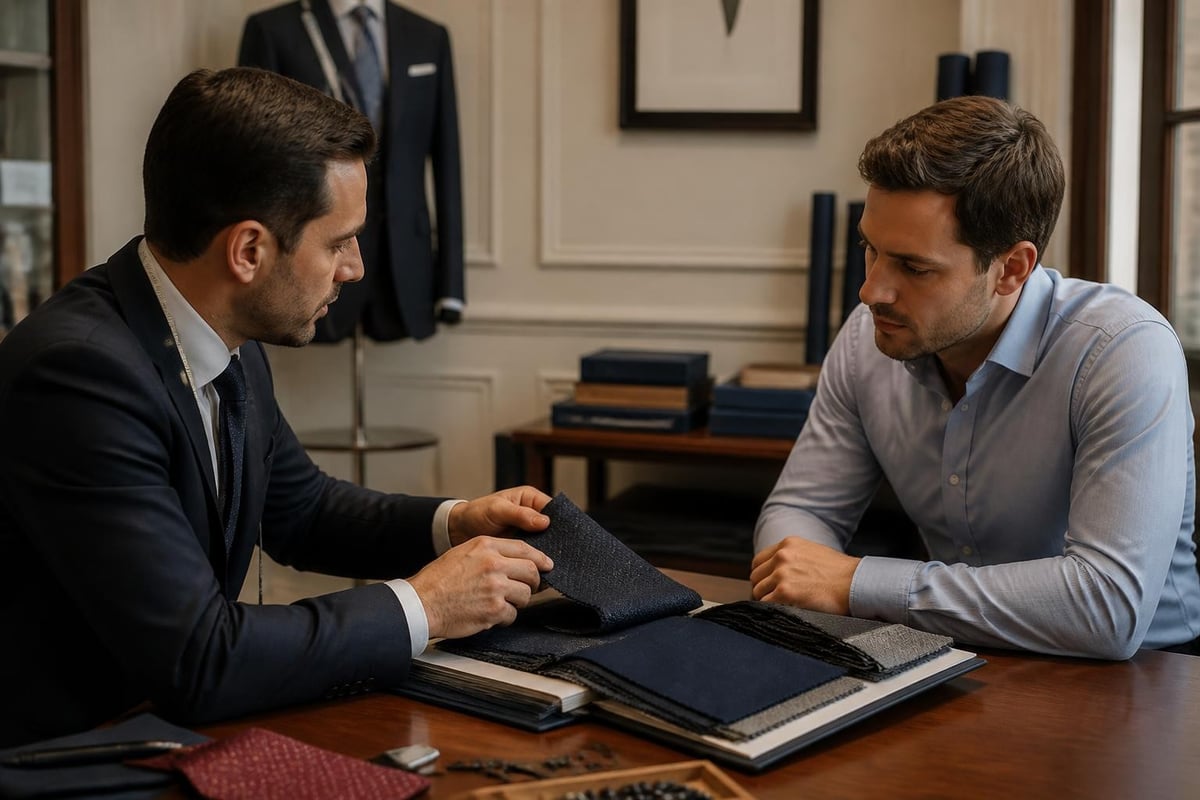
The relationship between a mister tailor and fabric suppliers defines garment quality. Premium materials require different handling techniques than standard textiles. Natural fibers like wool, cotton, and linen each respond uniquely to cutting, stitching, and pressing.
| Type de tissu | Best Uses | Key Characteristics | Tailoring Considerations |
|---|---|---|---|
| Merino Wool | Suits, jackets | Temperature regulation, drapes well | Requires careful pressing |
| Egyptian Cotton | Shirts, casual wear | Soft, breathable, durable | Shrinkage management needed |
| Lin | Summer clothing | Lightweight, cooling | Natural wrinkles expected |
| Soie | Linings, formal wear | Luxurious feel, delicate | Hand-stitching preferred |
World-class fabrics elevate the final product, but only when paired with proper construction techniques. A mister tailor understands how different weaves, weights, and finishes affect garment performance throughout years of wear.
Sourcing Premium Materials
Establishing relationships with quality fabric suppliers ensures consistent material availability. Thai-based tailors often access both local and international textile markets, providing clients diverse options at competitive prices. The tailoring industry statistics show growing consumer preference for sustainable, ethically sourced materials.
The Construction Process
Creating bespoke garments involves multiple fitting stages. Initial patterns serve as starting points, refined through successive adjustments. A mister tailor constructs a prototype using less expensive fabric, allowing structural modifications before cutting premium material.
First Fitting Session:
- Client tries initial garment construction
- Tailor assesses fit across shoulders, chest, and sleeves
- Adjustments marked directly on fabric
- Client provides feedback on comfort and style
Second Fitting:
- Modified garment reflects first round adjustments
- Fine-tuning of details like button placement and pocket positioning
- Final fabric selection confirmed
- Timeline for completion established
Some complex garments require three or more fittings. Patience during this process ensures optimal results.
Hand-Stitching Versus Machine Work
Modern tailoring combines both techniques strategically. Machines handle long seams efficiently, while hand-stitching addresses critical areas requiring flexibility. Lapels, buttonholes, and linings benefit from manual construction, creating garments that last decades with proper care.
The craft of a mister tailor shines in these details. Hand-picked stitches remain nearly invisible while providing superior durability compared to machine alternatives.
Style Consultation and Personal Expression
Beyond technical execution, exceptional tailoring requires understanding personal style. A mister tailor acts as consultant, guiding clients toward choices that complement their lifestyle, profession, and body type. This advisory role separates competent craftspeople from true masters.
Effective consultations explore:
- Intended use: Business, casual, formal events, or multi-purpose wear
- Climate considerations: Tropical environments require different fabrics than temperate regions
- Color preferences: Coordinating with existing wardrobe pieces
- Style evolution: Timeless designs versus current trends
Market Trends Shaping Modern Tailoring
The bespoke tailoring sector experiences significant growth as consumers prioritize quality over quantity. Market analysis of bespoke tailor suits indicates sustained demand through 2026 and beyond, driven by several factors.
Professional wardrobes increasingly emphasize versatility and longevity. Well-constructed garments from a skilled mister tailor outlast multiple fast-fashion pieces, offering better value despite higher initial costs. This economic reality resonates with environmentally conscious consumers seeking sustainable alternatives.
Digital Integration
Technology enhances traditional tailoring without replacing fundamental skills. Digital measurement tools provide precise data, while visualization software helps clients preview finished garments. However, the expertise of a mister tailor remains irreplaceable for interpreting these measurements within real-world contexts.
The viability of offering bespoke tailoring in 2026 depends on balancing traditional craftsmanship with modern client expectations. Successful tailors maintain their technical foundation while adopting helpful innovations.
Building Client Relationships
Long-term success in bespoke tailoring relies on cultivating trust and repeat business. A mister tailor develops deep understanding of regular clients' preferences, body changes, and wardrobe needs over years of collaboration. This relationship transforms transactional service into genuine partnership.
Client Retention Strategies:
- Maintaining detailed records of measurements and past orders
- Proactive outreach for wardrobe updates and seasonal needs
- Flexible scheduling accommodating client availability
- Transparent communication about timelines and pricing
- After-sale support for minor adjustments and repairs
These practices build loyalty that sustains tailoring businesses through economic fluctuations. Satisfied clients become advocates, referring friends and family members.
Training and Skill Development
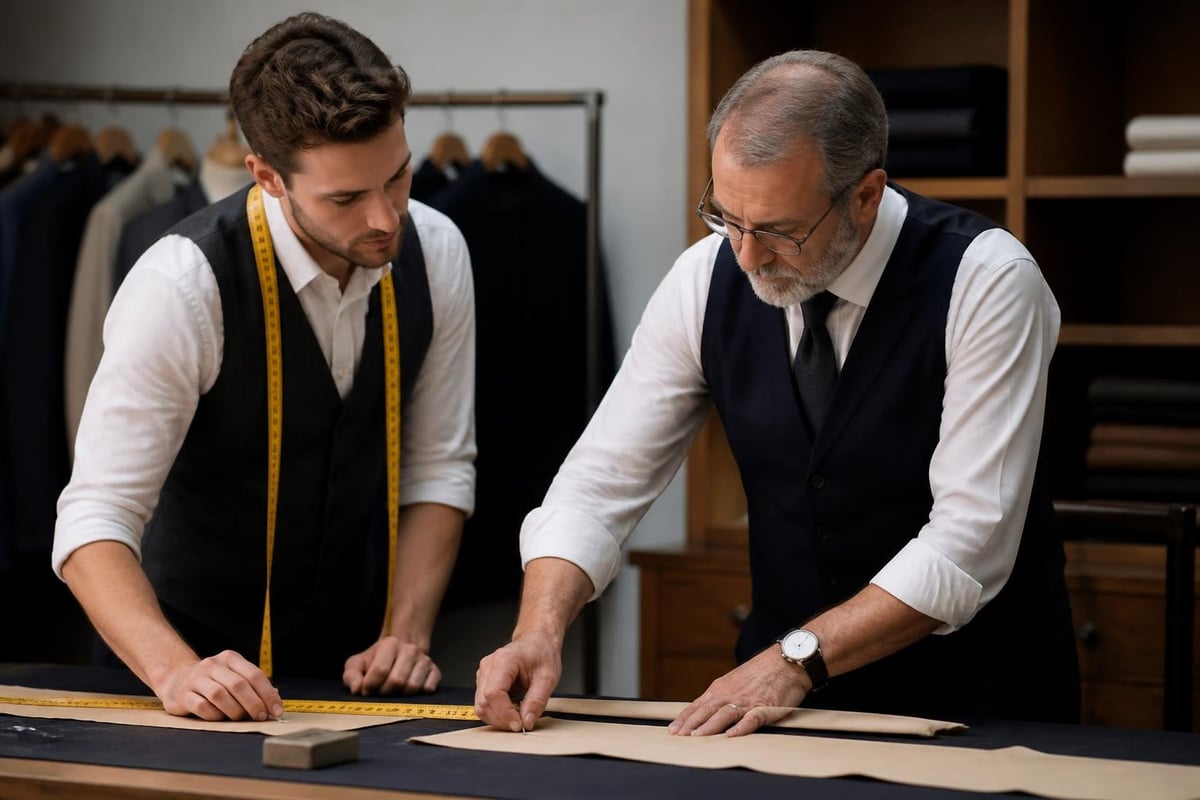
The tailoring profession faces workforce challenges as experienced practitioners retire. Industry reports highlight the aging workforce and difficulty attracting younger talent to the trade. Becoming a skilled mister tailor requires years of apprenticeship and continuous learning.
| Skill Level | Time Investment | Capabilities | Typical Projects |
|---|---|---|---|
| Apprentice | 1-2 years | Basic alterations, simple repairs | Hemming, button replacement |
| Intermediate | 3-5 years | Pattern modification, standard garments | Shirts, casual jackets |
| Advanced | 6-10 years | Complex construction, custom patterns | Formal suits, specialty items |
| Master | 10 ans et plus | Complete bespoke creation, innovation | Wedding attire, executive wardrobes |
Continuous education keeps tailors current with evolving fabrics, construction techniques, and style trends. A committed mister tailor never stops refining their craft.
Regional Advantages in Thai Tailoring
Thailand's tailoring industry benefits from several competitive advantages. The tropical climate encourages lightweight fabric expertise, while tourism exposure familiarizes tailors with diverse international style preferences. Locations like Krabi combine technical skill with hospitality, creating exceptional client experiences.
A mister tailor in Thailand often works with clients from around the world, adapting techniques to different body types and cultural expectations. This international exposure develops versatility that enhances domestic service quality.
Climate-Appropriate Tailoring
Tropical environments demand specific fabric choices and construction methods. Breathable materials, moisture-wicking linings, and ventilation considerations distinguish regionally adapted garments from generic designs. Experienced tailors understand how humidity affects fabric behavior and adjust techniques accordingly.
The Value Proposition of Custom Clothing
Investing in bespoke tailoring delivers multiple benefits beyond perfect fit. Custom garments project professionalism, boost confidence, and eliminate the frustration of ill-fitting ready-made clothing. A relationship with a skilled mister tailor provides wardrobe solutions tailored to individual needs rather than mass-market assumptions.
Long-Term Benefits:
- Superior durability reducing replacement frequency
- Timeless styling that transcends seasonal trends
- Comfortable fit supporting all-day wear
- Unique garments reflecting personal identity
- Sustainable consumption patterns
When comparing costs, consider the lifespan of bespoke garments versus fast-fashion alternatives. Quality construction from a competent mister tailor creates clothing that lasts decades with proper maintenance.
Specialty Services and Customization
Beyond standard suits and shirts, skilled tailors offer diverse services. Wedding attire, traditional cultural garments, and performance clothing each present unique challenges requiring specialized knowledge. A versatile mister tailor adapts techniques to meet varied requirements while maintaining quality standards.
Custom embroidery, monogramming, and unique design elements personalize garments further. These details transform functional clothing into meaningful possessions with emotional significance. The emphasis on craftsmanship reflects broader luxury market trends valuing artisanal creation.
Family Wardrobe Solutions
Comprehensive tailoring services extend beyond menswear to include women's and children's clothing. Family-focused tailors coordinate styles across generations, creating cohesive looks for special occasions. This holistic approach builds deeper client relationships and increases service value.
Maintaining and Caring for Bespoke Garments
Proper garment care extends the lifespan of custom clothing significantly. A responsible mister tailor educates clients on maintenance practices that preserve fabric quality and construction integrity. Professional cleaning, proper storage, and timely repairs prevent minor issues from becoming major problems.
Essential Care Guidelines:
- Use quality wooden hangers maintaining shoulder shape
- Allow suits to rest between wearings (minimum 24 hours)
- Brush garments after each use removing surface dust
- Professional dry cleaning only when necessary
- Store with proper ventilation avoiding plastic bags
Minor repairs should be addressed promptly by the original tailor who understands the garment's construction. This ongoing relationship ensures bespoke pieces remain wardrobe staples for years.
The Future of Personalized Tailoring
Looking ahead, the tailoring profession continues adapting while preserving core values. The luxury fashion market trends indicate sustained consumer interest in craftsmanship and personalization. A forward-thinking mister tailor embraces helpful innovations while maintaining the human expertise that defines quality tailoring.
Younger consumers increasingly value experiences and personalization over mass-produced goods. This demographic shift favors bespoke services offering meaningful interactions and unique products. Tailors who communicate their expertise effectively and deliver exceptional results will thrive in this evolving market.
Durabilité et production éthique
Environmental consciousness influences purchasing decisions across all sectors. Custom tailoring inherently supports sustainability through longevity, reduced waste, and thoughtful consumption. A mister tailor who sources ethically and builds lasting garments aligns with contemporary values while practicing traditional craftsmanship.
The expertise of a skilled mister tailor transforms quality fabrics into perfectly fitted garments that serve clients for decades, combining traditional craftsmanship with personalized service. Whether you need a custom suit for business, elegant attire for special occasions, or a complete wardrobe refresh, Alex’s Fashion brings over 30 years of tailoring excellence to every project. Experience the difference that meticulous attention to detail and world-class fabrics make in creating clothing that truly reflects your style and fits your life perfectly.