
 FR
FR  EN
EN  DE
DE  TH
TH 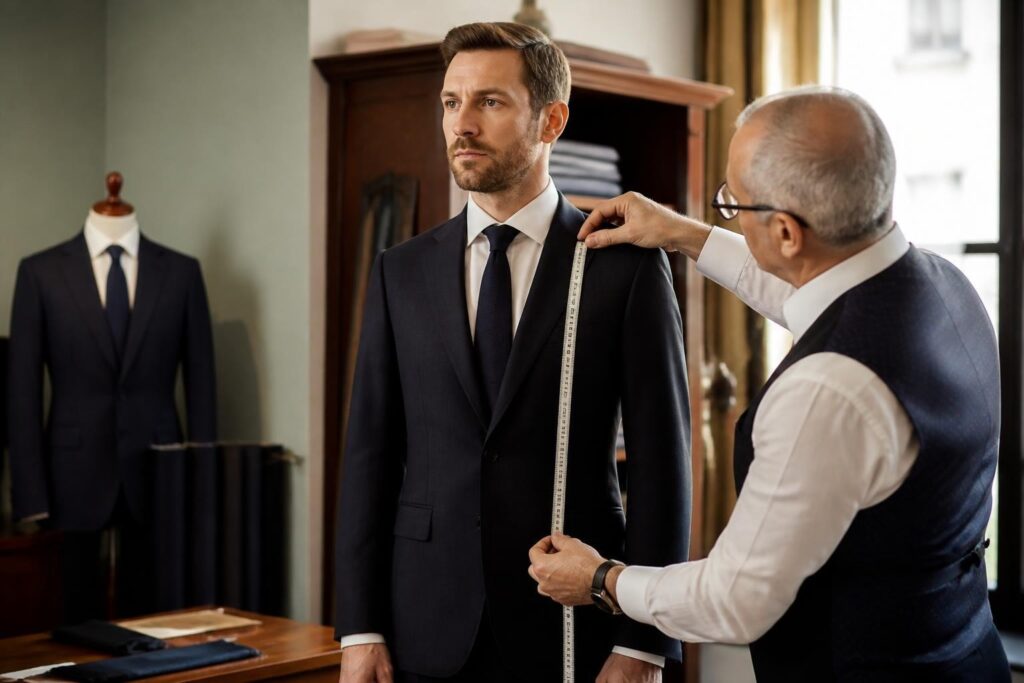
The world of fashion has witnessed countless trends come and go, yet one tradition has remained consistently relevant: the art of creating garments precisely tailored to individual specifications. In an era of mass production and fast fashion, discerning clients continue to seek garments that reflect their unique physique, personal style, and attention to quality. This timeless craft represents more than mere clothing construction; it embodies a commitment to excellence, personalization, and the finest materials available. Whether you're preparing for a significant life event or building a wardrobe that truly fits your lifestyle, understanding this artisanal approach to garment creation can transform your relationship with clothing.
Understanding the Fundamentals of Custom Garment Creation
Bespoke custom tailoring represents the pinnacle of personalized garment construction, where every element is created specifically for one individual. Unlike ready-to-wear clothing produced in standard sizes, this approach begins with a blank canvas and builds each piece around your exact measurements and preferences.
The term "bespoke" originates from the concept of fabric being "spoken for" by a specific customer. This distinction matters because it separates true custom work from made-to-measure services, which modify existing patterns rather than creating entirely new ones.
The Three Tiers of Suit Construction
Understanding the differences between garment construction methods helps you make informed decisions:
| Construction Type | Niveau de personnalisation | Typical Fittings | Time to Complete |
|---|---|---|---|
| Ready-to-Wear | None | 0-1 | Immediate |
| Sur mesure | Modéré | 1-2 | 4-6 weeks |
| Bespoke Custom | Complete | 3-5 | 8-12 weeks |
Ready-to-wear garments come in predetermined sizes with no individual adjustments. Made-to-measure services adjust existing patterns to approximate your measurements. Bespoke custom tailoring, however, creates an entirely unique pattern from scratch based on your specific body shape, posture, and preferences.
The Comprehensive Process Behind Personalized Garments
The journey toward a perfectly fitted garment involves multiple stages, each requiring expertise and attention to detail. At Alex’s Fashion, this process has been refined over three decades to ensure exceptional results.
Initial Consultation and Vision Development
Your first appointment establishes the foundation for everything that follows. During this meeting, skilled craftspeople discuss:
- Your lifestyle requirements and how the garment will be worn
- Style preferences including lapel width, pocket styles, and button configurations
- Occasions where the garment will be utilized
- Personal aesthetic preferences and inspiration images
- Budget considerations and timeline expectations
This conversation ensures that the final product aligns perfectly with your needs and expectations.
Measurement and Pattern Creation
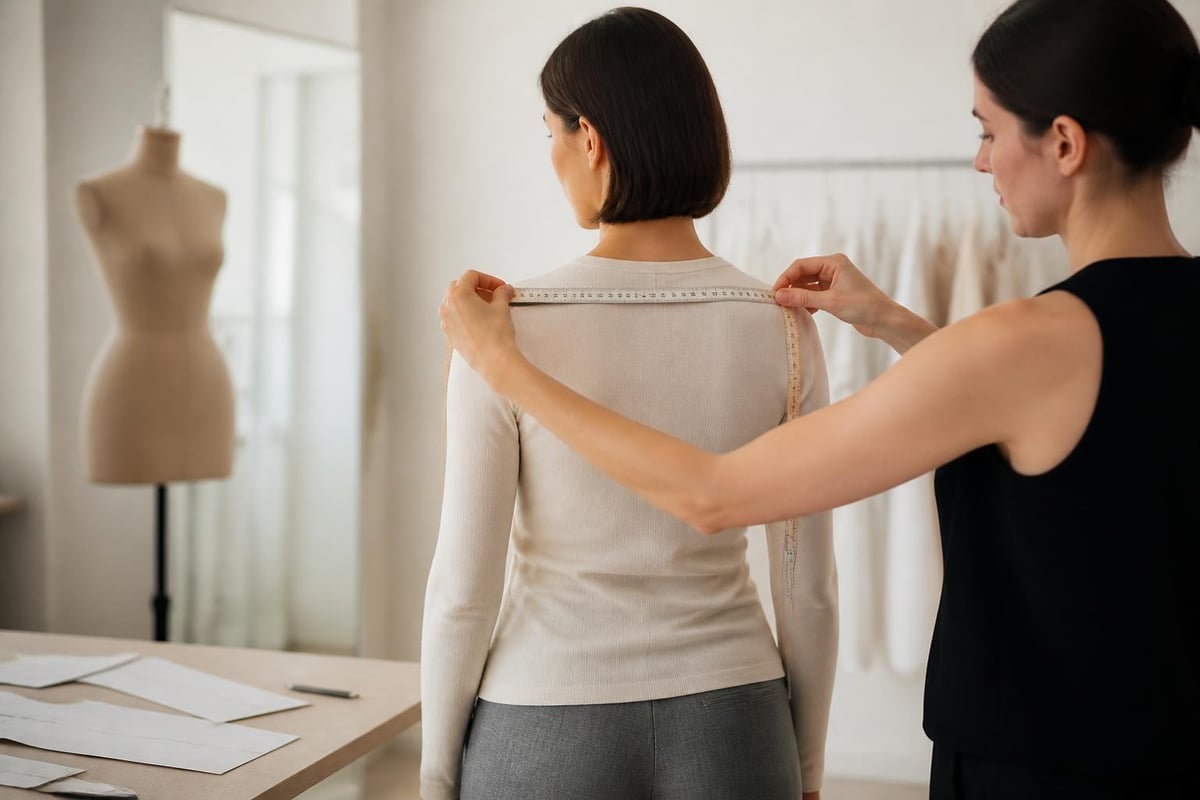
Unlike standardized sizing, bespoke custom tailoring basics require extensive measurements that capture your body's unique characteristics. Professional tailors take dozens of measurements, noting details such as:
- Shoulder slope and any asymmetry between left and right sides
- Chest expansion difference between relaxed and expanded states
- Arm length and curvature
- Posture tendencies including forward lean or military bearing
- Hip positioning and leg length variations
These measurements inform the creation of a completely unique pattern that exists nowhere else in the world. This pattern becomes the blueprint for your garment, accounting for every nuance of your physique.
Fabric Selection and Material Considerations
The choice of fabric dramatically influences the final garment's appearance, comfort, and longevity. World-class materials sourced from renowned mills offer distinct characteristics:
Fabric Weight and Seasonality:
- Lightweight fabrics (7-9 oz) for tropical climates and summer wear
- Medium-weight fabrics (10-13 oz) for year-round versatility
- Heavyweight fabrics (14-16 oz) for winter garments and structured tailoring
Weave Patterns and Their Applications:
- Plain weaves provide durability and professional appearance
- Twill weaves offer drape and subtle texture
- Herringbone and houndstooth add visual interest
- Sharkskin provides sophisticated texture for business settings
In destinations like Ao Nang, Krabi, understanding tropical-appropriate fabrics becomes essential. Breathable materials with moisture-wicking properties ensure comfort in humid conditions while maintaining professional appearance.
Advanced Construction Techniques That Define Quality
The methods used in garment construction separate exceptional work from mediocre results. Traditional techniques passed through generations continue to produce superior outcomes.
Hand-Stitching Versus Machine Construction
While modern technology has its place, certain elements benefit significantly from hand execution:
- Buttonholes: Hand-worked buttonholes provide durability and aesthetic refinement that machines cannot replicate
- Lapel shaping: Hand-padded lapels create three-dimensional structure that conforms to the chest
- Sleeve attachment: Hand-set sleeves allow for precise fit adjustment and natural drape
- Hemming: Hand-finished hems remain invisible and flexible, adapting to movement
These techniques require years to master but produce garments that move with your body rather than restricting it.
The Fitting Progression
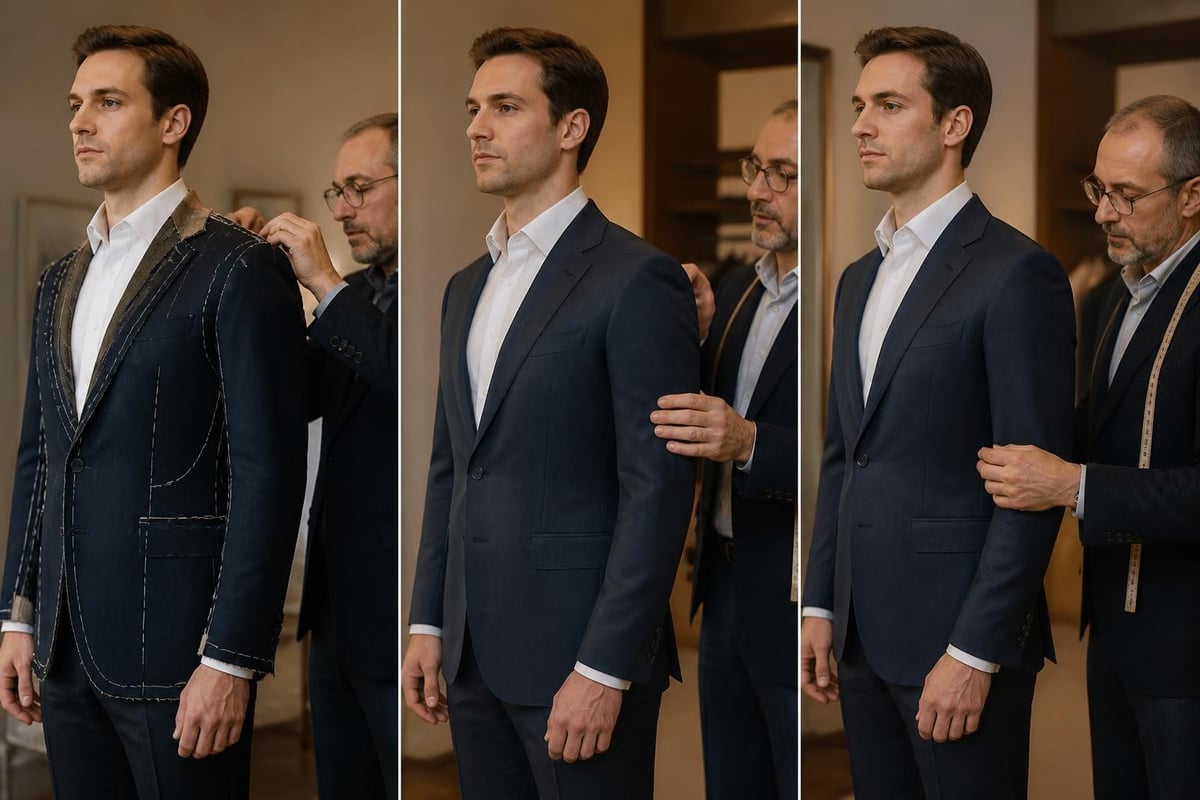
Bespoke custom tailoring typically involves three to five fittings, each addressing different aspects of the garment's development:
First Fitting (Basted Garment):
The initial fitting uses roughly assembled fabric pieces held together with temporary stitching. This allows significant adjustments to the pattern before permanent construction begins. Tailors assess overall proportions, jacket length, sleeve pitch, and general silhouette.
Second Fitting (Forward Fitting):
With sleeves attached and primary seams sewn, this fitting refines the details. Attention focuses on collar fit, lapel roll, pocket placement, and button positioning. The garment begins to reveal its final character.
Final Fitting:
Minor adjustments ensure perfection. Hem length, sleeve length, and button functionality receive final verification. This fitting confirms that every element performs as intended.
Style Personalization and Detail Selection
Beyond fit, bespoke custom tailoring offers unprecedented control over aesthetic elements. These choices transform a well-fitted garment into a personal statement.
Structural Design Decisions
| Element | Options | Impact on Appearance |
|---|---|---|
| Lapel Width | Narrow, Standard, Wide | Influences formality and face proportions |
| Pocket Style | Patch, Flap, Jetted | Affects formality level and silhouette |
| Vent Style | No Vent, Single, Double | Impacts movement and back appearance |
| Button Stance | Low, Medium, High | Alters perceived torso length |
Each selection contributes to the garment's overall character. Understanding the differences between construction approaches helps you appreciate these customization options.
Interior Specifications
The garment's interior receives equal attention to visible elements:
- Lining fabric selection affects comfort and temperature regulation
- Interior pocket placement addresses functional requirements
- Personalized monogramming adds distinctive touches
- Canvas weight influences structure and drape characteristics
These hidden details contribute significantly to wearing experience and garment longevity.
Wardrobe Building Through Custom Creation
Strategic wardrobe development through bespoke custom tailoring creates versatile options that serve multiple purposes. Rather than accumulating random pieces, thoughtful planning builds cohesive collections.
Essential Foundation Pieces
Starting your custom wardrobe with versatile fundamentals provides maximum utility:
For Business Professionals:
- Navy suit in year-round weight fabric
- Mid-gray suit for variety and versatility
- White and light blue dress shirts
- Conservative tie selection
For Tropical Climates:
- Lightweight linen or cotton suits in neutral colors
- Breathable shirt fabrics with moisture management
- Unstructured jackets for casual-professional settings
- Lightweight trousers in complementary shades
Expanding Beyond Basics
Once foundation pieces are established, additions can address specific needs:
- Special occasion garments for weddings and formal events
- Seasonal pieces that address climate variations
- Casual tailored items that maintain refined appearance
- Statement pieces that express personality and style confidence
This approach ensures every garment serves a purpose while maintaining consistent quality standards.
Maintaining Your Custom Investment
Proper care extends the life of bespoke garments significantly, protecting your investment and maintaining appearance.
Regular Maintenance Practices
Daily Care Routines:
- Allow garments to rest between wearings on proper hangers
- Use wooden or padded hangers that maintain shoulder shape
- Brush wool fabrics after wearing to remove surface dirt
- Empty pockets to prevent fabric distortion
Periodic Professional Care:
- Press garments professionally rather than home ironing
- Clean only when necessary to preserve fabric integrity
- Address minor repairs promptly before they worsen
- Store seasonal items properly with appropriate protection
Climate Considerations for Tropical Environments
In humid locations like Krabi, Thailand, additional precautions prevent moisture damage and mildew:
- Ensure adequate air circulation in storage areas
- Use moisture-absorbing products in closets
- Avoid plastic garment bags that trap humidity
- Allow garments to air after wearing before storage
The Value Proposition of Personalized Tailoring
While bespoke custom tailoring requires greater initial investment than ready-made alternatives, the long-term value proposition proves compelling.
Tangible Benefits
Superior Fit and Comfort:
Garments constructed to your exact specifications eliminate common fit issues. No pulling across the back, bunching at the waist, or sleeve length compromises. This comfort translates to confidence in professional and social settings.
Exceptional Longevity:
Quality materials and construction techniques produce garments that last decades rather than seasons. Proper maintenance of bespoke pieces often results in 10-15 years of regular wear, far exceeding mass-produced alternatives.
Personal Expression:
The ability to specify every detail creates garments that authentically represent your personal style. This level of customization remains impossible through retail channels.
Intangible Advantages
Beyond measurable benefits, custom garments provide psychological advantages:
- Increased confidence from knowing your clothing fits perfectly
- Professional presence enhancement through superior appearance
- Personal satisfaction from owning unique pieces
- Connection to traditional craftsmanship and artisanal skills
Custom Tailoring for Different Occasions
Bespoke custom tailoring serves diverse needs across various contexts, each requiring specific approaches.
Professional Business Environments
Corporate settings demand conservative styling with impeccable fit:
- Structured suits in traditional colors demonstrate professionalism
- Conservative fabric patterns maintain credibility
- Precise fit communicates attention to detail
- Quality materials signal success and competence
Social and Ceremonial Events
Weddings, galas, and formal occasions benefit from custom approaches:
Wedding Attire:
Grooms and wedding parties achieve cohesive appearance through coordinated custom creation. This ensures perfect fit for all participants regardless of body type variations.
Formal Evening Events:
Dinner jackets and formal suits tailored specifically for evening wear incorporate appropriate details like satin lapels and covered buttons.
Casual Tailored Clothing
Custom creation extends beyond formal wear:
- Sport coats in textured fabrics for smart-casual settings
- Custom trousers in versatile colors and weights
- Tailored shirts for weekend wear
- Unstructured jackets for relaxed professional environments
Selecting the Right Tailoring Partner
The relationship with your tailor significantly impacts results. Several factors deserve consideration when choosing a crafts person.
Experience and Expertise Assessment
Years in Practice:
Established businesses bring refined techniques and problem-solving abilities. Three decades of experience, like that found at certain Ao Nang establishments, indicates consistent quality and customer satisfaction.
Specialization Range:
Tailors who work with men's, women's, and children's clothing demonstrate versatility and comprehensive understanding of garment construction across body types.
Fabric Sourcing Capabilities:
Access to world-class fabric mills ensures quality materials. Ask about fabric origins and available options.
Communication and Consultation Quality
Effective collaboration requires clear communication:
- Does the tailor listen carefully to your preferences?
- Can they explain technical aspects in understandable terms?
- Do they offer guidance while respecting your vision?
- Are they transparent about timeline and pricing?
These interpersonal factors contribute significantly to satisfaction with the final product.
Portfolio and Reference Review
Examining previous work provides insight into capabilities:
- Request to see completed garments in similar styles
- Ask about specialty areas or signature techniques
- Inquire about customer references or testimonials
- Observe attention to detail in finishing work
Modern Innovations in Traditional Craftsmanship
While bespoke custom tailoring honors traditional techniques, contemporary innovations enhance the experience without compromising quality.
Digital Measurement Systems
Some tailoring establishments now supplement hand measurements with 3D body scanning technology. This combination captures measurements with exceptional precision while maintaining the personal touch essential to custom work.
Fabric Technology Advancements
Modern textile engineering produces materials that combine traditional aesthetics with enhanced performance:
- Wrinkle-resistant treatments that maintain natural appearance
- Moisture-wicking fibers that regulate temperature
- Stain-resistant finishes that protect investments
- Stretch incorporation that enhances comfort without compromising structure
International Collaboration Possibilities
Technology enables clients to maintain relationships with tailors regardless of geographic distance. Digital communication, measurement retention, and international shipping allow continued partnerships even after leaving a destination.
The Cultural Significance of Custom Clothing
Beyond practical considerations, bespoke custom tailoring connects wearers to centuries of craft tradition and cultural heritage.
Historical Context
The practice of creating garments for specific individuals dates back to when all clothing was custom-made by necessity. The term bespoke itself reflects this heritage, emerging from London's Savile Row tailoring district.
Contemporary Relevance
In 2026, as automation and mass production dominate many industries, choosing custom tailoring represents a conscious decision to support:
- Traditional skills preservation
- Artisanal craftsmanship continuity
- Sustainable consumption through quality over quantity
- Individual expression over conformity
This choice resonates beyond personal wardrobe development, contributing to cultural preservation and sustainable business practices.
Understanding the intricate art of bespoke custom tailoring reveals why discerning individuals continue to value personalized garment creation despite readily available alternatives. The combination of perfect fit, quality materials, and personalized details creates clothing that serves you better and lasts significantly longer than mass-produced options. Whether you're building a professional wardrobe, preparing for a special occasion, or simply appreciating fine craftsmanship, Alex’s Fashion brings over 30 years of tailoring expertise to clients in Ao Nang, Krabi, offering world-class fabrics and meticulous attention to detail for men, women, and children seeking garments that truly reflect their individual style and requirements.