
 FR
FR  EN
EN  DE
DE  TH
TH 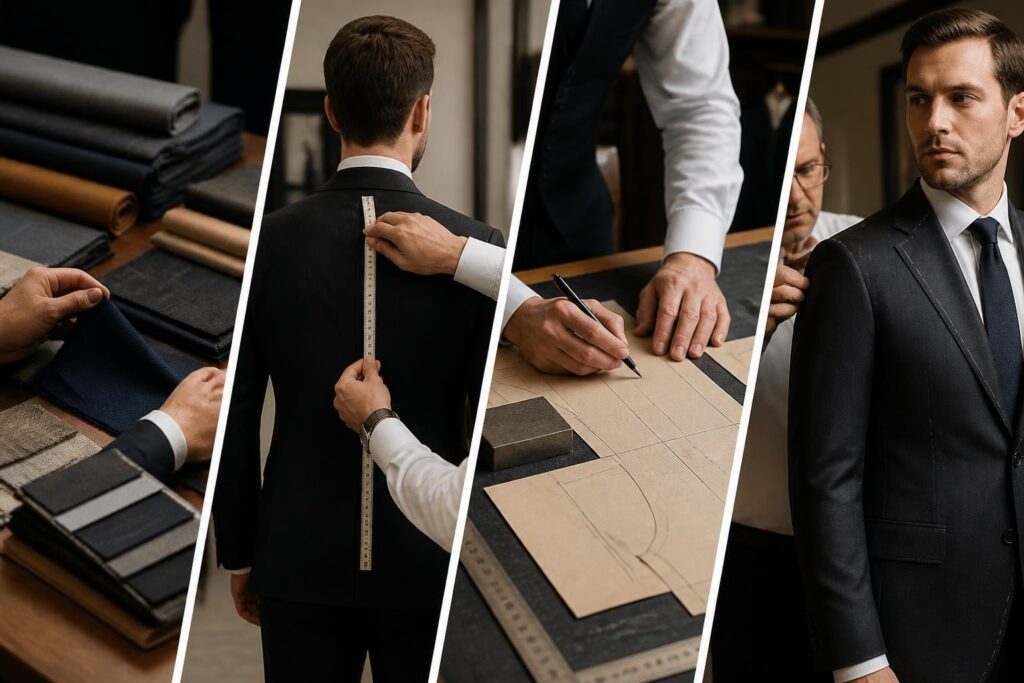
The concept of a house of tailor represents more than just a business that creates clothing. It embodies centuries of craftsmanship, dedication to quality, and the pursuit of perfectly fitted garments that reflect individual style and personality. In an era dominated by mass-produced fashion, the house of tailor stands as a testament to personalized service, attention to detail, and the timeless art of creating clothes that truly fit. Understanding what makes a house of tailor exceptional helps customers appreciate the value of bespoke clothing and the expertise required to deliver garments that exceed expectations.
Understanding the House of Tailor Tradition
A house of tailor operates on principles established over generations, combining traditional techniques with modern preferences. The definition of a tailor encompasses professionals who craft and alter garments to fit individual clients perfectly. This personalized approach distinguishes a house of tailor from retail clothing stores or quick alteration services.
The foundation of any reputable house of tailor rests on several core elements:
- Expert craftsmanship developed through years of training and practice
- Service personnalisé tailored to each client's unique requirements
- Quality materials sourced from reputable fabric manufacturers worldwide
- Attention to detail in every stitch, seam, and finishing touch
- Customer satisfaction as the ultimate measure of success
When customers enter a house of tailor, they embark on a collaborative journey. The experience differs significantly from purchasing ready-made clothing because every decision involves consultation, consideration, and customization to achieve the desired result.
What Sets a House of Tailor Apart
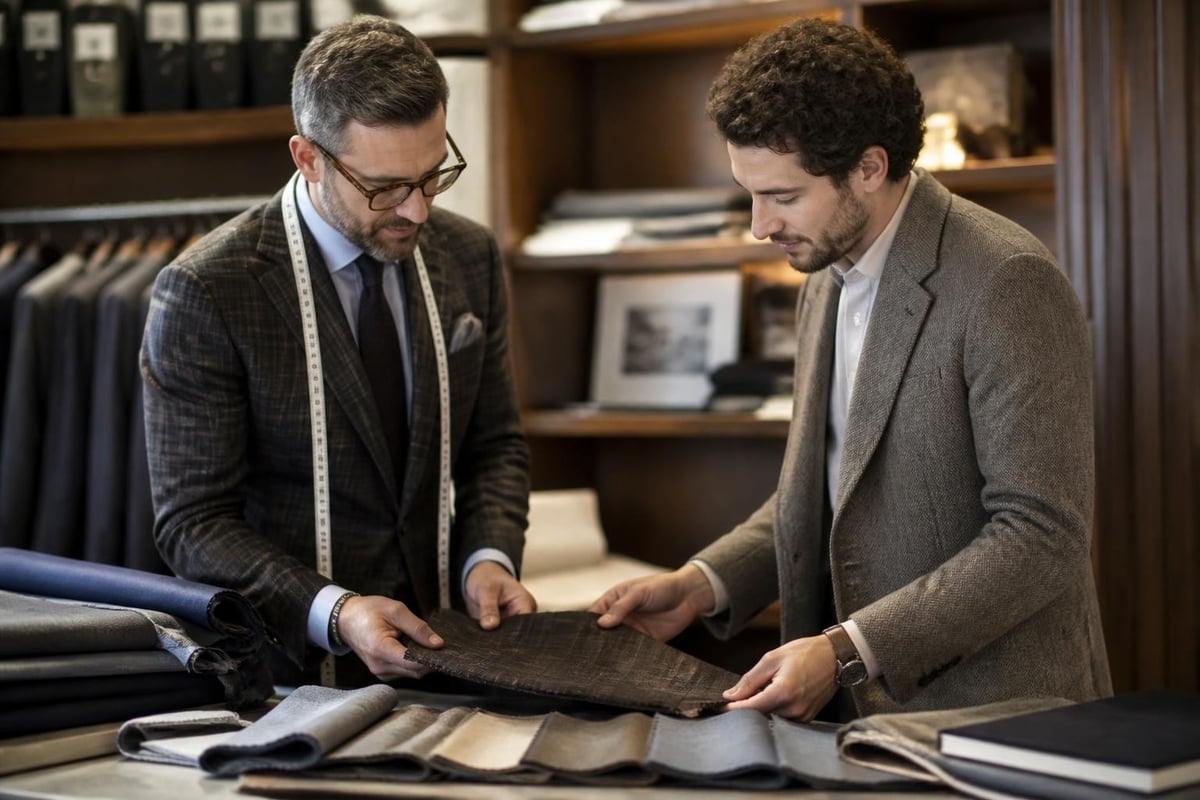
Professional tailoring establishments differentiate themselves through comprehensive services and extensive expertise. A true house of tailor offers complete wardrobe solutions rather than limited options. Clients receive guidance on fabric selection, style choices, and design elements that complement their body type and lifestyle needs.
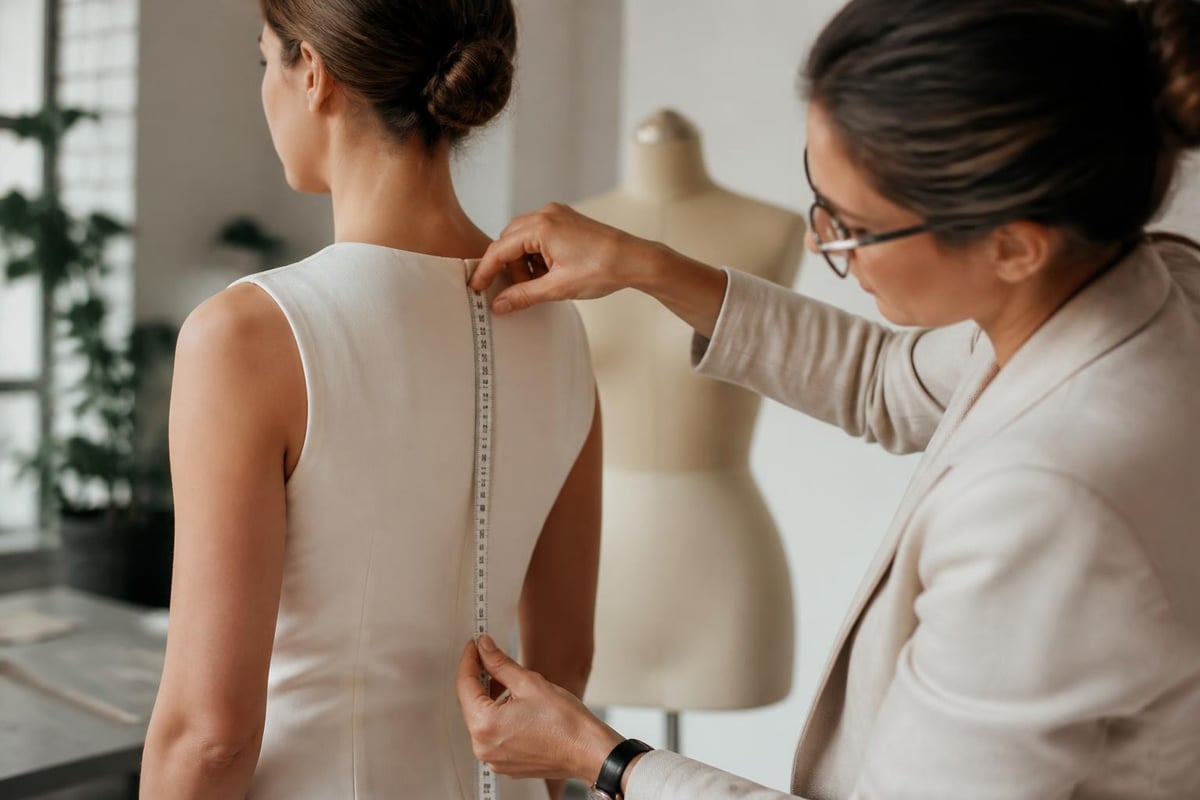
The measurement process in a house of tailor involves precision rarely found elsewhere. Tailors take multiple measurements across various body points, accounting for posture, shoulder slope, and individual proportions. This meticulous approach ensures garments drape correctly and allow comfortable movement throughout daily activities.
| Service Element | House of Tailor | Ready-Made Clothing |
|---|---|---|
| Measurements | 15-25+ individual points | Standard sizing (S, M, L, XL) |
| Sélection des tissus | Hundreds of options | Limited to available inventory |
| Personnalisation | Unlimited design possibilities | Fixed styles only |
| Fitting Sessions | 2-3 fittings minimum | Try on, take home |
| Adjustments | Included in service | Additional cost, if available |
The Bespoke Tailoring Process
Understanding bespoke tailoring helps clients appreciate why a house of tailor requires multiple appointments and adequate time for garment creation. The process cannot be rushed without compromising quality, making patience an essential ingredient in achieving exceptional results.
Initial Consultation and Fabric Selection
The journey begins with a comprehensive consultation where the tailor discusses the client's needs, preferences, and intended use for the garment. Whether creating business suits, casual wear, or formal attire, understanding the context ensures appropriate recommendations.
Fabric selection represents a critical decision point. A house of tailor typically maintains relationships with premium fabric suppliers, offering materials ranging from lightweight linens perfect for tropical climates to luxurious wools suitable for formal occasions. The tailor guides clients through options, explaining:
- Fabric weight and its suitability for different seasons
- Durability characteristics for regular versus occasional wear
- Care requirements including washing, dry cleaning, and maintenance
- Color and pattern coordination with existing wardrobe pieces
Precise Measurements and Pattern Creation
After selecting fabrics and finalizing design details, the measurement phase begins. Expert tailors understand that tailleur requires accuracy to create well-fitting garments. They measure not just dimensions but also account for asymmetries common in human bodies.
The house of tailor uses these measurements to create unique patterns specific to each client. Unlike standardized patterns used in mass production, bespoke patterns account for individual variations such as:
- Shoulder variations including height differences and slope angles
- Posture considerations affecting how garments hang and drape
- Body proportions ensuring balanced appearance across all areas
- Movement requirements allowing appropriate ease for comfort
- Personal preferences regarding fit tightness and style
First Fitting and Adjustments
The first fitting session occurs after the tailor creates a preliminary garment version, often called a "basted fitting." This allows the house of tailor to verify measurements, check proportions, and identify any adjustments needed before final construction.
During this appointment, clients try on the garment while the tailor examines how fabric drapes, where stress points occur, and whether the overall silhouette meets expectations. Common adjustments include:
- Shoulder width and slope modifications
- Sleeve length and armhole positioning
- Waist suppression or release for comfort
- Length adjustments for jackets, trousers, or skirts
- Collar fit and neck comfort
The tailor marks necessary changes directly on the garment, ensuring precise communication with the craftspeople who will implement modifications.
Quality Standards in a House of Tailor
Excellence in tailoring extends beyond taking accurate measurements. A distinguished house of tailor maintains rigorous quality standards throughout every stage of garment creation. These standards ensure consistency, durability, and aesthetic appeal in finished products.
Construction Techniques and Details
Professional tailors employ construction methods that enhance garment longevity and appearance. Hand-stitching certain elements, such as buttonholes and lapels, provides superior results compared to machine work alone. The house of tailor invests time in details that may seem minor but significantly impact overall quality.
Key construction elements include:
- Canvas construction in jackets providing shape and structure
- Hand-sewn buttonholes offering durability and refined appearance
- Proper interfacing supporting fabric without adding stiffness
- Finished seams preventing fraying and ensuring longevity
- Reinforced stress points at pockets, buttons, and closure areas
The final fitting confirms that all adjustments achieve desired results. Clients examine the completed garment, checking fit, appearance, and comfort. A reputable house of tailor makes final tweaks if needed, ensuring complete satisfaction before delivery.
Fabric Quality and Sourcing
The materials used by a house of tailor directly influence garment quality, comfort, and longevity. Establishing relationships with renowned fabric mills enables access to superior textiles that meet professional standards. Premium fabrics feature tighter weaves, better dye retention, and enhanced durability compared to lower-grade alternatives.
| Type de tissu | Characteristics | Best Applications |
|---|---|---|
| Tropical Wool | Lightweight, breathable, wrinkle-resistant | Suits for warm climates |
| Super 150s Wool | Luxurious feel, smooth finish, formal appearance | Special occasion suits |
| Lin | Natural fiber, excellent breathability, casual texture | Summer shirts, casual jackets |
| Cotton Blends | Comfortable, easy care, versatile | Dress shirts, casual wear |
| Soie | Lustrous finish, elegant drape, premium feel | Formal shirts, accessories |
Choosing the Right House of Tailor
Selecting a house of tailor requires research and consideration of several factors. Not all tailoring establishments offer equivalent expertise, service levels, or value. Understanding what to evaluate helps ensure a positive experience and satisfactory results.
Experience and Expertise
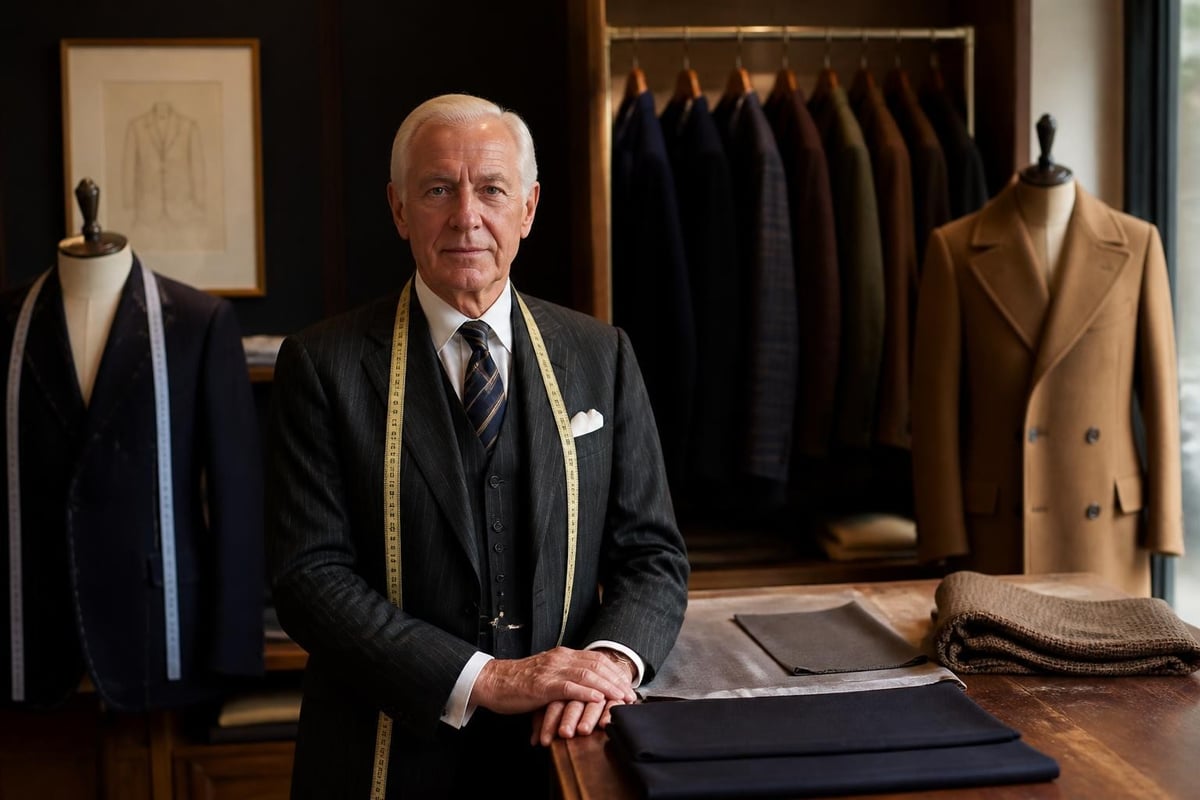
The number of years a house of tailor has operated often indicates accumulated knowledge and refined skills. Establishments with decades of experience have encountered diverse body types, style preferences, and garment challenges, developing solutions that newer businesses may lack.
Alex’s Fashion demonstrates this principle, with over 30 years of experience creating bespoke clothing for men, women, and children. This longevity reflects consistent quality, customer satisfaction, and adaptation to evolving fashion trends while maintaining traditional craftsmanship standards.
Gamme de services offerts
A comprehensive house of tailor provides solutions for complete wardrobe needs rather than specializing in limited garment types. This versatility demonstrates broader expertise and offers clients convenience through a single trusted source.
Essential services should include:
- Custom suits tailored to professional and formal requirements
- Dress shirts created with precise collar, sleeve, and fit specifications
- Casual wear including trousers, jackets, and shirts for everyday use
- Women's clothing with understanding of different fit requirements and styles
- Modifications for existing garments needing adjustments or repairs
Service à la clientèle et communication
The relationship between a house of tailor and its clients extends beyond transactions. Professional tailors invest time understanding preferences, providing honest recommendations, and ensuring clear communication throughout the process. This personalized attention creates trust and facilitates better outcomes.
Evaluating customer reviews and testimonials provides insight into service quality. Resources like the Better Business Bureau offer independent verification of business practices and customer satisfaction levels.
The Value Proposition of Bespoke Tailoring
Investing in a house of tailor represents a different value calculation than purchasing ready-made clothing. While initial costs may appear higher, the long-term benefits often justify the investment through superior fit, enhanced durability, and personalized style.
Perfect Fit and Comfort
Ready-made clothing manufacturers use standardized sizing that accommodates average body proportions. Individuals who deviate from these averages struggle to find well-fitting garments off the rack. A house of tailor eliminates this frustration by creating clothes specifically for each client's unique measurements.
The comfort advantages extend beyond initial wear. Properly fitted garments move naturally with the body, avoid restriction or binding, and maintain their appearance throughout the day. This comfort enhancement proves particularly valuable for professional attire worn during long workdays.
Longevity and Cost Per Wear
Quality construction and premium fabrics contribute to garment longevity. A suit from a reputable house of tailor typically lasts years longer than mass-produced alternatives, maintaining appearance and structural integrity through regular wear and proper care.
When calculating cost per wear over a garment's lifetime, bespoke pieces often prove more economical than repeatedly replacing cheaper alternatives. This financial advantage combines with reduced environmental impact through decreased consumption and waste.
Personal Style Expression
The house of tailor enables complete customization, allowing clients to express individual style preferences rather than conforming to available retail options. Every design element becomes a choice, from lapel width and button style to pocket configurations and lining fabrics.
This personalization extends to practical considerations as well. Clients who need specific features, such as additional pockets for essential items or particular closure mechanisms for ease of use, can incorporate these elements into custom garments.
Maintaining Your Tailored Wardrobe
Proper care ensures tailored garments from a house of tailor maintain their quality and appearance for years. Understanding appropriate maintenance practices protects your investment and maximizes garment longevity.
Meilleures pratiques de nettoyage et de stockage
Different fabrics require specific care approaches. The house of tailor provides guidance on maintaining each garment based on its construction and materials:
- Wool suits benefit from professional dry cleaning only when necessary, with regular brushing and airing between wears
- Dress shirts should be laundered according to fabric specifications, with proper pressing to maintain crisp appearance
- Linen garments accept natural wrinkling as characteristic texture, requiring gentle washing and appropriate ironing
- Silk items demand careful handling, often requiring hand washing or specialized dry cleaning
Proper storage protects tailored clothing from damage. Quality hangers that support garment weight and maintain shape prove essential, particularly for structured jackets and suits.
When to Return for Adjustments
Bodies change over time due to weight fluctuations, aging, and lifestyle modifications. A reliable house of tailor welcomes clients returning for alterations that accommodate these changes, extending garment wearability.
Minor adjustments typically involve:
- Waist modifications to account for weight changes
- Hem adjustments for trousers or skirts
- Sleeve length changes based on preference shifts
- Button repositioning for improved comfort or appearance
Regular maintenance visits help identify small issues before they become significant problems, preserving garment quality through preventive care.
The Future of the House of Tailor
Traditional craftsmanship continues evolving while maintaining core principles that define quality tailoring. Modern houses of tailor integrate technology for measurements and client management while preserving hand-crafted techniques that machine processes cannot replicate.
Balancing Tradition and Innovation
Successful tailoring businesses honor traditional methods while embracing beneficial innovations. Digital measurement tools enhance accuracy, online consultations expand accessibility, and improved fabric technologies offer enhanced performance characteristics.
However, the fundamental relationship between tailor and client remains unchanged. Personal interaction, expert guidance, and meticulous craftsmanship continue defining the house of tailor experience regardless of technological advances.
Sustainability and Conscious Consumption
Growing awareness of fashion industry environmental impacts positions bespoke tailoring as a sustainable alternative to fast fashion. The house of tailor creates durable garments designed for years of wear, reducing consumption frequency and associated waste.
Custom clothing also eliminates production waste from unsold inventory and minimizes excess materials through precise cutting and efficient fabric use. This alignment with sustainability values attracts environmentally conscious consumers seeking responsible alternatives.
The house of tailor tradition offers unparalleled value through personalized service, expert craftsmanship, and garments that fit perfectly while expressing individual style. Understanding the bespoke process, quality standards, and long-term benefits helps customers make informed decisions about their wardrobe investments. Whether you need professional business attire, elegant formal wear, or comfortable everyday clothing, Alex’s Fashion brings over three decades of tailoring expertise to every garment, ensuring your complete satisfaction with clothing crafted specifically for you.