
 FR
FR  EN
EN  DE
DE  TH
TH 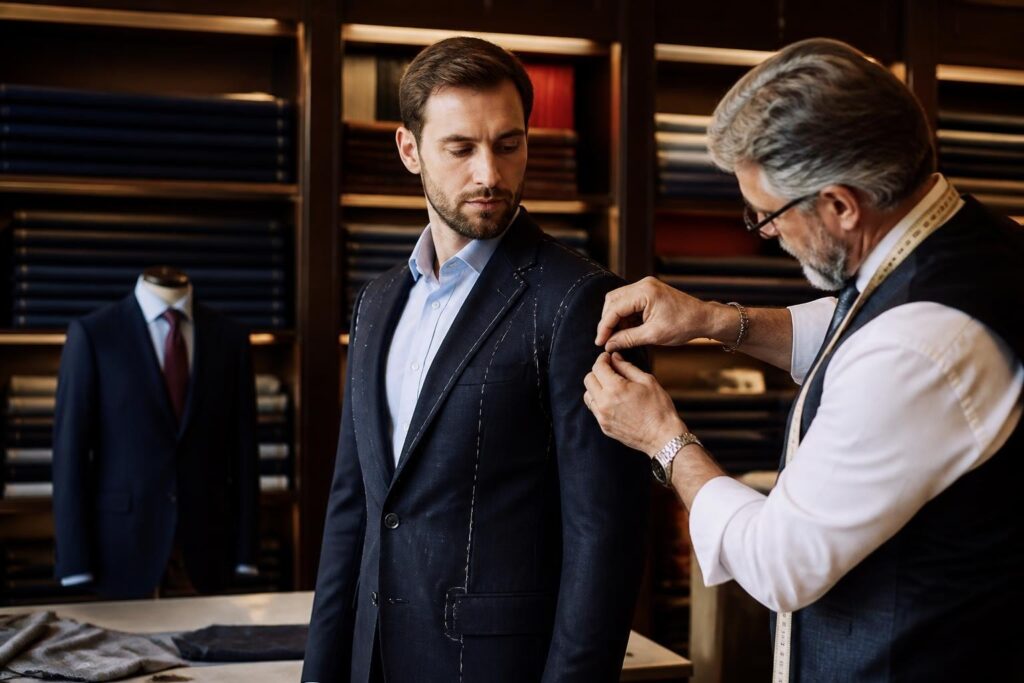
Understanding the cost for tailoring a suit requires knowledge of various factors that influence pricing, from the type of customization you choose to the quality of materials and expertise involved. Whether you're investing in a completely bespoke garment or making alterations to an existing suit, knowing what to expect financially helps you make informed decisions about your wardrobe investment. The tailoring industry offers a spectrum of options, each with distinct price points that reflect the level of personalization, craftsmanship, and time dedicated to creating your perfect fit.
Types of Suit Tailoring and Their Price Ranges
The cost for tailoring a suit varies significantly based on the level of customization you select. Three primary categories exist in the tailoring world, each offering different benefits and price structures.
Off-the-Rack Alterations
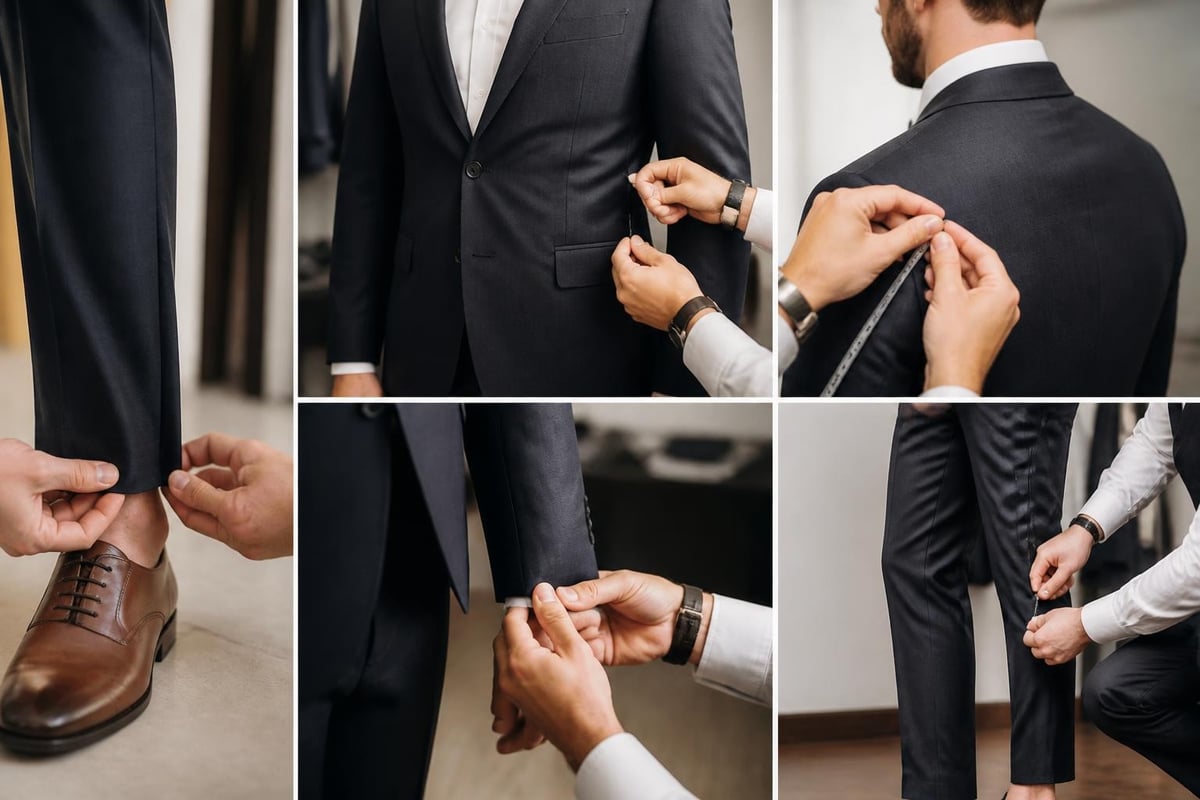
When you purchase a ready-made suit from a retail store, alterations transform a standard garment into something that fits your body better. Basic alterations typically include:
- Hemming trousers (shortening or adding a break)
- Taking in or letting out the jacket waist
- Adjusting sleeve length
- Tapering pants legs
Standard alteration packages usually range from $50 to $200, depending on the complexity and number of adjustments needed. Simple hemming might cost $15 to $30, while comprehensive alterations involving multiple adjustments can reach $300 or more. According to common suit alteration costs, prices fluctuate based on geographic location and tailor expertise.
Made-to-Measure Suits
Made-to-measure represents the middle ground between off-the-rack and fully bespoke tailoring. This approach starts with a pre-existing pattern that tailors adjust to your measurements.
| Fonctionnalité | Details | Price Impact |
|---|---|---|
| Base Pattern | Standard template modified to fit | Lower labor costs |
| Personnalisation | Limited to measurements and some design choices | Moderate pricing |
| Sélection des tissus | Good quality options available | $500-$2,000 range |
| Fitting Sessions | Typically 1-2 sessions | Reduced time investment |
The cost for tailoring a suit using the made-to-measure method typically ranges from $500 to $2,000. This option provides significantly better fit than off-the-rack while remaining more affordable than bespoke services.
Tailleurs sur mesure
Bespoke tailoring represents the pinnacle of suit construction. Every element is created specifically for you, starting from a unique pattern drafted to your exact measurements and body shape. At Alex’s Fashion, over 30 years of experience goes into each bespoke creation.
The bespoke process involves:
- Initial consultation to discuss style preferences and fabric selection
- Comprehensive measurement taking (25-35 distinct measurements)
- Pattern creation from scratch
- First fitting with basted garment
- Adjustments and refinements
- Second fitting for final tweaks
- Completion and delivery
Bespoke suits generally start at $1,500 and can exceed $10,000 for luxury fabrics and complex designs. The differences between tailored suit categories highlight why bespoke commands premium pricing.
Factors That Influence Tailoring Costs
Multiple variables affect the final price you'll pay for suit tailoring services. Understanding these elements helps you budget appropriately and make choices aligned with your priorities.
Fabric Quality and Origin
Fabric represents one of the most significant cost drivers in suit tailoring. Premium materials command higher prices due to their superior qualities.
Fabric categories include:
- Super 100s-120s wool: Entry-level quality ($400-$800 suit range)
- Super 150s-180s wool: Mid-range luxury ($1,000-$2,500)
- Cashmere blends: Premium comfort ($2,000-$4,000)
- Exotic materials: Silk, vicuña, or rare blends ($3,000+)
World-class fabrics from renowned mills like Loro Piana, Scabal, or Holland & Sherry significantly increase the cost for tailoring a suit. These materials offer exceptional durability, appearance, and comfort that justify their premium pricing.
Complexity of Design
Simple, classic suit designs cost less than garments featuring intricate details. Each additional element requires more time, skill, and materials.
| Design Element | Cost Addition | Time Required |
|---|---|---|
| Working buttonholes | $50-$150 | 2-4 hours |
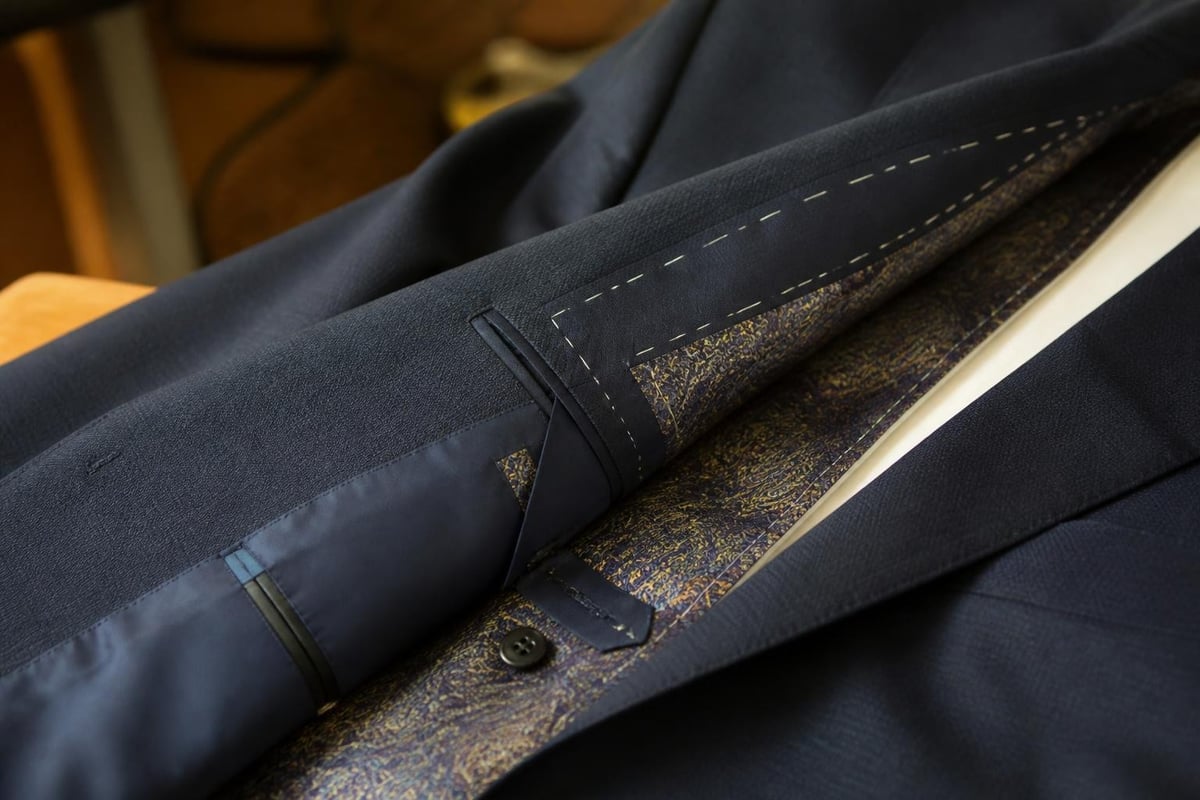
| Hand-stitched lapels | $200-$400 | 6-10 hours |
| Custom lining | $75-$200 | 1-3 hours |
| Contrasting details | $100-$300 | 3-5 hours |
Three-piece suits naturally cost more than two-piece configurations due to the additional waistcoat. Requesting unique features like ticket pockets, surgeon's cuffs, or custom embroidery adds to both materials and labor expenses.
Geographic Location
Location dramatically impacts tailoring prices. Urban centers with higher operating costs typically charge more than smaller towns or international destinations.
Thailand's bespoke tailoring industry, particularly in areas like Ao Nang, Krabi, offers exceptional value compared to Western countries. The same quality bespoke suit that costs $3,000-$5,000 in New York or London might be available for $800-$2,000 in Thailand, without compromising craftsmanship or fabric quality. This price advantage makes destinations like Alex's Fashion attractive to both local clients and international visitors seeking quality at competitive prices.
Tailor Experience and Reputation
Established tailors with decades of experience command premium rates reflecting their expertise, reputation, and consistent quality. According to insights on factors influencing tailoring costs, master tailors invest years developing their craft, and this expertise directly correlates with pricing.
Common Alterations and Their Individual Costs
Understanding specific alteration prices helps you budget when adjusting existing suits or planning modifications to custom garments.
Jacket Alterations
Jacket modifications range from simple to complex, with costs reflecting the technical difficulty and time investment required.
- Sleeve shortening: $20-$40 (simple hem at cuff)
- Sleeve shortening from shoulder: $60-$100 (maintains button placement)
- Taking in sides: $40-$80
- Shortening jacket length: $60-$100
- Shoulder adjustments: $100-$200 (highly complex)
The comprehensive breakdown of suit alteration costs emphasizes that shoulder work represents the most challenging and expensive modification due to the garment's construction.
Trouser Alterations
Pant modifications typically cost less than jacket work but remain essential for achieving proper fit.
- Hemming: $15-$30
- Waist adjustment: $20-$50
- Seat adjustment: $30-$60
- Tapering legs: $25-$50
- Adding cuffs: $20-$35
Some alterations have limitations. Trousers can typically be let out only if extra fabric exists in the seams, while taking in usually poses fewer constraints.
Full Suit Adjustments
When multiple alterations are needed, tailors often offer package pricing that provides better value than individual service costs combined. A comprehensive suit adjustment addressing jacket sleeves, body fit, and trouser hemming might cost $150-$300 as a package versus $200-$400 for separate services.
How to Choose the Right Tailor for Your Budget
Selecting a tailor involves balancing cost considerations with quality expectations. Several strategies help you maximize value regardless of your budget level.
Research and Reviews
Before committing to a tailor, investigate their reputation through online reviews, portfolio viewing, and client testimonials. Established businesses with transparent pricing and satisfied customers indicate reliability.
Key questions to ask:
- How long have they been in business?
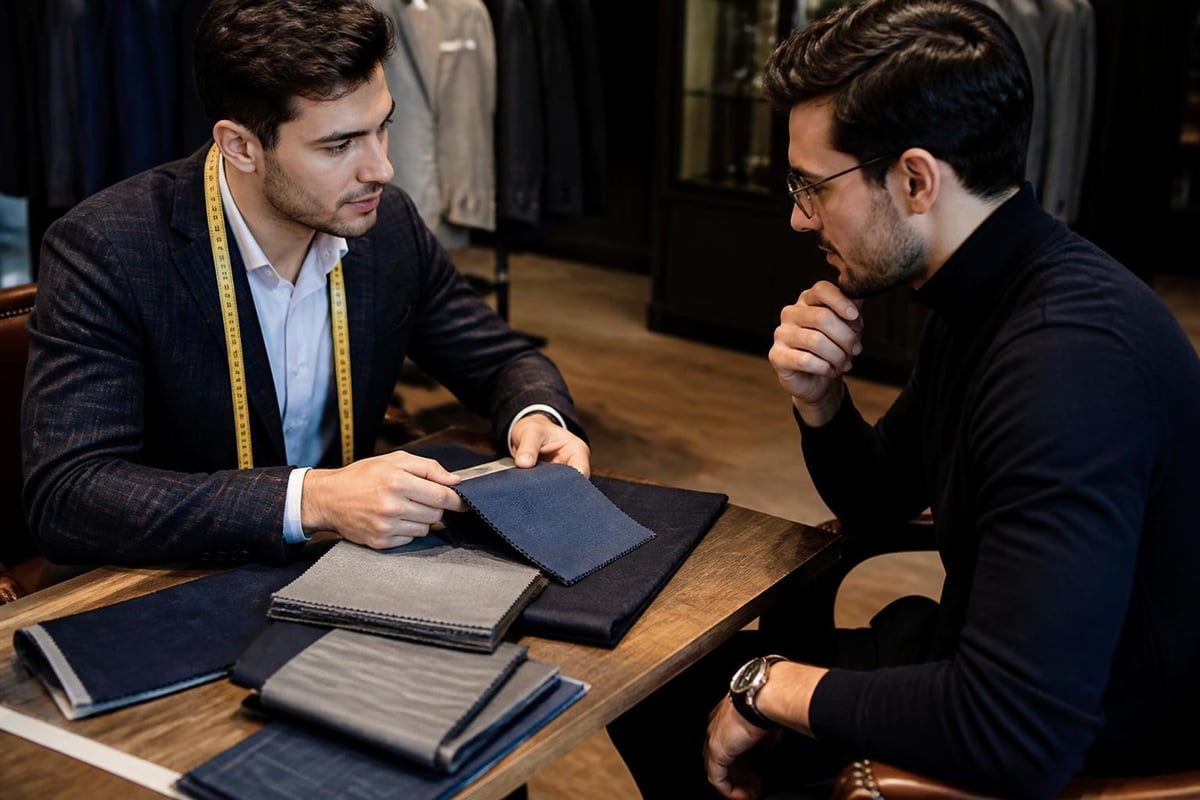
- Can they provide fabric samples and pricing tiers?
- What does their fitting process involve?
- Do they offer guarantees or adjustment policies?
Understanding Value Versus Price
The lowest price doesn't always represent the best value. A poorly fitted $500 suit that requires additional alterations or wears quickly ultimately costs more than a well-constructed $1,200 garment that lasts years.
Consider the cost per wear when evaluating tailoring investments. A bespoke suit worn 100 times over several years at $2,000 total cost equals $20 per wear, representing excellent value for quality formal attire.
Timing Your Purchase
Strategic timing can reduce the cost for tailoring a suit. Many tailors offer promotional periods during slower seasons or provide package deals for multiple garments.
Planning ahead rather than rushing a last-minute order also prevents premium rush fees. Most quality bespoke suits require 4-6 weeks for completion, though expedited services are available at additional cost.
Investment Considerations for Custom Suits
When evaluating the cost for tailoring a suit, consider the long-term benefits of custom garments versus ready-made alternatives.
Longevity and Durability
Quality tailored suits, particularly bespoke garments using premium materials, significantly outlast off-the-rack options. Hand-stitching, canvas construction, and superior fabrics mean these suits can last 10-20 years with proper care.
| Suit Type | Expected Lifespan | Cost Per Year (Example) |
|---|---|---|
| Off-the-rack budget | 2-3 years | $200 ÷ 2 = $100 |
| Off-the-rack quality | 4-6 years | $600 ÷ 5 = $120 |
| Made-to-measure | 7-10 years | $1,200 ÷ 8 = $150 |
| Bespoke | 15-20 years | $2,500 ÷ 17 = $147 |
This analysis from detailed pricing breakdowns demonstrates that higher initial investment often provides comparable or better annual value.
Professional Image Impact
For business professionals, a well-fitted suit significantly impacts first impressions and credibility. The confidence boost and positive reception from properly tailored clothing can influence career advancement and business opportunities.
Versatility and Customization
Custom suits offer personalization impossible with ready-made garments. Selecting fabrics, linings, button styles, and design details creates unique pieces that reflect personal style while maintaining professional appropriateness.
Special Considerations for Different Occasions
The cost for tailoring a suit varies based on intended use and formality requirements.
Business Suits
Professional workplace suits benefit from classic, conservative styling that remains appropriate across years. Investing in quality basics in navy, charcoal, or gray provides maximum versatility.
Recommended budget allocation:
- First business suit: $800-$1,500 (made-to-measure or entry bespoke)
- Additional suits: $600-$1,200 each
- Alterations for fit refinement: $100-$200 per suit
Wedding and Formal Events
Special occasion suits justify higher investment due to their importance and photographic permanence. Wedding suits particularly benefit from bespoke tailoring ensuring perfect fit for this memorable day.
Grooms often coordinate with their wedding party, potentially negotiating group pricing with tailors. Some tailoring businesses offer package deals for multiple suits ordered simultaneously.
Travel Suits
For frequent travelers, wrinkle-resistant fabrics and versatile styling maximize utility. These suits might prioritize fabric performance over luxury materials, potentially reducing overall costs while maintaining quality construction.
Maintenance Costs and Long-Term Ownership
Beyond initial purchase, ongoing maintenance affects total ownership costs for tailored suits.
Cleaning and Care
Professional dry cleaning for suits typically costs $15-$30 per cleaning. However, suits shouldn't be cleaned after every wear. Proper care includes:
- Brushing after each use
- Hanging on quality wooden hangers
- Allowing 24-48 hours rest between wears
- Professional cleaning only when visibly soiled or after 4-5 wears
Minor Repairs and Adjustments
Even quality suits occasionally need minor repairs. Button replacement costs $5-$15, small tears $20-$40, and lining repairs $50-$100. According to common tailoring service costs, establishing a relationship with your tailor often results in complimentary minor fixes or preferred customer pricing.
Body Changes
Weight fluctuations may necessitate alterations. Bespoke and made-to-measure suits typically include more seam allowance, providing flexibility for minor adjustments without complete reconstruction.
Maximizing Your Tailoring Investment
Strategic approaches help you achieve excellent results regardless of budget constraints.
Building a Wardrobe Progressively
Rather than purchasing multiple lower-quality suits simultaneously, invest in one excellent suit first, then add pieces gradually. This approach ensures each garment receives appropriate budget allocation.
Seasonal Fabric Choices
Selecting versatile, year-round fabrics for initial suits maximizes wearing opportunities. Tropical wool and lightweight blends work across three seasons in most climates, providing better cost-per-wear ratios than specialty seasonal fabrics.
Communication with Your Tailor
Clear communication about budget, expectations, and intended use helps tailors recommend appropriate options. Experienced tailors can suggest fabric alternatives or design simplifications that maintain quality while respecting budget parameters.
Professional tailors like those at Alex’s Fashion bring decades of experience helping clients balance quality aspirations with practical budget considerations, ensuring satisfaction regardless of price point selected.
Understanding the cost for tailoring a suit empowers you to make informed decisions about this important wardrobe investment, whether you're seeking basic alterations or complete bespoke creation. The team at Alex’s Fashion combines over 30 years of tailoring expertise with world-class fabrics to deliver exceptional value for men, women, and children in Ao Nang, Krabi, creating garments that reflect your personal style while ensuring perfect fit and lasting quality.