
 EN
EN  FR
FR  DE
DE  TH
TH 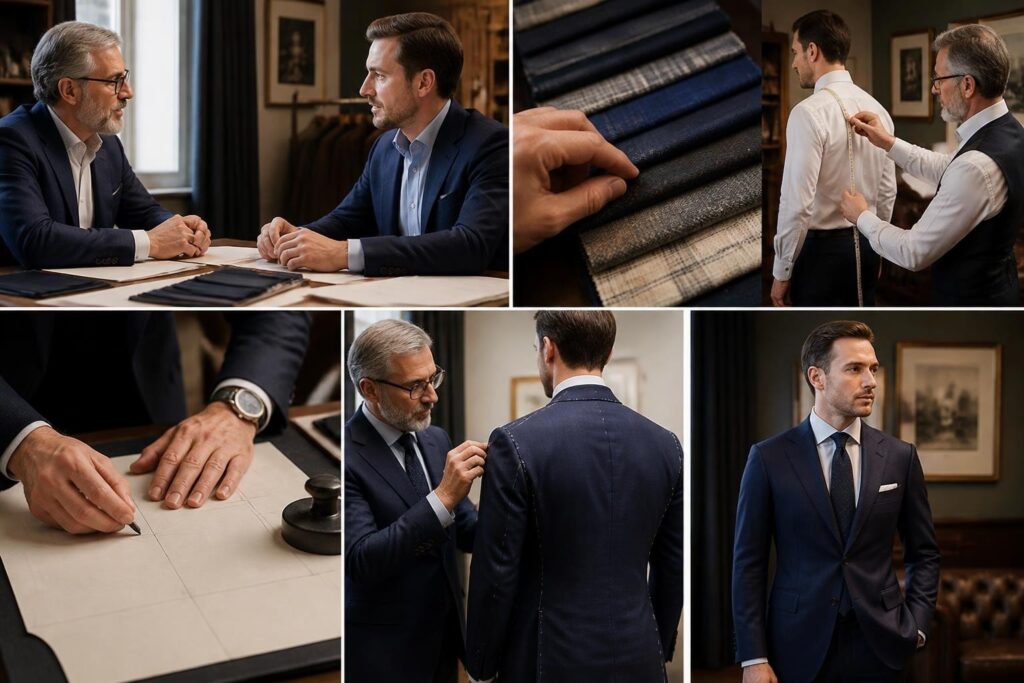
The art of bespoke tailoring represents one of the most refined expressions of craftsmanship in the fashion industry. A skilled fashion tailor transforms individual measurements, fabric selections, and personal preferences into perfectly fitted garments that reflect both style and personality. As mass-produced clothing continues to dominate retail markets, the value of custom-made pieces has experienced a remarkable resurgence, with discerning customers seeking garments that offer superior fit, quality, and individuality.
Understanding the Role of a Fashion Tailor
A fashion tailor serves as both artisan and consultant, combining technical expertise with creative vision to produce clothing that exceeds standard ready-to-wear options. This professional possesses comprehensive knowledge of garment construction, fabric properties, body measurements, and current style trends. The relationship between tailor and client extends beyond simple transactions, developing into partnerships built on trust, communication, and shared aesthetic goals.
Core Competencies and Skills
The foundation of exceptional tailoring rests on multiple specialized abilities:
- Pattern making and alterations requiring spatial reasoning and mathematical precision
- Fabric selection expertise encompassing texture, drape, weight, and durability considerations
- Hand-stitching techniques passed down through generations of craftspeople
- Fitting assessment to identify and correct issues with garment structure
- Style consultation balancing client preferences with flattering silhouettes
These competencies develop over years of dedicated practice and continuous learning. According to historical records of tailoring, the profession has evolved significantly since medieval times, yet fundamental principles of measurement accuracy and construction quality remain unchanged.
The Bespoke Tailoring Process
Creating custom garments requires systematic attention to detail across multiple stages. Each phase contributes to the final product's quality and ensures client satisfaction throughout the experience.
Initial Consultation and Design
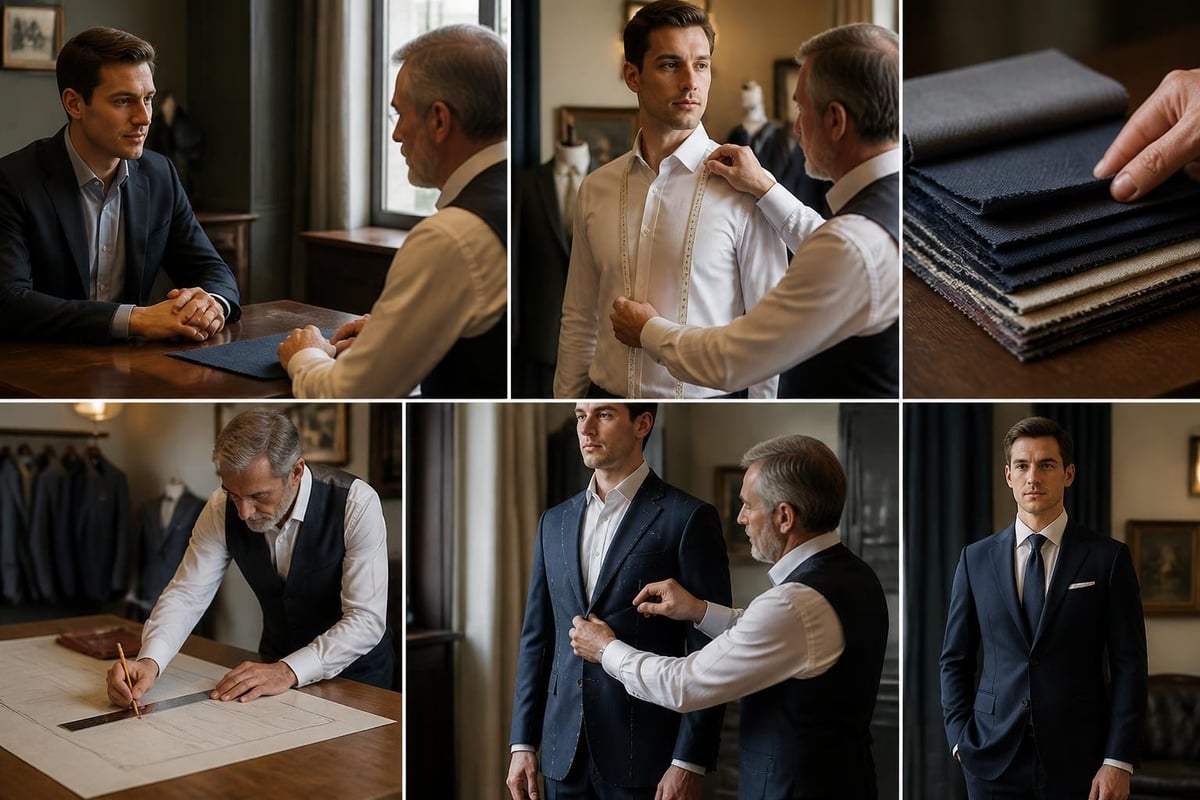
The journey begins with comprehensive discussion between fashion tailor and client. During this meeting, the tailor assesses requirements, discusses style preferences, reviews fabric options, and establishes realistic timelines. This conversation establishes clear expectations and allows the tailor to understand the client's lifestyle, occasions for wearing the garment, and personal taste.
Professional tailors maintain extensive fabric libraries featuring materials sourced from reputable mills worldwide. Clients examine swatches, feel textures, and consider how different fabrics perform in various climates. For businesses operating in tropical locations like Krabi, Thailand, fabric breathability and moisture-wicking properties become particularly important considerations.
Measurement and Pattern Creation
Precision measurement distinguishes bespoke tailoring from off-the-rack alternatives. A skilled fashion tailor records dozens of measurements, accounting for posture variations, shoulder slopes, and asymmetries present in every human body. These measurements form the blueprint for pattern creation.
| Measurement Type | Purpose | Impact on Fit |
|---|---|---|
| Chest/Bust | Overall garment width | Comfort and movement |
| Shoulder width | Armhole placement | Natural drape and balance |
| Sleeve length | Arm coverage | Proper proportion |
| Waist/Hip | Garment shaping | Flattering silhouette |
| Inseam | Trouser length | Professional appearance |
Pattern drafting translates these measurements into paper templates that guide fabric cutting. Experienced tailors adjust patterns based on fabric characteristics and intended garment style, compensating for stretch, shrinkage, and drape variations.
Cutting, Construction, and Fitting
After pattern finalization, the fashion tailor carefully cuts fabric pieces, respecting grain lines and pattern matching requirements. Construction begins with basting stitches that temporarily hold pieces together for initial fitting sessions.
Multiple fittings allow progressive refinement. The first fitting reveals major adjustments needed in overall shape and proportion. Subsequent fittings address finer details like sleeve pitch, collar stand, and hem length. This iterative process ensures the finished garment conforms perfectly to the client's body.
Current Trends Shaping Fashion Tailoring
The tailoring industry experiences dynamic evolution driven by changing consumer preferences, technological advancement, and sustainability concerns. Recent tailoring industry statistics reveal significant growth in custom clothing demand, particularly among younger demographics seeking unique, high-quality pieces.
Sustainability and Ethical Production
Environmental consciousness increasingly influences fashion tailor practices. Clients now prioritize:
- Locally sourced and organic fabrics reducing environmental impact
- Made-to-order production eliminating excess inventory waste
- Timeless designs promoting longevity over fast fashion trends
- Repair and alteration services extending garment lifespans
The shift toward sustainable practices aligns naturally with bespoke tailoring's inherent values. Custom garments, crafted with superior materials and construction, typically outlast mass-produced alternatives by years or decades.
Technology Integration
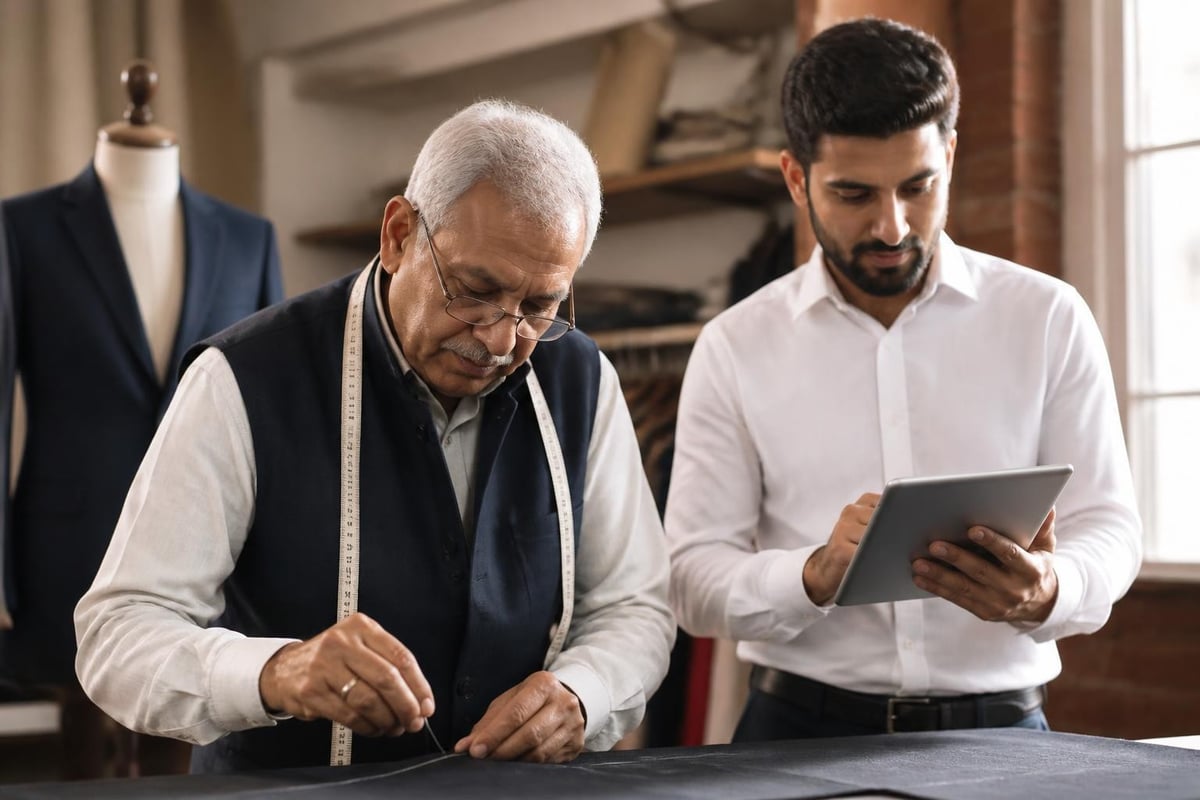
Modern trends in tailoring demonstrate how technology enhances traditional craftsmanship without replacing human expertise. Digital measurement tools improve accuracy, while computer-aided design software streamlines pattern creation. However, the fashion tailor's trained eye and experienced hands remain irreplaceable for achieving perfect fit and finish.
Choosing Between Bespoke and Ready-to-Wear
Understanding the distinctions between custom tailoring and standard retail options helps consumers make informed wardrobe investments. Each approach offers specific advantages depending on individual needs, budget considerations, and quality expectations.
Value Proposition Comparison
| Factor | Bespoke Tailoring | Ready-to-Wear |
|---|---|---|
| Fit precision | Exact body measurements | Standardized sizing |
| Fabric quality | Premium materials selected individually | Variable quality levels |
| Construction method | Hand-stitching and detailed finishing | Machine production |
| Customization options | Unlimited style possibilities | Limited to available stock |
| Price point | Higher initial investment | Lower upfront cost |
| Longevity | Years to decades with proper care | Shorter typical lifespan |
The cost differential reflects the time investment, skill level, and material quality involved in custom creation. A fashion tailor dedicates hours to each garment, ensuring every detail meets exacting standards.
When Custom Tailoring Makes Sense
Certain situations particularly benefit from bespoke services:
- Special occasions requiring formal attire that projects sophistication
- Professional wardrobes where appearance impacts career advancement
- Fit challenges with standard sizes due to body proportions
- Unique style preferences not available in retail markets
- Wardrobe investment prioritizing quality over quantity
The resurgence of tailoring reflects growing recognition that well-fitted, quality garments enhance confidence and make lasting impressions in both professional and social contexts.
Building Relationships with Your Fashion Tailor
Successful tailoring partnerships develop through clear communication, mutual respect, and realistic expectations. Clients who invest time in finding the right tailor and nurturing that relationship enjoy superior results and satisfying experiences.
Effective Communication Strategies
Articulating preferences clearly helps fashion tailors deliver desired outcomes. Bringing reference images, discussing lifestyle needs, and providing honest feedback during fittings all contribute to better final products. Experienced tailors appreciate clients who engage actively in the creative process while trusting professional guidance on technical matters.
Transparency about budget constraints allows tailors to recommend appropriate fabric choices and design elements that maximize value. Rather than viewing cost as a barrier, consider it an investment in quality pieces that serve your wardrobe for years.
Maintenance and Care
Preserving custom garments requires proper handling and storage. Your fashion tailor can provide specific care instructions based on fabric composition and construction methods. Regular professional cleaning, appropriate storage conditions, and prompt repair of minor issues extend garment lifespan significantly.
The Future of Fashion Tailoring
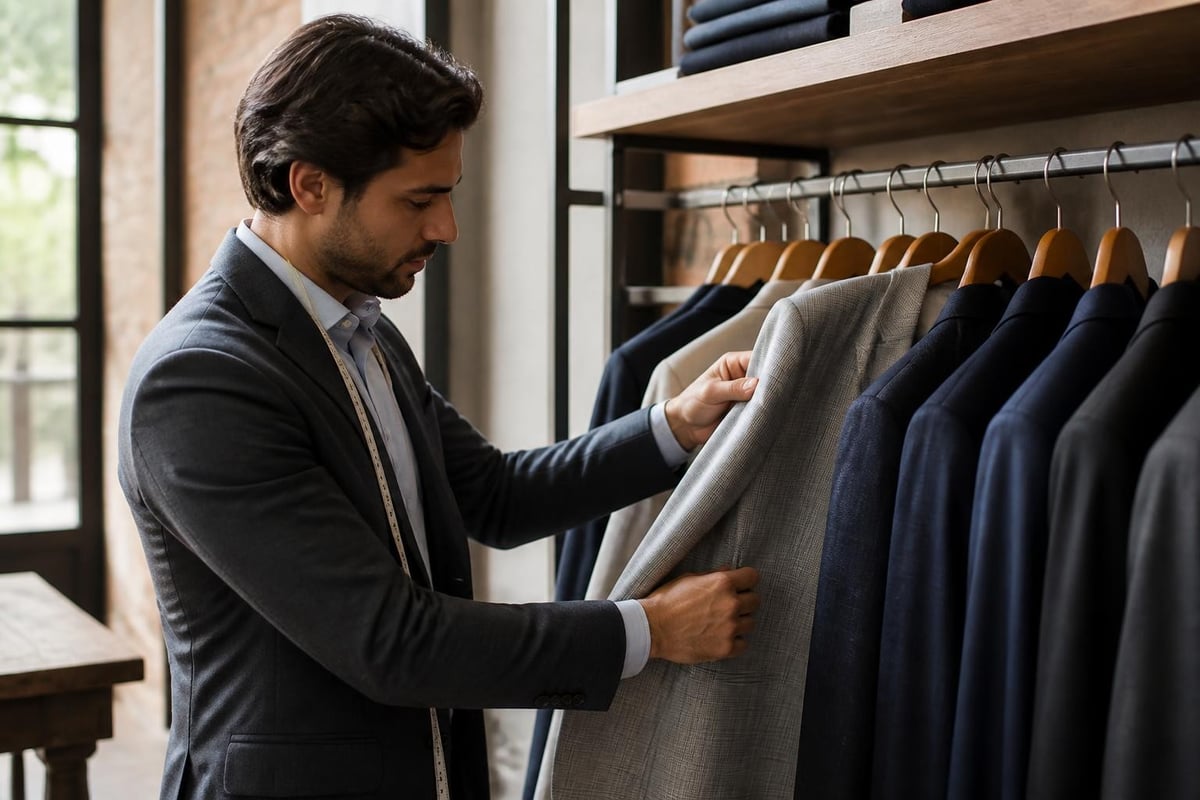
Industry projections indicate continued growth for custom tailoring services as consumers increasingly value personalization, quality, and sustainability. Generation Z’s preference for made-to-measure fashion signals shifting priorities that favor individual expression over mass-market conformity.
Adapting to Market Changes
Forward-thinking fashion tailors embrace evolving consumer expectations while maintaining traditional craftsmanship standards. This balance requires:
- Expanding service offerings to include alterations, repairs, and wardrobe consultations
- Diversifying product lines beyond suits to casual wear and occasion-specific pieces
- Enhancing customer experience through convenient scheduling and transparent pricing
- Building online presence while maintaining personal service quality
Industry growth reports confirm that tailoring and alteration services experience revitalization as consumers recognize the value of personalized fit and style.
Addressing Workforce Challenges
The tailoring profession faces workforce shortages as experienced craftspeople retire faster than new talent enters the field. This challenge creates opportunities for businesses that invest in training programs and apprenticeships, preserving essential skills while adapting techniques for contemporary markets.
Selecting Quality Fabrics and Materials
Fabric selection dramatically impacts the finished garment's appearance, comfort, and durability. A knowledgeable fashion tailor guides clients through options that balance aesthetic preferences with practical considerations like climate, care requirements, and intended use.
Natural Versus Synthetic Fibers
Understanding fiber properties helps clients make informed choices:
Natural fibers including wool, cotton, linen, and silk offer breathability, comfort, and classic appearance. These materials typically age gracefully, developing character over time. However, they may require more careful maintenance and prove less resistant to wrinkles than synthetic alternatives.
Synthetic and blended fabrics provide enhanced durability, wrinkle resistance, and easier care. Modern blends often combine natural fiber aesthetics with synthetic fiber practicality, offering excellent performance for travelers and active professionals.
Climate Considerations
Tropical environments like Krabi, Thailand demand fabrics that perform well in heat and humidity. Lightweight wools, tropical-weight worsteds, linen blends, and moisture-wicking materials provide comfort without sacrificing sophistication. Your fashion tailor's local knowledge proves invaluable when selecting appropriate materials for regional conditions.
Specialty Tailoring Services
Beyond creating new garments, comprehensive tailoring businesses offer additional services that maintain and enhance existing wardrobes. These capabilities demonstrate the versatility and skill that distinguish true craftsmanship.
Alterations and Repairs
Even well-made ready-to-wear pieces benefit from professional fitting adjustments. Common alteration services include:
- Hemming trousers and skirts to perfect lengths
- Taking in or letting out seams for weight fluctuations
- Shortening or lengthening sleeves
- Adjusting waistbands for comfortable fit
- Replacing buttons, zippers, and other hardware
Skilled repairs can restore damaged garments to serviceable condition, extending their useful life and preserving sentimental or investment pieces.
Wardrobe Consultation
Experienced fashion tailors often provide styling advice that helps clients build cohesive, versatile wardrobes. This service includes assessing current pieces, identifying gaps, recommending additions, and suggesting combinations that maximize outfit possibilities. Such consultations prove particularly valuable for professionals establishing or updating their work wardrobes.
Custom Tailoring for All Ages and Genders
Modern tailoring businesses recognize that everyone deserves well-fitted, quality clothing regardless of age or gender. Progressive fashion tailors create custom pieces for men, women, and children, adapting techniques and styles to suit diverse needs and preferences.
Children's Custom Clothing
While children outgrow garments quickly, special occasions often warrant custom pieces that photograph beautifully and provide superior comfort. Tailored clothing for weddings, graduations, and formal events creates lasting memories while introducing young people to quality craftsmanship. Experienced tailors account for growth patterns when constructing children's garments, potentially incorporating adjustment features that extend wearability.
Gender-Inclusive Tailoring
Contemporary fashion increasingly embraces fluidity and individual expression. Skilled fashion tailors approach each client without assumptions, focusing on desired aesthetics, preferred fit characteristics, and personal comfort. This inclusive approach expands creative possibilities and ensures all clients receive garments that align with their authentic style.
Understanding the craftsmanship, process, and value proposition of bespoke tailoring empowers consumers to make informed wardrobe investments that deliver lasting satisfaction. Whether you're seeking formal attire for special occasions, building a professional wardrobe, or simply desiring garments that fit perfectly and reflect your personal style, working with an experienced fashion tailor transforms the clothing experience. Alex’s Fashion brings over three decades of tailoring expertise to clients in Ao Nang, Krabi, offering custom-made clothing for men, women, and children crafted from world-class fabrics with meticulous attention to detail. Experience the difference that true bespoke craftsmanship makes in your wardrobe.