
 DE
DE  EN
EN  FR
FR  TH
TH 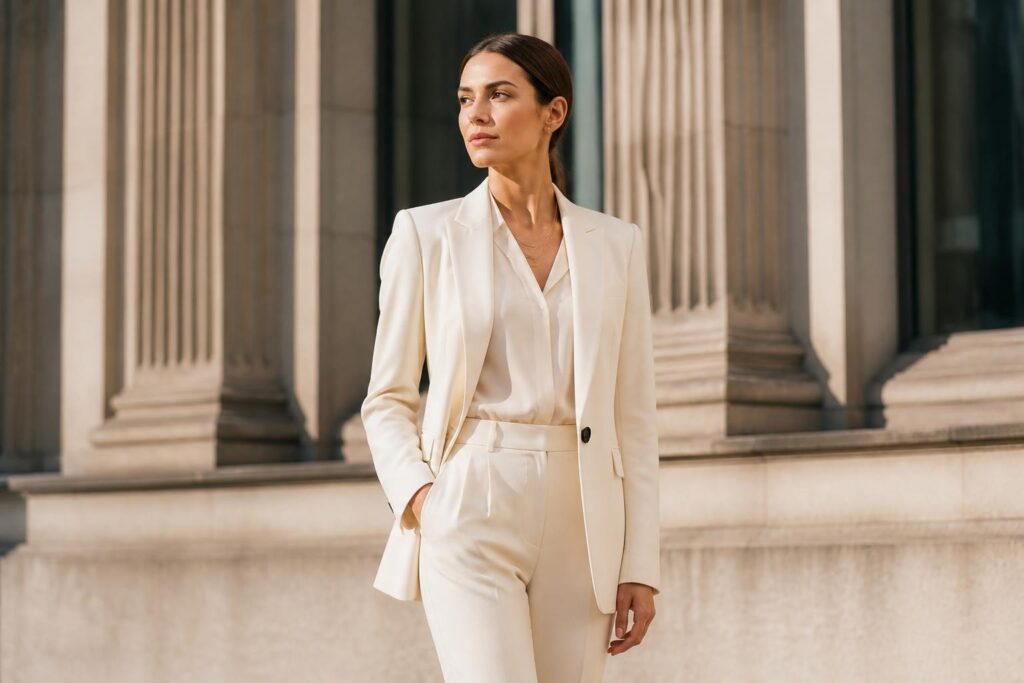
The modern woman's wardrobe demands versatility, sophistication, and timeless elegance. Few garments deliver on all three fronts quite like womens tailored suits. Whether commanding a boardroom, attending a formal event, or building a capsule wardrobe that transitions seamlessly from day to night, a well-crafted suit represents both an investment in quality and a statement of confidence. The precision and artistry involved in creating a truly tailored suit elevates it far beyond off-the-rack alternatives, offering customization that celebrates individual body shapes, personal style preferences, and professional aspirations.
The Evolution of Womens Tailored Suits in Contemporary Fashion
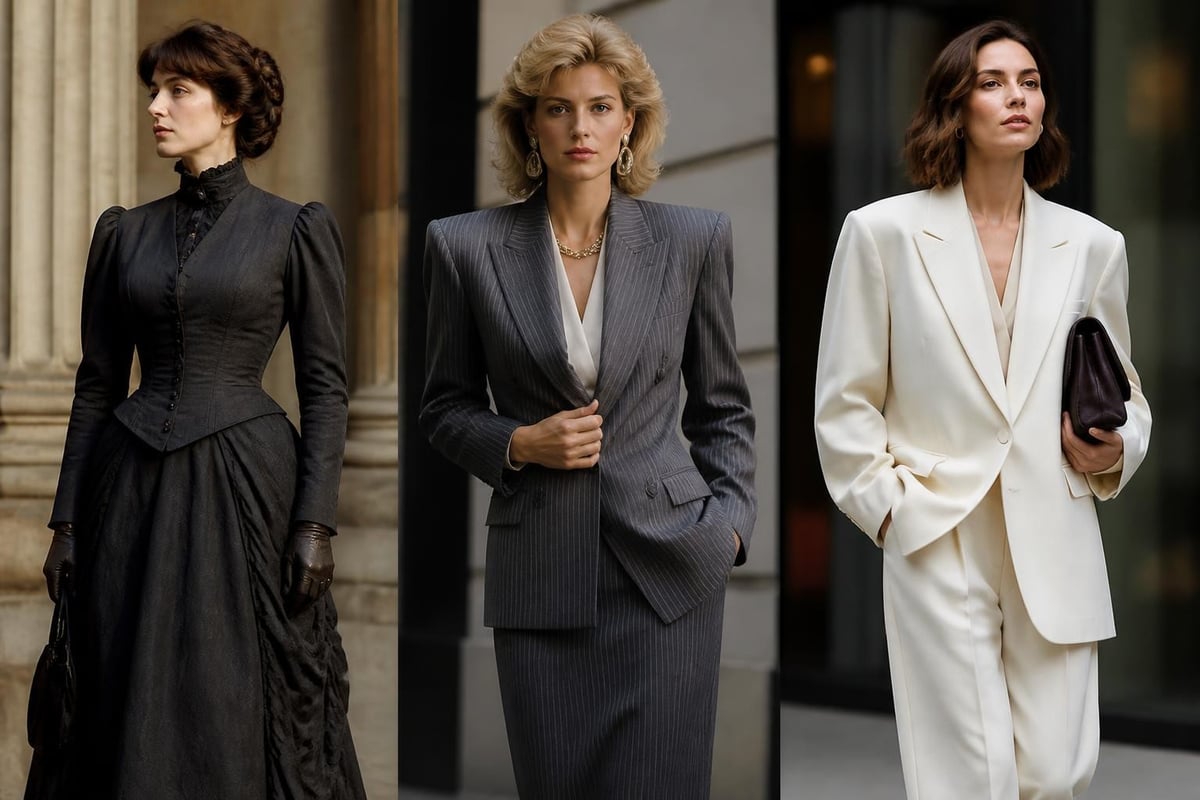
The journey of womens tailored suits reflects broader cultural shifts in how society views professional women and feminine power. The tailored suit’s history traces back to the late 19th century, when women first began adopting structured garments inspired by menswear. Throughout the 20th century, suits evolved from novelty items to essential professional uniforms, symbolizing competence and authority in male-dominated spaces.
Today's landscape presents unprecedented variety. Current trends showcase everything from sharply sculpted power suits to relaxed, deconstructed blazers paired with fluid trousers. The spring and summer collections of 2026 demonstrate this diversity, with designers experimenting with proportions, textures, and unexpected color combinations that challenge traditional notions of what constitutes professional attire.
Understanding Modern Silhouettes and Cuts
Contemporary womens tailored suits offer numerous silhouette options, each serving different style objectives and body types:
- Single-breasted classic: Clean lines, one to three buttons, universally flattering
- Double-breasted structured: Bold, commanding presence with overlapping front panels
- Deconstructed modern: Softer shoulders, minimal lining, relaxed sophistication
- Cropped contemporary: Shortened jackets highlighting the waist, perfect for petite frames
- Oversized architectural: Statement-making proportions creating visual impact
The choice between these styles depends on personal preference, professional context, and body proportions. A petite woman might opt for cropped styles that elongate her frame, while someone seeking traditional authority might gravitate toward structured double-breasted designs.
Fabric Selection: The Foundation of Quality
Material selection fundamentally determines how a suit looks, feels, and performs throughout years of wear. Premium fabrics justify the investment in bespoke tailoring, offering superior drape, breathability, and longevity compared to synthetic alternatives.
Traditional Suiting Fabrics
Wolle remains the gold standard for womens tailored suits, prized for its natural resilience, temperature regulation, and ability to hold crisp lines. Super numbers (such as Super 100s or Super 150s) indicate fiber fineness, with higher numbers denoting softer, more luxurious fabrics that require gentler handling.
Leinen provides unmatched breathability for tropical climates like Thailand's, though its natural tendency to wrinkle gives suits a more relaxed character. Blended linen-wool combinations offer compromise, maintaining structure while enhancing comfort in warm conditions.
Silk blends introduce subtle sheen and fluid movement, particularly effective in evening suits or special occasion tailoring. These fabrics demand expert construction to prevent stretching and maintain shape over time.
| Stoff Typ | Best Season | Dauerhaftigkeit | Wartung | Formality Level |
|---|---|---|---|---|
| Wool (Super 100-120) | Das ganze Jahr über | Ausgezeichnet | Mäßig | Hoch |
| Leinen | Frühling/Sommer | Gut | High (wrinkles) | Medium |
| Baumwolle | Frühling/Sommer | Very Good | Einfach | Medium-Low |
| Silk Blend | Alle Jahreszeiten | Mäßig | Professional clean | Hoch |
| Cashmere Blend | Herbst/Winter | Gut | Zartes | Very High |
Emerging Fabric Trends for 2026
Women’s suiting fabric trends for autumn/winter 2025-26 highlight luxurious textures gaining prominence. Velvet suits make powerful statements for evening events, while elevated tweeds bring textural interest to traditional office environments. These materials require skilled tailoring to manage their unique characteristics and ensure proper drape.
Sustainable fabrics increasingly influence purchasing decisions. Recycled wool, organic cotton, and innovative plant-based materials appeal to environmentally conscious clients without compromising quality or appearance. Bespoke tailors can source these specialized materials, offering both ethical production and personalized fit.
The Art of Perfect Fit: Why Bespoke Matters
Off-the-rack suits accommodate standardized measurements, inevitably requiring compromises. Womens tailored suits truly shine when custom-made, addressing individual proportions, posture variations, and style preferences impossible to achieve through mass production.
Critical Fit Points in Women's Suits
A properly fitted jacket transforms appearance and comfort simultaneously. Key areas requiring precise attention include:
- Shoulder seam placement: Should sit exactly at shoulder edge, not hanging over or pulling inward
- Sleeve length: Extends to wrist bone, showing approximately half-inch of shirt cuff
- Collar: Lies flat against neck without gapping or bunching
- Button placement: Sits at natural waist, allowing jacket to close without pulling
- Armhole depth: Permits free movement while maintaining clean lines
- Waist suppression: Creates flattering silhouette without restricting breathing
Trouser fit proves equally crucial. Rise depth, hip accommodation, thigh room, and break length all contribute to polished appearance and all-day comfort.
The Bespoke Tailoring Process
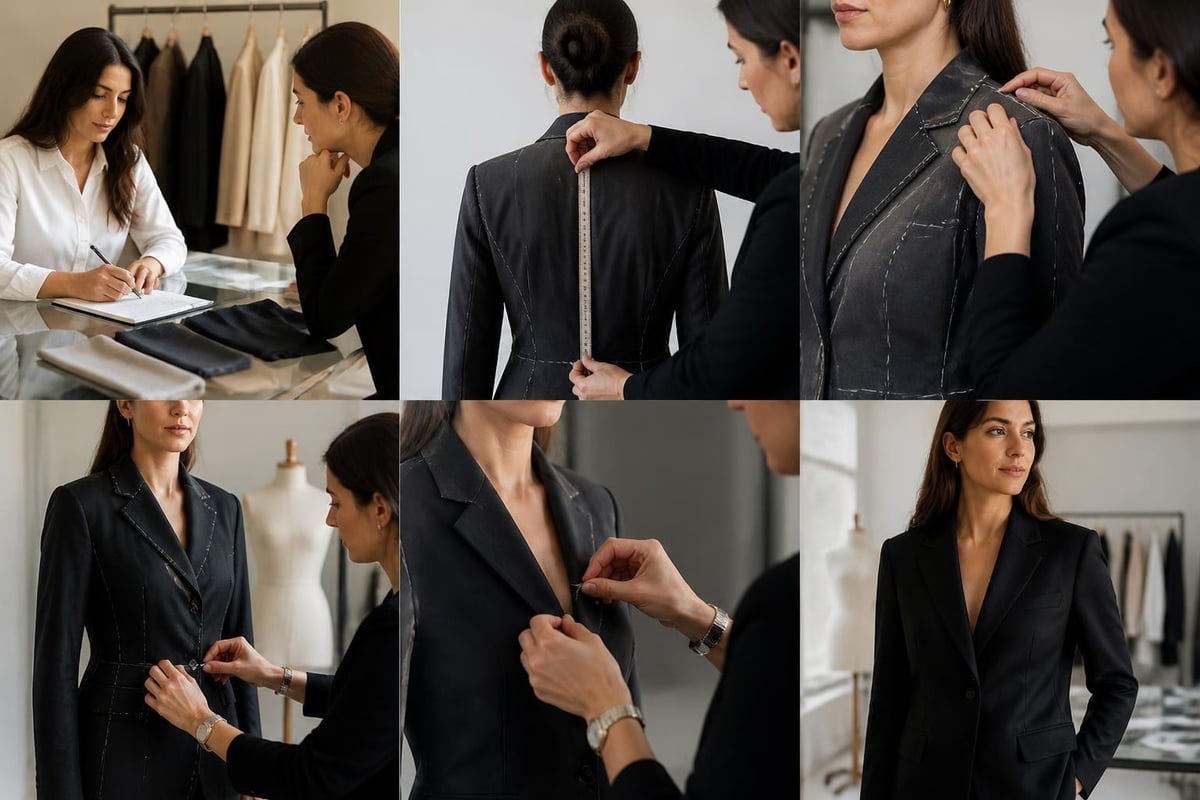
Creating custom womens tailored suits involves multiple stages ensuring precision:
Initial consultation establishes style preferences, functional requirements, and budget parameters. Clients discuss lifestyle needs, existing wardrobe, and specific occasions requiring suiting.
Fabric selection follows, with tailors presenting options matching the client's specifications. This stage allows tactile evaluation of materials, considering weight, texture, pattern, and color in natural lighting.
Measurement taking captures dozens of data points far beyond standard sizing. Skilled tailors note posture characteristics, asymmetries, and movement patterns influencing garment construction.
Pattern drafting transforms measurements into unique templates. Master tailors adjust standard blocks to accommodate individual proportions, creating one-of-a-kind patterns.
First fitting occurs with basted garments, allowing assessment of basic shape and proportion. Adjustments refine shoulder slope, sleeve pitch, and body contours before final construction.
Final fitting confirms perfection before completion. Minor tweaks ensure absolute satisfaction, from button positioning to hem length.
Styling Womens Tailored Suits for Different Occasions
Versatility makes tailored suits worthwhile investments. Strategic styling adapts the same suit across professional, social, and formal contexts.
Professional Office Environments
Conservative styling emphasizes authority and competence. Pair suits with:
- Crisp button-down shirts in white or subtle patterns
- Silk blouses with minimal embellishment
- Closed-toe pumps in neutral colors
- Simple jewelry maintaining professional polish
- Structured handbags in leather or quality alternatives
Modern professional styling trends demonstrate how updating accessories refreshes classic suits without compromising workplace appropriateness.
Business Casual and Creative Workplaces
More relaxed environments permit experimental styling:
- Turtlenecks or fitted knits replacing traditional shirts
- Statement jewelry adding personality
- Ankle boots or fashion sneakers with cropped trousers
- Mixed patterns introducing visual interest
- Deconstructed blazers over casual basics
Evening and Special Events
Transform daytime suits into evening sophistication through thoughtful adjustments. Remove jackets to reveal elegant camisoles or silk shells. Exchange conservative pumps for statement heels. Add dramatic jewelry and evening clutches. Celebrity styling examples show innovative approaches pairing suits with unexpected tops for fresh evening looks.
Color Psychology and Pattern Selection
Color choices communicate subtle messages while reflecting personal style and seasonal appropriateness.
Classic Neutrals
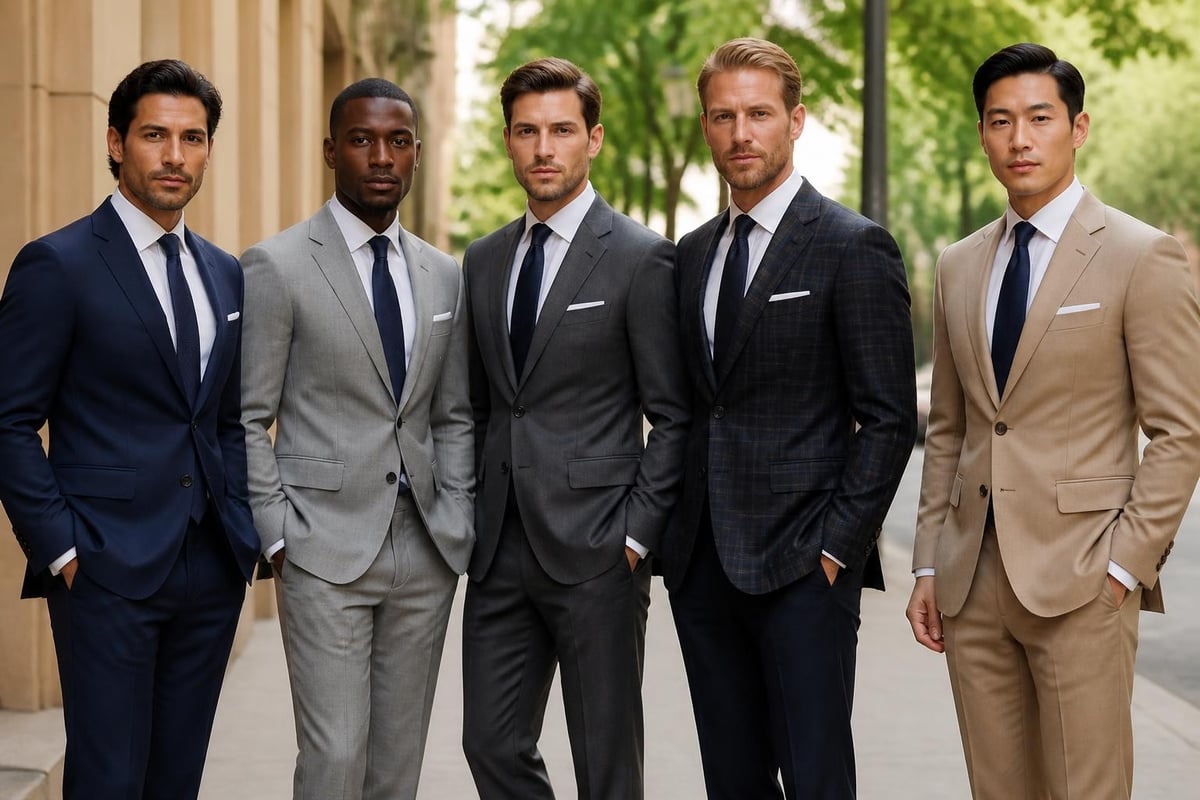
Navy remains the most versatile choice, projecting confidence without black's severity. It flatters most complexions and coordinates effortlessly with existing wardrobes.
Charcoal gray offers similar versatility with slightly softer presence. Medium and light grays work beautifully in tropical climates, appearing fresh rather than heavy.
Black delivers undeniable sophistication but can appear harsh in bright sunlight. Reserve for formal occasions or winter months in cooler climates.
Contemporary Color Choices
Modern womens tailored suits embrace expanded palettes:
| Color Family | Am besten für | Pairs With | Saison |
|---|---|---|---|
| Camel/Beige | Warm undertones | Burgundy, navy, white | Frühling/Herbst |
| Burgundy | Statement-making | Gray, cream, black | Herbst/Winter |
| Emerald | Cool undertones | Gold accessories, nude | Das ganze Jahr über |
| Blush/Mauve | Soft sophistication | Gray, white, navy | Frühling/Sommer |
Patterns and Textures
Subtle patterns add visual interest without overwhelming:
- Pinstripes: Elongating effect, traditionally professional
- Herringbone: Textural depth, sophisticated without being loud
- Glen plaid: Classic British heritage, versatile across settings
- Birdseye: Tiny repeating pattern creating subtle texture
- Windowpane: Graphic precision, modern edge
Bold patterns require confidence and careful styling. Ensure shirts and accessories maintain relative simplicity, allowing the suit to command attention.
Care and Maintenance for Longevity
Quality womens tailored suits represent significant investments deserving proper care. Correct maintenance extends lifespan while preserving appearance.
Daily Care Practices
Hanging properly prevents wrinkles and shape distortion. Use wide, contoured hangers supporting shoulder structure. Avoid wire hangers that create pressure points and misshape garments.
Brushing after each wear removes surface dust and debris before it embeds in fibers. Natural bristle brushes work gently without damaging delicate fabrics.
Airing between wears allows fabrics to release moisture and odors naturally. Rotate suits regularly rather than wearing the same piece consecutive days.
Professional Cleaning
Dry cleaning frequency requires balance. Excessive cleaning degrades fibers and fades colors, yet insufficient cleaning allows stains to set permanently. Most suits need professional cleaning every 4-6 wears under normal conditions.
Steam pressing at home maintains crispness between cleanings. Use pressing cloths protecting fabrics from direct heat exposure. Focus on lapels, cuffs, and trouser creases.
Stain treatment demands immediate attention. Blot (never rub) liquid spills and consult professionals for delicate fabrics before attempting home treatment.
Building a Tailored Suit Wardrobe
Strategic wardrobe development maximizes versatility while minimizing unnecessary expenditure.
Essential First Suits
Begin with highly versatile foundations:
- Navy or charcoal two-piece in mid-weight wool
- Black suit for formal occasions (optional first, essential eventually)
- Summer-weight suit in light gray or beige for warm months
This trio covers most professional and formal requirements while allowing mix-and-match flexibility.
Expanding Your Collection
Subsequent additions introduce variety:
- Patterned suit in subtle texture or classic check
- Statement color reflecting personal style
- Three-piece suit with coordinating vest
- Separates allowing creative combinations
- Specialized pieces for specific industries or occasions
Investment Priorities
Allocate budgets strategically across your wardrobe. Invest most heavily in frequently worn, versatile pieces in classic styles. More trendy or specialized suits warrant moderate investment since their wearing frequency and longevity prove limited.
Regional Considerations for Tropical Climates
Thailand's warm, humid climate presents unique challenges for womens tailored suits, requiring thoughtful fabric selection and construction details.
Fabric Choices for Warm Weather
Tropical wool specifically engineered for hot climates offers lighter weight without sacrificing structure. These fabrics breathe exceptionally well while maintaining professional appearance.
Linen blends provide maximum airflow. Pure linen suits beautifully in casual settings but requires acceptance of natural wrinkling. Linen-cotton or linen-wool combinations offer improved wrinkle resistance.
Mohair blends surprisingly excel in warm weather despite associations with luxury winter fabrics. Fine mohair creates exceptionally breathable weaves while adding natural sheen.
Construction Adaptations
Unlined or half-lined jackets reduce heat retention significantly. Strategic lining placement maintains structure at shoulders and chest while leaving backs unlined for ventilation.
Natural fibers for linings (silk, cotton) allow moisture wicking unlike synthetic alternatives that trap heat and perspiration.
Lighter interfacing preserves shape without adding bulk or warmth. Skilled tailors adjust construction techniques matching climate requirements.
The Investment Value of Custom Tailoring
Bespoke womens tailored suits command premium prices compared to ready-to-wear options, yet the investment delivers tangible returns.
Quality and Longevity
Custom suits constructed from premium materials and expert craftsmanship outlast multiple cheaper alternatives. Reinforced stress points, quality interfacing, and superior finishing details withstand years of regular wear.
Perfect Fit Benefits
Properly fitted suits flatter figures, boost confidence, and eliminate the discomfort plaguing ill-fitting garments. This translates to improved presence in professional settings and genuine pleasure wearing the garments.
Cost Per Wear Analysis
Calculate true value by dividing total cost by anticipated wears. A $2,000 custom suit worn 100 times over five years costs $20 per wear. An $400 off-the-rack suit wearing poorly after 20 uses costs $20 per wear while never fitting properly.
Emotional and Professional Returns
Confidence derived from perfect fit and quality construction influences professional interactions, interview success, and self-perception. These intangible benefits resist quantification yet substantially impact career trajectories and personal satisfaction.
Customization Options in Bespoke Tailoring
Beyond achieving perfect fit, custom womens tailored suits offer personalization impossible with ready-made garments.
Styling Details
Clients select every visible element:
- Lapel width and style (notch, peak, shawl)
- Button selection (horn, mother-of-pearl, fabric-covered)
- Pocket styles (flap, welt, patch)
- Vent configuration (single, double, none)
- Lining fabric and pattern
- Monogramming placement
Functional Customizations
Practical additions enhance usability:
- Interior pockets sized for specific devices
- Reinforced areas for frequent stress
- Convertible elements adapting to different occasions
- Climate-appropriate construction details
- Accessibility modifications for physical needs
Signature Style Elements
Working with experienced tailors develops personal style signatures distinguishing your suits. Consistent details across multiple garments create cohesive wardrobe identity while expressing individuality within professional parameters.
Selecting the Right Bespoke Tailor
Choosing your tailoring partner significantly impacts satisfaction with custom womens tailored suits.
Evaluating Expertise
Assess potential tailors through:
- Years of experience and training background
- Portfolio demonstrating range and quality
- Client testimonials and referrals
- Fabric sourcing capabilities
- Understanding of women's fitting challenges
- Communication style and rapport
The Consultation Process
Initial meetings reveal tailor competence and compatibility. Observe whether they:
- Ask detailed questions about lifestyle and preferences
- Discuss fabric options comprehensively
- Explain construction techniques clearly
- Show genuine interest in achieving your vision
- Provide realistic timelines and pricing
Cultural and Climate Understanding
Tailors familiar with local climate conditions better recommend appropriate fabrics and construction methods. Those understanding regional professional standards ensure suits meet cultural expectations while expressing personal style.
Womens tailored suits represent timeless wardrobe investments combining professional polish, personal expression, and superior quality that transcends fleeting fashion trends. Whether building your first custom suit or expanding an established collection, the perfect fit, premium fabrics, and expert craftsmanship of bespoke tailoring deliver unmatched value and confidence. With over 30 years of expertise creating custom garments for women, Alex’s Fashion specializes in crafting perfectly fitted suits using world-class fabrics tailored to your unique measurements, style preferences, and the tropical climate of Thailand. Visit their Ao Nang location to begin your bespoke tailoring journey and discover how custom-made suits transform your professional wardrobe.