
 DE
DE  EN
EN  FR
FR  TH
TH 
In 2026, the demand for tailor made shirts is surging as more professionals and style-conscious individuals seek the perfect blend of fit, comfort, and individuality. Custom tailoring is making a strong comeback, offering a level of personalization and quality that off-the-rack options simply cannot match.
This expert guide will walk you through everything you need to know about tailor made shirts, from how they are crafted to the latest innovations shaping the industry. Discover why investing in a custom shirt can elevate your style, boost your confidence, and provide lasting value.
Ready to master the art of selecting, designing, and caring for your ideal shirt? Explore the evolution of custom tailoring, step-by-step ordering tips, fabric and fit choices, current trends, cost breakdowns, and essential care advice—all designed to help you make informed decisions for your wardrobe.
The Evolution and Advantages of Tailor Made Shirts
Tailor made shirts have long been the hallmark of sophistication and personal style. Their journey from the hands of traditional artisans in small workshops to today’s tech-enabled ateliers reveals why they remain an essential in the modern wardrobe.

The History of Tailor Made Shirts
Centuries ago, tailor made shirts were crafted by hand, each stitch reflecting the expertise of the maker. Over time, bespoke tailoring became a symbol of status and taste, favored by royalty and professionals alike. Today, technological advancements have transformed this craft, making high-quality custom shirts accessible to a broader audience. With the integration of digital tools, the precision and personalization of tailor made shirts have reached new heights.
Tailor Made vs. Off-the-Rack: A Comparison
How do tailor made shirts truly compare with off-the-rack options? The answer lies in fit, longevity, and sustainability. Consider the table below:
| Merkmal | Tailor Made Shirts | Off-the-Rack Shirts |
|---|---|---|
| Fit | Precision, custom to body | Standard, generic |
| Langlebigkeit | High, durable fabrics | Variable, lower |
| Nachhaltigkeit | Less waste, ethical | Mass-produced, waste |
| Style Options | Unlimited customization | Limited choices |
Tailor made shirts deliver a level of comfort and confidence that mass-produced shirts cannot match. Off-the-rack shirts often require costly alterations, while custom shirts arrive ready to wear, reflecting your exact measurements and preferences.
The Benefits of Customization
The primary advantage of tailor made shirts is personalization. Clients select fabrics, collars, cuffs, and even unique elements like monograms or contrast stitching. According to a 2025 industry survey, 62% of professionals now prefer custom shirts for workwear, citing superior comfort and expression of personal style.
Customization extends beyond aesthetics. The fit of tailor made shirts supports better posture and ease of movement throughout the day. This attention to detail ensures that every shirt not only looks sharp but feels exceptional.
Innovation and Sustainability
Today’s tailor made shirts are at the forefront of fashion innovation. Digital body scanning and online configurators allow for precise measurements and virtual previews, reducing the need for multiple fittings. AI-driven recommendations help clients select styles that best suit their body type and lifestyle.
Sustainability is also a defining advantage. Custom production means less textile waste and more ethical sourcing. Many makers now offer organic fabrics and transparent supply chains, resulting in garments that last longer and have a smaller environmental footprint. Market research confirms that sustainability is a top priority for modern consumers, fueling the ongoing growth of the custom clothing sector (Custom Clothing Market Growth Projections).
Why Custom Shirts Lead the Way
Celebrities and CEOs alike have embraced tailor made shirts, often choosing them for public appearances and high-stakes events. Their choices highlight how custom shirts project professionalism and attention to detail.
Investing in tailor made shirts is more than a fashion statement. It is a strategic choice for building a versatile, long-lasting wardrobe. With advances in technology, sustainability, and personalization, tailor made shirts will remain the standard for those who value quality and individuality.
Step-by-Step Guide to Ordering a Tailor Made Shirt in 2026
Ordering tailor made shirts in 2026 is a seamless, rewarding process that blends tradition with technology. Whether you are seeking the perfect business shirt or a unique piece for a special event, every stage is designed to ensure satisfaction. Let us walk you through each essential step, so you can make informed choices and enjoy a shirt that truly fits your lifestyle.
Understanding Your Needs and Preferences
The journey to outstanding tailor made shirts begins with clarity about your needs. Are you looking for business attire, something casual, or a shirt for a special event? Defining the purpose guides every decision, from fabric to finishing touches.
Consider your personal style. Do you prefer classic elegance, modern minimalism, or bold patterns? Drawing inspiration from social media, fashion influencers, or curated lookbooks can help crystallize your vision.
For example, someone living in a tropical climate may prioritize breathable, lightweight fabrics, while an urban professional might choose crisp, structured options ideal for office settings. By visualizing the end result, you ensure your tailor made shirts align with your lifestyle and taste.
A clear vision is the cornerstone of satisfaction. When you know exactly what you want, you are more likely to be delighted with the final product.
Choosing the Right Tailor
Selecting the right professional is pivotal to the success of your tailor made shirts. Begin by researching both local and online tailors. Compare their reviews, reputation, and service guarantees. Trust is paramount—80 percent of custom shirt buyers cite it as the top factor when choosing a provider.
Communication and consultation are essential. Look for tailors who offer detailed discussions, either in person or virtually, to understand your requirements. For international clients, multilingual support is a major advantage, ensuring nothing is lost in translation.
You may find it helpful to read comprehensive resources such as the Leitfaden für Maßkonfektion, which outlines the benefits and process of custom garments. This knowledge empowers you to ask the right questions and choose a partner who matches your expectations.
A reputable tailor will inspire confidence and guide you through each step, making the experience of ordering tailor made shirts enjoyable and stress-free.
The Measurement Process: In-Person and Remote Options
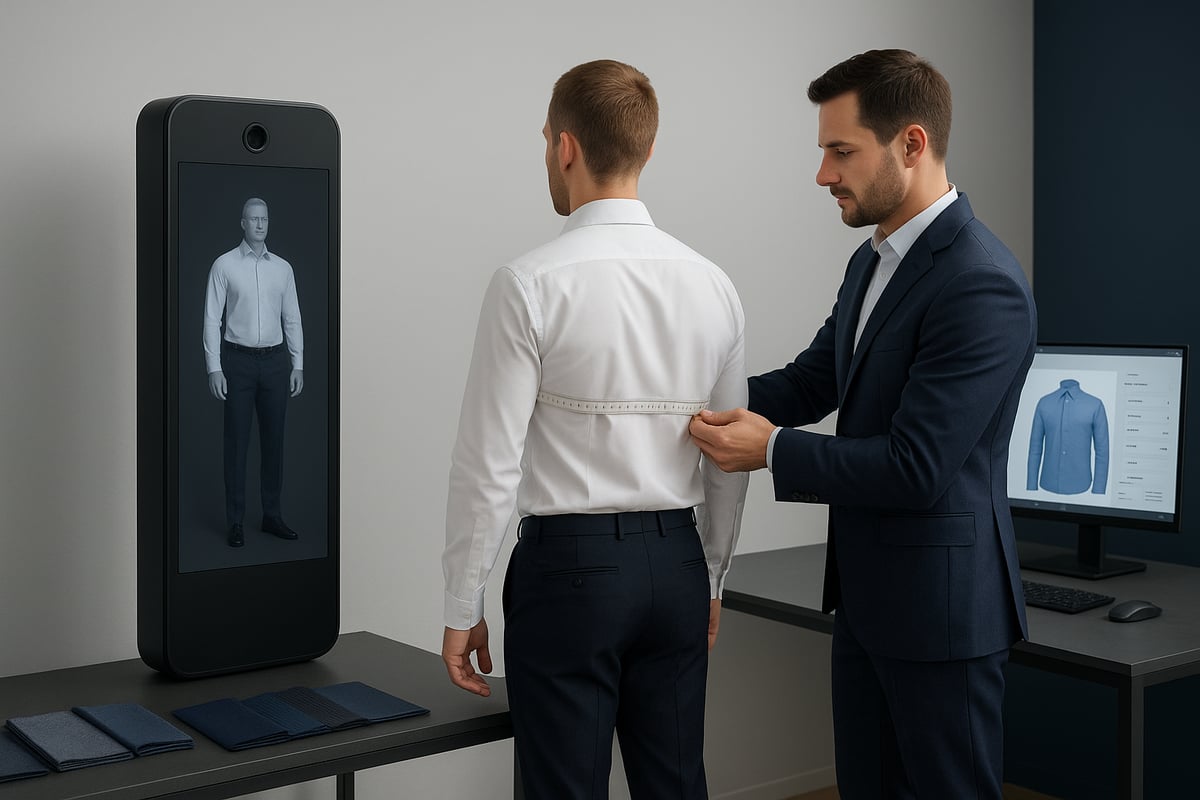
Precise measurements are the foundation of well-fitted tailor made shirts. In 2026, you can choose between traditional in-store fittings and advanced remote options. Many tailors now utilize 3D body scanning or intuitive measurement apps, making the process accessible and accurate even from home.
During an in-person fitting, expect the tailor to take multiple measurements of your neck, chest, waist, arms, and shoulders. For remote clients, virtual appointments and guided self-measurement tutorials are increasingly common.
Accuracy is non-negotiable. Wear a fitted undershirt, stand naturally, and follow instructions closely to avoid errors. If you are unsure, always ask for clarification.
As an example, a frequent traveler might use a virtual fitting service while abroad, ensuring their tailor made shirts are crafted to precise specifications. No matter the method, meticulous measurements guarantee comfort and a polished appearance.
Customization: Fabrics, Collars, Cuffs, and Details
Customization is where tailor made shirts truly shine. Begin with fabric selection—cotton is a perennial favorite for its comfort and breathability, while linen suits warmer climates and blends offer easy care. Consider the pros and cons of each, such as wrinkle resistance or seasonal suitability.
Next, choose your style elements:
- Collars: Spread, point, or button-down for different looks
- Cuffs: French, barrel, or convertible based on occasion
- Plackets and back pleats: Subtle design features that affect formality and fit
Personalization options abound. Add a monogram for a signature touch, select contrasting fabrics for inner collars and cuffs, or choose unique buttons for flair. Visual configurators and fabric swatches help you preview combinations before finalizing your order.
For example, a business traveler may opt for a wrinkle-resistant cotton blend, a semi-spread collar, and subtle monogramming. According to industry data, 70 percent of custom shirt buyers incorporate at least three personalization features, underscoring the popularity of bespoke details.
Remember, each decision enhances the individuality and functionality of your tailor made shirts, ensuring they suit your unique preferences and daily needs.
Fitting, Adjustments, and Delivery
Once your shirt is crafted, the first fitting is crucial. Try on your tailor made shirts and check the fit across the chest, shoulders, sleeves, and collar. Communicate any issues—common alterations include sleeve shortening, waist adjustments, or collar tweaks.
Turnaround times vary. Express services accommodate urgent requests, while standard production allows for meticulous attention to detail. Delivery options are flexible, including in-store pickup, home delivery, and international shipping for global clients.
For instance, wedding parties and business travelers often benefit from rapid turnaround and precise adjustments, ensuring they look their best on important occasions. Your tailor will guide you through each step, making final tweaks to guarantee satisfaction.
With the right approach, ordering tailor made shirts in 2026 is a streamlined process. From your initial vision to the final delivery, each phase is designed to provide comfort, style, and confidence for every wearer.
Choosing Fabrics, Fit, and Style: Expert Tips for 2026
Selecting the right combination of fabric, fit, and style is essential for enjoying the full benefits of tailor made shirts. In 2026, advancements in materials and design are making it easier than ever to personalize shirts for comfort, performance, and individual taste. This section offers expert tips to help you navigate the choices and trends shaping the world of tailor made shirts.
Fabric Innovations: Sustainable, Performance, and Smart Textiles
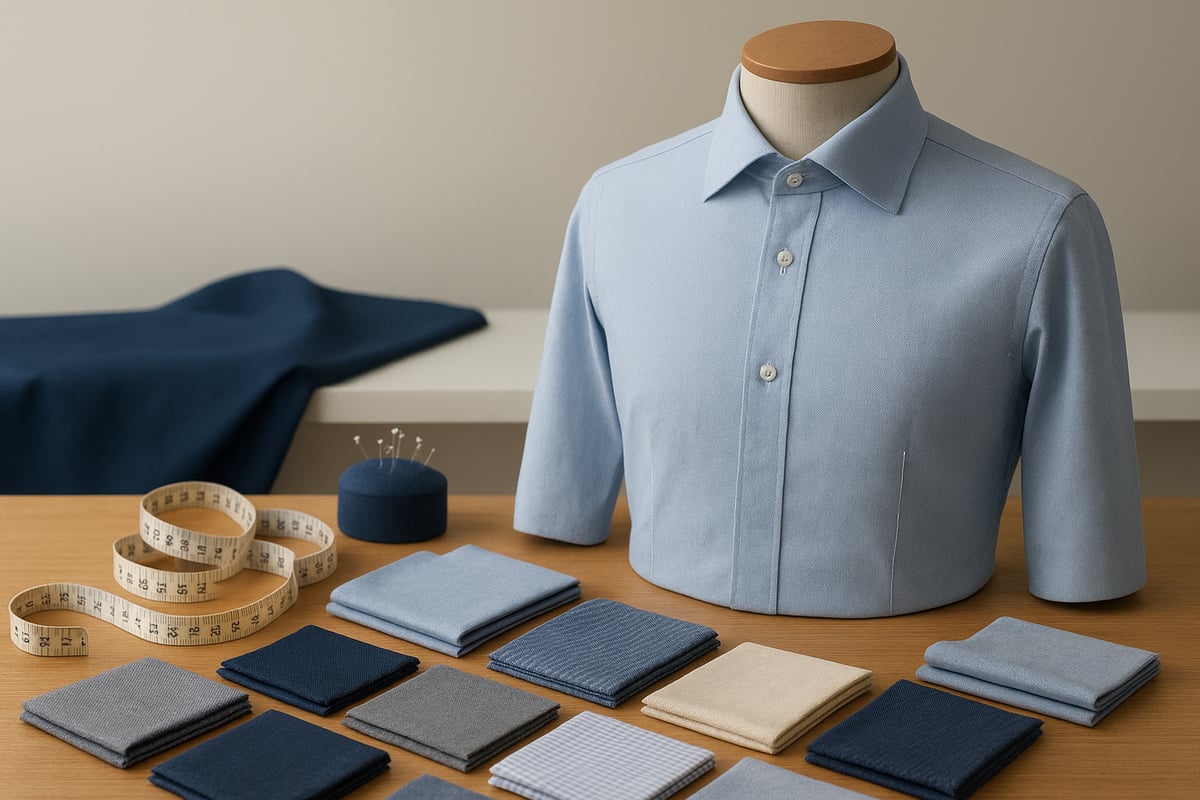
Fabric selection is the foundation of tailor made shirts. In 2026, sustainable materials like organic cotton and bamboo blends are leading the way, offering breathability and a lower environmental impact. Performance fabrics are also popular, providing wrinkle resistance, moisture wicking, and stretch for all-day comfort.
Smart textiles have entered the scene, incorporating temperature regulation and even health monitoring features. These innovations add practical value without compromising on style. According to recent industry data, 55% of custom shirt buyers consider fabric quality their top priority, highlighting the importance of making informed choices.
| Stoff Typ | Key Benefit | Best Use |
|---|---|---|
| Organic Cotton | Breathability, soft | Everyday, business |
| Bamboo Blend | Sustainability, cool | Summer, travel |
| Performance Blend | Wrinkle resistance | Frequent wear, travel |
| Smart Textiles | Tech features | Active, health-focused |
Choosing the right fabric ensures your tailor made shirts feel as good as they look.
Choosing by Climate: Breathable vs. Insulating Materials
Climate plays a significant role in selecting the perfect fabric for tailor made shirts. For tropical or warm environments, lightweight and breathable options like linen, cotton voile, or bamboo blends are ideal. These fabrics allow airflow and help regulate body temperature.
In cooler climates, consider heavier cotton twills or flannel for extra insulation. Some performance fabrics now offer moisture control and quick drying, making them versatile for changing weather conditions.
Travelers often benefit from wrinkle resistant fabrics that maintain a crisp appearance after long flights. By matching your fabric choice to your local climate or travel needs, tailor made shirts can deliver comfort all year round.
Fit Types: Slim, Regular, and Relaxed
Fit is where tailor made shirts truly shine. The main options are slim, regular, and relaxed, each designed to complement different body types and style preferences.
- Slim Fit: Contours the body for a sharp, modern silhouette.
- Regular Fit: Offers balance between comfort and shape, ideal for most builds.
- Relaxed Fit: Provides extra room, best for casual settings or those who value maximum comfort.
Your tailor can recommend the best fit based on your measurements and intended use. For inspiration and to view a range of fit options, explore the Custom Men’s Shirts Collection to see how different styles look in practice.
Selecting the right fit ensures that tailor made shirts enhance both confidence and mobility, whether at work or leisure.
Style Trends for 2026: Colors, Patterns, and Finishes
Style trends for tailor made shirts in 2026 emphasize versatility and personality. Popular colors include deep greens, subtle blues, and classic whites, while patterns such as fine stripes, micro-checks, and textured weaves add visual interest.
Finishes like matte buttons, hidden plackets, and contrast stitching are in demand, allowing for discreet personalization. Monograms and custom embroidery remain popular for those seeking a unique touch.
Visual configurators now make it easy to preview these style elements before committing, ensuring your tailor made shirts align with current trends and your personal taste.
Collars and Cuffs: Preferences, Examples, and Maximizing Versatility
Collars and cuffs are more than functional details; they define the character of tailor made shirts. Classic spread and cutaway collars remain favorites for business attire, while button-down and band collars add a modern edge for casual wear.
Cuff choices, from single button to French, let you adapt shirts for formal or everyday use. For maximum versatility, consider a shirt with convertible cuffs and a neutral collar style.
For example, a professional who needs a shirt suitable for both meetings and after-work events can choose a wrinkle resistant fabric, a semi-spread collar, and subtle contrast details. This approach ensures tailor made shirts deliver on both style and adaptability.
By focusing on fabric, fit, and style, you can create tailor made shirts that serve every aspect of your life, maximizing both comfort and value.
Tailor Made Shirt Trends and Innovations in 2026
The landscape of tailor made shirts is evolving rapidly in 2026, blending classic craftsmanship with cutting-edge innovation. Today’s custom shirts are not just about fit and fabric. They are at the forefront of fashion technology, sustainability, and personal expression.
Smart Shirts and Integrated Technology
One of the most significant trends in tailor made shirts is the rise of smart textiles. In 2026, shirts can monitor heart rate, temperature, and even stress levels, making them ideal for busy professionals and health-conscious individuals.
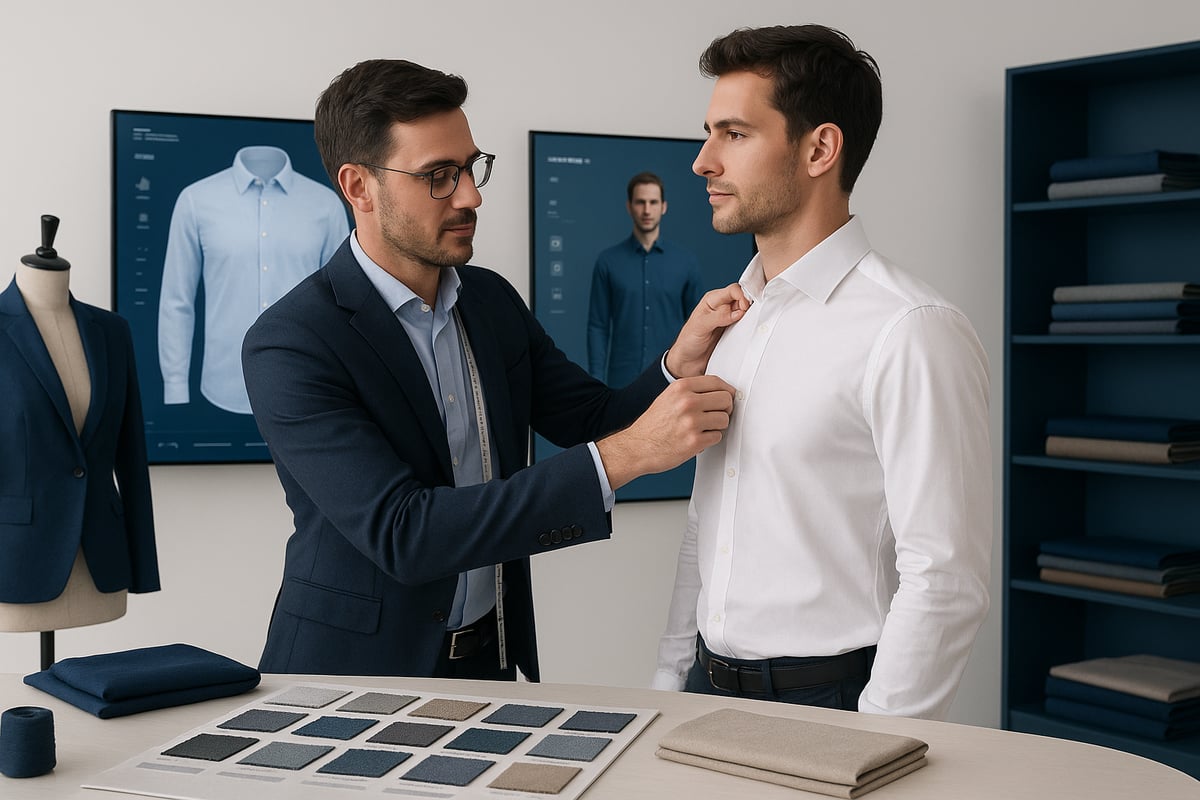
Tailors are now offering options like NFC tags for wardrobe management and moisture-wicking fabrics with embedded sensors. The adoption of 3D body scanning and AI-driven design tools has streamlined the entire process, delivering precision and comfort. For a deeper dive into how these technologies are shaping custom clothing, see Technological Innovations in Custom Tailoring.
Sustainability and Eco-Friendly Materials
Sustainability is a core value in the world of tailor made shirts. Leading tailors now prioritize organic cotton, bamboo blends, and recycled fibers. Biodegradable buttons and natural dyes are standard for eco-conscious clients.
This shift not only reduces environmental impact but also creates garments that last longer and feel better on the skin. Many brands highlight their ethical sourcing and low-waste production methods, responding to a global demand for responsible fashion.
Table: Eco-Friendly Materials Now Common in Tailor Made Shirts
| Material | Benefits |
|---|---|
| Organic Cotton | Soft, hypoallergenic, sustainable |
| Recycled Fibers | Reduces waste, energy-efficient |
| Bamboo Blends | Breathable, antibacterial |
| Biodegradable Buttons | Compostable, natural look |
Digital Customization and Global Style Influences
Digital customization is revolutionizing the tailor made shirts experience. Customers can use online configurators to select fabrics, colors, and styles, then preview designs with virtual try-on technology.
AI-driven recommendations suggest combinations based on personal taste and lifestyle needs. Global influences are more visible than ever, as Asian-inspired collars and Western silhouettes merge to create unique, cross-cultural looks.
Fashion houses are also exploring smart finishes, such as stain-resistant coatings and UV protection, catering to both style and function.
Gender Inclusivity and Sizing Innovations
The custom shirt industry is making strides toward inclusivity. In 2026, tailor made shirts are available in gender-neutral cuts and an expanded range of sizes.
Tailors offer personalized consultations that ensure every client, regardless of gender or body type, receives a flattering, comfortable fit. This commitment to inclusivity is reshaping the perception of bespoke fashion.
Real-World Example and Data
Consider a business professional who orders a smart, eco-friendly shirt online. They use a virtual fitting tool, select a recycled cotton blend, and opt for AI-recommended features. This scenario reflects a 40% growth in demand for tech-integrated shirts, confirming the market’s shift toward innovation and sustainability.
Staying Ahead of the Curve
Embracing the latest trends in tailor made shirts ensures lasting comfort, style, and versatility. By investing in these innovations, today’s wardrobe becomes both future-proof and fashion-forward.
Cost, Value, and What to Expect When Investing in Tailor Made Shirts
Understanding the cost and value of tailor made shirts is essential for making informed wardrobe decisions. In 2026, investing in custom garments is not just about style, but also about smart spending, longevity, and a sustainable approach to fashion.
Price Ranges and What Influences Cost
The price of tailor made shirts varies widely. Factors such as fabric quality, design complexity, and brand reputation all play a role in determining the final cost. For example, premium Egyptian cotton will command a higher price than a basic cotton blend.
| Merkmal | Influence on Cost |
|---|---|
| Fabric (cotton, linen) | High impact |
| Complexity (details) | Moderate to high |
| Brand reputation | Significant |
| Personalisierung | Mäßig |
| Turnaround time | Mäßig |
According to industry data, the average spend on tailor made shirts increased by 15 percent from 2023 to 2025. This reflects rising demand for quality, durability, and better fit.
Comparing Value: Custom vs. Luxury Ready-to-Wear
When weighing tailor made shirts against luxury ready-to-wear, the difference in value becomes clear. Custom shirts offer superior fit and personalization, while off-the-rack options often require costly alterations and still may not deliver the same comfort.
Long-term, tailor made shirts typically outlast mass-produced garments due to their construction and fabric quality. Sustainability is also a growing value factor, with many custom shirt makers adopting eco-friendly practices. For more on these trends, see Sustainability Trends in Custom Apparel.
Hidden and Additional Costs
It is important to account for hidden costs when purchasing tailor made shirts. These may include alteration fees if adjustments are needed after the first fitting, shipping charges for international orders, and taxes or import duties.
Buyers should clarify what is included in the initial quote. Some tailors offer complimentary alterations and free shipping, while others may charge separately. Understanding these costs helps avoid surprises.
Calculating Cost per Wear
A practical way to assess value is by calculating cost per wear. For instance, if a business professional invests in a $150 custom shirt and wears it weekly for two years, the cost per wear drops below $1.50. This metric highlights the long-term savings and justifies the higher upfront investment in tailor made shirts.
Why Tailor Made Shirts Are a Smart Investment
Investing in tailor made shirts means prioritizing fit, durability, and style that stands the test of time. The ability to choose fabrics, personalize details, and enjoy garments that last longer makes them a wise choice for professionals and style-conscious individuals. Ultimately, the benefits outweigh the initial expense, delivering value that endures.
Care, Maintenance, and Maximizing the Lifespan of Your Custom Shirts
Caring for tailor made shirts is essential to preserve their exceptional fit, fabric quality, and unique style. Thoughtful maintenance ensures these garments remain a staple in your wardrobe for years, maximizing both value and appearance.
Washing and Ironing: Best Practices
Proper washing is the foundation of care for tailor made shirts. Always check the care label before laundering. Most custom shirts benefit from gentle machine washing in cold water, using mild detergent. For delicate fabrics like linen or silk, hand washing is recommended to prevent damage.
Air drying is preferable to preserve the shirt's structure. Avoid wringing out shirts, as this can distort the fabric and seams. When ironing, use the lowest heat setting suitable for the material, and iron shirts while they are still slightly damp for best results. Investing in a good quality iron with steam functionality can help maintain a crisp, professional finish.
Storage: Preserving Shape and Preventing Wrinkles
How you store tailor made shirts directly affects their longevity. Use wide, padded, or wooden hangers to support the shoulders and prevent stretching. Avoid overcrowding in your closet, as this can cause creases and fabric stress.
For seasonal shirts or infrequent use, cover garments with breathable garment bags to guard against dust and moisture. Always button the collar and at least the top button when hanging shirts to help maintain their shape.
Stain Removal Tips for Delicate Materials
Spills are inevitable, but quick action can save your tailor made shirts from permanent stains. Blot stains gently with a clean, damp cloth, avoiding rubbing, which can embed the stain deeper.
For protein-based stains (like sweat or food), use a mild enzyme detergent. For wine or ink, a mixture of water and white vinegar can be effective. Always test stain removal methods on an inconspicuous area first, especially for vibrant or patterned shirts, such as those showcased in the Gallery of Bespoke Shirts.
Professional Cleaning: When to Seek Expert Help
Certain fabrics and intricate details require professional attention. Dry cleaning is best for shirts with delicate embroidery, monograms, or specialty fabrics. If your shirt has a stubborn stain or you are unsure about at-home methods, consult a reputable cleaner.
Professional cleaning can also rejuvenate older shirts, helping to retain color and prevent fabric thinning. Schedule professional cleaning periodically, especially for shirts worn frequently in demanding environments.
Repairs, Alterations, and Extending Shirt Life
Small repairs can greatly extend the life of tailor made shirts. Address loose buttons, fraying cuffs, or minor tears promptly. Many tailors offer alteration services, allowing you to adjust fit as your preferences or body shape change.
For example, in humid climates, maintaining linen shirts requires extra care. Store them in a cool, dry place and consider professional pressing to prevent wrinkles. Regular maintenance, including repairs, ensures shirts remain comfortable and stylish.
Conclusion: The Value of Proper Maintenance
Data from tailoring associations show that proper care can double the lifespan of a custom shirt. By investing time in washing, storage, stain removal, and occasional repairs, you preserve the fit and appearance that make tailor made shirts a worthwhile investment. Consistent care not only saves money but also ensures your shirts look impeccable, wear after wear.
Now that you understand the benefits and process of investing in tailor made shirts, you can see how a perfectly fitted garment elevates not just your style but also your confidence and comfort. With innovations in fabric and measurement technology, and the personalized touch that only experienced tailors can provide, there has never been a better time to upgrade your wardrobe. If you’d like expert guidance and craftsmanship from a team with over 30 years of experience, I encourage you to Kontaktieren Sie uns heute to start your journey toward a shirt that’s truly made for you.