
 DE
DE  EN
EN  FR
FR  TH
TH 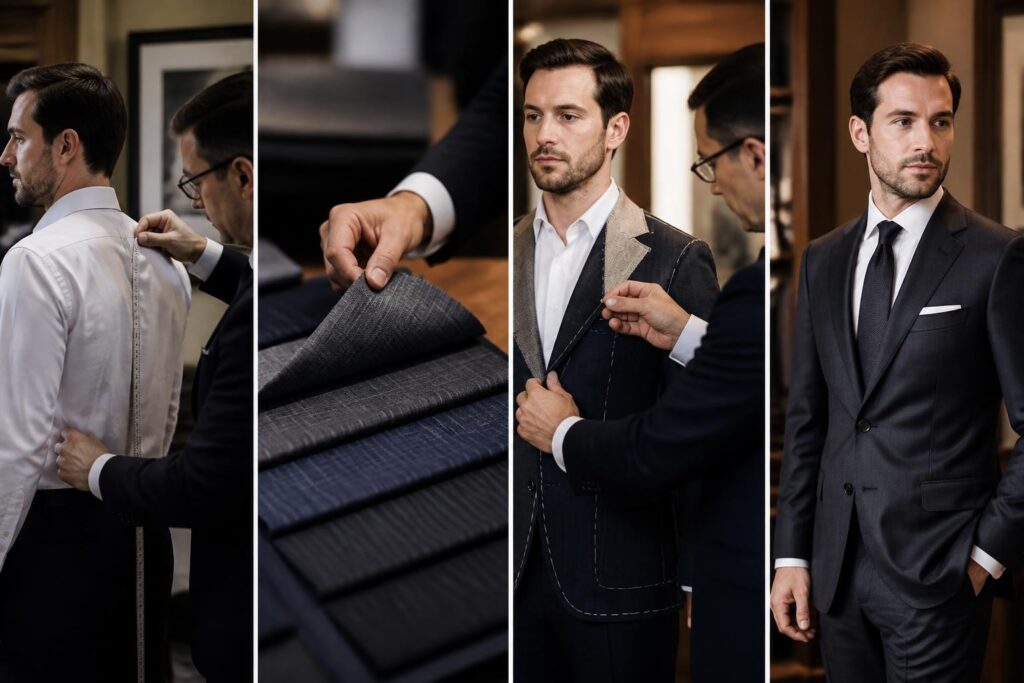
The modern gentleman understands that nothing compares to the confidence and elegance of a perfectly fitted suit. Whether you're preparing for a wedding, important business meeting, or simply upgrading your wardrobe, suits for men tailored to your exact specifications offer an unmatched level of sophistication and comfort. Unlike off-the-rack alternatives, bespoke suits adapt to your unique body shape, personal style preferences, and lifestyle requirements, creating a garment that truly represents who you are.
Understanding the Bespoke Tailoring Process
The journey to creating suits for men tailored specifically for your body begins with understanding what sets bespoke tailoring apart from ready-made options. Custom tailoring involves multiple consultations, precise measurements, and expert craftsmanship that transforms quality fabric into a garment designed exclusively for you.
Initial Consultation and Style Assessment
During your first visit to a professional tailoring house, experienced tailors assess your body type, posture, and personal preferences. This critical stage determines every aspect of your final garment, from lapel width to pocket placement.
Key elements discussed during consultation:
- Suit style and purpose
- Fabric preferences and weight
- Color selections and patterns
- Specific fit requirements
- Budget considerations
- Timeline expectations
The consultation process allows tailors to understand your lifestyle needs. A businessman requiring multiple suits for daily wear will have different requirements than someone seeking a single statement piece for special occasions.
Fabric Selection and Quality Standards
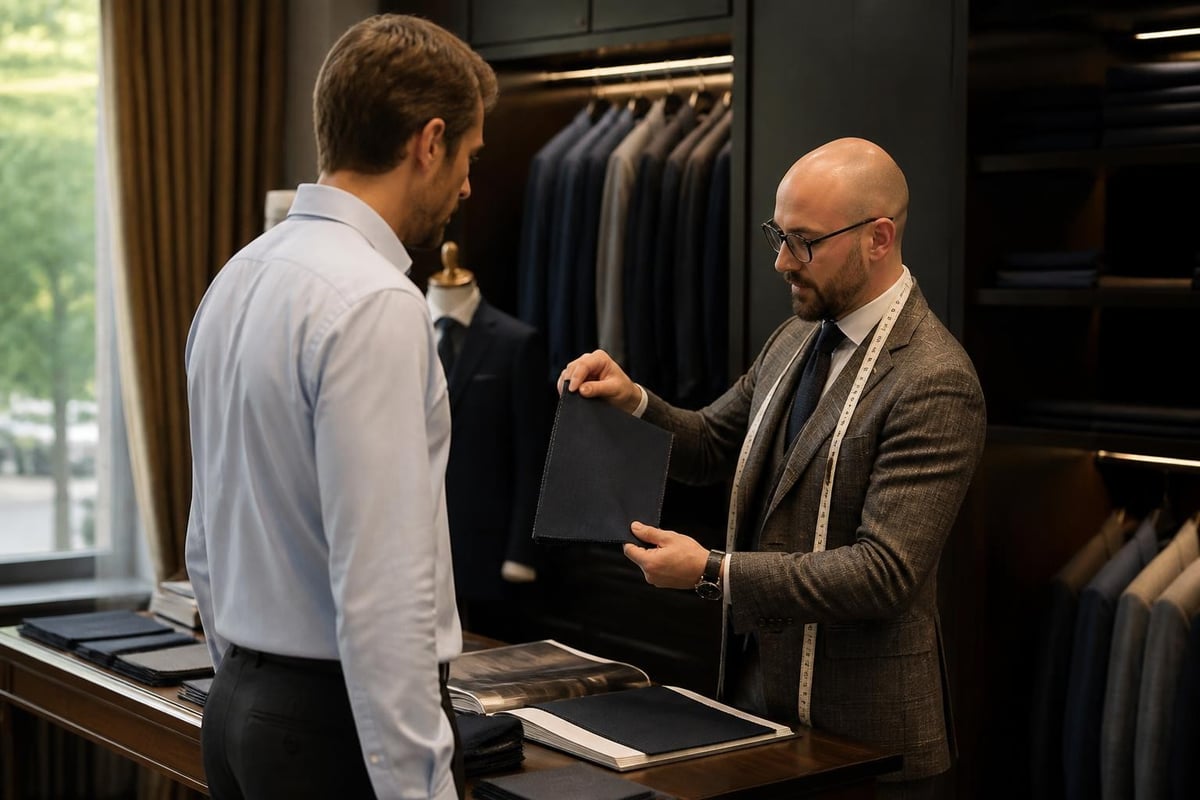
Choosing the right fabric represents one of the most important decisions when commissioning suits for men tailored to perfection. Quality materials determine not only how the suit looks but also how it wears over time and adapts to different climates.
| Stoff Typ | Am besten für | Saison | Dauerhaftigkeit | Preisspanne |
|---|---|---|---|---|
| Super 100s Wool | Business wear | All-season | Ausgezeichnet | Mäßig |
| Super 150s Wool | Special occasions | Cool weather | Very good | Hoch |
| Linen blend | Tropical climate | Sommer | Gut | Mäßig |
| Cashmere blend | Luxury comfort | Herbst/Winter | Ausgezeichnet | Very high |
| Mohair blend | Travel suits | All-season | Outstanding | Hoch |
When selecting fabrics, consider the climate where you'll primarily wear the suit. In tropical locations like Krabi, Thailand, breathable fabrics with moisture-wicking properties ensure comfort throughout the day. Many tailors source world-class fabrics from renowned mills in Italy, England, and Japan, each offering distinct characteristics that influence the final garment's appearance and performance.
The Art of Perfect Measurements
Precision distinguishes truly exceptional suits for men tailored by master craftsmen from mediocre alternatives. Professional tailors take dozens of measurements to ensure every panel fits your body perfectly, accommodating natural asymmetries and unique proportions that standard sizing cannot address.
Critical Measurement Points
Expert tailors measure far beyond simple chest and waist dimensions. They account for shoulder slope, arm length variations, neck posture, and even the way you carry yourself when standing and sitting.
Essential measurements include:
- Shoulder width and slope angle
- Chest expansion and contraction
- Waist at multiple points
- Hip circumference
- Sleeve length from multiple positions
- Inseam and outseam
- Rise and seat measurements
- Back length and front length
These detailed measurements ensure that your suit moves naturally with your body, never pulling, bunching, or restricting movement. The difference becomes particularly noticeable during activities like raising your arms, sitting down, or walking briskly.
Addressing Body Asymmetries
Nearly everyone has natural body asymmetries, such as one shoulder sitting slightly higher than the other or subtle differences in arm length. Off-the-rack suits cannot accommodate these variations, but bespoke tailoring addresses them seamlessly. According to comprehensive guides on tailored suits, accounting for these differences creates a balanced appearance that flatters your natural physique.
Contemporary Styling Options
The world of suits for men tailored to modern tastes embraces both classic elegance and contemporary innovation. Understanding current trends helps you create a timeless yet relevant wardrobe that serves you well for years to come.
Current Trends in Custom Suiting
Fashion evolves continuously, and 2026 brings exciting developments in men's tailoring. Recent Paris Men’s Fashion Week showcased statement shoulders and sharp tailoring that influence custom suit design worldwide. Meanwhile, emerging trends emphasize relaxed tailoring that balances comfort with sophistication.
Popular styling choices for 2026:
- Lapel variations ranging from classic notch to peaked and shawl styles
- Texture integration through subtle patterns and fabric combinations
- Color expansion beyond traditional navy and charcoal into earth tones
- Functional details like working buttonholes and interior pockets
- Sustainable materials reflecting environmental consciousness
Balancing Tradition and Innovation
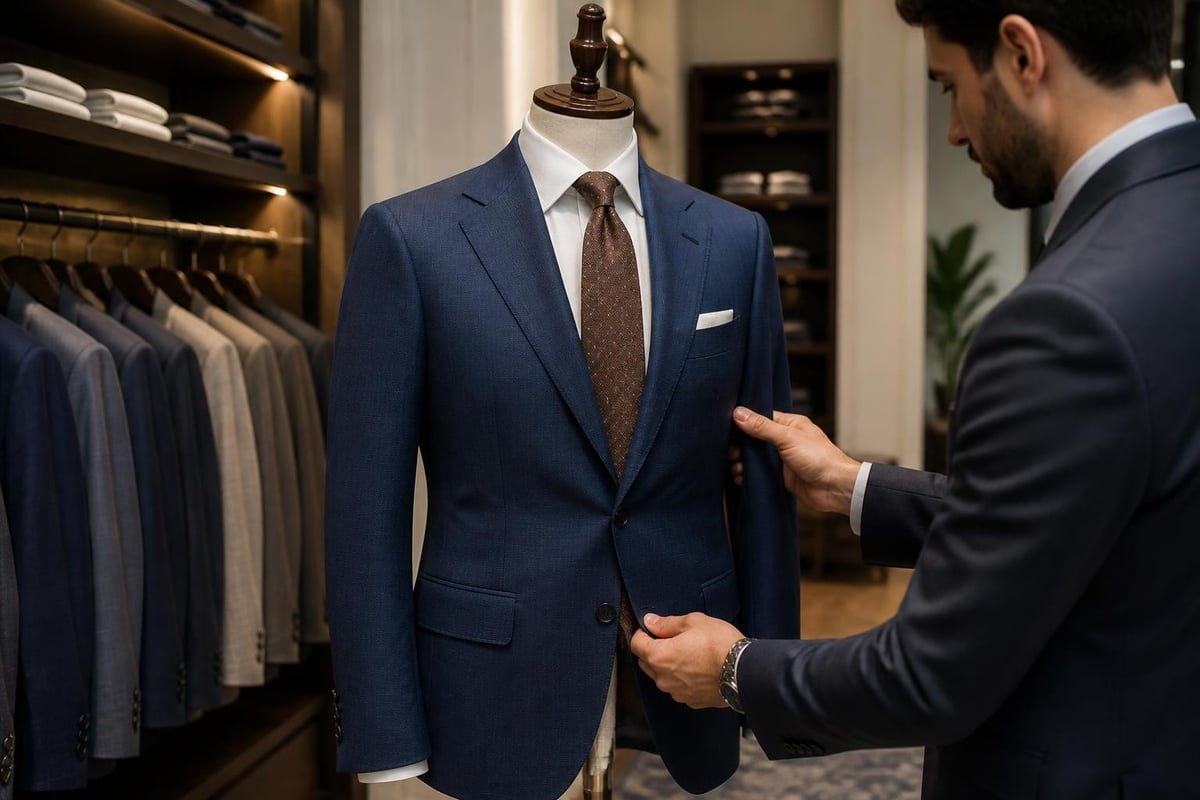
While trends influence design choices, truly exceptional suits for men tailored by experienced craftsmen balance contemporary elements with timeless principles. The goal is creating garments that look current today while remaining elegant years from now.
Consider how the suit fits within your existing wardrobe. A well-designed custom suit should complement your lifestyle, working seamlessly whether you're attending formal events or conducting business meetings. Some clients prefer classic silhouettes with subtle modern touches, while others embrace bolder expressions of personal style.
Fit Categories and Their Applications
Understanding different fit types helps you communicate effectively with your tailor and achieve exactly what you envision. Suits for men tailored to various fit categories serve different purposes and aesthetic preferences.
Traditional Fit Specifications
| Fit Type | Characteristics | Am besten für | Wesentliche Merkmale |
|---|---|---|---|
| Slim Fit | Close to body, minimal excess fabric | Athletic builds, modern styling | Tapered waist, shorter jacket |
| Modern Fit | Balance of room and structure | Most body types | Slightly tapered, versatile |
| Classic Fit | More generous through body | Comfort-focused wear | Traditional proportions |
| Athletic Fit | Room in shoulders, tapered waist | Muscular builds | Accommodates broader chest |
Each fit category offers advantages depending on your body type and intended use. Business professionals often prefer modern fits that project authority without appearing overly trendy, while creative professionals might embrace slimmer silhouettes that express individual style.
Customizing Beyond Standard Categories
The true advantage of bespoke tailoring lies in transcending preset categories. Your tailor can combine elements from different fits, creating hybrid solutions that address your specific needs. Perhaps you need extra room in the shoulders but prefer a trim waist, or you want the elegance of a slim fit with additional comfort through the seat.
Investment Value and Long-term Benefits
Quality suits for men tailored by master craftsmen represent significant investments that deliver value far beyond their initial cost. Understanding this value proposition helps justify the premium over ready-made alternatives.
Cost-Per-Wear Analysis
When properly maintained, a well-constructed bespoke suit lasts decades, potentially serving you for 10-20 years or more. Breaking down the investment across hundreds of wearings reveals remarkable value.
Consider these long-term benefits:
- Superior construction ensures longevity
- Perfect fit eliminates alteration costs
- Timeless design remains stylish across seasons
- Quality fabrics resist wear and maintain appearance
- Repairs and adjustments are more feasible
- Confidence boost enhances professional presence
A $2,000 custom suit worn 200 times costs $10 per wear, often less than maintaining several cheaper suits that fit poorly and wear out quickly. This calculation doesn't account for the intangible benefits of always looking your absolute best.
Quality Indicators in Tailored Suits
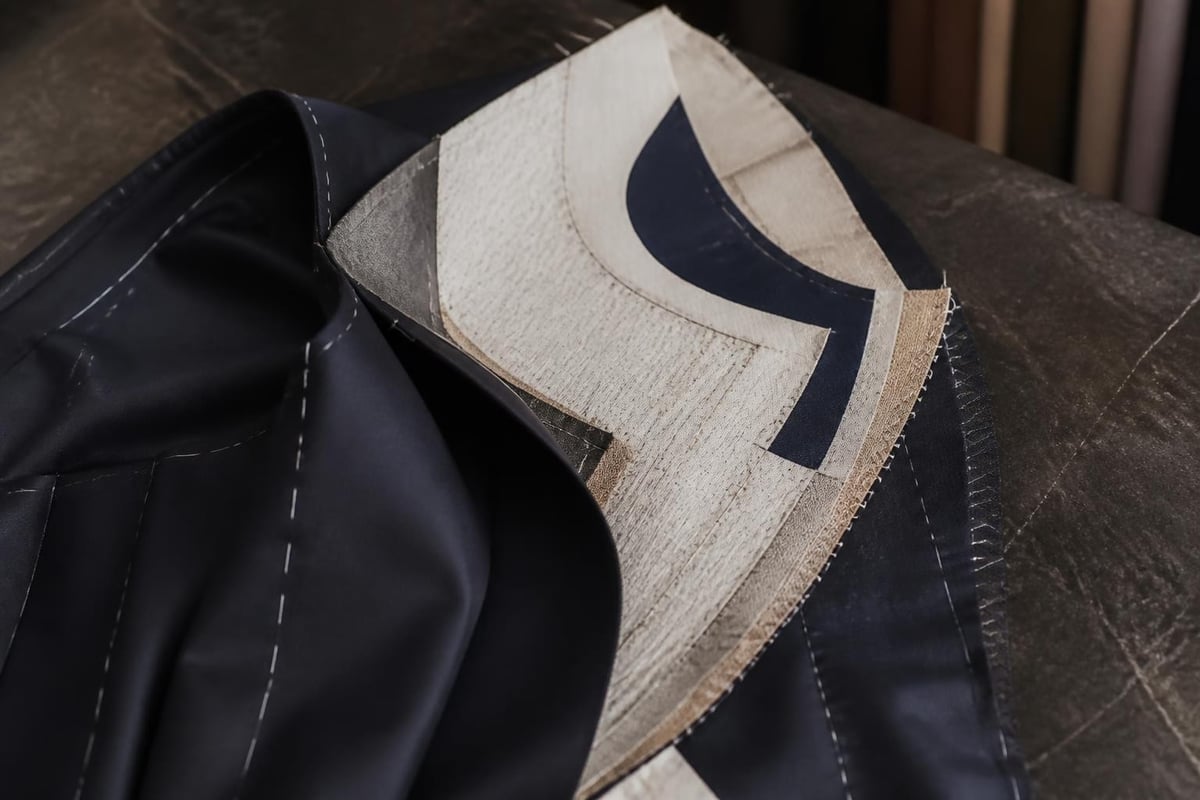
Distinguishing exceptional craftsmanship from adequate work requires understanding quality markers. Hand-stitched buttonholes, properly aligned patterns, functional sleeve buttons, and floating canvases all indicate superior construction that justifies premium pricing.
The interior construction matters as much as exterior appearance. Full or half-canvas construction allows the suit to mold to your body over time, while fused interiors break down more quickly. Questions about construction methods reveal a tailor's commitment to quality.
Regional Considerations for Tailoring
Location significantly influences both the tailoring process and the final product. Understanding regional expertise and climatic considerations ensures your suits for men tailored in specific locations meet your exact needs.
Tropical Climate Adaptations
Tailoring in warm, humid environments requires special consideration for fabric weight, breathability, and construction techniques. Master tailors in tropical regions like Thailand have refined their craft to produce suits that maintain structure while ensuring comfort in challenging conditions.
Lighter fabrics, breathable linings, and strategic ventilation become essential features. Some tailors incorporate additional vents or use unlined construction for summer-weight suits. These adaptations allow gentlemen in tropical climates to enjoy the elegance of tailored suits without compromising comfort.
International Tailoring Traditions
Different regions bring distinct approaches to custom suiting. British tailoring emphasizes structure and tradition, Italian craftsmanship focuses on soft construction and drape, and Asian tailoring often combines both traditions while adapting to local preferences and climates.
Seeking tailors with international experience and exposure to multiple traditions often yields the best results. These craftsmen understand various construction methods and can recommend approaches best suited to your needs. Many established tailoring houses maintain relationships with fabric suppliers worldwide, providing access to exceptional materials regardless of location.
Maintaining Your Tailored Investment
Proper care extends the life of suits for men tailored to exacting standards, protecting your investment and ensuring consistent appearance. Understanding maintenance requirements prevents premature wear and preserves the suit's original elegance.
Daily Care Practices
Essential maintenance habits:
- Brush suit after each wearing to remove dust and particles
- Allow 24-48 hours rest between wearings
- Use proper wooden hangers that support shoulders
- Empty pockets immediately to prevent stretching
- Address stains promptly with appropriate methods
- Rotate between multiple suits to extend lifespan
These simple practices prevent most common damage while maintaining the suit's shape and appearance. Many professionals keep at least three suits in rotation, ensuring each garment rests adequately between wearings.
Professional Cleaning and Storage
While regular brushing handles daily maintenance, professional dry cleaning should occur sparingly, typically just 1-2 times annually for regularly worn suits. Over-cleaning damages fibers and shortens garment life. Spot cleaning addresses minor issues without subjecting the entire suit to harsh chemicals.
Proper storage during off-seasons protects suits from moths, humidity, and environmental damage. Breathable garment bags, cedar elements, and climate-controlled spaces preserve fabrics and construction. Before storing, ensure suits are clean and completely dry to prevent mold or mildew development.
Selecting the Right Tailoring Partner
Finding skilled craftsmen to create suits for men tailored to perfection requires research, consultations, and understanding what separates exceptional tailors from average alternatives. Your choice of tailoring partner directly influences the final product's quality and satisfaction.
Evaluating Tailor Credentials
Experience matters significantly in bespoke tailoring. Established tailors with decades of practice have refined their skills across thousands of garments, developing instincts that newer practitioners lack. Ask about training background, years in business, and specializations.
Key questions for potential tailors:
- How long have you been creating custom suits?
- What construction methods do you use?
- Where do you source your fabrics?
- How many fittings do you include?
- What alteration policy do you offer?
- Can you provide client references?
Visiting the workspace provides valuable insights. Clean, organized environments with quality tools and materials indicate professional operations. Examining sample garments reveals construction quality and attention to detail.
Understanding the Fitting Process
Multiple fittings distinguish true bespoke tailoring from made-to-measure services. Expect at least two, often three fittings before final delivery. The first fitting reveals how patterns translate to actual fabric on your body. Subsequent fittings refine fit based on adjustments made after previous sessions.
Contemporary perspectives on suits and respectability emphasize how proper fit influences perception. A perfectly fitted suit communicates attention to detail, professionalism, and self-respect in ways that ill-fitting alternatives never achieve. Each fitting session moves you closer to this ideal presentation.
Building a Tailored Wardrobe
Strategic planning transforms individual suits for men tailored to your specifications into a cohesive wardrobe that serves multiple purposes. Thoughtful selection ensures maximum versatility and value from your investment.
Foundation Pieces
Start with versatile essentials that work across various contexts. A navy or charcoal suit provides the foundation for professional wardrobes, functioning appropriately for business meetings, formal events, and conservative occasions.
| Priority | Color/Pattern | Fabric Weight | Primary Uses |
|---|---|---|---|
| First | Navy solid | Medium weight | Business, formal events |
| Second | Charcoal solid | Medium weight | Versatile professional wear |
| Third | Light gray | Lightweight | Warm weather, daytime events |
| Fourth | Earth tone/pattern | Medium weight | Creative expression, casual formal |
After establishing these foundations, add suits that reflect personal style and specific needs. Someone attending frequent evening events might prioritize a black dinner suit, while creative professionals could emphasize unique patterns or colors that distinguish their personal brand.
Coordination and Versatility
Well-planned wardrobes allow mixing suit components with other pieces. Quality trousers work with sport coats, blazers, and casual jackets. This flexibility multiplies outfit options while maximizing investment value.
Consider having suit jackets made with coordinating odd trousers in complementary fabrics. This approach provides formal suit options while enabling smart-casual combinations that extend wearability. Discussing these strategies with your tailor during initial consultations ensures compatible design elements across multiple garments.
Investing in suits for men tailored specifically to your body, style, and lifestyle requirements transforms how you present yourself professionally and personally. The combination of perfect fit, quality materials, and expert craftsmanship creates garments that serve you faithfully for decades while projecting confidence and sophistication. Whether you're building your first custom wardrobe or expanding an existing collection, Alex’s Fashion brings over 30 years of bespoke tailoring expertise to every garment, ensuring your suits reflect the exceptional quality and attention to detail you deserve. Visit their Ao Nang location to begin your custom tailoring journey with craftsmen who understand the art of creating truly perfect suits.