
 DE
DE  EN
EN  FR
FR  TH
TH 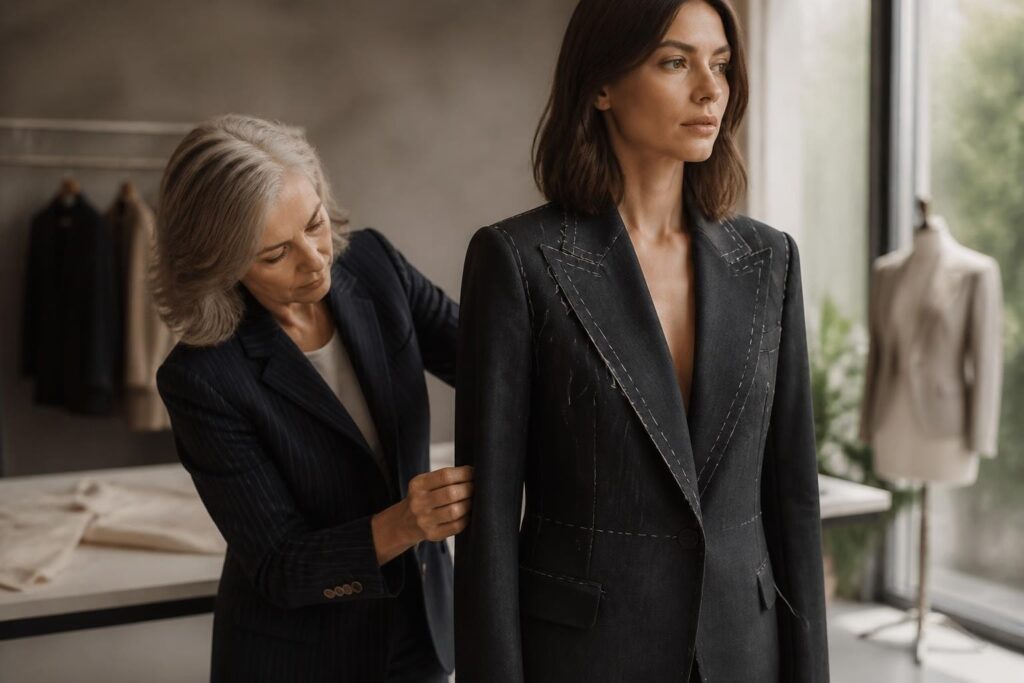
The landscape of women's fashion has experienced a remarkable transformation over the past few years, with tailored garments reclaiming their position at the forefront of sophisticated wardrobes. A new fashion ladies tailor brings together time-honored craftsmanship and contemporary design sensibilities, creating pieces that honor individuality while embracing current trends. This shift reflects a growing appreciation for quality, fit, and personalization in an era where mass-produced clothing has dominated the market. Women increasingly seek garments that complement their unique body shapes, express their personal style, and stand the test of time through superior construction and attention to detail.
The Evolution of Women's Tailoring in 2026
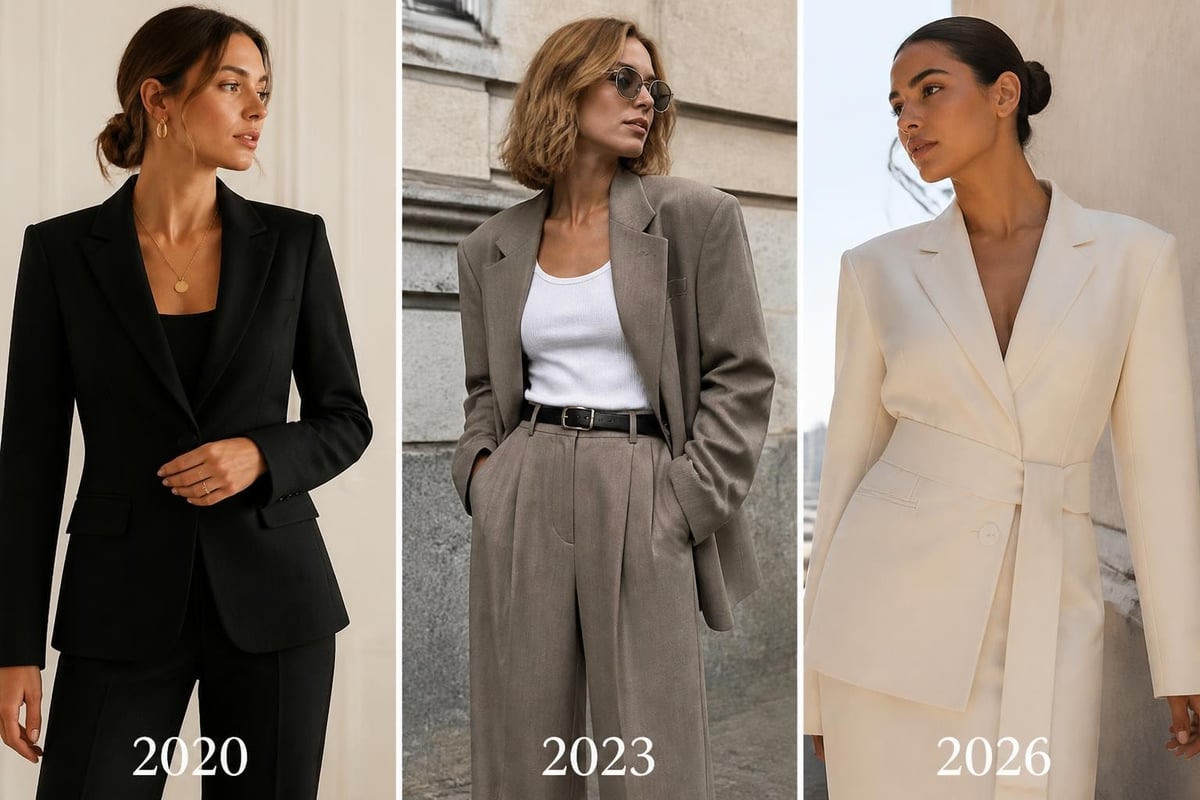
Women's tailoring has undergone significant changes, moving away from rigid, masculine interpretations toward designs that celebrate feminine proportions while maintaining structure and sophistication. The current trends in women’s tailoring emphasize comfort without sacrificing elegance, incorporating subtle details that distinguish bespoke pieces from ready-to-wear alternatives.
Modern tailoring embraces relaxed silhouettes that prioritize movement and wearability. Unlike the stiff, restrictive suits of previous decades, today's tailored pieces feature soft shoulders, strategic darting, and fabrics that breathe and drape naturally. This evolution reflects a broader cultural shift toward authenticity and practicality in professional and formal wear.
Contemporary Silhouettes and Proportions
The new fashion ladies tailor must master several key silhouettes that define 2026:
- Oversized blazers with extended shoulders and relaxed sleeves that create a powerful yet approachable aesthetic
- Matching suit sets that coordinate jackets and trousers in complementary fabrics and colors
- Sculptural pieces featuring architectural elements like asymmetric closures and dramatic lapels
- Soft tailoring that incorporates stretch fabrics and unstructured linings for all-day comfort
- High-waisted trousers with pleats, wide legs, or tapered cuts that elongate the silhouette
These proportions reflect the influence of both 80s power dressing and contemporary minimalism, creating a balanced approach to professional and occasion wear.
Understanding Body Shape and Personalized Fit
One of the most critical aspects of becoming a successful new fashion ladies tailor involves understanding the diverse range of women's body shapes and how to create patterns that flatter each one. Traditional tailoring often relied on standard sizing that failed to accommodate natural variations in proportions, leading to ill-fitting garments that required extensive alterations.
Advanced tailors now utilize body shape classification methods to create truly personalized patterns. This scientific approach considers shoulder width, bust measurements, waist placement, hip curves, and overall body proportions to develop custom blocks that serve as the foundation for each client's wardrobe.
| Körperform | Key Considerations | Recommended Styles |
|---|---|---|
| Sanduhr | Emphasize waist, balance shoulders and hips | Fitted blazers, belted jackets, tailored waists |
| Rechteck | Create curves through strategic seaming | Peplum details, side panels, curved hemlines |
| Triangle | Balance hips with shoulder interest | Structured shoulders, detailed lapels, A-line cuts |
| Inverted Triangle | Soften shoulders, add hip interest | Raglan sleeves, hip pockets, wider-leg trousers |
| Oval | Create vertical lines, define waist | Single-breasted styles, princess seams, longer jackets |
A new fashion ladies tailor recognizes that measurements tell only part of the story. Posture, movement patterns, lifestyle requirements, and personal preferences all influence the final garment design.
The Fitting Process
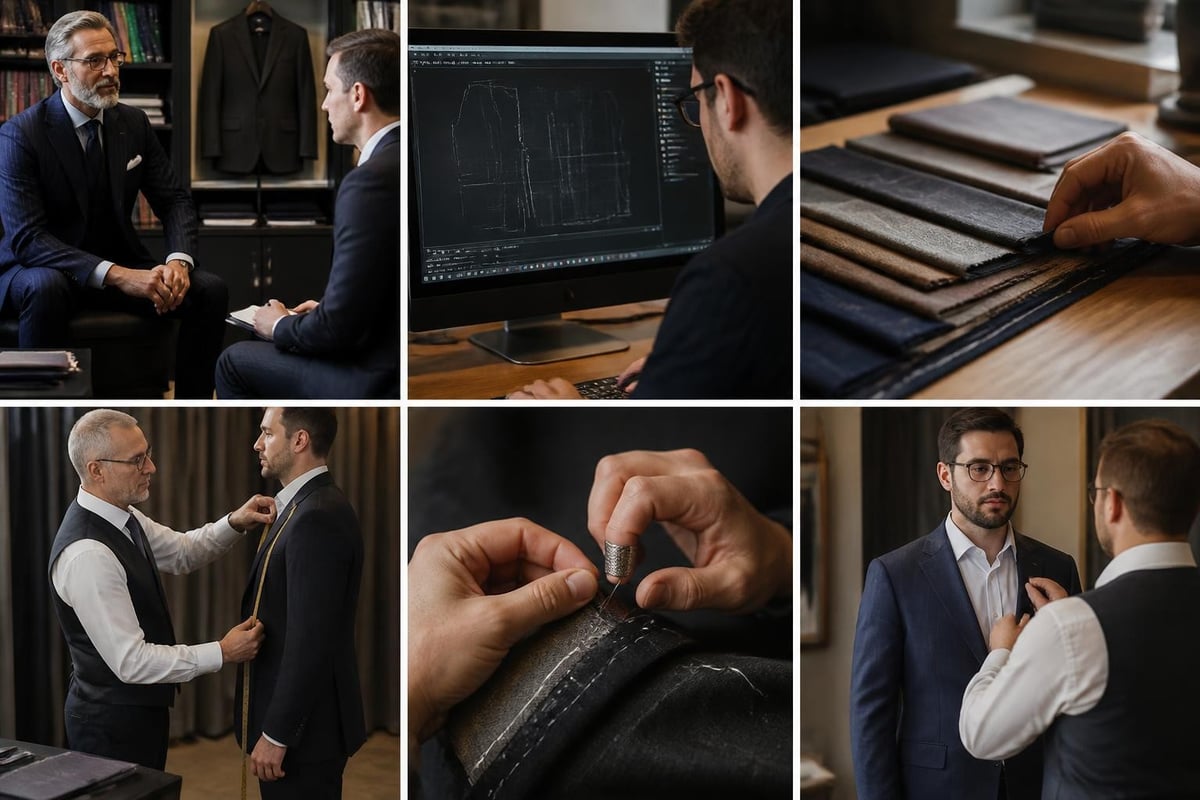
Professional fittings distinguish bespoke tailoring from alterations services. A comprehensive fitting process typically includes:
- Initial consultation to discuss style preferences, intended use, and wardrobe needs
- Precise measurement capturing 15-25 different body dimensions depending on garment complexity
- First fitting with a muslin or basted garment to check proportions and comfort
- Second fitting with the actual fabric to refine details and ensure perfect drape
- Final fitting for quality control and minor adjustments before delivery
This multi-stage approach ensures that each piece achieves the exceptional fit that justifies the investment in bespoke tailoring.
Fabric Selection and Quality Standards
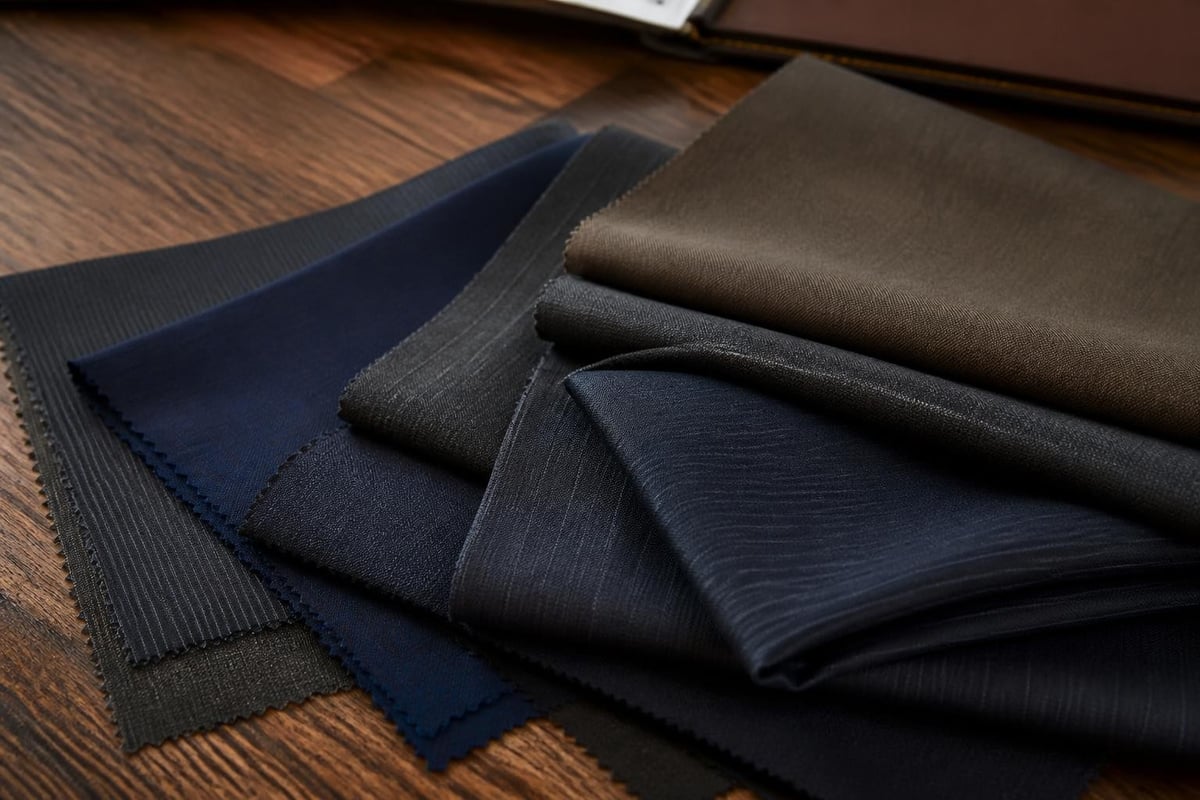
The fabric choices available to a new fashion ladies tailor in 2026 represent a remarkable blend of traditional materials and innovative textiles. Understanding fabric characteristics, behavior, and suitability for different designs separates exceptional tailors from competent ones.
Traditional Suiting Fabrics
Wolle remains the foundation of quality tailoring, offering natural stretch, breathability, and resilience. Super numbers (Super 100s, Super 120s, etc.) indicate the fineness of the fiber, with higher numbers providing softer hand feel but potentially reduced durability for everyday wear.
Wool blends incorporating silk, cashmere, or linen create seasonal variations. Wool-silk blends offer subtle sheen appropriate for evening wear, while wool-linen combinations provide summer-weight options with excellent breathability.
Cotton and linen serve specific purposes in tailored wardrobes. Cotton twill and canvas create structured jackets for warm climates, while linen provides unmatched cooling properties with characteristic texture and relaxed drape.
Innovative Modern Materials
The new fashion ladies tailor also works with contemporary fabrics that address modern lifestyle demands:
- Performance blends combining natural and synthetic fibers for wrinkle resistance and easy care
- Stretch woolens incorporating elastane for comfort during movement while maintaining structure
- Sustainable materials including recycled fibers and plant-based alternatives for environmentally conscious clients
- Technical fabrics offering water resistance, temperature regulation, or antimicrobial properties
Selecting appropriate fabric requires understanding the garment's purpose, the client's lifestyle, and maintenance preferences.
Essential Tailoring Techniques for Women's Garments
Mastering specific construction techniques distinguishes a new fashion ladies tailor from general seamstresses. These methods ensure durability, proper fit, and professional finish.
Structural Elements
Canvas interfacing provides the invisible framework that maintains jacket shape over time. Floating canvas construction, where the interfacing is attached only at strategic points, allows the outer fabric to move independently, creating superior drape and preventing puckering.
Pad stitching secures the interfacing to the outer fabric in lapels and collar areas, creating the soft roll that characterizes quality tailoring. This hand-stitching technique requires patience but produces results impossible to replicate with fusible alternatives.
Shoulder construction significantly impacts the overall silhouette. Techniques range from natural, unpadded shoulders for soft contemporary looks to structured shoulder pads for power dressing aesthetics.
Finishing Details
Professional finishing separates amateur work from expert tailoring:
- Bound buttonholes featuring coordinating or contrasting fabric edges
- Hand-stitched hems that remain invisible from the garment exterior
- French seams or bound seams for clean interior finish
- Functioning sleeve buttons (surgeon's cuffs) indicating genuine bespoke construction
- Custom lining in complementary fabrics with thoughtful pocket placement
These details require additional time and skill but create garments that clients treasure for decades.
Staying Current with Fashion Trends
A successful new fashion ladies tailor balances timeless construction techniques with awareness of current fashion movements. The resurgence of tailoring in women's fashion creates opportunities for tailors who understand both classic principles and contemporary interpretations.
2026 Trend Integration
Current trends that influence bespoke tailoring include:
Bold proportions featuring exaggerated shoulders, oversized fits, and dramatic sleeve shapes that reference 1980s power dressing while feeling fresh and modern. These defining trends from Autumn/Winter collections demonstrate how classic tailoring evolves.
Sustainable practices drive client interest in investment pieces built to last. A new fashion ladies tailor can emphasize quality construction, timeless design, and proper care as alternatives to fast fashion.
Gender-neutral styling blurs traditional boundaries between menswear and womenswear tailoring. The return of women’s tuxedos exemplifies this trend, with sharp lapels, structured shoulders, and refined details that transcend conventional categories.
| Trend Category | Implementation Strategy | Client Benefits |
|---|---|---|
| Oversized silhouettes | Adjust proportions while maintaining balance | Modern aesthetic with comfort |
| Sustainable materials | Source eco-friendly fabrics and offer repair services | Reduced environmental impact |
| Versatile designs | Create pieces that transition between occasions | Greater wardrobe value |
| Personal expression | Offer custom details and unique fabric choices | Individualized style identity |
Anticipating Future Preferences
Forward-thinking tailors can benefit from forecasting fashion product performance by observing runway trends, understanding client feedback, and tracking style evolution. This strategic approach allows inventory planning for popular fabrics and development of signature styles that distinguish your work.
Building a Successful Tailoring Practice
Establishing yourself as a new fashion ladies tailor requires more than technical skill. Business acumen, client relationship management, and marketing expertise contribute to long-term success.
Client Communication and Consultation
Effective consultation begins with active listening. Understanding not just what clients request but why they need specific garments reveals opportunities to exceed expectations. Questions about lifestyle, existing wardrobe, and style aspirations guide design decisions.
Documentation proves essential for maintaining consistency across multiple fittings and future projects. Detailed notes about preferences, measurements, and successful design elements create a reference library that strengthens client relationships over time.
Pricing Structure and Value Communication
Transparent pricing builds trust while ensuring business sustainability. Consider these factors when establishing rates:
- Material costs including fabric, interfacing, buttons, and lining
- Labor hours for pattern development, cutting, construction, and fittings
- Overhead expenses such as workspace, equipment, and utilities
- Expertise value reflecting years of training and specialized skills
- Market positioning relative to competitors and target clientele
Premium pricing becomes justifiable when clients understand the craftsmanship involved. Educating customers about construction techniques, fabric quality, and fit advantages helps them appreciate the value proposition.
Technical Innovations in Modern Tailoring
While traditional techniques remain essential, technology enhances efficiency and precision for the new fashion ladies tailor. Digital tools complement rather than replace hand skills, creating hybrid approaches that serve contemporary clients.
Digital Pattern Making
Computer-aided design software enables rapid pattern adjustments, accurate grading across sizes, and digital storage of client patterns for future orders. These systems maintain the mathematical precision required for proper fit while reducing time spent on manual drafting.
3D visualization tools allow clients to preview designs before fabric cutting, reducing uncertainty and ensuring satisfaction. These programs simulate drape, fit, and proportion using client measurements and selected fabrics.
Measurement Technology
Body scanning technology captures precise measurements more consistently than tape measures alone. While some tailors view this as impersonal, integrating scanning data with traditional fitting expertise combines accuracy with human judgment.
Specialization Opportunities
As a new fashion ladies tailor, developing expertise in specific areas can differentiate your services and attract niche clientele.
Wedding and Special Occasion
Bridal tailoring commands premium pricing and creates emotional connections with clients. Mastering bridal fabrics like silk dupioni, mikado, and duchess satin, along with specialized techniques for working with lace and beading, opens this profitable market segment.
Professional Wardrobes
Business professionals require extensive tailored wardrobes featuring coordinating pieces that project authority and competence. Understanding corporate dress codes across industries enables targeted marketing to executives, lawyers, and consultants.
Adaptive Tailoring
Creating garments for clients with mobility limitations or medical needs represents both a service opportunity and meaningful work. Adaptive features like magnetic closures, strategic seam placement, and easy-access pockets require specialized knowledge but serve an underserved market.
Quality Control and Client Satisfaction
Maintaining exceptional standards ensures positive word-of-mouth marketing and repeat business. The 2026 suit trends for women emphasize better fabrics and sharper proportions, raising client expectations for quality.
Final Inspection Checklist
Before delivery, examine each garment systematically:
- Fit verification confirming measurements match specifications across all critical points
- Seam integrity checking stitch quality, appropriate seam allowances, and secure thread ends
- Pressing quality ensuring crisp edges, smooth surfaces, and proper shape
- Button attachment verifying secure attachment with shanks where appropriate
- Lining functionality confirming smooth movement without pulling or bunching
- Overall balance assessing symmetry, proportion, and aesthetic harmony
Documented quality standards create consistency and provide training resources for any assistants you employ as your business grows.
After-Sale Service
Offering minor adjustments within a specified period demonstrates confidence in your work and commitment to client satisfaction. Clear policies about alterations, repairs, and maintenance guidance establish professional boundaries while supporting long-term relationships.
Marketing Your Tailoring Expertise
Visibility determines success for a new fashion ladies tailor. Strategic marketing communicates your unique value proposition to potential clients.
Portfolio Development
High-quality photography showcasing completed work forms the foundation of effective marketing. Invest in professional photography that captures construction details, fabric texture, and garment fit. Include variety demonstrating range across styles, fabrics, and occasions.
Before-and-after transformations particularly resonate with potential clients, illustrating how bespoke tailoring enhances appearance and confidence compared to ready-to-wear alternatives.
Digital Presence
A professional website serves as your digital storefront, providing information about services, pricing structure, booking procedures, and portfolio samples. Regular content updates about women’s fashion trends demonstrate industry knowledge and improve search visibility.
Social media platforms offer opportunities for engagement and community building. Behind-the-scenes content showing the tailoring process educates followers while building appreciation for handcraft skills.
Community Engagement
Local networking through business associations, women's groups, and charity events creates personal connections that translate into client relationships. Offering workshops on style, fit, or fabric selection positions you as an expert while generating leads.
Partnerships with complementary businesses like shoe boutiques, jewelry designers, or hair salons create referral networks benefiting all participants.
Continuing Education and Skill Development
The fashion industry evolves continuously, requiring ongoing learning to remain competitive as a new fashion ladies tailor. Professional development ensures your skills and knowledge stay current.
Traditional Techniques
Advanced tailoring courses focusing on historical methods provide deeper understanding of construction principles. Studying vintage garments reveals time-tested techniques that modern shortcuts sometimes abandon, offering insights applicable to contemporary work.
Contemporary Methods
Workshops exploring innovative fabrics, sustainable practices, or specialized techniques expand your service offerings. Understanding new materials and their properties enables you to advise clients effectively about performance characteristics and care requirements.
Business Skills
Financial management, marketing strategy, and customer service training strengthen the business foundation supporting your technical expertise. Many talented tailors struggle commercially due to inadequate business knowledge rather than poor craftsmanship.
The journey to becoming an exceptional new fashion ladies tailor combines technical mastery, artistic vision, and business acumen, creating garments that transform how women present themselves to the world. Whether you're seeking perfectly fitted professional attire, a show-stopping special occasion ensemble, or timeless wardrobe foundations, Alex’s Fashion brings over 30 years of bespoke tailoring expertise to every project, creating custom pieces that celebrate your unique style and proportions in Ao Nang, Krabi.