
 DE
DE  EN
EN  FR
FR  TH
TH 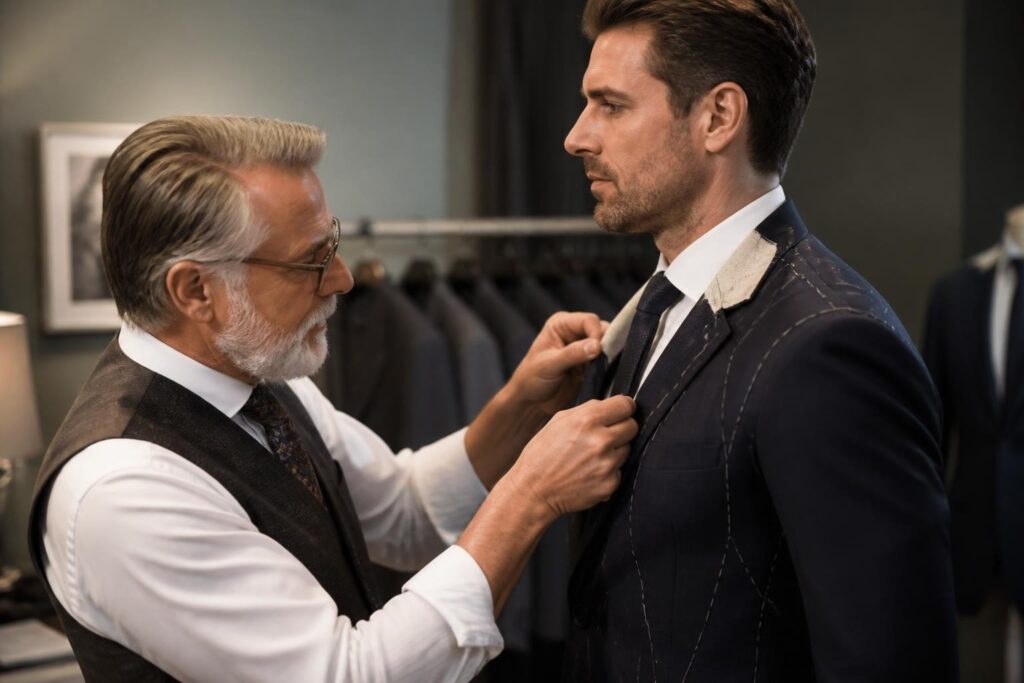
Finding a reliable mens tailor near me has become increasingly important as professionals return to office environments and demand for custom-fit clothing surges. Whether you need a perfectly tailored suit for business meetings, a custom shirt that fits your unique proportions, or alterations to existing garments, choosing the right tailor can transform your wardrobe and boost your confidence. The search for quality tailoring requires understanding what distinguishes exceptional craftsmanship from basic alterations, knowing which questions to ask during consultations, and recognizing the value of bespoke services.
Understanding the Value of Professional Tailoring
The resurgence of professional attire has created a significant shift in how men approach their wardrobes. According to recent industry data, retailers have witnessed substantial increases in tailoring demand as commuting patterns change and workplace dress codes evolve. This renewed interest extends beyond simply purchasing ready-to-wear items to seeking personalized garments that reflect individual style and fit requirements.
Professional tailoring offers benefits that off-the-rack clothing simply cannot match. Custom measurements ensure every garment drapes correctly on your body, eliminating common fit issues like tight shoulders, excessive fabric around the waist, or sleeves that bunch awkwardly. A skilled tailor considers your posture, build variations, and specific preferences to create clothing that moves with you naturally.
The Difference Between Alterations and Bespoke Tailoring
Many people use these terms interchangeably, but they represent distinct services:
- Änderungen: Modifying existing garments to improve fit (hemming pants, taking in jackets, adjusting sleeve length)
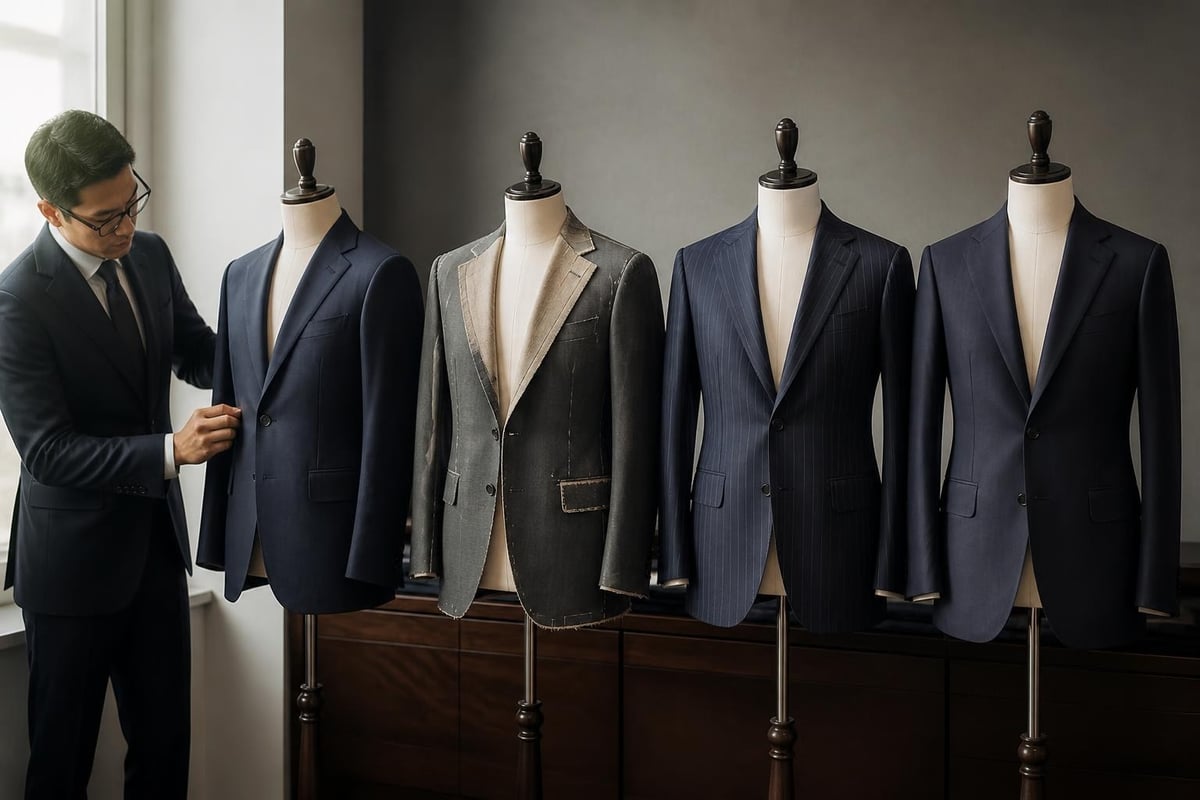
- Made-to-measure: Creating garments from standard patterns adjusted to your measurements
- Bespoke tailoring: Crafting completely custom patterns designed specifically for your body, with multiple fittings and handwork
- Repairs: Fixing damaged clothing, replacing buttons, mending tears
When searching for a mens tailor near me, understanding these distinctions helps you communicate your needs effectively and choose a tailor with the appropriate expertise for your project.
What to Look for When Searching Mens Tailor Near Me
The quality of your tailoring experience depends heavily on selecting a skilled professional who understands both technical craftsmanship and customer service. Several key factors distinguish exceptional tailors from average alteration services.
Experience and Specialization
A tailor's years in the profession directly correlate with their ability to handle complex projects and advise on style choices. Look for professionals with at least ten years of experience, particularly in the specific services you need. Some tailors specialize in formal menswear, while others excel at casual clothing or specific garment types.
The evolution of men’s tailoring now incorporates both traditional techniques and modern innovations, creating hybrid approaches that balance craftsmanship with efficiency. Experienced tailors adapt to these changes while maintaining quality standards.
| Quality Indicator | What to Assess | Warum es wichtig ist |
|---|---|---|
| Portfolio | Review photos of completed work | Shows range and skill level |
| Consultation Process | Depth of initial discussion | Indicates attention to detail |
| Fabric Knowledge | Understanding of materials | Ensures appropriate recommendations |
| Fitting Procedures | Number of fittings offered | Reflects commitment to perfect fit |
| Durchlaufzeit | Realistic scheduling | Shows workload management |
Fabric Selection and Sourcing
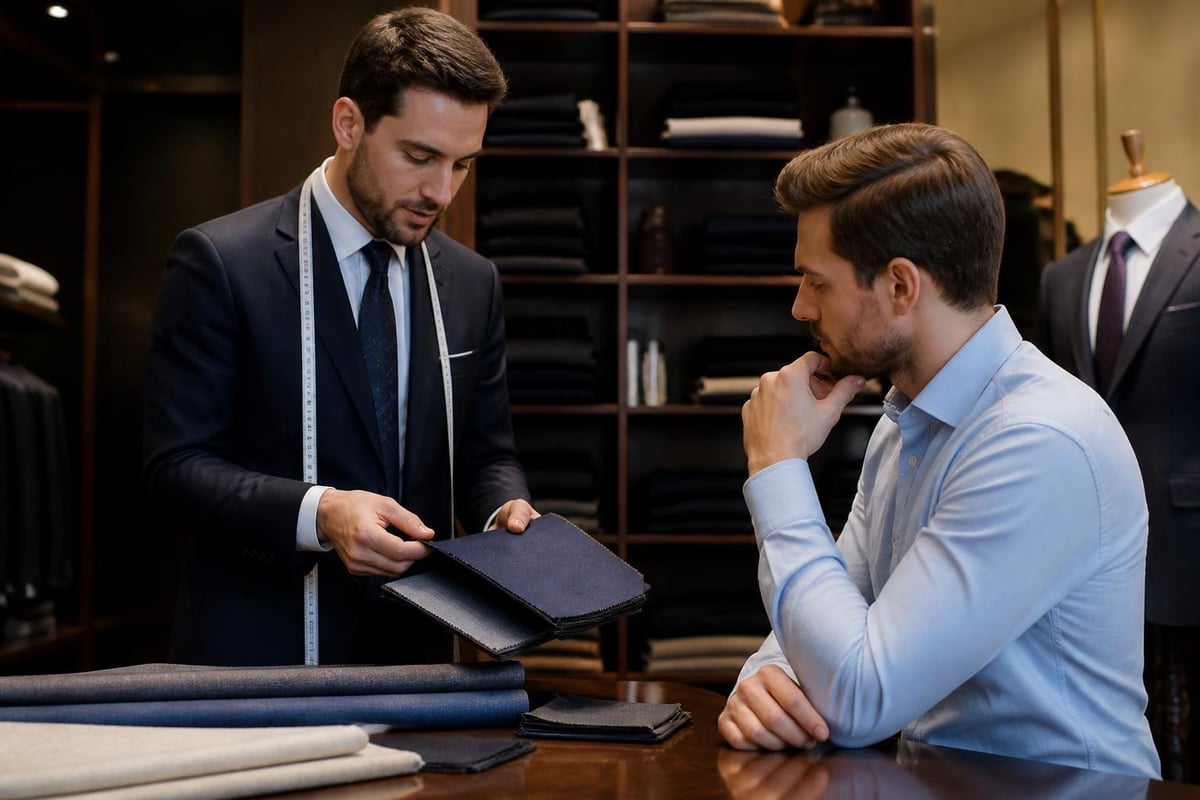
Superior tailors maintain relationships with quality fabric suppliers and offer extensive material choices. During your consultation, a knowledgeable professional should discuss fabric weights, weaves, patterns, and seasonal appropriateness. They should explain how different materials drape, breathe, and wear over time.
World-class fabrics make a significant difference in how garments look and feel. Italian wools, Egyptian cottons, and specialty blends each serve specific purposes. Your tailor should guide you toward materials that match your lifestyle, climate requirements, and budget without pushing unnecessarily expensive options.
The Consultation Process: Setting Expectations
Your initial consultation reveals much about a tailor's professionalism and approach. This meeting establishes the foundation for your working relationship and determines whether the tailor can deliver what you envision.
Key Questions During Your First Visit
Come prepared with specific questions that help you evaluate expertise:
- How long have you specialized in men's tailoring?
- What is your experience with the specific garment type I need?
- How many fittings does your process typically include?
- What is your typical turnaround time for custom pieces?
- Do you offer fabric samples I can review at home?
- What is your alteration policy if adjustments are needed after completion?
A professional tailor welcomes these questions and provides detailed, confident answers. Vague responses or reluctance to discuss process details may indicate limited experience or poor communication practices.
Understanding the Measurement Process
Precision measurements form the cornerstone of quality tailoring. An experienced professional takes dozens of measurements, noting not just circumferences and lengths but also posture characteristics, shoulder slopes, and asymmetries common in most bodies.
The measurement session should feel thorough rather than rushed. Your tailor should explain what they're measuring and why certain dimensions matter for your specific garment. They might discuss how you prefer your pants to break over shoes or where you like your jacket sleeves to end.
Current Trends in Men's Custom Tailoring
Understanding contemporary tailoring trends helps you make informed decisions about style choices that remain relevant beyond a single season. The latest fashion developments emphasize functionality and structural innovation while maintaining classic silhouettes.
Modern Blazer and Suit Styles
Contemporary men's tailoring balances traditional construction with modern fits and details. Current preferences lean toward:
- Softer shoulder construction that appears more natural and less structured
- Shorter jacket lengths that create a more contemporary proportion
- Tapered trousers with clean lines and minimal break
- Functional details like working sleeve buttons and interior pockets designed for modern devices
These elements combine classic tailoring principles with practical considerations for today's lifestyle. When searching for a mens tailor near me, look for professionals who understand both timeless techniques and current style evolution.
Nachhaltigkeit und ethische Erwägungen
The high-end customization market increasingly emphasizes sustainable practices and ethical sourcing. Discriminating customers now ask about fabric origins, production methods, and the longevity of garments. Quality tailoring inherently supports sustainability by creating durable pieces designed to last decades rather than seasons.
Bespoke tailoring reduces waste through precise cutting and thoughtful construction. Unlike mass production, custom creation generates minimal excess material and produces garments you'll maintain and repair rather than discard.
The Fitting Process: What to Expect
Multiple fittings distinguish superior tailoring from basic alterations. This iterative process ensures perfect fit through gradual refinement.
First Fitting: Basted Construction
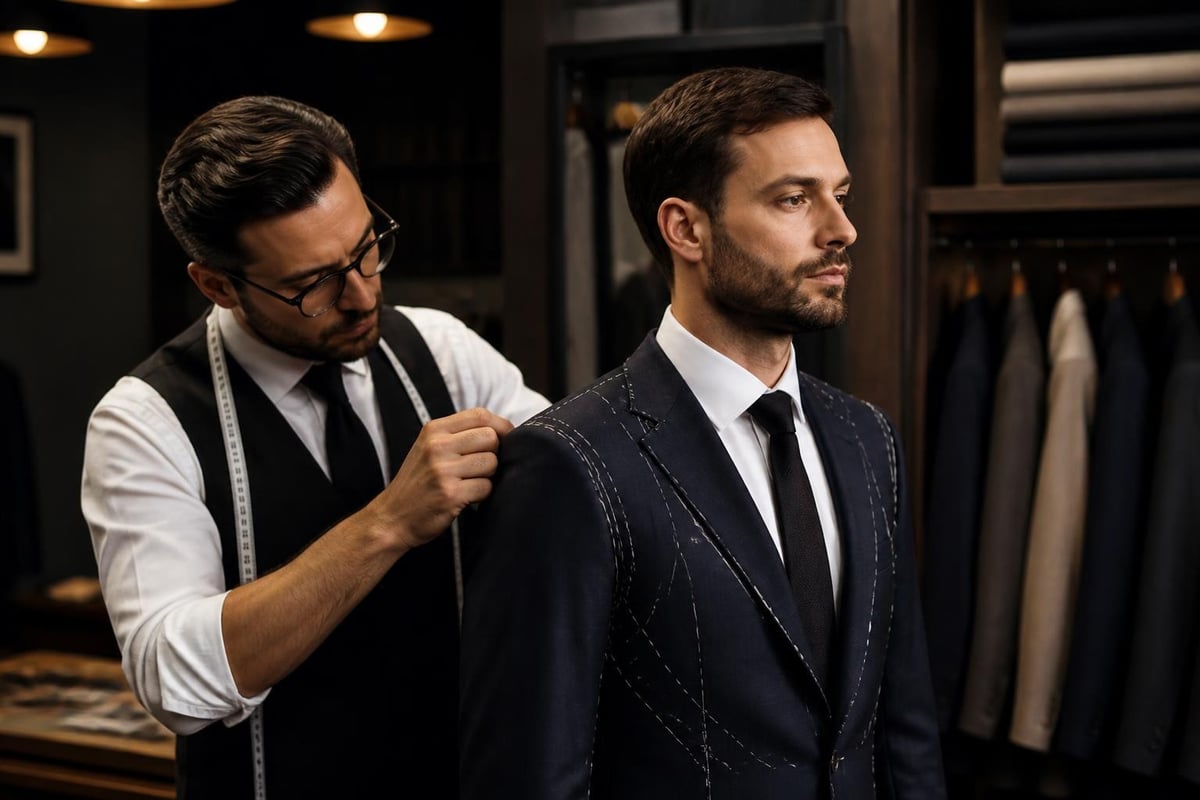
For bespoke suits, the first fitting typically involves a basted garment-pieces temporarily held together with loose stitches. This allows your tailor to make significant adjustments to the pattern before permanent construction begins.
During this session, you'll try on the garment and move naturally while your tailor observes how fabric behaves. They mark adjustments directly on the material, noting areas that need enlarging, reducing, or reshaping.
Subsequent Fittings: Refinement
Second and third fittings address progressively smaller details. The garment becomes more complete at each stage, moving from structural adjustments to finishing touches like button placement, pocket angles, and final length determinations.
Your tailor should encourage honest feedback during fittings. Communicate any discomfort or concerns, no matter how minor they seem. Adjustments made during fittings are far easier than alterations after completion.
Common Tailoring Services and Pricing Considerations
Understanding typical services and their relative costs helps you budget appropriately and communicate needs clearly when contacting a mens tailor near me.
Standard Services Offered
Most professional tailors provide a comprehensive range of services:
Basic Alterations:
- Hemming trousers and sleeves
- Taking in or letting out seams
- Adjusting jacket length
- Replacing zippers and buttons
Intermediate Services:
- Tapering pants throughout the leg
- Adjusting jacket shoulders
- Converting flat-front pants to pleated
- Shortening jacket sleeves from the shoulder
Advanced Custom Work:
- Creating bespoke suits from measurements
- Designing custom shirts with monogramming
- Crafting specialty garments like vests and formal wear
- Developing complete wardrobe collections
Investment and Value
Custom tailoring represents an investment in quality and longevity. While prices vary significantly based on fabric choices, construction methods, and geographic location, bespoke garments typically cost more than ready-to-wear alternatives initially but provide superior value over time.
| Art der Dienstleistung | Typical Range | Value Proposition |
|---|---|---|
| Basic Alterations | $15-75 per item | Improves fit of existing clothing |
| Made-to-Measure Shirt | $80-250 | Perfect fit, fabric choice, customization |
| Made-to-Measure Suit | $500-1,500 | Personalized fit, quality materials |
| Maßgeschneiderter Anzug | $1,500-5,000+ | Completely custom, multiple fittings, handwork |
Consider cost per wearing rather than absolute price. A well-constructed bespoke suit worn regularly for ten years provides exceptional value compared to multiple cheaper suits requiring frequent replacement.
Finding Local Tailors: Research Strategies
Digital tools and traditional methods both play roles in locating quality tailoring services in your area.
Online Research Approaches
Start your search with specific queries that yield relevant results. Simply searching "mens tailor near me" provides a starting point, but refining your search improves results:
- Add your specific location (neighborhood or district)
- Include the service type you need ("bespoke suits" or "shirt alterations")
- Look for customer reviews on multiple platforms
- Check business websites for portfolios and service descriptions
Social media platforms often showcase tailors' work through photos of completed projects. Review these galleries to assess style compatibility and craftsmanship quality before scheduling consultations.
Evaluating Reviews and Testimonials
Customer feedback provides valuable insights, but interpret reviews critically:
Positive indicators include:
- Specific mentions of fit quality and attention to detail
- Comments about communication and professionalism
- References to successful resolution of complex projects
- Repeat customers and long-term relationships
Warning signs to notice:
- Complaints about missed deadlines or poor communication
- Multiple mentions of fit issues after completion
- Inconsistent quality across different projects
- Unwillingness to make adjustments or corrections
Remember that even excellent tailors occasionally receive negative reviews. Look for patterns in feedback rather than reacting to isolated complaints.
Special Considerations for Different Body Types
Exceptional tailors excel at addressing unique fitting challenges that standard sizing cannot accommodate. Understanding how professionals approach various body types helps you communicate your needs effectively.
Athletic Builds
Men with developed shoulders and chests relative to their waists often struggle with ready-to-wear clothing that fits shoulders but bags around the middle. A skilled tailor creates patterns that accommodate muscular proportions while maintaining clean lines and proper drape.
Tall and Slim Frames
Finding appropriate sleeve lengths and jacket lengths challenges taller men. Custom tailoring ensures proportions remain balanced while achieving necessary measurements. Fabric selection also matters, as certain patterns and weights can make slim frames appear more substantial or more slight depending on desired effects.
Unique Proportions
Asymmetries, posture variations, and other individual characteristics receive proper attention through bespoke services. Your tailor should measure both sides of your body separately and account for differences in the pattern construction.
The Role of Technology in Modern Tailoring
While traditional craftsmanship remains central to quality tailoring, technological innovations enhance precision and customer experience. Some tailors now incorporate digital measuring tools, 3D visualization software, and advanced pattern-making systems.
These tools complement rather than replace skilled handwork. Research in digital tailoring explores how technology can predict garment behavior and improve fit accuracy, but the human element of assessing drape and making subjective style decisions remains irreplaceable.
Building a Long-Term Relationship with Your Tailor
Finding a reliable mens tailor near me marks the beginning of a potentially lifelong professional relationship. As your tailor becomes familiar with your preferences, body characteristics, and lifestyle needs, service becomes increasingly personalized and efficient.
Maintaining Your Investment
Quality garments require proper care to maintain their appearance and structure. Your tailor should provide specific maintenance guidance for each piece, including:
- Appropriate cleaning methods (dry cleaning frequency, hand washing, professional pressing)
- Storage recommendations (proper hangers, garment bags, seasonal rotation)
- Minor repair handling (when to attempt simple fixes versus seeking professional help)
- Refresh services (re-pressing, button replacement, minor alterations as your body changes)
Regular maintenance extends garment life significantly and preserves the investment you've made in custom clothing.
Wardrobe Development Over Time
As you work with your tailor across multiple projects, they develop deep understanding of your style evolution and can offer increasingly sophisticated advice. This ongoing relationship enables cohesive wardrobe development rather than isolated purchases.
Many clients establish regular schedules with their tailors-annual suit additions, seasonal shirt refreshes, or special occasion garments. This consistency ensures you always have appropriately tailored clothing for professional and social occasions.
Navigating Challenges in the Tailoring Industry
The declining tailoring workforce presents challenges for customers seeking quality services. As experienced professionals retire, finding skilled craftspeople becomes increasingly important. This scarcity makes discovering and maintaining relationships with quality tailors more valuable than ever.
Support your tailor's business through timely payments, referrals, and realistic expectations about turnaround times. Understanding that quality work requires time helps maintain good professional relationships and ensures your tailor can continue providing excellent service.
Preparing for Your Tailoring Appointment
Maximize the value of your consultation through proper preparation. Arrive with clear ideas about what you need but remain open to professional guidance.
What to Bring
- Reference images: Photos of styles you admire help communicate visual preferences
- Existing garments: Bring items that fit well or poorly to illustrate your concerns
- Event information: Details about occasions requiring new clothing help your tailor recommend appropriate styles
- Budget parameters: Honest budget discussion ensures recommendations align with financial reality
Questions About Specific Garments
Different clothing items involve distinct considerations. For shirts, discuss collar styles, cuff preferences, and fit through shoulders and chest. For trousers, address rise height, leg taper, and break preferences. Suit consultations require decisions about lapel width, button configurations, pocket styles, and overall silhouette.
Your tailor should explain options and their implications rather than simply executing your requests without context. This educational approach helps you make informed decisions that serve your long-term wardrobe needs.
Finding the right mens tailor near me transforms how you approach professional and formal dressing, ensuring every garment fits perfectly and reflects your personal style. Whether you need alterations to existing pieces or completely bespoke creations, working with experienced professionals delivers results that off-the-rack clothing cannot match. If you're in Krabi, Thailand, or planning a visit, Alex’s Fashion brings over 30 years of bespoke tailoring expertise to create custom garments using world-class fabrics with meticulous attention to detail. Their team specializes in creating perfectly fitted clothing for any occasion, ensuring satisfaction through personalized service and exceptional craftsmanship.