
 DE
DE  EN
EN  FR
FR  TH
TH 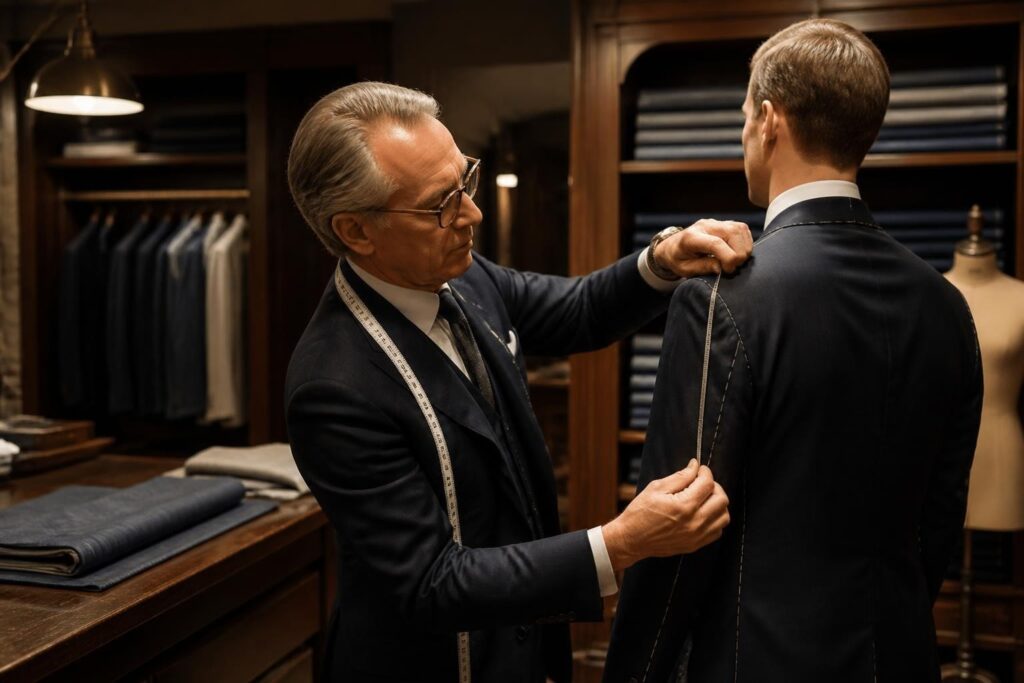
The tradition of london bespoke tailors represents one of the most refined and enduring crafts in the fashion world. For centuries, these master craftsmen have perfected the art of creating custom garments that fit each client's unique body shape, style preferences, and lifestyle requirements. From the legendary houses lining Savile Row to the principles that have spread across the globe, the expertise cultivated in London's tailoring district continues to set the benchmark for exceptional quality and personalized service. Understanding this heritage provides valuable insight into what makes truly exceptional bespoke tailoring, regardless of where you find it.
The Historical Foundation of London's Tailoring Excellence
The story of london bespoke tailors begins with Savile Row’s transformation into the heart of London tailoring during the 19th century. This prestigious street became synonymous with the highest standards of custom clothing creation. The area attracted wealthy gentlemen seeking garments that reflected their status and individual taste.
The Birth of Modern Bespoke Standards
During the Victorian era, tailoring houses established rigorous standards that would define bespoke craftsmanship for generations. These standards included:
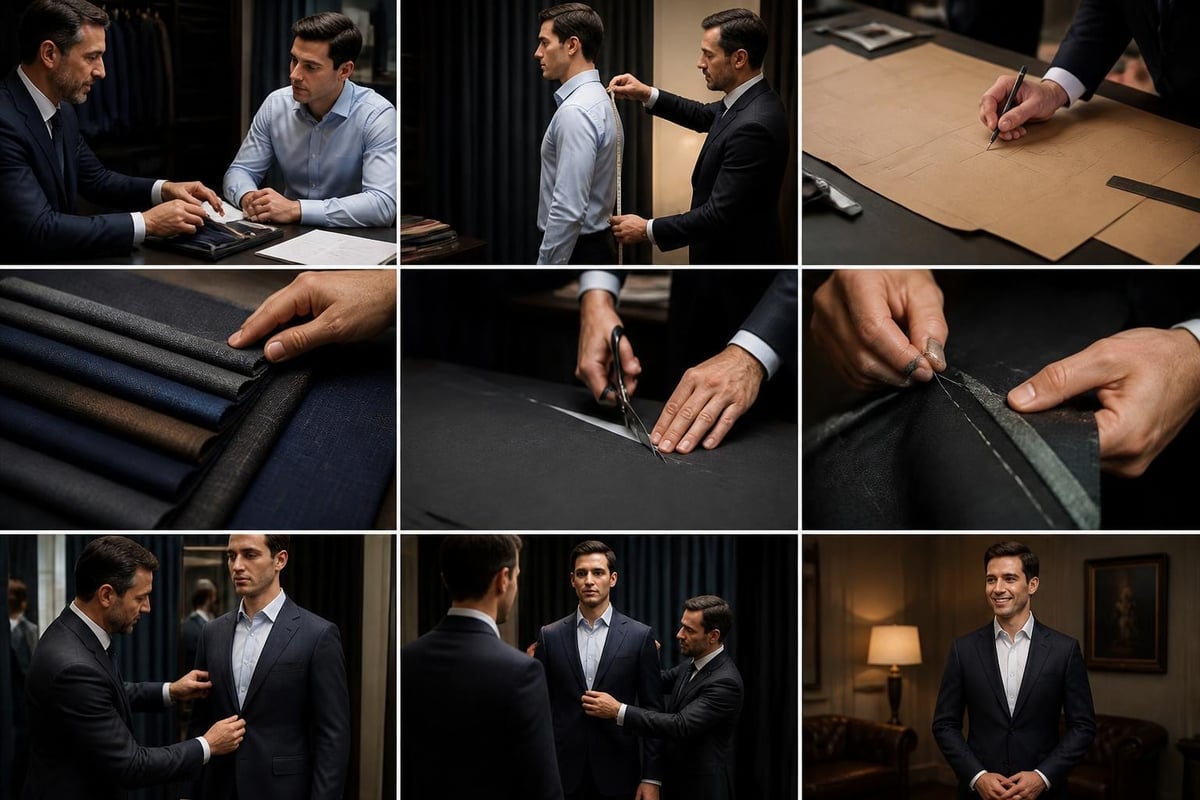
- Multiple fitting sessions to ensure perfect proportions
- Hand-stitched construction methods that allow garments to move naturally with the body
- Detailed pattern drafting based on individual measurements
- Selection from premium fabric collections sourced from the finest mills
- Long-term client relationships spanning decades
The development of these practices created a template that skilled tailors worldwide would study and adapt. The evolution of bespoke tailoring demonstrates how these fundamental principles have remained constant even as fashion trends have shifted dramatically over time.
Legendary Houses That Shaped the Industry
Several pioneering firms established the reputation that london bespoke tailors enjoy today. Henry Poole & Co.’s definition of Savile Row style illustrates how innovation and tradition can coexist. Founded in 1806, Poole is credited with inventing the dinner jacket and serving royalty across multiple continents.
These establishments didn't just create clothing; they developed relationships with clients that often passed down through family generations. A grandfather's tailor would naturally become the tailor for his sons and grandsons, preserving style preferences and fit specifications across decades.
Defining Characteristics of Exceptional Bespoke Tailoring
What distinguishes london bespoke tailors from other clothing creators extends far beyond the simple act of custom measurements. The true hallmark lies in the comprehensive approach to garment construction and client service.
The Measurement and Pattern Process
Professional bespoke tailors take between 20 to 30 individual measurements for a single suit. These measurements capture not just basic dimensions but subtle asymmetries that exist in every human body. One shoulder may sit slightly higher than the other, or one arm may be marginally longer.
| Measurement Category | Number of Points | Purpose |
|---|---|---|
| Torso & Chest | 8-10 | Jacket body fit and drape |
| Arms & Shoulders | 6-8 | Sleeve pitch and movement |
| Waist & Seat | 4-6 | Trouser fit and comfort |
| Posture & Balance | 4-6 | Overall garment hang |
From these measurements, skilled pattern cutters draft unique paper patterns that will never be used for another client. This pattern becomes the blueprint for creating a garment that fits one person perfectly.
Hand Construction Techniques
The construction methods employed by traditional london bespoke tailors involve extensive handwork that machines cannot replicate. A single bespoke suit typically contains several thousand individual hand stitches. These stitches serve functional purposes beyond aesthetics.
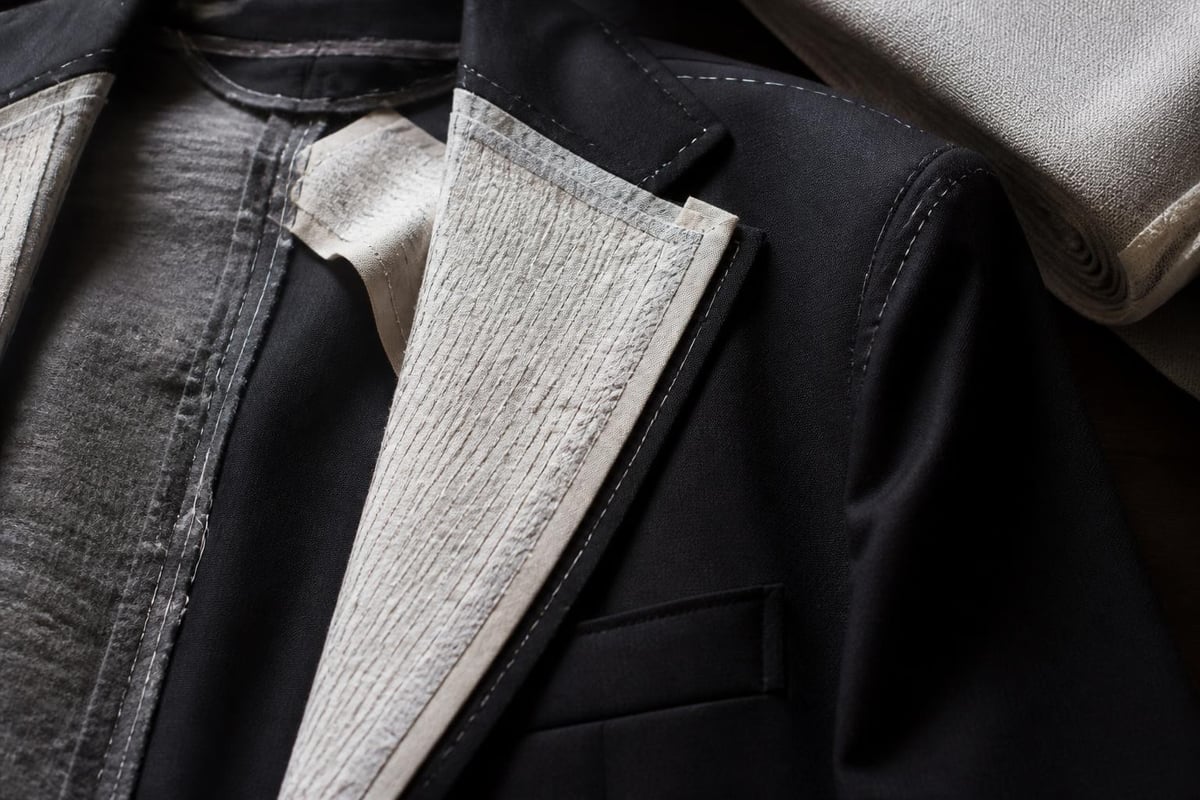
Hand-sewn buttonholes, for example, are more durable and flexible than machine-made versions. The canvas layer inside the jacket front is attached with loose stitches that allow the fabric to move and breathe, creating a garment that molds to the wearer's body over time rather than fighting against it.
The Modern Evolution of Bespoke Tailoring Standards
While london bespoke tailors established foundational standards, the craft has evolved to meet contemporary needs without sacrificing essential quality. Modern clients often have different lifestyle requirements than their predecessors, demanding versatility that earlier generations didn't necessarily need.
Adaptation to Global Clientele
Today's exceptional tailors serve clients from diverse cultural backgrounds and climates. A business professional might need suits that transition from air-conditioned offices to tropical heat, or formal wear suitable for various international business customs. This global perspective has enriched the bespoke tradition rather than diminishing it.
At Alex’s Fashion, the principles learned from London's heritage combine with understanding of how clients in different environments need their garments to perform. The attention to detail and commitment to perfect fit remain constant, regardless of whether the client is preparing for a London boardroom or a beachside celebration.
Fabric Innovation and Selection
Modern london bespoke tailors offer fabric choices that would astound their historical predecessors. While traditional worsteds and tweeds remain popular, technological advances have created materials that combine natural fibers with performance characteristics:
- Wrinkle-resistant wools that maintain their crisp appearance during travel
- Breathable fabrics with moisture-wicking properties for warm climates
- Stretch materials that provide comfort without sacrificing structure
- Sustainable and ethically sourced textiles meeting contemporary values
These innovations expand possibilities without compromising the fundamental quality standards that define bespoke work.
Key Elements That Define Superior Bespoke Service
The reputation of london bespoke tailors rests not solely on construction techniques but on the complete client experience. This holistic approach separates true bespoke service from mere custom alterations.
The Consultation Process
An initial consultation with an expert tailor should be comprehensive and unhurried. During this conversation, the tailor learns about:
- The client's lifestyle and how garments will be worn
- Personal style preferences and any inspiration images
- Existing wardrobe pieces to ensure coordination
- Budget parameters and timeline requirements
- Special occasions or specific needs the garment must address
- Fabric preferences regarding weight, texture, and pattern
This information gathering enables the tailor to guide fabric selection and style recommendations appropriately. A skilled tailor educates clients about options rather than simply taking orders.
Multiple Fittings and Adjustments
The fitting process typically involves three to four sessions for a new client. The first fitting occurs with the garment basted together, allowing major adjustments to be made before final stitching. Subsequent fittings refine the fit progressively.
| Fitting Stage | Purpose | Adjustments Made |
|---|---|---|
| First Baste | Check overall proportions | Major alterations to structure |
| Second Fitting | Refine details | Sleeve length, trouser break, minor adjustments |
| Final Fitting | Confirm perfection | Minimal tweaks, button placement |
| Lieferung | Present finished garment | Care instructions, maintenance advice |
This methodical approach ensures that the final garment achieves the precise fit and drape that justifies the investment in bespoke tailoring.
Understanding Value in Bespoke Investment
Clients new to bespoke tailoring sometimes question the pricing compared to ready-to-wear options. The value proposition of work from skilled london bespoke tailors extends beyond the initial purchase.
Longevity and Cost Per Wear
A properly constructed bespoke garment, when maintained appropriately, can last decades. The hand-stitched construction allows for repairs and alterations that would be impossible with fused, machine-made clothing. This durability means the effective cost per wearing decreases significantly over time.
Quality factors that extend garment life:
- Hand-sewn seams that can be let out or taken in as body shape changes
- Replaceable buttons sourced from sustainable materials
- Reinforced stress points at pockets and button positions
- Quality linings that can be replaced without affecting the exterior
- Timeless styling that transcends seasonal trends
The Confidence Factor
Beyond tangible construction quality, bespoke garments provide intangible benefits that impact professional and personal confidence. Clothing that fits perfectly eliminates the distractions of discomfort or self-consciousness about appearance. What defines exceptional menswear often includes this element of confidence that comes from knowing you're impeccably dressed.
Choosing the Right Tailor for Your Needs
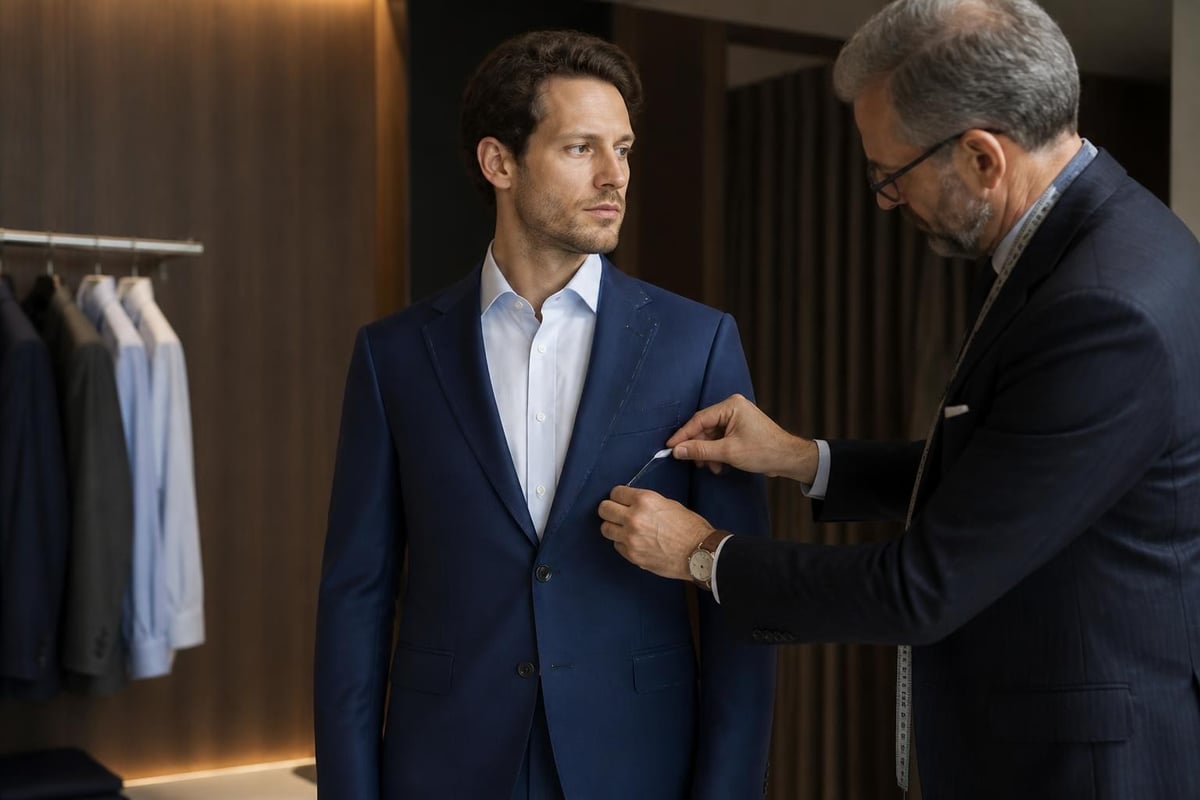
While the prestige of london bespoke tailors is well-deserved, exceptional tailoring exists beyond geographic boundaries. The principles and skills that made London famous have been studied and mastered by dedicated craftspeople worldwide.
Essential Qualities to Seek
When evaluating any bespoke tailor, certain characteristics indicate genuine expertise:
- Extensive experience demonstrated through years in practice
- Portfolio of work showing range and skill across different styles
- Clear communication about process, timeline, and pricing
- Quality fabric sources from reputable mills and suppliers
- Attention to detail evident in finished garments and consultation
- Client testimonials reflecting satisfaction with both product and service
These factors matter more than the specific street address of the tailoring shop. A skilled craftsperson who has studied traditional techniques and applies them with modern understanding can create garments rivaling any prestigious location.
The Importance of Ongoing Relationships
The best bespoke tailoring experiences develop into long-term relationships. As your tailor learns your preferences, body shape, and lifestyle, subsequent garments require less extensive consultation. Your pattern remains on file, and adjustments account for any changes over time.
This relationship aspect echoes the heritage of Savile Row, where families maintained relationships with specific tailoring houses across generations. Modern clients benefit from this same continuity when they find a tailor who understands their needs.
The Bespoke Process From Start to Finish
Understanding what to expect during the bespoke creation process helps clients appreciate the craftsmanship involved and participate effectively in creating their perfect garment.
Timeline Expectations
Traditional london bespoke tailors typically require eight to twelve weeks for a first suit, though this can vary based on complexity and current workload. Rush services may be available for additional fees, but quality should never be compromised for speed.
Typical timeline breakdown:
- Week 1-2: Initial consultation, measurement, and fabric selection
- Week 3-4: Pattern drafting and cutting
- Week 5-6: Initial construction and first fitting
- Week 7-8: Adjustments and second fitting
- Week 9-10: Final construction and detailing
- Week 11-12: Final fitting and delivery
Clients should plan accordingly, especially when ordering for specific events. Starting the process well in advance eliminates pressure and allows for optimal results.
Care and Maintenance
Proper care extends the life of bespoke garments significantly. Professional tailors provide specific guidance based on the fabrics and construction of each piece. General principles include:
- Professional dry cleaning only when necessary, as excessive cleaning shortens fabric life
- Proper hanging on substantial wooden hangers that support shoulders
- Rotation among suits to allow fabrics to rest and recover between wearings
- Brushing with a garment brush after each wearing to remove dust and lint
- Prompt attention to minor repairs before they become major problems
Many bespoke tailors offer lifetime maintenance services, including button replacement, minor repairs, and alterations as body shape changes. This ongoing relationship adds value beyond the initial purchase.
Regional Variations in Bespoke Tailoring Styles
While london bespoke tailors established many conventions, different regions developed distinct aesthetic approaches. Understanding these variations helps clients articulate their style preferences.
British Versus Continental Silhouettes
Traditional British tailoring, particularly the Savile Row style, emphasizes structure and definition. Jackets feature strong shoulders, defined waists, and substantial chest pieces that create a commanding presence. This style projects authority and formality.
Italian tailoring, by contrast, typically features softer construction with lighter shoulder padding and more relaxed fits. The aesthetic prioritizes elegance and ease over rigid structure. Neither approach is superior; they simply serve different style preferences and contexts.
| Style Element | British Approach | Italian Approach |
|---|---|---|
| Shoulder | Structured, defined | Natural, soft |
| Taille | Suppressed, fitted | Gentle taper |
| Chest | Full canvas, prominent | Lighter construction |
| Overall Feel | Formal, authoritative | Relaxed, elegant |
American and Asian Influences
American tailoring historically favored natural shoulders and looser fits, though contemporary American bespoke has incorporated elements from both British and Italian traditions. Asian tailoring markets have developed expertise in combining traditional techniques with modern style preferences, often offering excellent value alongside high quality.
The global exchange of ideas has enriched bespoke tailoring, allowing clients to select elements from various traditions to create garments perfectly suited to their needs and contexts.
The Future of Bespoke Tailoring Traditions
Despite predictions that bespoke tailoring would decline in our casual age, the craft has experienced renewed appreciation. Clients increasingly value the sustainability, individuality, and quality that bespoke garments represent.
Technology and Tradition
Modern london bespoke tailors are selectively incorporating technology without abandoning hand craftsmanship. Digital measuring systems can supplement traditional tape measurements for consistency, though skilled tailors recognize that human judgment remains essential for interpreting measurements and accounting for posture and movement.
3D body scanning offers promise for clients who cannot visit for multiple fittings, though the technology still cannot replace the insight of an experienced eye during the fitting process. The most successful modern tailors use technology as a tool that enhances rather than replaces traditional skills.
Sustainability and Conscious Consumption
The bespoke model aligns perfectly with contemporary values around sustainable fashion. Creating garments designed to last decades rather than seasons reduces waste dramatically. The ability to repair and alter garments extends their useful life indefinitely.
This sustainability aspect attracts younger clients who might otherwise avoid formal tailoring. They recognize that investing in fewer, better pieces represents both environmental responsibility and economic sense over time.
The heritage established by london bespoke tailors over centuries demonstrates that exceptional craftsmanship transcends geography, creating value through attention to detail, perfect fit, and enduring quality. Whether you're drawn to the prestige of historic tailoring houses or seeking skilled craftspeople who apply these same principles in other locations, the fundamental standards remain constant. For those ready to experience bespoke tailoring that combines traditional techniques with modern understanding, Alex’s Fashion brings over 30 years of expertise to creating custom garments for men, women, and children, ensuring each piece reflects your individual style and fits perfectly for years to come.