
 DE
DE  EN
EN  FR
FR  TH
TH 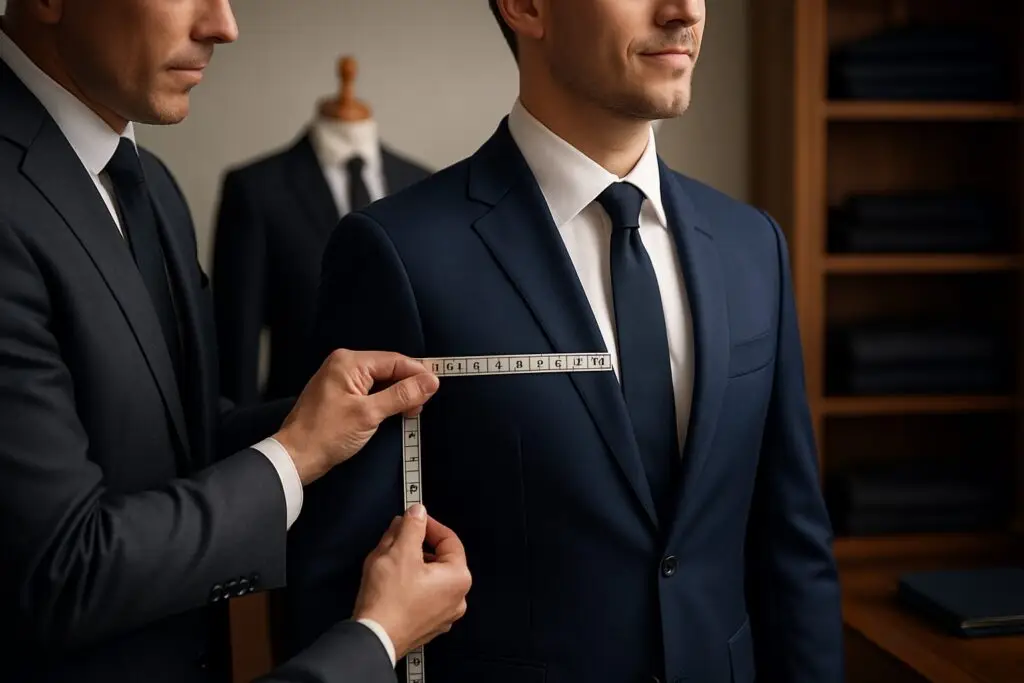
Imagine stepping into a room in 2026, wearing a suit made just for you. Every seam, every fabric choice, perfectly expresses your personal style and confidence.
Buying a tailored suit is more than a fashion statement—it is a thoughtful investment in your appearance and comfort. This essential guide will simplify each step, ensuring your experience is informed and rewarding.
Discover why tailored suits remain a symbol of timeless style, how to select the best tailor and materials, what to expect during fittings, and the latest industry trends. Let us help you make choices that stand out now and in the years ahead.
Why Choose a Tailored Suit in 2026?
Imagine entering 2026 with a wardrobe anchored by a suit made just for you. Buying a tailored suit means embracing a level of personalization that simply cannot be matched by off-the-rack options. From choosing the fabric, color, and lining to selecting details like lapels and buttons, every aspect is shaped around your individual preferences.
Customization is at the heart of buying a tailored suit. Consider the range of choices:
- Select from hundreds of fabrics, including eco-friendly options.
- Decide on fit, from slim to relaxed silhouettes.
- Personalize with monograms, unique lining, or contrast stitching.
This level of control over the final product is why more people are gravitating toward custom garments. According to recent studies, 68% of suit buyers now prefer tailored options, citing comfort and silhouette as their main reasons.
The perfect fit is more than comfort—it shapes your presence. A suit that is measured and constructed for your unique body type enhances confidence and credibility. For professionals, buying a tailored suit can make a significant difference in how they are perceived in business and formal settings.
| Factor | Tailored Suit | Off-the-Rack Suit |
|---|---|---|
| Customization Level | Hoch | Low |
| Average Longevity | 8–10 years | 4–5 years |
| Preferred by Executives | 72% | 28% |
Longevity is another reason buying a tailored suit remains an intelligent investment. Bespoke suits often last twice as long as mass-produced alternatives due to superior materials and construction. The durability of these suits means fewer replacements and less wardrobe waste over time.
Sustainability is now a major consideration in fashion. Tailored garments produce less waste since they are made to order, aligning with the values of eco-conscious consumers. In fact, a 2025 GlobalData report highlighted how tailored clothing reduces textile waste and encourages mindful consumption.
Technological advancements have also transformed the experience of buying a tailored suit. Innovations such as 3D body scanning and AI-driven design tools ensure a precise fit and help visualize customizations before a single cut is made. These tools not only enhance accuracy but also streamline the tailoring process, making it more accessible and efficient than ever.
If you want to explore further, the Best Tailored Suits Guide provides comprehensive insights into why tailored suits are the preferred choice for discerning buyers in 2026.
Executives and wedding parties are increasingly choosing bespoke suits for milestone events. The confidence that comes from a perfectly fitted, personalized garment leaves a lasting impression, whether at the boardroom table or walking down the aisle. Buying a tailored suit is more than a purchase—it is an investment in style, sustainability, and self-assurance that endures.
Understanding the Tailoring Process
Embarking on the journey of buying a tailored suit can feel both exciting and complex. Understanding each stage of the tailoring process ensures you make informed decisions, achieve the perfect fit, and get a suit that reflects your personal style. Let us walk through the essential steps you will encounter, from selecting the right artisan to the final fitting.
Step 1: Choosing the Right Tailor
Selecting the right professional is a foundational part of buying a tailored suit. Reputation matters, so start by researching reviews, examining portfolios, and considering years of experience. Look for tailors who specialize in the type of suit you need, whether formal, business, or casual.
Consultations are your chance to discuss preferences, view sample work, and gauge communication style. Some tailors offer multilingual service and satisfaction guarantees, making them more accessible for international clients. Geographic location is also key; local tailors provide convenience, while destination tailors may offer unique craftsmanship.
To streamline your search, leverage resources like Choosing a Favorite Tailor to compare professionals based on expertise, service, and customer feedback. As more people prioritize personalization, finding a tailor who truly understands your vision is critical when buying a tailored suit.
Schritt 2: Auswahl von Stoffen und Materialien
Choosing the right fabric is central to buying a tailored suit that stands out and performs well. Wool remains the preferred option for its versatility, durability, and comfort, while linen and cotton offer breathable choices for warmer climates. Modern blends can provide additional stretch or wrinkle resistance.
A quick comparison of common fabric types:
| Stoff | Qualities | Am besten für |
|---|---|---|
| Wolle | Soft, durable, drapes | Alle Jahreszeiten |
| Leinen | Lightweight, cool | Summer, tropics |
| Baumwolle | Breathable, casual | Spring, summer |
| Mischungen | Stretch, easy care | Travel, daily use |
In 2026, earthy tones and subtle checks are on trend, with many buyers seeking eco-friendly options made from organic or recycled materials. According to the Fashion Transparency Index, 42% of buyers prioritized sustainable fabrics in 2025. When buying a tailored suit, always request fabric swatches to assess color, texture, and weight in person.
Schritt 3: Messungen und Beschläge
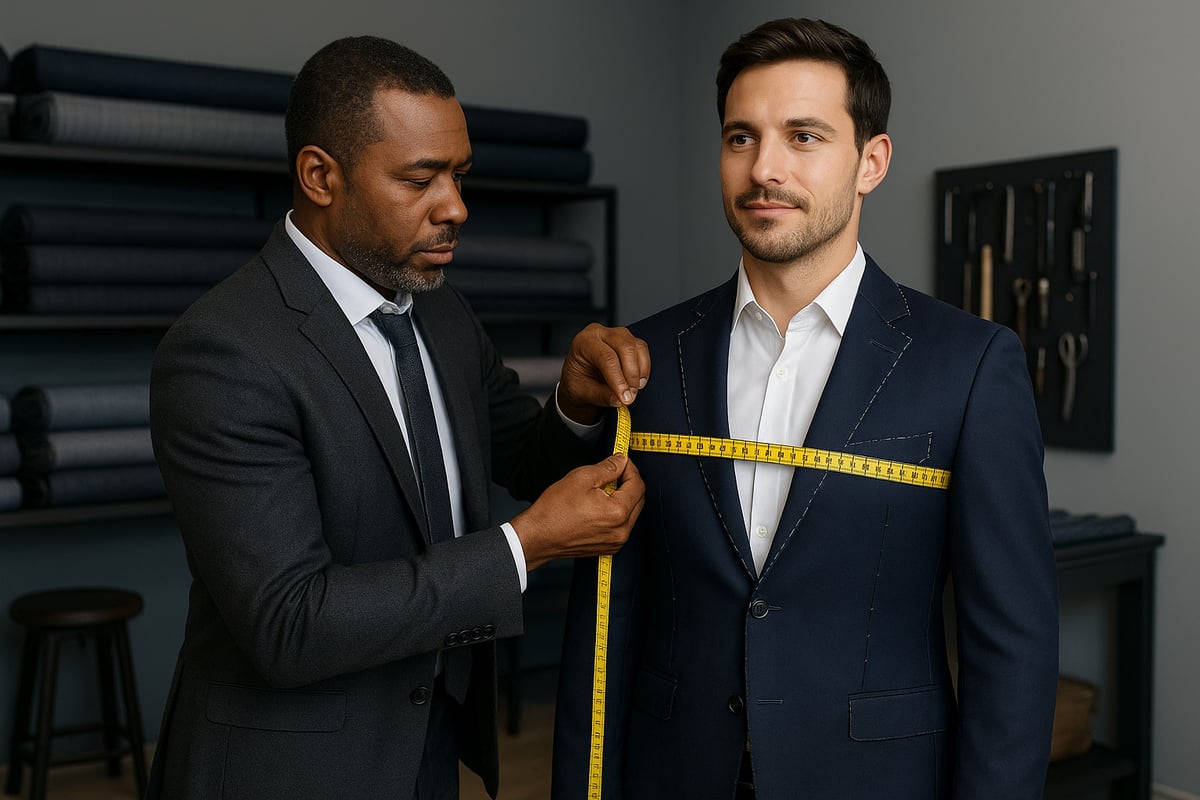
Precise measurements are the cornerstone of buying a tailored suit that fits flawlessly. Many tailors now utilize 3D body scanning to capture exact dimensions, minimizing human error and expediting the process. The initial fitting includes full-body measurements and posture analysis, followed by the selection of fit preferences and custom features such as lapels, cuffs, and linings.
The tailoring process typically involves several fittings:
- Initial fitting: Measurements and style discussion
- Basted fitting: Try-on of a partially constructed suit for major adjustments
- Final fitting: Fine-tuning sleeve length, waist, and trouser break
Digital previews let you visualize the finished product before final assembly. A typical client might begin with a consultation, progress through iterative fittings, and walk away with a suit that delivers comfort, style, and confidence. Throughout these stages, buying a tailored suit becomes a collaborative experience, ensuring every detail aligns with your expectations.
The Step-by-Step Guide to Buying a Tailored Suit
Embarking on the journey of buying a tailored suit in 2026 is both exciting and rewarding. Whether you are seeking a suit for business, a special occasion, or everyday sophistication, each step matters. This guide breaks down every phase of buying a tailored suit, ensuring you make confident and informed decisions at every stage.
Step 1: Define Your Purpose and Budget
The first step in buying a tailored suit is defining the purpose. Are you dressing for high-stakes business meetings, a wedding, or casual elegance? Your answer will shape every decision that follows.
Next, set a realistic budget. Prices for buying a tailored suit vary widely, influenced by fabric quality, construction, and customization. Decide early which features matter most to you. Investing in premium fabric or expert construction pays off in longevity and comfort.
Prioritize features that align with your needs. For formal events, you might want luxurious wool and classic styling. For travel, consider wrinkle-resistant blends. A clear vision and budget make the process of buying a tailored suit streamlined and stress-free.
Step 2: Research and Shortlist Tailors
Once you know your needs, start researching tailors. The reputation of the tailor is crucial when buying a tailored suit. Leverage online reviews on platforms like Google and Tripadvisor to gauge client satisfaction.
Seek recommendations from colleagues or style forums. Compare portfolios to ensure the tailor’s previous work matches your taste and expectations. Pay special attention to tailors who specialize in the type of suit you want, whether business, wedding, or casual.
Create a shortlist of two or three tailors. Look for consistency in quality, style alignment, and clear communication. This careful selection process is essential for buying a tailored suit that fits both your body and your aspirations.
Step 3: Book a Consultation
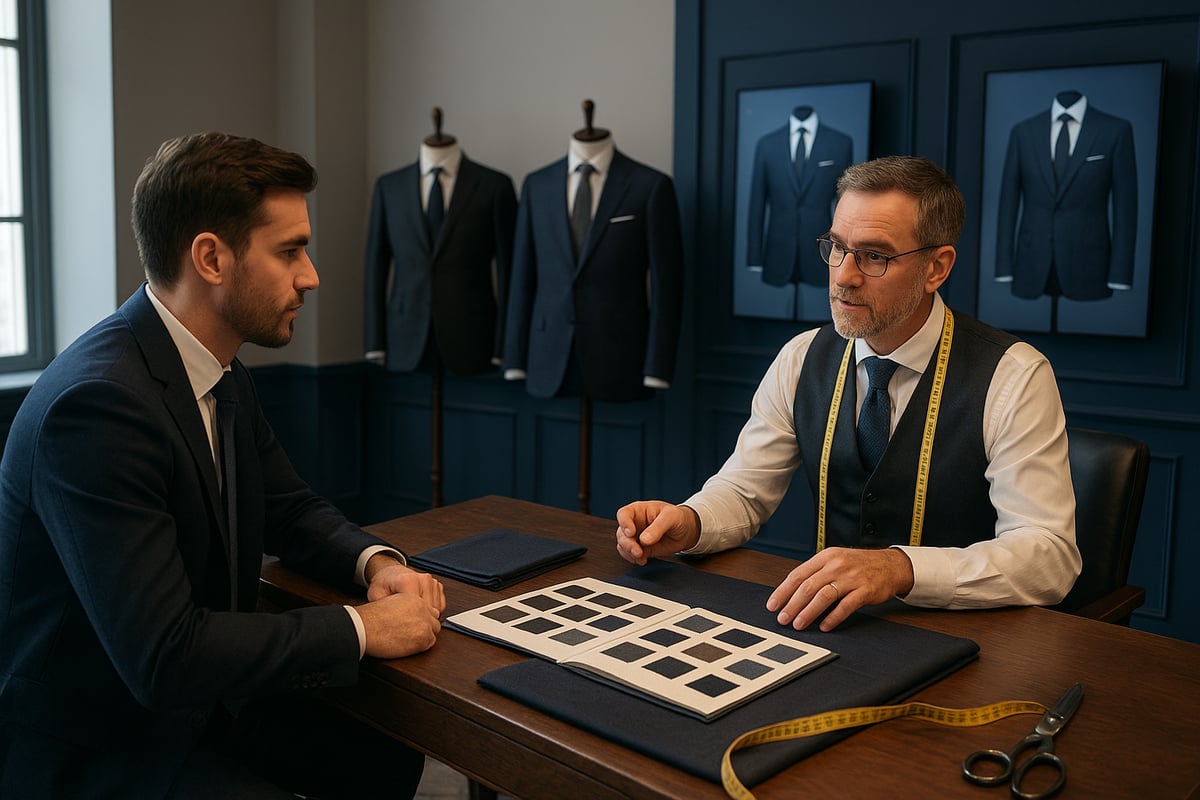
Booking a consultation is your next move in buying a tailored suit. Prepare by collecting inspiration images, noting your preferences, and listing any questions. A successful consultation sets the tone for the entire experience.
During your meeting, communicate your style, fit, and functional needs. Discuss the intended use, desired silhouette, and any must-have details. Ask about the expected timeline, which typically ranges from two to six weeks.
A detailed consultation ensures your tailor understands your vision. This early clarity helps avoid misunderstandings and keeps the process of buying a tailored suit on track.
Step 4: Select Fabric, Style, and Details
With your consultation complete, it is time to select fabrics, style, and unique details. In buying a tailored suit, fabric choice is foundational. Evaluate swatches in person to assess feel, drape, and color.
Decide between single or double-breasted designs, lapel widths, and pocket styles. Personalization options are nearly endless, from monograms to contrast stitching and custom linings.
Take your time during this phase. The right fabric and style choices will make your suit stand out while ensuring comfort and versatility. This step is where buying a tailored suit truly becomes personal.
Step 5: Measurements and Initial Fitting
Precision is key in buying a tailored suit. The measurement and fitting process ensures your suit fits perfectly and moves with you. Expect a full-body measurement session, including posture analysis and fit preferences.
Many tailors now use 3D body scanning for accuracy, minimizing human error. Multiple fittings may be scheduled to fine-tune the fit. For a detailed look at the fitting process and its benefits, visit the Maßgeschneiderte Kleidung Prozess.
Customization options—lapels, cuffs, buttons, linings—are finalized here. Buying a tailored suit is about achieving harmony between your style and the final product.
Step 6: Subsequent Fittings and Adjustments
After your initial fitting, you will have subsequent appointments to perfect your suit. The first fitting usually involves trying on a basted version, allowing for adjustments in length, waist, and shoulders.
Common tweaks include sleeve length, trouser break, and waist suppression. Most clients require at least two fittings when buying a tailored suit. This iterative process ensures the final garment fits like a second skin.
Your feedback is vital. Communicate any discomfort or desired changes. The goal is to leave with a suit that feels custom-made in every sense.
Step 7: Final Delivery and Aftercare Instructions
With all adjustments made, your suit is ready for delivery. Before accepting, conduct a thorough quality check to confirm every specification is met. Your tailor should provide aftercare instructions for cleaning, storage, and maintenance.
Proper care extends the life of your suit. Ask about warranty or alteration policies for future needs. By following these steps, buying a tailored suit becomes a seamless, enjoyable experience that delivers lasting value.
Key Trends in Tailored Suits for 2026
In 2026, buying a tailored suit means more than just selecting a fabric and fit. The industry is experiencing a wave of innovation, sustainability, and personalization. Let us explore the trends shaping the future of tailored suiting and what you should look for when buying a tailored suit.
Nachhaltige und intelligente Textilien
Sustainability is at the forefront when buying a tailored suit in 2026. Eco-friendly materials such as organic cotton, bamboo blends, and recycled synthetics are now standard options. These fabrics not only reduce environmental impact but also offer comfort and breathability. The integration of smart textiles is another game-changer. Linings with temperature regulation and moisture-wicking properties are increasingly popular, making suits more adaptable to different climates.
Market data reveals a 30% increase in smart fabric adoption over the past year. If you are interested in learning more about eco-friendly fabric options, see this overview of Sustainable Fabrics in Men’s Suits. As you consider buying a tailored suit, these advancements ensure both style and responsibility.
Modern Silhouettes and Design Innovations
Fashion-forward clients buying a tailored suit in 2026 are gravitating toward modern silhouettes. Relaxed fits, wider lapels, and cropped jackets reflect a blend of classic tailoring and contemporary style. This shift caters to those who value both tradition and comfort. Tech executives, for example, are often seen in softer, unstructured suits that allow for greater movement.
Design innovations extend to construction as well. Tailors are experimenting with lightweight canvassing and minimal padding, resulting in a more natural drape. Whether you prefer a timeless or avant-garde look, buying a tailored suit today means you can embrace new shapes without sacrificing elegance.
Personalization and Digital Customization
Personalization is redefining the experience of buying a tailored suit. AI-driven design tools allow clients to visualize every detail, from lapel width to button placement, before a single cut is made. Virtual try-ons and remote consultations have become common, expanding access to high-quality tailoring no matter your location.
Over half of professional tailors now offer online customization platforms. This digital evolution means you can personalize your suit from the comfort of your home. When buying a tailored suit, expect a seamless experience that puts your preferences front and center.
Color and Pattern Shifts
Color and pattern trends play a major role in buying a tailored suit in 2026. Earthy hues, muted pastels, and micro-patterns dominate the runways. These choices reflect a desire for versatility and subtle sophistication. Seasonal influences are strong, with lighter shades for spring and summer, while richer tones appear in autumn and winter.
Cultural trends also inspire new approaches to pattern and color. Micro-checks and soft stripes are favored for their understated elegance. When buying a tailored suit, explore these fresh palettes to express your individuality while remaining stylish.
How to Care for Your Tailored Suit
A tailored suit is an investment that deserves careful attention. Proper care not only preserves its elegance but also extends its lifespan. Whether you're new to buying a tailored suit or looking to refresh your maintenance routine, these strategies will help you protect your garment for years to come.
Cleaning and Maintenance
Understanding the right cleaning regimen is crucial after buying a tailored suit. Dry cleaning is recommended, but only occasionally. Frequent dry cleaning can wear down natural fibers, especially with premium wools or blends. For most suits, once or twice a season is sufficient unless you encounter noticeable stains.
For day-to-day upkeep, use a soft clothes brush to remove dust and lint. Spot clean minor stains with a damp cloth and mild detergent. Always test on an inconspicuous area first. For example, wool suits naturally resist wrinkles and odors, so they require less frequent cleaning compared to synthetic fabrics.
Follow these tips for optimal maintenance:
- Brush your suit after each wear to remove particles.
- Air out your suit for a few hours before storing.
- Use a steamer, not an iron, to release wrinkles and freshen fabric.
By following these steps, you ensure your suit remains crisp and ready for any occasion.
Storage and Longevity
Proper storage is essential when buying a tailored suit. Use wide, wooden hangers to support the jacket's structure and maintain its shape. Store your suit in a breathable garment bag to protect it from dust and moisture. Plastic covers should be avoided, as they can trap humidity and cause mildew.
Keep your suit away from direct sunlight to prevent color fading. Rotate your suits if you own several, allowing each one to rest between wears. This practice can increase suit longevity by up to 40 percent, making your investment in buying a tailored suit even more worthwhile.
To summarize:
- Hang suits on sturdy, shaped hangers.
- Store in a cool, dry place with good ventilation.
- Rotate wear to reduce fabric stress and prolong life.
Attention to these details will keep your suit looking its best for seasons to come.
Abwicklung von Reparaturen und Umbauten
Over time, even the finest suits require adjustments. Common signs include tightness, loose seams, or shifting buttons. When buying a tailored suit, it's wise to choose a tailor who offers aftercare services or warranties for future alterations.
Whenever possible, return to your original tailor for repairs. They understand the garment's construction and can make precise adjustments. If that's not feasible, select a reputable alterations specialist with experience in bespoke suits.
Some premium tailors, such as those featured at Premium Anzug Maßschneider, include comprehensive aftercare and satisfaction guarantees. This ensures that your tailored suit continues to fit perfectly and withstands the test of time.
By recognizing the need for timely repairs and entrusting your suit to skilled hands, you protect your investment and maintain a polished appearance.
Choosing the Right Tailor: Spotlight on Global Excellence
Selecting the right partner when buying a tailored suit is essential for achieving the perfect blend of style, comfort, and longevity. As the demand for personalized fashion grows, the stakes have never been higher. Discerning clients expect more than just a good fit—they seek craftsmanship, transparency, and a truly bespoke experience.
What Sets the Best Tailors Apart
Exceptional craftsmanship is the hallmark of a superior tailor. When buying a tailored suit, look for artisans who combine traditional handwork with innovative techniques. The best tailors select only premium fabrics, offering an array of choices like pure wool, linen, and sustainable blends.
Customer service should be as bespoke as the suit itself. Leading tailors provide transparent consultations, listen attentively to your preferences, and guide you through every stage of the process. They offer portfolios with diverse styles, ensuring that each creation is a reflection of your individuality.
Attention to detail, from precise stitching to perfect button placement, distinguishes top-tier tailoring. The right tailor considers your posture, body type, and needs, ensuring your investment in buying a tailored suit delivers both comfort and confidence.
Guarantees and Global Accessibility
Trustworthy tailors back their work with satisfaction guarantees or money-back policies. These assurances provide peace of mind, especially when buying a tailored suit for important occasions. Many renowned ateliers offer clear alteration and aftercare services, ensuring your suit remains impeccable for years.
Global accessibility is a growing standard. International travelers can now experience world-class tailoring in major cities and popular destinations. Some tailors offer multilingual service, remote consultations, and fast turnarounds, catering to a diverse clientele.
The global market for custom suits is expanding rapidly, driven by technological advances and the desire for personalized fashion. According to Custom Suits Market Growth Projections, the industry is set for significant growth, making buying a tailored suit an even more attractive option worldwide.
Alex’s Fashion: Bespoke Tailoring in Thailand
For those buying a tailored suit abroad, Alex’s Fashion in Ao Nang, Krabi, Thailand, stands out as a global leader. With over 30 years of experience, this atelier offers bespoke tailoring for men, women, and children, with every detail customized to your preferences. Clients can choose from a wide selection of world-class fabrics, including pure wool and linen, at transparent prices with no hidden fees.
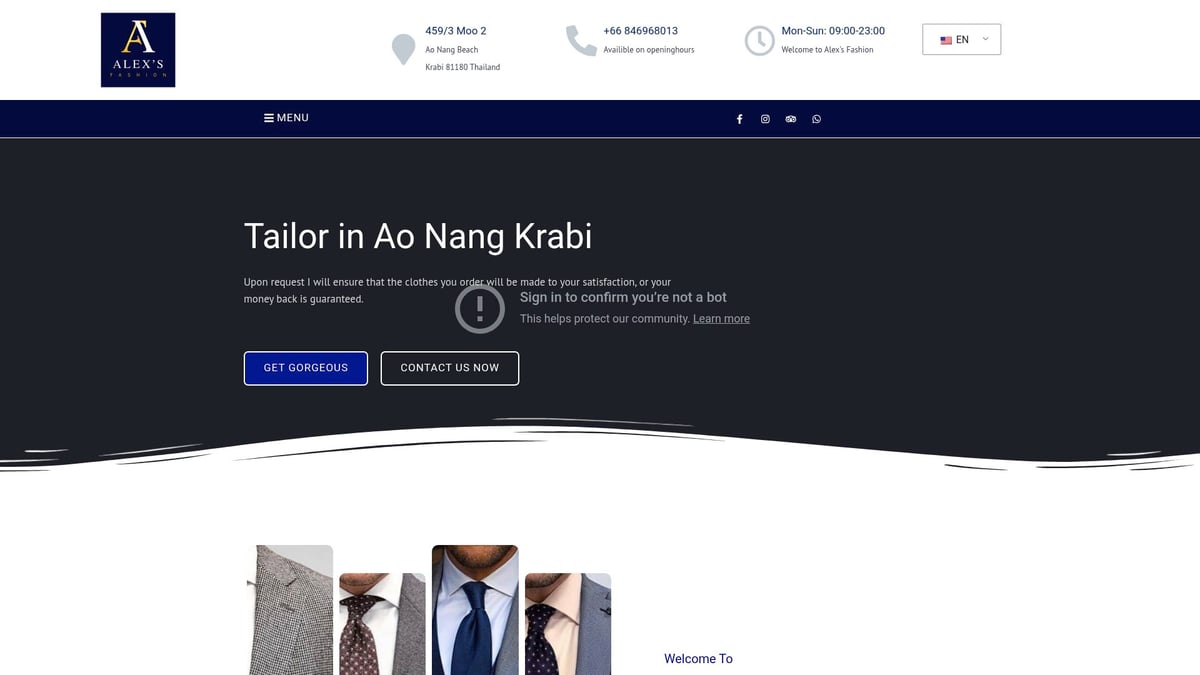
Alex’s Fashion is renowned for its multilingual service and swift turnaround, making it ideal for both tourists and locals. Hundreds of 5-star reviews and a robust money-back guarantee reflect their dedication to excellence and customer satisfaction.
Consider the experience of a traveler who, while visiting Thailand, commissions a suit at Alex’s Fashion. Within days, they receive a perfectly fitted, personalized garment—demonstrating how buying a tailored suit from a reputable global tailor can transform your wardrobe and leave a lasting impression.
As you’ve discovered, finding the perfect tailored suit in 2026 is all about thoughtful choices—whether it’s selecting the right fabric, embracing cutting edge craftsmanship, or partnering with an experienced tailor who truly understands your vision. At Alex’s Fashion, you benefit from decades of expertise, a wide selection of world class materials, and a genuine commitment to customer satisfaction. If you’re ready to experience a suit crafted just for you, with personalized service every step of the way, why not take the first step toward your new look?
Kontaktieren Sie uns heute um Ihre maßgeschneiderte Reise zu beginnen.