
 DE
DE  EN
EN  FR
FR  TH
TH 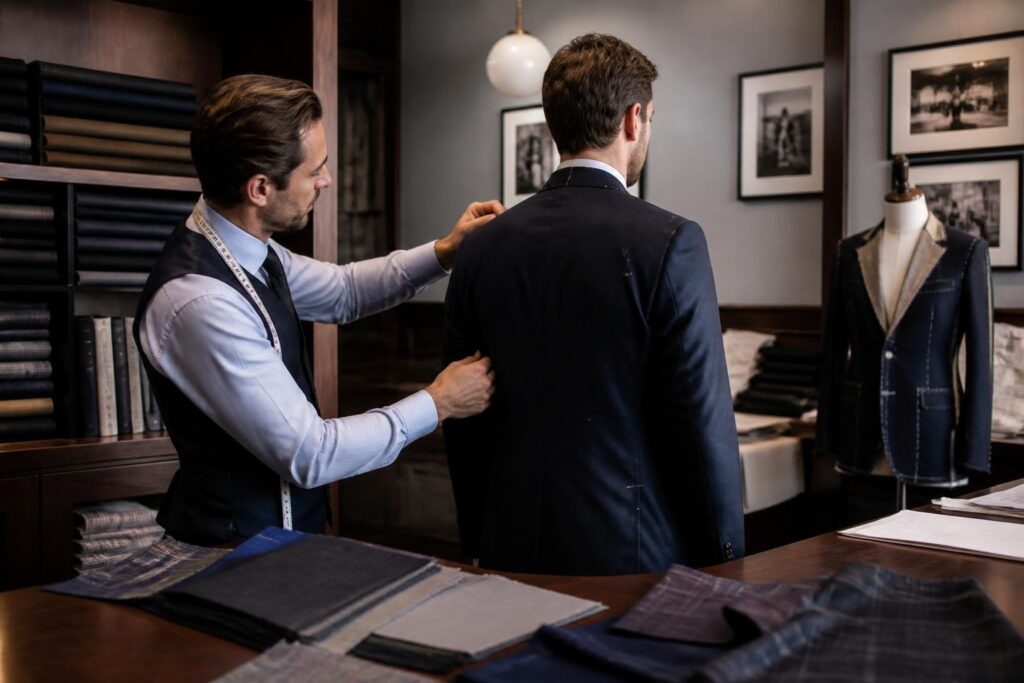
The world of fashion has evolved significantly over the decades, yet one tradition remains timeless: the creation of a bespoke garment. In an era dominated by fast fashion and mass production, the art of custom tailoring stands as a testament to craftsmanship, individuality, and unparalleled quality. A bespoke garment represents more than just clothing; it embodies a personal relationship between tailor and client, resulting in pieces that fit perfectly and reflect the wearer's unique style. Understanding what distinguishes bespoke tailoring from other forms of garment construction is essential for anyone seeking clothing that truly stands apart.
Understanding the Bespoke Garment
A bespoke garment is a piece of clothing crafted entirely from scratch based on individual measurements, preferences, and specifications. The term "bespoke" originates from the practice of fabric being "spoken for" by a particular customer, indicating that the material has been reserved for their exclusive use. This personalized approach differentiates bespoke tailoring from ready-to-wear and even made-to-measure alternatives.
The distinction between bespoke and made-to-measure is crucial for consumers to understand. While made-to-measure garments use pre-existing patterns that are adjusted to fit individual measurements, a bespoke garment requires the creation of an entirely new pattern unique to each client. This fundamental difference ensures that every aspect of the garment, from shoulder slope to sleeve pitch, is tailored to the individual's body shape and posture.
The Historical Foundation
The history of bespoke tailoring traces back centuries, with London's Savile Row establishing the gold standard for custom menswear in the 18th and 19th centuries. This tradition has spread globally, with skilled artisans maintaining these time-honored techniques while adapting to contemporary styles and technologies.
Key historical milestones include:
- The establishment of tailoring guilds in medieval Europe
- The rise of Savile Row as the epicenter of bespoke menswear
- The expansion of custom tailoring to international markets
- The integration of modern technologies while preserving traditional craftsmanship
Today, destinations like Ao Nang, Krabi have become renowned for exceptional bespoke tailoring, offering clients access to world-class fabrics and expertise honed over decades.
The Bespoke Garment Creation Process
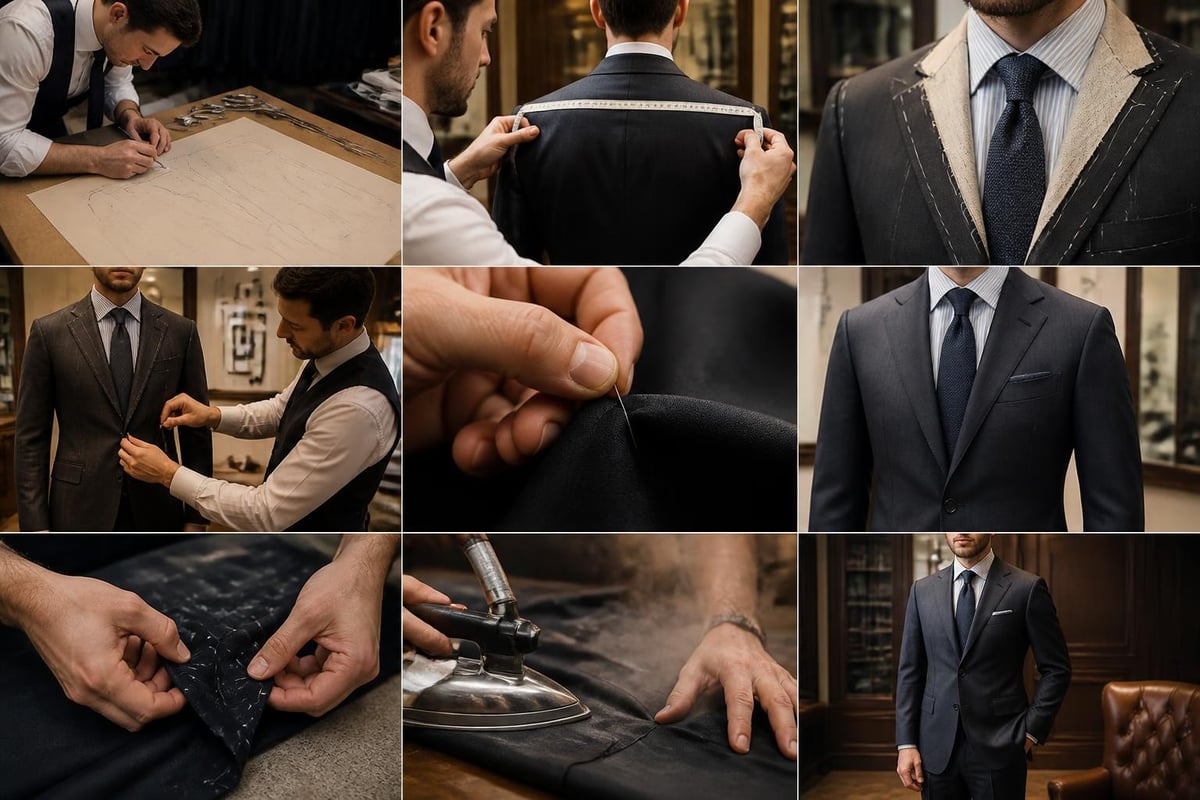
Creating a bespoke garment involves multiple stages, each requiring expertise, patience, and attention to detail. The process typically spans several weeks and includes multiple fittings to ensure absolute perfection. This methodical approach guarantees that the final product exceeds expectations in both fit and finish.
Initial Consultation and Fabric Selection
The journey begins with an in-depth consultation where the tailor assesses the client's needs, style preferences, and lifestyle requirements. This conversation establishes the foundation for the entire project, ensuring that the bespoke garment serves its intended purpose while reflecting the wearer's personality.
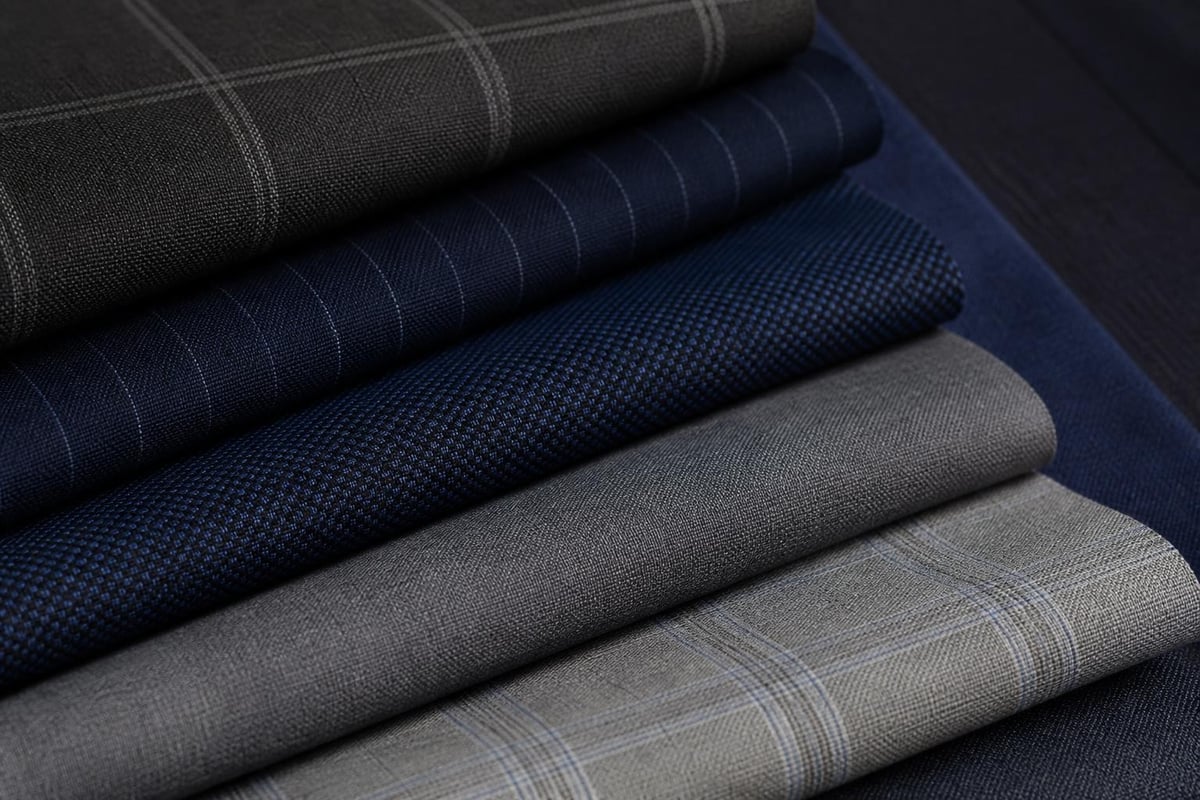
During this phase, clients explore an extensive range of fabrics, from traditional wools and linens to innovative blends. The selection process considers factors such as:
- Occasion and intended use
- Climate and seasonal appropriatability
- Durability and maintenance requirements
- Personal aesthetic preferences
- Budget considerations
Measurement and Pattern Drafting
Unlike standardized sizing systems, bespoke tailoring requires comprehensive measurements that capture the unique characteristics of each body. Master tailors take dozens of measurements, noting asymmetries, posture variations, and specific client preferences. This data forms the blueprint for pattern creation.
| Measurement Type | Purpose | Impact on Fit |
|---|---|---|
| Shoulder Width | Establishes garment foundation | Determines jacket structure |
| Chest Circumference | Ensures comfort and movement | Affects overall silhouette |
| Sleeve Length | Proper arm coverage | Influences proportional balance |
| Back Length | Vertical fit alignment | Creates balanced drape |
| Waist Suppression | Defines garment shape | Enhances body contour |
The pattern is then drafted by hand or using specialized software, creating a unique template that will never be used for another client. This exclusivity is what truly defines a bespoke garment.
Multiple Fittings and Refinements
The fitting process represents the heart of bespoke tailoring. According to detailed explanations of bespoke tailoring, most bespoke garments require at least two to three fittings before completion, though complex pieces may necessitate additional sessions.
First Fitting: The Basted Garment
The initial fitting occurs when the garment is partially constructed, with pieces temporarily stitched together. This allows the tailor to assess:
- Overall proportion and balance
- Shoulder alignment and sleeve attachment
- Length and circumference adjustments
- Collar fit and lapel roll
Clients try on this preliminary version while the tailor marks necessary adjustments directly on the fabric. This hands-on approach ensures that every modification addresses real fit issues rather than theoretical ones.
Subsequent Fittings
Additional fittings refine the bespoke garment progressively. The tailor makes adjustments based on previous sessions, gradually perfecting the fit. These sessions also allow clients to see how the garment evolves, building confidence in the final outcome.
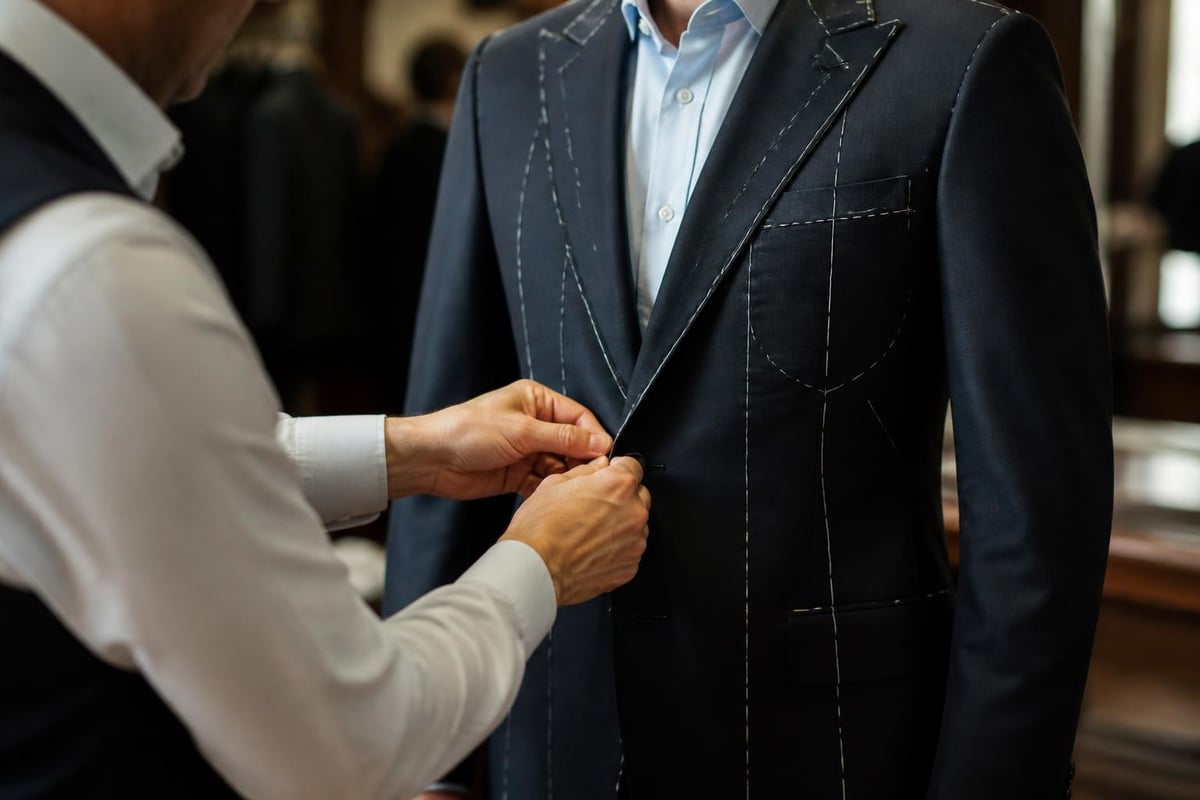
Common refinements include sleeve pitch adjustments, waist suppression modifications, and trouser break preferences. Each change brings the garment closer to perfection.
Benefits of Choosing a Bespoke Garment
Investing in a bespoke garment offers numerous advantages that extend beyond simple aesthetics. These benefits justify the time and financial investment required for true custom tailoring.
Perfect Fit and Comfort
The most obvious advantage is fit. A bespoke garment conforms to your body exactly, accommodating posture variations, asymmetries, and personal preferences that off-the-rack clothing cannot address. This precision translates to unmatched comfort throughout the day.
Fit benefits include:
- Elimination of common fitting problems like pulling, bunching, or gaping
- Accommodation of specific body characteristics
- Freedom of movement without restriction
- Professional appearance enhancement
Longevity and Quality
Bespoke garments are constructed using superior techniques and materials. Hand-stitching, canvas construction, and premium fabrics ensure that these pieces withstand years of wear while maintaining their shape and appearance. According to tailoring industry statistics, consumers increasingly value quality and durability over fast fashion alternatives.
Personal Expression
Each bespoke garment becomes a canvas for personal style. Clients choose every detail, from button style to pocket configuration. This level of customization creates clothing that genuinely reflects individual taste and personality.
Modern Innovations in Bespoke Tailoring
While traditional techniques remain fundamental, the bespoke industry has embraced technological advances that enhance precision and efficiency. Research developments like 3D garment modeling demonstrate how technology can support traditional craftsmanship without replacing the human expertise that defines bespoke work.
Digital Measurement Systems
Some contemporary tailors supplement traditional tape measures with 3D body scanning technology. These systems capture thousands of data points, creating comprehensive digital profiles that ensure consistency across multiple garments. However, skilled tailors still interpret this data through the lens of experience, understanding that numbers alone cannot capture the nuances of human form.
Fabric Innovation
Modern fabric development has expanded the possibilities for bespoke garments. Performance fabrics, sustainable materials, and innovative blends offer clients options that combine traditional aesthetics with contemporary functionality. These materials address real-world concerns like wrinkle resistance, temperature regulation, and environmental impact.
Selecting the Right Tailor
Choosing a skilled tailor is perhaps the most critical decision in the bespoke process. The relationship between tailor and client should be built on trust, communication, and shared vision. Evaluating potential tailors requires consideration of several factors.
| Kriterien | Warum es wichtig ist | Was zu beachten ist |
|---|---|---|
| Erleben Sie | Skill development takes years | Minimum 10-15 years of practice |
| Portfolio | Demonstrates range and quality | Diverse examples of completed work |
| Auswahl des Stoffes | Access to quality materials | Relationships with reputable mills |
| Communication | Ensures vision alignment | Clear explanations and listening skills |
| Reputation | Indicates consistent quality | Client testimonials and reviews |
Visit potential tailors in person when possible. Examine their workspace, review fabric samples, and discuss your specific needs. The tailoring expertise available in destinations known for custom clothing often represents exceptional value combined with traditional craftsmanship.
Care and Maintenance of Bespoke Garments
Proper care extends the life of a bespoke garment significantly. These pieces represent substantial investments that deserve appropriate maintenance protocols. Understanding care requirements before commissioning a garment helps clients make informed decisions about fabric choices.
Daily Care Practices
- Allow garments to rest between wearings
- Use quality wooden hangers that support shoulder structure
- Brush fabrics after each use to remove surface dirt and debris
- Address stains immediately with appropriate spot cleaning
- Rotate pieces to distribute wear evenly
Professional Maintenance
Regular professional cleaning maintains the integrity of a bespoke garment. However, frequent dry cleaning can damage fibers over time. Most experts recommend professional cleaning only when necessary, typically two to four times annually for regularly worn pieces.
Periodic pressing by skilled professionals helps restore shape and remove wrinkles that home care cannot address. Some tailors offer maintenance services, including button replacement, minor repairs, and adjustments as body shape changes over time.
Investment Considerations
A bespoke garment represents a significant financial commitment compared to ready-to-wear alternatives. Understanding this investment helps clients make decisions aligned with their priorities and budget.
Cost Factors
Pricing varies based on numerous factors including fabric selection, garment complexity, and tailor expertise. Premium fabrics, intricate details, and expedited timelines increase costs. However, when calculated on a cost-per-wear basis over the garment's lifespan, bespoke pieces often represent reasonable value.
Price influences include:
- Fabric origin and quality grade
- Construction time and complexity
- Number of fittings required
- Hand-finishing details
- Tailor reputation and location
Value Proposition
Beyond monetary cost, consider the value of owning clothing that fits perfectly, expresses personal style, and lasts for years or even decades. For professionals whose appearance impacts career success, this investment often pays dividends through enhanced confidence and presence.
Nachhaltigkeit und ethische Erwägungen
The bespoke approach inherently aligns with sustainable fashion principles. Creating garments built to last directly counters the disposable mentality of fast fashion. Industry analysis from Drapers highlights growing consumer interest in sustainability within the bespoke sector.
Environmental Impact
Bespoke garments minimize waste through precise cutting and construction. Tailors optimize fabric usage, and the longevity of well-made pieces reduces the need for frequent replacement. This approach generates significantly less environmental impact than mass-produced alternatives.
Ethical Production
Unlike factory-produced clothing that may involve questionable labor practices, bespoke tailoring provides transparency. Clients know who makes their clothing and under what conditions. This direct relationship supports artisans and preserves traditional skills.
The Future of Bespoke Tailoring
Despite predictions of decline, bespoke tailoring continues thriving in 2026. Growing appreciation for quality, individuality, and sustainability drives renewed interest in custom clothing. Younger generations increasingly value experiences and craftsmanship over mass-produced uniformity.
Technology will continue enhancing traditional methods without replacing them. Virtual consultations expand access to skilled tailors regardless of geographic location. Digital measurement tools improve accuracy while preserving the essential human element that defines bespoke work.
The industry faces challenges including competition from made-to-measure services and the need to attract new craftspeople. However, establishments with decades of experience demonstrate that commitment to quality and customer service ensures continued success.
A bespoke garment represents the pinnacle of personalized clothing, offering perfect fit, exceptional quality, and individual expression that mass-produced alternatives cannot match. Whether you're seeking your first custom piece or expanding an existing wardrobe, understanding the process, benefits, and considerations ensures a rewarding experience. With over 30 years of expertise in creating custom clothing for men, women, and children, Alex’s Fashion combines traditional craftsmanship with world-class fabrics to deliver garments that exceed expectations. Experience the difference that true bespoke tailoring makes in both appearance and confidence.