
 DE
DE  EN
EN  FR
FR  TH
TH 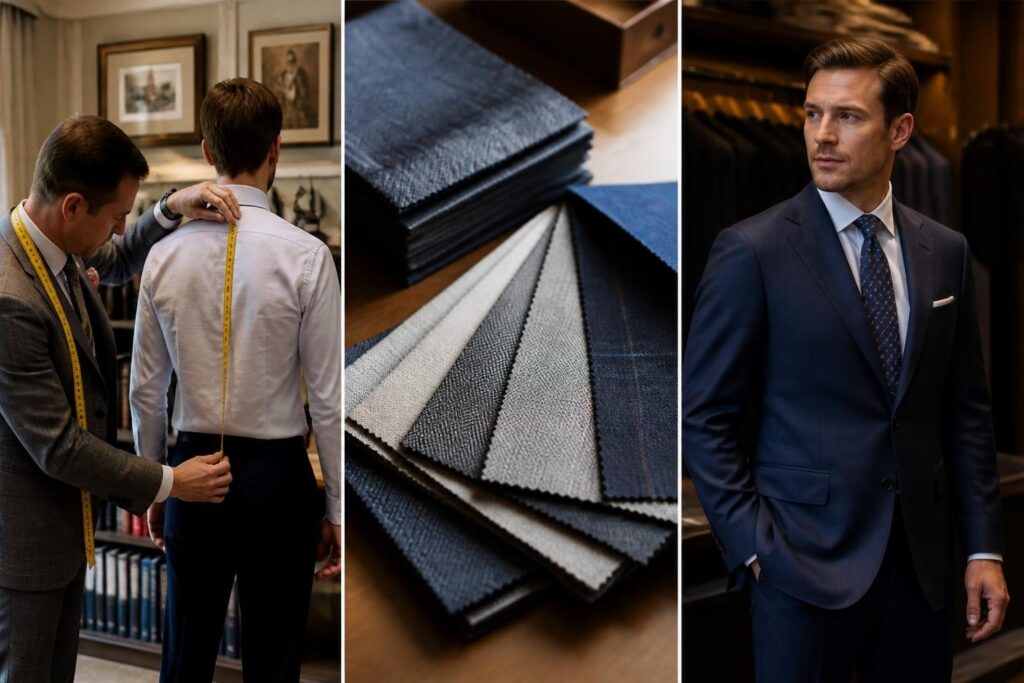
The world of men's fashion contains few garments as iconic and revered as bespoke english suits. These meticulously crafted pieces represent the pinnacle of sartorial excellence, combining centuries-old traditions with modern craftsmanship to create garments that fit perfectly and last for decades. Unlike mass-produced alternatives, each bespoke suit begins with a blank canvas, shaped entirely around the individual wearer's body, preferences, and lifestyle. This commitment to personalization has made bespoke english suits the choice of discerning gentlemen worldwide, from business executives to royalty, who understand that true quality requires time, skill, and attention to detail.
The Heritage of English Bespoke Tailoring
English bespoke tailoring traces its roots to London's Savile Row, where master craftsmen have perfected their art since the early 19th century. The term "bespoke" itself originated from the practice of cloth being "spoken for" by individual customers, setting aside specific fabric for their custom garments. This tradition established standards that continue to define excellence in tailoring today.
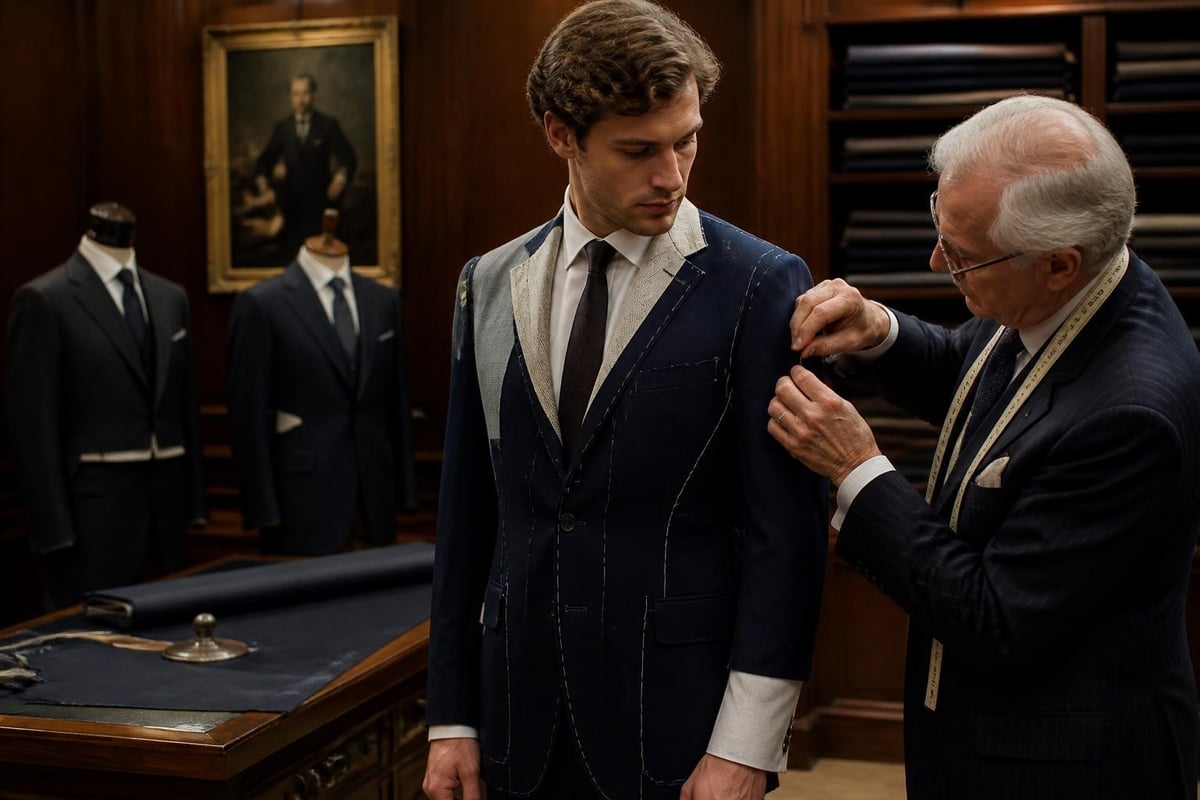
The characteristics of English bespoke suit styles distinguish them from Italian or American approaches. English suits typically feature:
- Structured shoulders with moderate padding
- Higher armholes for better movement
- Defined waist suppression for a refined silhouette
- Traditional lapel styles with clean, sharp edges
- Conservative color palettes emphasizing navy, charcoal, and gray
The Craft Behind the Construction
Creating bespoke english suits requires extensive training and years of experience. Traditional tailors complete apprenticeships lasting seven years or more, learning everything from pattern cutting to hand-stitching techniques. The bespoke tailoring process involves multiple fittings, typically ranging from three to five sessions, allowing the tailor to refine the fit progressively.
Master tailors take between 50 and 80 hours to complete a single suit, with much of the work performed by hand. This includes hand-padded lapels, hand-sewn buttonholes, and hand-stitched linings. These techniques create garments that mold to the body over time, developing a unique character that reflects the wearer's posture and movements.
Understanding the Bespoke Difference
Many customers wonder what justifies the investment in bespoke english suits when alternatives exist. The distinction between bespoke, made-to-measure, and off-the-rack options reveals significant differences in construction, fit, and longevity.
| Merkmal | Von der Stange | Maßgeschneidert | Bespoke |
|---|---|---|---|
| Pattern | Pre-existing standard | Modified standard | Created from scratch |
| Fittings | None | 1-2 | 3-5+ |
| Construction Time | Immediate | 4-8 weeks | 8-16 weeks |
| Alterations Available | Minor | Mäßig | Unbegrenzt |
| Handwork | Minimal | Some | Umfassend |
| Preisspanne | $300-$1,500 | $800-$3,000 | $3,000-$15,000+ |
True bespoke tailoring means creating a unique paper pattern specifically for each client. This pattern captures every nuance of the body, including postural variations, asymmetries, and personal preferences. At Alex's Fashion, tailors spend considerable time during initial consultations understanding not just measurements but how clients move, sit, and live in their clothing.
The First Fitting Experience
The journey toward owning bespoke english suits begins with comprehensive measurements. Professional tailors take 25 to 40 different measurements, far exceeding the basic chest, waist, and inseam numbers used for ready-made garments. These measurements include shoulder slope, back length, sleeve pitch, and dozens of other specifications.
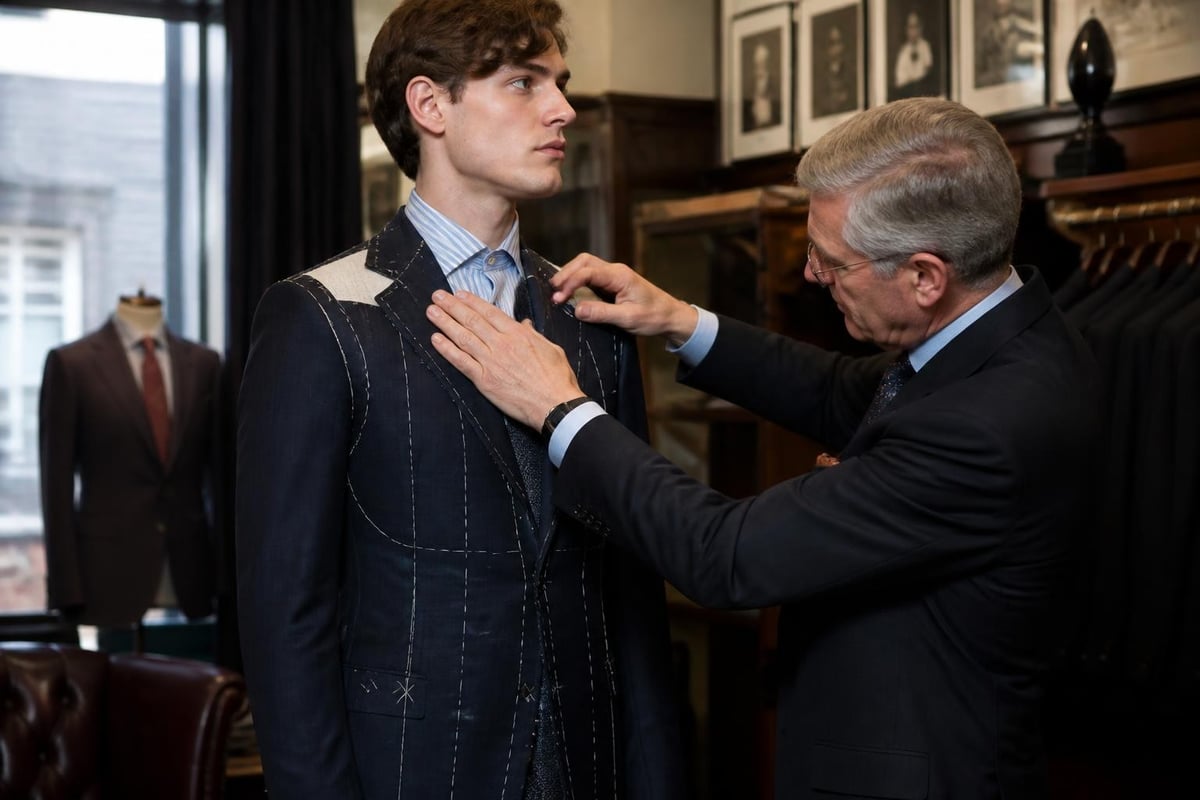
During the first fitting, clients try on a basted garment constructed with temporary stitching. This allows the tailor to assess the fit and make necessary adjustments. Experienced eyes identify issues invisible to untrained observers, such as:
- Collar gap or tightness
- Shoulder balance and placement
- Chest drape and suppression
- Sleeve length and pitch
- Trouser rise and break
Second and third fittings refine these elements, ensuring the finished suit achieves perfection. This iterative process explains why bespoke tailoring cannot be rushed, and why true craftsmen resist shortcuts that compromise quality.
Fabric Selection for English Suits
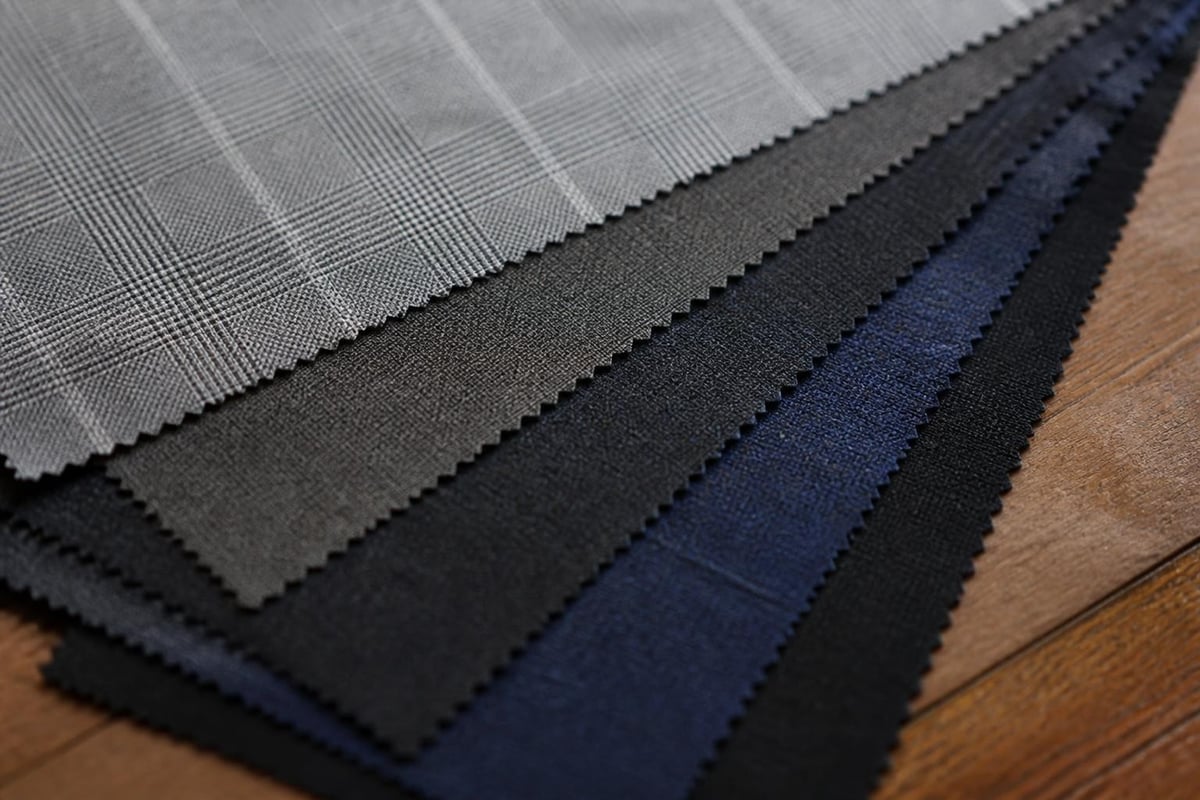
The fabric forms the foundation of exceptional bespoke english suits. English tailoring traditionally favors worsted wools from renowned mills in Huddersfield and other textile centers. These fabrics offer durability, breathability, and the structure necessary for classic English silhouettes.
Weight and Weave Considerations
Understanding fabric selection for bespoke suits empowers clients to make informed decisions. Fabric weight, measured in ounces per yard, determines the suit's seasonal appropriateness and drape:
- Lightweight (7-9 oz): Ideal for tropical climates and summer wear
- Medium weight (10-13 oz): Year-round versatility in temperate climates
- Heavyweight (14+ oz): Winter suits with substantial presence
The weave pattern affects both appearance and performance. Plain weaves create smooth, formal surfaces suitable for business settings. Twills offer diagonal patterns that resist wrinkles and provide casual elegance. Flannel weaves deliver warmth and texture for autumn and winter suits.
For clients in tropical locations like Krabi, where Alex’s Fashion operates, lightweight tropical wools and wool-mohair blends provide comfort without sacrificing structure. These fabrics breathe exceptionally well while maintaining the crisp appearance expected from bespoke english suits.
Style Elements That Define English Suits
Several design choices characterize traditional bespoke english suits, distinguishing them from other tailoring schools. These elements combine to create the refined, authoritative appearance associated with English tailoring.
The Jacket Structure
English suit jackets feature structured construction that creates a defined silhouette. The shoulder line typically includes light to moderate padding, creating a clean line without the aggressive buildup found in some Italian styles. The chest piece, a canvas layer hand-stitched between the outer fabric and lining, provides shape and allows the jacket to mold to the wearer's torso.
Lapel styles follow conservative traditions:
- Notch lapels for business suits
- Peak lapels for formal occasions and double-breasted styles
- Narrow widths (3-3.5 inches) for timeless appeal
Pocket styles remain similarly traditional. Flap pockets suit business contexts, while jetted pockets create sleeker lines for formal wear. Ticket pockets, a small additional pocket above the right hip pocket, add a distinctly English detail.
Trouser Proportions
English suit trousers emphasize proper proportion and comfort. Traditional specifications include:
- Higher rise (sitting at or slightly above the natural waist)
- Pleats for ease of movement and classic appearance
- Side adjusters instead of belt loops for formal suits
- Moderate leg opening (16-17 inches) avoiding extremes
The trouser break, where the fabric meets the shoe, follows the "medium break" principle in English tailoring. This creates a slight fold without excessive bunching, maintaining clean lines whether standing or seated.
The Personal Consultation Process
Selecting bespoke english suits requires collaboration between client and tailor. The initial consultation establishes the foundation for this partnership, addressing practical and aesthetic considerations.
Professional tailors ask detailed questions about:
- Intended use (business, formal events, casual occasions)
- Preferred fit (slim, classic, relaxed)
- Style preferences (conservative, contemporary, fashion-forward)
- Climate and travel requirements
- Existing wardrobe coordination
This conversation ensures the finished suit serves the client's actual needs rather than abstract ideals. A businessman requiring suits for daily office wear has different priorities than someone seeking formalwear for special occasions.
Body Analysis and Fit Adjustments
Every body presents unique characteristics that bespoke tailoring addresses. Common fitting challenges include:
| Challenge | Bespoke Solution |
|---|---|
| Uneven shoulders | Asymmetric padding and canvas work |
| Forward posture | Adjusted back length and shoulder pitch |
| Athletic build | Extra room in chest with suppressed waist |
| Shorter stature | Adjusted proportions and pocket placement |
| Longer arms | Extended sleeve length with proper pitch |
These adjustments require skill and experience to execute properly. Master tailors at establishments with decades of expertise, like Alex's Fashion with over 30 years in bespoke tailoring, develop intuitive understanding of how different body types interact with fabric and construction.
Investment and Value Considerations
The cost of bespoke suits varies considerably based on location, tailor reputation, and fabric selection. London's Savile Row commands premium prices, with suits starting around £4,000 and reaching £15,000 or more for top establishments. International tailors often provide comparable quality at different price points.
Long-term Cost Analysis
When evaluating bespoke english suits as an investment, consider cost per wear over the garment's lifetime. A properly maintained bespoke suit lasts 15 to 25 years with regular wear, far exceeding the 2 to 5 year lifespan of typical off-the-rack alternatives.
Example calculation:
- Bespoke suit cost: $4,000
- Lifespan: 20 years
- Wears per year: 50
- Total wears: 1,000
- Cost per wear: $4.00
Compare this to purchasing multiple lower-quality suits over the same period, which often results in higher total expenditure despite lower initial costs. Additionally, bespoke suits retain better appearance throughout their lifetime, requiring fewer replacements for professional settings.
Maintaining Your Bespoke Investment
Proper care extends the life of bespoke english suits significantly. Following maintenance best practices protects your investment and preserves the garment's appearance.
Daily Care Routines
After each wearing:
- Brush the suit with a natural bristle brush to remove dust and lint
- Allow the suit to air for 24 hours before returning to the closet
- Use shaped wooden hangers that support the shoulders properly
- Empty pockets to prevent distortion and fabric stress
- Address stains immediately with appropriate spot cleaning
Professional Maintenance
Limit dry cleaning to once or twice per season, as chemicals and heat gradually damage wool fibers. Instead, rely on regular brushing, steaming, and professional pressing. When dry cleaning becomes necessary, choose establishments experienced with fine garments who understand proper handling of hand-stitched construction.
For minor repairs, return to your original tailor when possible. They retain your pattern and understand the garment's construction, enabling seamless repairs that maintain the suit's integrity. This advantage highlights another benefit of working with established tailoring houses that maintain long-term relationships with clients.
The Modern Interpretation
Contemporary bespoke english suits honor traditional principles while accommodating modern preferences. Today's clients often request slimmer silhouettes than previous generations preferred, leading to adaptations in classic patterns.
Modern variations include:
- Narrower lapels (2.75-3.25 inches) versus traditional 3.5-4 inch widths
- Higher button stances creating longer lapel lines
- Slimmer sleeves and trouser legs
- Softer shoulder construction for casual elegance
- Contemporary fabric choices including performance blends
These adaptations maintain the essential character of English tailoring while addressing current aesthetic preferences. Skilled tailors balance client requests with timeless principles, steering away from extreme trends that date quickly while embracing refinements that enhance wearability.
International Accessibility
The definition and standards of bespoke tailoring have evolved as skilled craftsmen establish workshops worldwide. Clients no longer need to travel to London to access exceptional bespoke english suits. International tailors who trained in traditional methods bring authentic expertise to locations across Asia, Europe, and the Americas.
This global accessibility democratizes bespoke tailoring while maintaining quality standards. Tailors in destinations like Thailand offer the advantage of extended fitting schedules for traveling clients, condensing the process into intensive appointment series during vacation stays. This model serves international clientele seeking bespoke quality with convenient service.
Choosing Your Tailor
Selecting the right tailor for bespoke english suits requires research and consideration. Several factors indicate quality and compatibility:
Evaluation criteria:
- Years of experience and training background
- Portfolio of previous work demonstrating range and skill
- Client testimonials and references
- Understanding of different body types and fitting challenges
- Communication style and willingness to educate clients
- Transparent pricing and process explanation
Schedule consultations with multiple tailors before committing. Assess their approach, examine garments they've created, and evaluate whether their aesthetic aligns with your preferences. The best tailoring relationships develop over years, with each suit refining the tailor's understanding of your needs.
Ask specific questions about construction methods, particularly regarding handwork versus machine sewing. While modern tailors appropriately use machines for certain seams, extensive hand-stitching in critical areas distinguishes true bespoke from lesser alternatives. Inquire about canvas construction, buttonhole execution, and lining attachment methods.
Bespoke english suits represent the ultimate in personalized menswear, combining heritage craftsmanship with individual expression to create garments of exceptional fit and lasting quality. Understanding the process, from fabric selection through multiple fittings to final delivery, empowers you to make informed decisions when investing in custom tailoring. Whether you're building a professional wardrobe or seeking a signature garment for special occasions, bespoke tailoring delivers unmatched results. With over three decades of expertise in creating perfectly fitted garments, Alex’s Fashion brings traditional bespoke tailoring excellence to Ao Nang, Krabi, offering personalized service and world-class craftsmanship for discerning clients worldwide.