
 DE
DE  EN
EN  FR
FR  TH
TH 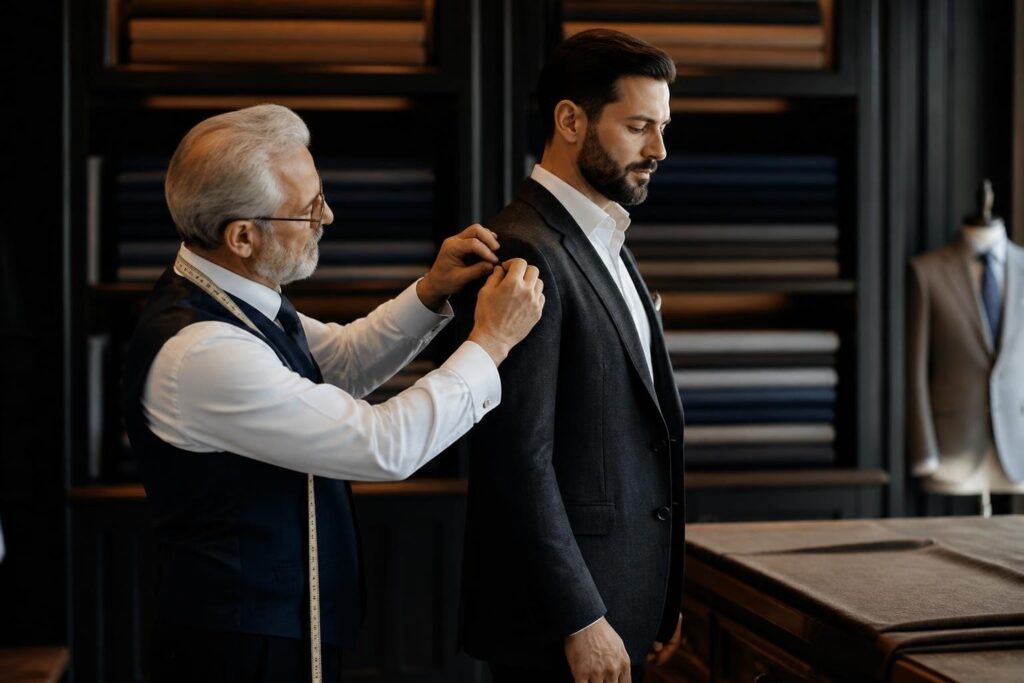
Finding the right professional to create custom-fitted clothing transforms how you look and feel in your wardrobe. When I say "my tailor," I'm referring to someone who understands body measurements, fabric characteristics, and personal style preferences in a way that mass-produced clothing never can. The relationship between a client and their tailor represents a partnership built on trust, communication, and shared commitment to quality. In an era where fast fashion dominates retail, the value of working with a skilled tailor who crafts garments specifically for your body has never been more apparent.
Understanding the Role of My Tailor
My tailor serves as both craftsperson and consultant, guiding clients through every step of creating custom garments. This professional relationship extends far beyond simple alterations or adjustments to off-the-rack clothing. A true bespoke tailor analyzes posture, body shape, and lifestyle needs to design pieces that enhance natural proportions while accommodating individual preferences.
The expertise my tailor brings to each project reflects years of training in pattern making, fabric selection, and construction techniques. Unlike alterations specialists who modify existing garments, my tailor creates patterns from scratch based on unique measurements. This fundamental difference explains why bespoke garments fit with unparalleled precision.
The Consultation Process
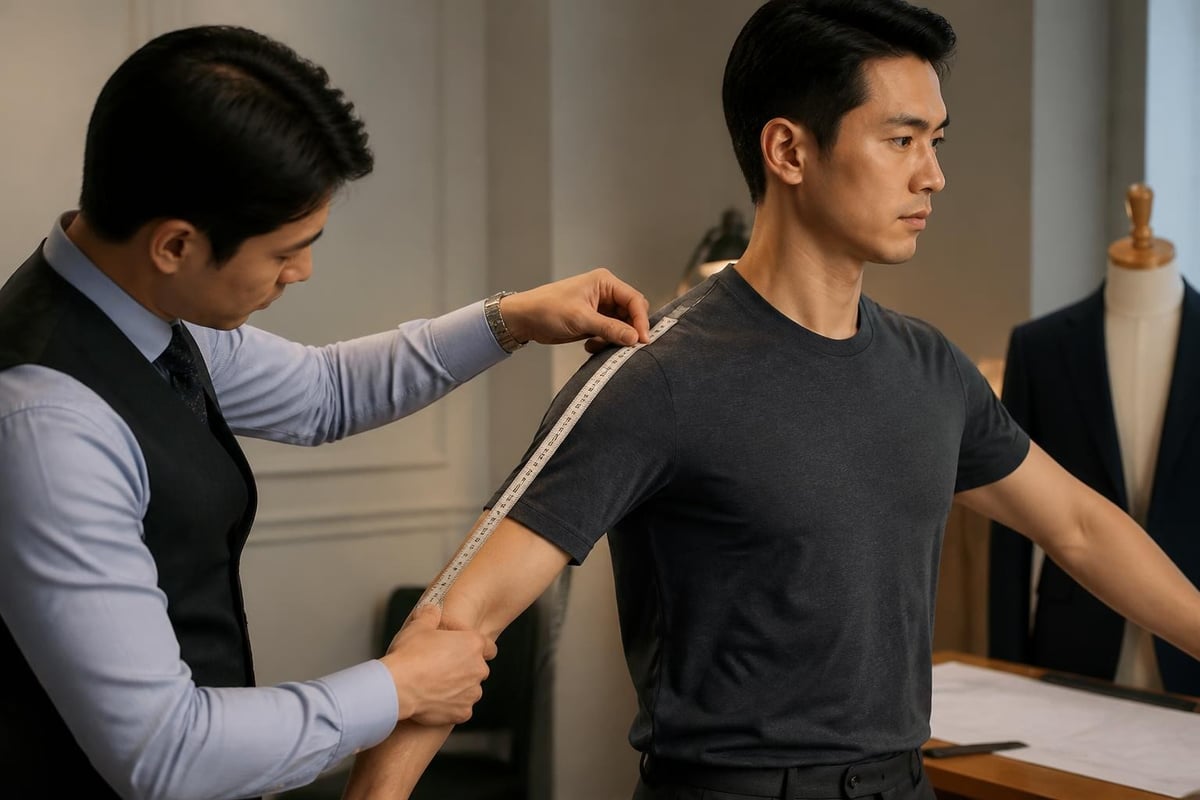
During initial meetings, my tailor takes comprehensive measurements that go far beyond basic chest and waist dimensions. Posture assessment, shoulder slope analysis, and movement patterns all factor into creating patterns that work with the body's natural structure.
Key measurements recorded include:
- Shoulder width and slope angle
- Arm length with elbow bend consideration
- Chest expansion for comfortable breathing
- Hip and seat proportions
- Neck circumference and position
- Back length and curvature
My tailor also discusses lifestyle factors that influence garment design. Someone who travels frequently needs different construction details than someone working in a static office environment. Climate considerations, care preferences, and usage frequency all inform fabric and design choices.
Selecting Fabrics With My Tailor
The rich history of bespoke tailoring has established certain fabric standards that continue to define quality craftsmanship. My tailor maintains relationships with textile mills worldwide, providing access to materials rarely found in retail stores. These fabrics offer superior durability, comfort, and appearance compared to mass-market alternatives.
Fabric Categories and Applications
| Stoff Typ | Best Applications | Seasonal Use | Anforderungen an die Pflege |
|---|---|---|---|
| Super 100s Wool | Business suits, formal wear | Das ganze Jahr über | Dry clean, steam press |
| Linen Blends | Casual jackets, summer suits | Warmes Wetter | Professional clean or gentle wash |
| Cotton Poplin | Dress shirts, casual shirts | Alle Jahreszeiten | Machine wash, iron required |
| Silk Blends | Evening wear, luxury shirts | Special occasions | Nur chemisch reinigen |
| Tropical Wool | Lightweight suits | Hot climates | Dry clean, air between wears |
My tailor educates clients about thread count, weave patterns, and finish treatments that affect how fabrics perform over time. A heavier wool weight provides better drape and longevity for suits worn frequently, while lighter weights offer comfort in warmer climates. Understanding these nuances helps clients make informed decisions that align with their needs and budgets.
The fabric selection process also considers color and pattern coordination with existing wardrobe pieces. My tailor often suggests versatile neutrals for first-time bespoke clients, ensuring maximum wearability and value from the investment.
The Construction Process My Tailor Follows
Once measurements are finalized and fabrics selected, my tailor begins the construction process that distinguishes bespoke garments from made-to-measure or ready-to-wear alternatives. This multi-stage approach involves several fittings where adjustments refine the garment's fit progressively.
Pattern Drafting and Cutting
My tailor creates a unique paper pattern based on individual measurements, accounting for asymmetries that exist in every human body. One shoulder sitting higher than the other, slight differences in arm length, or postural variations all receive attention during pattern development. This personalized pattern becomes part of the client's permanent record, streamlining future orders.
The cutting process requires precision and experience. My tailor positions pattern pieces on fabric to maximize the material's natural characteristics while minimizing waste. Striped or patterned fabrics demand special attention to ensure design elements align properly across seams and pockets.
Basting and First Fitting
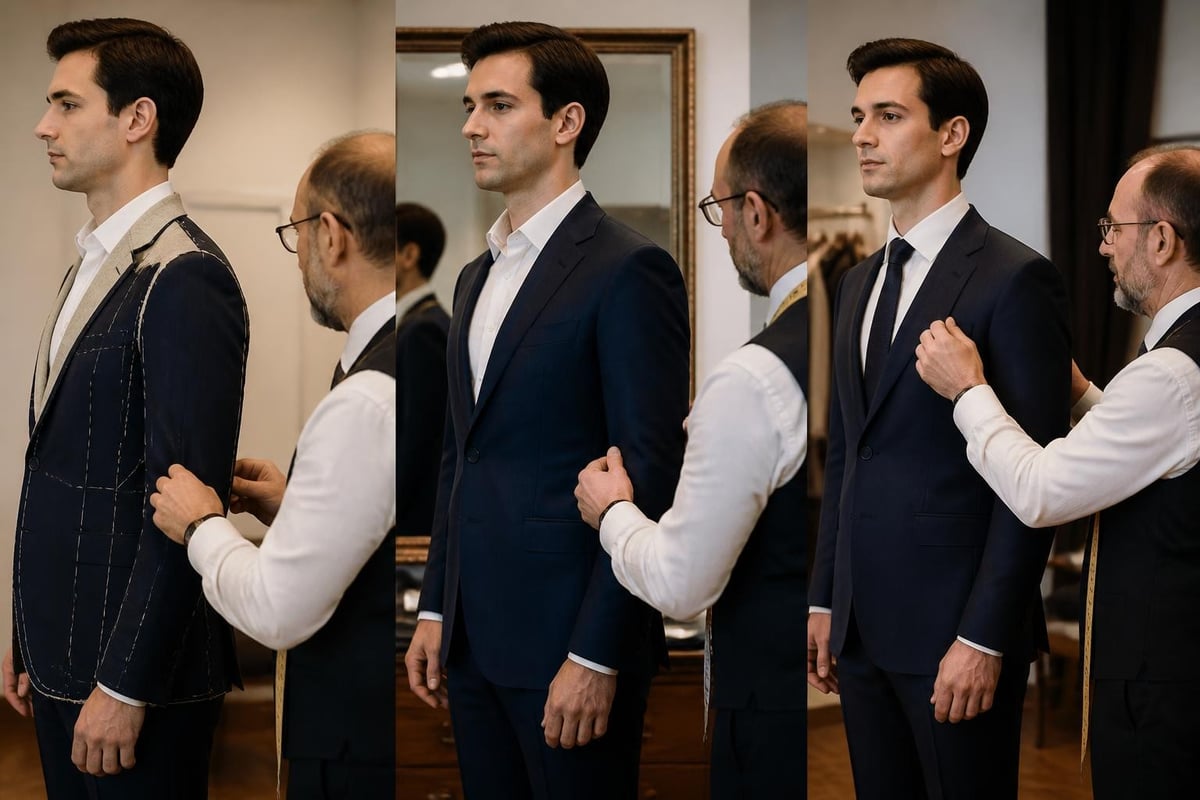
The initial fitting uses loosely basted seams that allow for easy adjustment. My tailor evaluates:
- Shoulder alignment and sleeve pitch
- Collar sit and lapel roll
- Chest and waist suppression
- Sleeve length and cuff position
- Overall balance and proportion
This fitting session typically reveals areas needing modification that weren't apparent during the initial consultation. My tailor marks adjustments directly on the garment while the client wears it, ensuring changes address the specific issues observed.
Final Construction and Pressing
After incorporating fitting adjustments, my tailor completes the garment using techniques like floating canvas construction for jackets, hand-stitched buttonholes, and carefully finished interior seams. The growing demand for tailoring services reflects consumers' renewed appreciation for these time-intensive quality details.
Professional pressing at multiple construction stages ensures the finished garment maintains proper shape and drape. My tailor uses specialized equipment to set seams, create sharp creases, and achieve the polished appearance that characterizes fine tailoring.
Style Guidance From My Tailor
Beyond technical construction, my tailor provides valuable style consultation that helps clients develop their personal aesthetic. This guidance proves particularly valuable for those new to bespoke clothing or seeking to refresh their professional image.
Selecting Appropriate Styles
My tailor stays current with fashion trends while respecting classic proportions that ensure garments remain stylish beyond a single season. The upcoming blazer trends for 2026 include both contemporary and timeless elements that my tailor can adapt to suit individual preferences.
Classic style elements that my tailor recommends include:
- Notch lapels for business suits
- Two-button front closures for versatility
- Side vents for movement and proportion
- Moderate lapel widths that balance face shape
- Functional sleeve buttonholes as quality indicators
For clients seeking more contemporary styling, my tailor can incorporate current design elements while maintaining the garment's long-term wearability. Subtle pattern mixing, updated pocket styles, and modern fabric choices allow for personal expression without compromising versatility.
Building a Coordinated Wardrobe
My tailor helps clients develop a strategic approach to wardrobe building that maximizes outfit combinations while minimizing redundancy. Starting with versatile foundation pieces in neutral colors, subsequent additions introduce variety through pattern, texture, and color.
A typical progression my tailor might suggest:
- Navy or charcoal suit in year-round weight wool
- White and light blue dress shirts in quality cotton
- Grey or tan sport coat for business casual occasions
- Casual trousers in complementary neutral tones
- Patterned shirts or seasonal jackets for variety
This methodical approach ensures each new garment enhances the existing wardrobe rather than duplicating functionality. My tailor tracks previous purchases and suggests coordinating pieces that expand styling options.
The Investment Value My Tailor Provides
While bespoke garments require greater initial investment than ready-to-wear alternatives, my tailor creates value through superior fit, quality construction, and extended lifespan. Understanding this value proposition helps clients make informed decisions about their clothing investments.
Cost Considerations and Longevity
| Kleidungsstück Typ | Ready-to-Wear Price | Bespoke Price Range | Expected Lifespan |
|---|---|---|---|
| Dress Shirt | $50-150 | $150-300 | 5-7 years vs. 2-3 years |
| Sport Coat | $300-800 | $800-1,500 | 10-15 years vs. 3-5 years |
| Anzug | $500-1,500 | $1,500-3,500 | 10-20 years vs. 3-5 years |
| Trousers | $100-300 | $300-600 | 7-10 years vs. 2-4 years |
My tailor constructs garments using techniques and materials that support extended wear. Hand-stitched elements can be repaired rather than replaced, and quality fabrics maintain their appearance through repeated cleaning cycles. This durability means bespoke garments often cost less per wearing than cheaper alternatives requiring frequent replacement.
The precise fit my tailor achieves also contributes to garment longevity. Properly fitted clothing experiences less stress at seams and stress points, reducing premature wear. Additionally, garments that fit well get worn more frequently, providing better return on investment.
Alterations and Updates
My tailor maintains client records that facilitate future adjustments if body measurements change. A suit that no longer fits perfectly can often be altered rather than replaced, extending its useful life significantly. This service represents a significant advantage over ready-to-wear garments with limited alteration potential.
As noted in discussions of craftsmanship in luxury brands, the ability to repair and modify high-quality garments contributes to their sustainable value proposition.
Working With My Tailor Across Cultures
For clients visiting tailors in destinations like Thailand, understanding cultural and practical considerations enhances the experience. My tailor in locations such as Ao Nang, Krabi, often works with international clients who appreciate the combination of skilled craftsmanship and competitive pricing these regions offer.
Communication and Expectations
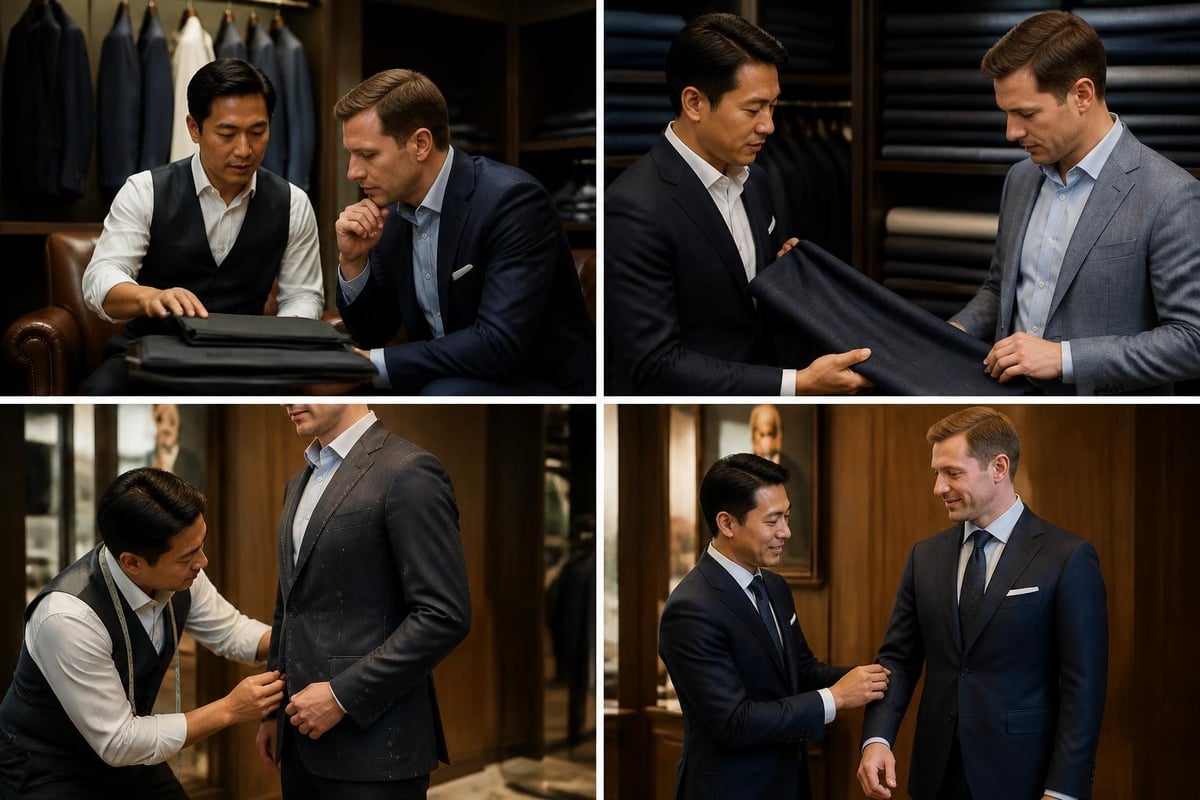
Clear communication with my tailor ensures the final product meets expectations. Bringing reference images, discussing lifestyle needs in detail, and being specific about preferences all contribute to successful outcomes. My tailor appreciates clients who ask questions and express concerns during the process rather than waiting until completion.
Essential topics to discuss with my tailor include:
- Garment formality level and intended use occasions
- Preferred fit characteristics (fitted vs. relaxed)
- Climate considerations for fabric selection
- Timeline expectations and shipping needs
- Care and maintenance requirements
Timeline Planning
Working with my tailor requires adequate time for the construction process. Rush orders compromise quality and limit fitting opportunities. Most bespoke projects require minimum timelines:
- Shirts: 3-5 days with two fittings
- Trousers: 5-7 days with two fittings
- Sport Coats: 7-10 days with three fittings
- Anzüge: 10-14 days with three to four fittings
Clients visiting tailoring destinations should plan itineraries that accommodate these timelines, allowing sufficient time between fittings for adjustments and final construction.
Modern Innovations My Tailor Embraces
While traditional techniques remain central to quality tailoring, my tailor increasingly incorporates modern technologies and approaches that enhance client service. According to recent industry trends, these innovations expand accessibility without compromising craftsmanship.
Digital Measurement Systems
Some tailors now use 3D body scanning technology that supplements traditional measuring techniques. While my tailor still relies primarily on hand measurements for accuracy, digital systems provide useful reference data and help clients visualize proposed garments before construction begins.
These systems prove particularly valuable for remote clients who cannot visit in person for initial consultations. My tailor can use digitally captured measurements combined with detailed questionnaires to begin the design process, with final fitting adjustments made during subsequent visits.
Sustainable Practices
My tailor increasingly emphasizes sustainability through fabric selection, construction techniques, and business practices. Choosing natural fibers from responsible sources, minimizing fabric waste through efficient cutting, and creating durable garments that don't require frequent replacement all contribute to reduced environmental impact.
The 2025 luxury fashion trends highlight consumers' growing interest in sustainable luxury, making these practices both environmentally responsible and commercially relevant.
Virtual Consultations and Follow-Up
Technology enables my tailor to maintain client relationships beyond in-person visits. Video consultations for style advice, digital lookbooks showcasing new fabric arrivals, and online ordering for repeat garments using existing measurements all enhance service convenience while maintaining quality standards.
Maintaining Garments Created by My Tailor
Proper care extends the life and appearance of bespoke garments, protecting the investment they represent. My tailor provides specific maintenance guidance for each piece, considering fabric characteristics and construction details.
Professional Cleaning and Pressing
Quality garments deserve professional care from cleaners experienced with fine tailoring. My tailor often recommends specific service providers familiar with proper handling of canvas-constructed jackets, delicate fabrics, and hand-finished details.
Care frequency guidelines my tailor suggests:
- Suits: Professional clean every 4-6 wears
- Sport coats: Clean as needed, typically 2-3 times yearly
- Dress shirts: Launder after each wear with proper pressing
- Trousers: Clean every 3-4 wears or as needed
Between cleanings, my tailor recommends allowing garments to air on proper hangers, using garment brushes to remove surface dirt, and steaming rather than pressing when possible to refresh appearance without stressing fabrics.
Storage and Rotation
My tailor emphasizes proper storage techniques that maintain garment shape and prevent damage. Wooden hangers that match shoulder width, breathable garment bags for seasonal storage, and adequate spacing in closets all contribute to garment longevity.
Rotating garments rather than wearing the same pieces repeatedly allows fabrics to rest and recover between uses. My tailor suggests owning enough pieces to avoid wearing the same suit or jacket more than once weekly, giving the fabric time to release wrinkles and moisture naturally.
Exploring More Tailoring Options
For those interested in learning more about bespoke tailoring services and options available, exploring comprehensive tailoring resources provides valuable insights into the process, pricing, and possibilities that custom clothing offers.
Understanding what distinguishes my tailor from alterations services or made-to-measure programs helps clients make informed decisions about their clothing investments. The truly bespoke process involves individual pattern creation, multiple fittings with hand-marked adjustments, and construction techniques that prioritize quality and durability above speed or cost minimization.
Industry data from tailoring market analysis shows continued growth in bespoke services as consumers increasingly value quality, fit, and personalization over disposable fashion alternatives.
The relationship with my tailor represents an investment in both wardrobe quality and personal style development that pays dividends through better-fitting, longer-lasting garments and increased confidence in professional and social settings. With over three decades of experience creating custom garments for clients worldwide, Alex’s Fashion in Ao Nang, Krabi, Thailand offers the expertise, attention to detail, and world-class fabrics needed to bring your bespoke tailoring vision to life. Whether you need custom shirts, sophisticated suits, or an entire wardrobe transformation, their skilled team is ready to craft garments that exceed your expectations.