
 DE
DE  EN
EN  FR
FR  TH
TH 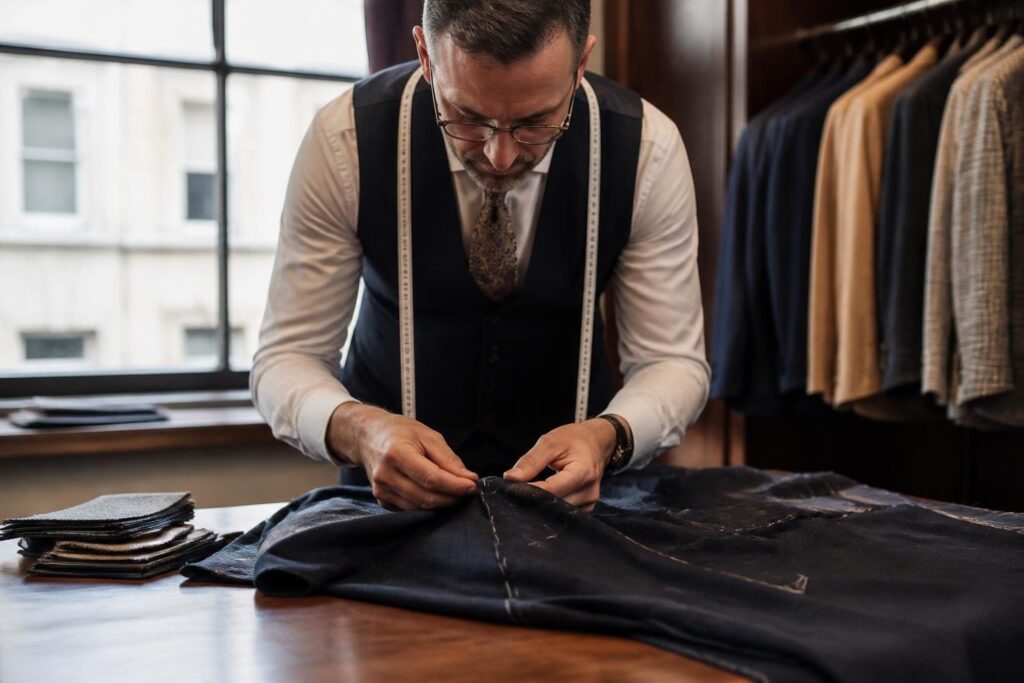
The art of bespoke tailoring represents one of the most refined crafts in the fashion industry, requiring years of dedicated practice, exceptional attention to detail, and a deep understanding of garment construction. A professional tailor possesses specialized skills that transform quality fabrics into perfectly fitted clothing, creating pieces that enhance the wearer's appearance while providing unmatched comfort. Whether you're seeking a custom suit for a special occasion or require expert alterations to achieve the perfect fit, understanding what distinguishes a truly skilled professional tailor helps you make informed decisions about your wardrobe investments.
Essential Skills That Define a Professional Tailor
The foundation of exceptional tailoring lies in mastering fundamental techniques that separate amateur work from professional craftsmanship. A professional tailor must develop expertise across multiple disciplines, from precise measurements to advanced construction methods.
Pattern Making and Garment Construction
Creating bespoke clothing begins with accurate pattern making, a skill that requires understanding body proportions, fabric behavior, and garment structure. Professional tailors study individual body shapes to create custom patterns that accommodate unique measurements and posture variations. This expertise ensures each garment drapes correctly and moves naturally with the wearer.
The American Tailors and Sewing Association provides comprehensive training programs that help tailors refine these essential skills. Their certification programs emphasize both traditional techniques and modern innovations in garment construction.
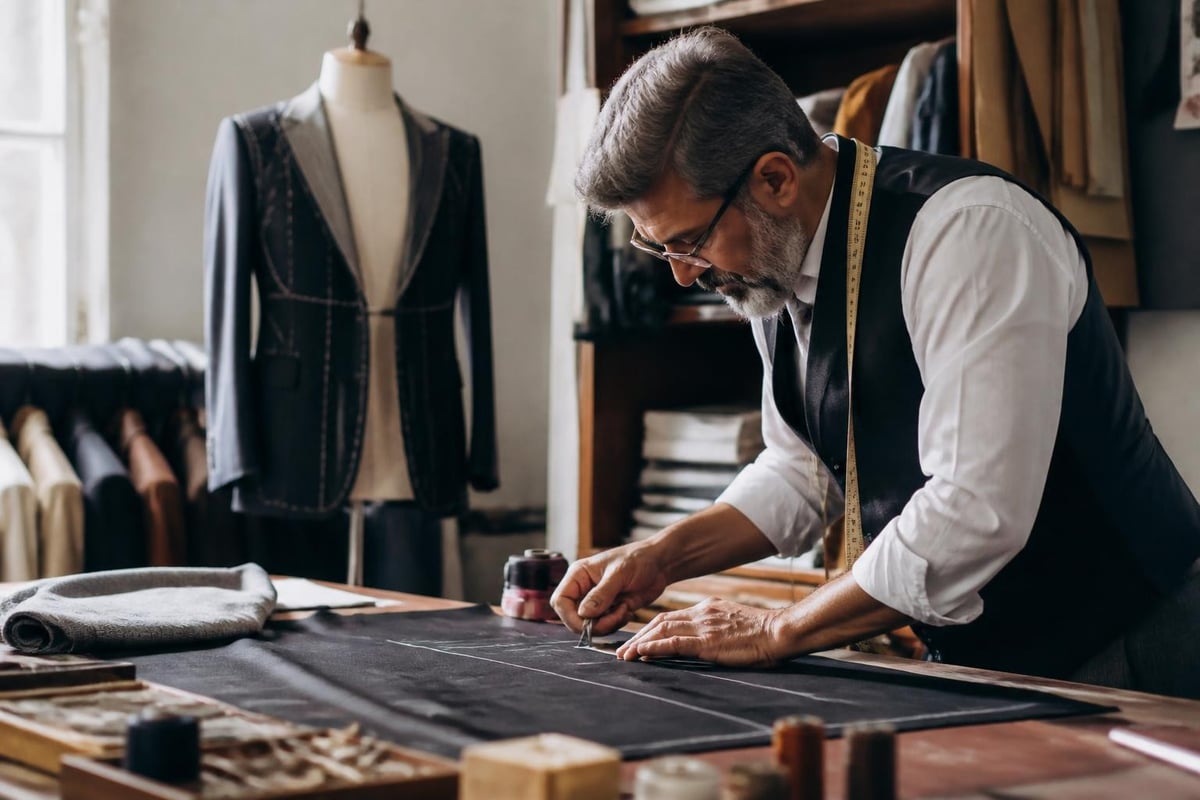
Advanced construction techniques separate competent tailors from exceptional ones. These include:
- Pad stitching for creating structured lapels and collars
- Canvas work that provides shape and support without stiffness
- Hand-sewn buttonholes that demonstrate attention to detail
- Sleeve setting techniques for optimal shoulder fit and movement
- Precise dart placement for flattering silhouettes
Fabric Knowledge and Selection Expertise
Understanding fabric characteristics represents a critical component of professional tailoring expertise. Different materials require specific handling techniques, and skilled tailors recognize how weight, weave, and fiber content affect garment construction and final appearance.
| Stoff Typ | Best Applications | Key Considerations |
|---|---|---|
| Wool Worsted | Suits, trousers | Holds shape well, breathable |
| Cotton Poplin | Dress shirts | Crisp finish, easy care |
| Leinen | Summer suits, casual wear | Natural texture, wrinkles easily |
| Seide | Formal shirts, linings | Luxurious feel, delicate handling |
| Cashmere | Luxury garments, coats | Exceptional softness, requires expertise |
Professional tailors source world-class fabrics and guide clients toward selections that match their lifestyle, climate, and intended garment use. This consultation process demonstrates the value of working with experienced professionals who understand material properties beyond surface appearance.
Services Offered by Skilled Tailoring Professionals
The range of services a professional tailor provides extends far beyond simple hemming or taking in seams. Comprehensive tailoring expertise encompasses garment creation, modification, and restoration.
Custom Garment Creation
Bespoke tailoring represents the pinnacle of personalized clothing creation. This process involves multiple fittings where the professional tailor refines the garment to achieve perfect proportions. At Alex’s Fashion, the team specializes in creating custom clothing for men, women, and children, ensuring each piece reflects individual style preferences while maintaining impeccable construction standards.
The bespoke process typically follows these stages:
- Initial consultation to discuss style preferences, fabric options, and intended use
- Comprehensive measurements capturing unique body proportions
- Pattern creation tailored to individual specifications
- First fitting with a preliminary garment version
- Adjustments and refinement based on fit feedback
- Final fitting to ensure perfect results
- Quality finishing including pressing and final details
Alterations and Modifications
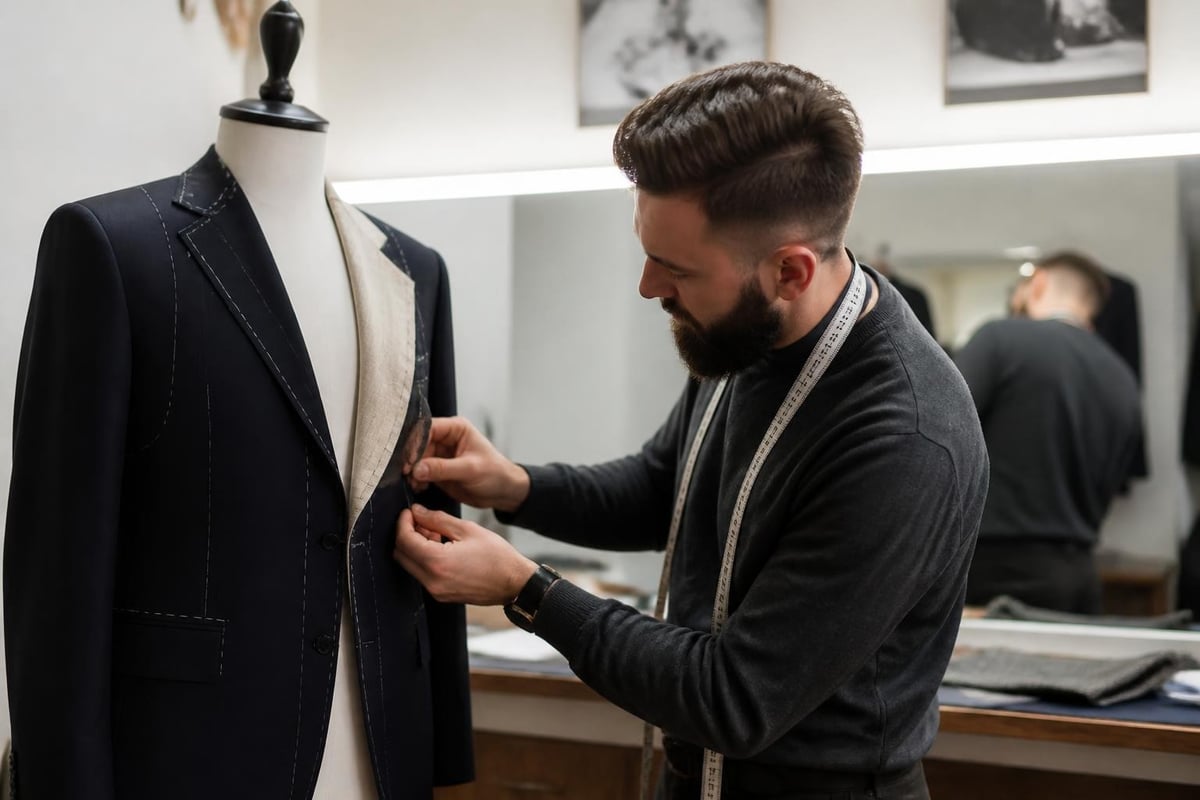
Expert alterations breathe new life into existing garments or adjust off-the-rack purchases to achieve custom-level fit. According to detailed alteration guides, professional tailors can perform over forty different types of modifications, making this service remarkably cost-effective for maintaining a refined wardrobe.
Common alteration services include structural changes like taking in or letting out seams, adjusting sleeve length, tapering pants legs, and reshaping shoulders. More complex modifications require advanced skills, such as restyling outdated garments, adding functional details, or completely reconstructing poorly fitted pieces.
Repairs and Restoration
Skilled tailors extend garment lifespans through expert repair work. These services include:
- Replacing worn linings while preserving exterior fabric
- Reweaving damaged areas to maintain garment integrity
- Reinforcing stress points before failure occurs
- Restoring vintage or heirloom pieces
- Replacing zippers and closures with precision
Professional repair work often proves more economical than replacement, particularly for quality garments constructed from premium materials.
Quality Standards in Professional Tailoring
Understanding quality benchmarks helps clients recognize exceptional work and set appropriate expectations. The Association of Sewing and Design Professionals establishes comprehensive standards that define professional-grade garment construction.
Hand-Finishing Techniques
Superior tailoring incorporates hand-sewn elements that machines cannot replicate with the same precision and durability. A professional tailor invests significant time in hand-finishing details that distinguish bespoke work from mass production.
Critical hand-sewn components include buttonholes that withstand repeated use without fraying, carefully shaped lapels that roll naturally, and invisible hems that maintain clean lines. These techniques require years to master but create garments that age gracefully and maintain their shape through decades of wear.
The investment in proper tailoring techniques ensures garments meet professional standards. Techniques like pad stitching create three-dimensional shaping that enhances fit and appearance, while hand-basted seams allow for precise adjustments during fitting processes.
Pressing and Finishing Excellence
Professional pressing techniques fundamentally impact garment appearance and longevity. Skilled tailors understand that pressing differs significantly from simple ironing, requiring specific temperature settings, moisture levels, and pressure application for different fabrics and garment sections.
Proper finishing includes:
- Steam shaping to create dimensional curves
- Edge pressing for crisp seam lines
- Careful attention to avoid shine or fabric damage
- Strategic pressing during construction stages
- Final overall pressing for presentation
Building Expertise Through Training and Experience
The journey to becoming a professional tailor requires dedicated study, practical experience, and continuous skill development. Modern tailoring combines traditional craftsmanship with contemporary techniques and tools.
Formal Education and Certification
Structured training programs provide foundational knowledge and skill development. Bespoke tailoring apprenticeships emphasize precision and craftsmanship through hands-on learning under experienced mentors.
Certification programs validate skill levels and demonstrate commitment to professional standards. These credentials assure clients they're working with qualified professionals who understand garment construction principles and maintain quality benchmarks.
Hands-On Experience and Specialization
True expertise develops through years of practical application. Professional tailors refine their skills by working with diverse body types, challenging fabrics, and complex design requirements. Each project builds knowledge that cannot be acquired through study alone.
Many tailors develop specializations based on interest and aptitude:
| Specialization | Focus Area | Typical Projects |
|---|---|---|
| Men's Formal Wear | Suits, tuxedos, dress shirts | Business attire, special occasions |
| Women's Couture | Dresses, evening wear, separates | Custom designs, formal events |
| Bridal Tailoring | Wedding gowns, attendant dresses | Ceremony attire, alterations |
| Leather and Outerwear | Jackets, coats, specialty materials | Seasonal wear, protective garments |
| Children's Clothing | Scaled patterns, growth considerations | Formal wear, everyday garments |
Specialization allows professional tailors to develop deep expertise in specific garment types while maintaining versatility across their craft.
Selecting the Right Professional Tailor
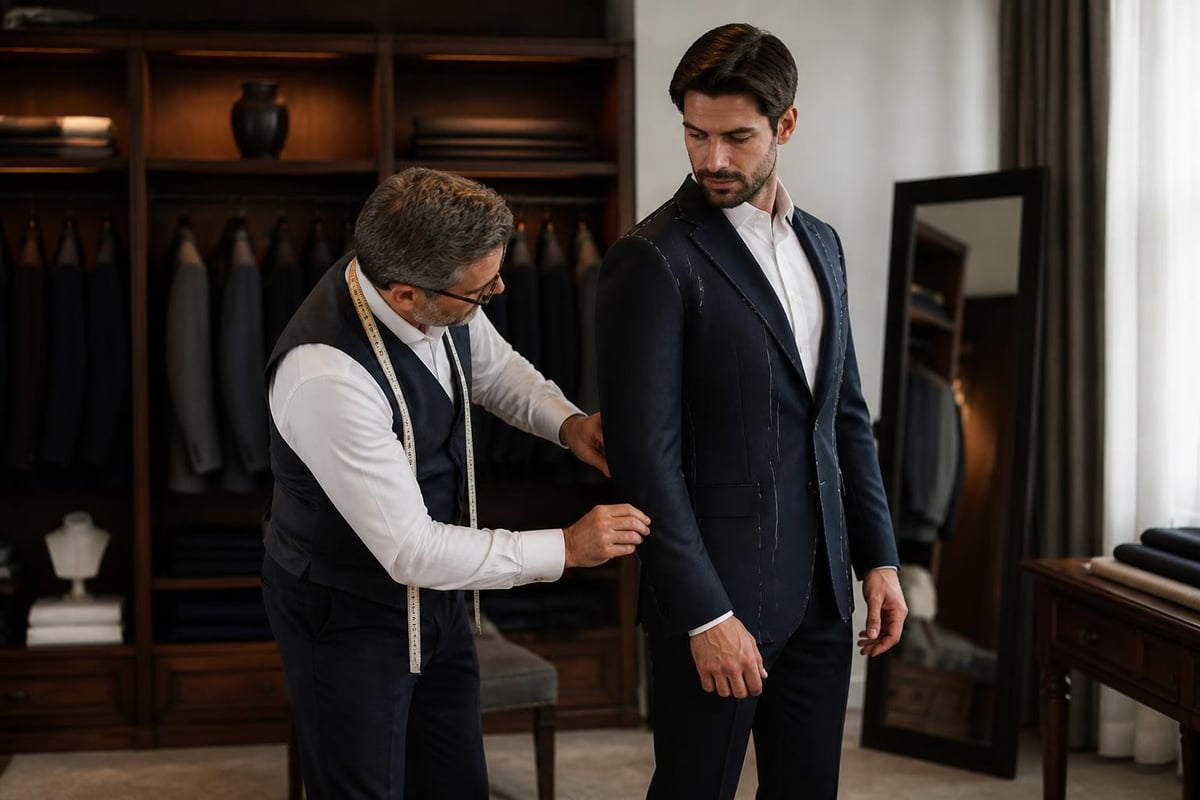
Finding a skilled professional tailor who understands your needs and delivers consistent quality requires research and evaluation. Several factors indicate tailoring expertise and reliability.
Evaluating Credentials and Portfolio
Review a tailor's experience, training background, and completed work examples. Established professionals willingly share their portfolio and discuss their approach to different projects. Look for diversity in their work that demonstrates versatility while maintaining consistent quality standards.
Years of experience provide valuable insight into skill development. A professional tailor with three decades of practice, like the team at Alex's Fashion, has encountered virtually every fitting challenge and construction scenario, developing solutions that ensure client satisfaction.
Communication and Consultation Process
Exceptional tailors invest time understanding client preferences, lifestyle requirements, and aesthetic goals. The consultation process should feel collaborative, with the professional tailor offering expert guidance while respecting personal style choices.
Clear communication about timelines, pricing, and fitting expectations prevents misunderstandings. Professional tailors provide transparent quotes and realistic completion schedules, accounting for the detailed work required for quality results.
Attention to Detail and Quality Assurance
Observe how potential tailors discuss their work processes. References to quality tailoring standards and specific techniques indicate professional knowledge. Ask about their approach to challenging projects and how they ensure consistent results.
Quality-focused tailors implement systematic processes:
- Detailed measurement taking with verification
- Multiple fitting appointments for complex garments
- Quality control checks at each construction stage
- Client feedback integration throughout the process
- Post-completion follow-up to ensure satisfaction
The Value Proposition of Professional Tailoring
Investing in professional tailoring services delivers tangible benefits that extend beyond initial garment cost. Understanding this value helps contextualize tailoring expenses within broader wardrobe management.
Long-Term Wardrobe Investment
Custom-fitted garments last significantly longer than mass-produced alternatives. A professional tailor creates clothing designed for your specific measurements and movement patterns, reducing stress on seams and fabric. Quality construction techniques and premium materials further enhance durability.
The cost-per-wear calculation favors well-made tailored garments. A bespoke suit that maintains its appearance through years of regular use represents better value than multiple cheaper alternatives requiring frequent replacement.
Enhanced Appearance and Confidence
Properly fitted clothing transforms appearance, creating polished looks that ready-made garments rarely achieve. A professional tailor addresses proportion issues, accommodates unique body characteristics, and creates silhouettes that enhance your best features.
This improvement extends beyond aesthetics. Wearing well-fitted clothing that moves comfortably and looks sophisticated measurably increases confidence in professional and social settings. The psychological benefits of knowing you're well-dressed impact performance and interpersonal interactions.
Sustainable Fashion Practices
Professional tailoring supports sustainable consumption patterns by emphasizing quality over quantity. Creating fewer, better-made garments reduces environmental impact compared to fast fashion cycles. Expert alterations extend existing garment lifespans, preventing premature disposal.
Tailors also facilitate clothing updates through modifications that refresh outdated pieces, allowing wardrobe evolution without complete replacement. This approach aligns with growing awareness about fashion industry environmental costs.
Modern Tailoring in Traditional Settings
Contemporary professional tailors blend time-honored techniques with modern conveniences and style sensibilities. This combination preserves craft integrity while meeting current client expectations.
Technology Integration
While hand-craftsmanship remains central to quality tailoring, technology enhances certain processes. Digital measurement systems improve accuracy, design software facilitates pattern modifications, and modern pressing equipment provides consistent results. Professional tailors leverage these tools while maintaining hands-on expertise for critical construction elements.
Global Fabric Access
Modern tailors source materials worldwide, providing clients access to premium fabrics regardless of geographic location. Destinations like Krabi, Thailand have become tailoring centers where skilled professionals offer exceptional service using internationally sourced materials at competitive prices.
This global perspective enriches the tailoring experience, allowing clients to select from diverse fabric collections while benefiting from local craftsmanship traditions and cost advantages.
Adapting to Contemporary Styles
Professional tailors stay current with fashion trends while maintaining classic construction principles. This balance allows them to create modern garments with timeless quality. Whether clients prefer traditional styling or contemporary designs, skilled tailors adapt techniques to achieve desired aesthetics without compromising structural integrity.
Working with a professional tailor transforms your relationship with clothing, ensuring every garment fits perfectly and reflects your personal style while meeting exacting quality standards. Whether you need a custom suit for an important occasion, expert alterations for your existing wardrobe, or guidance selecting fabrics and styles that enhance your appearance, experienced tailoring professionals provide invaluable expertise. With over 30 years of bespoke tailoring experience serving men, women, and children, Alex’s Fashion in Ao Nang, Krabi combines traditional craftsmanship with world-class fabrics to create clothing tailored to your complete satisfaction.