
 DE
DE  EN
EN  FR
FR  TH
TH 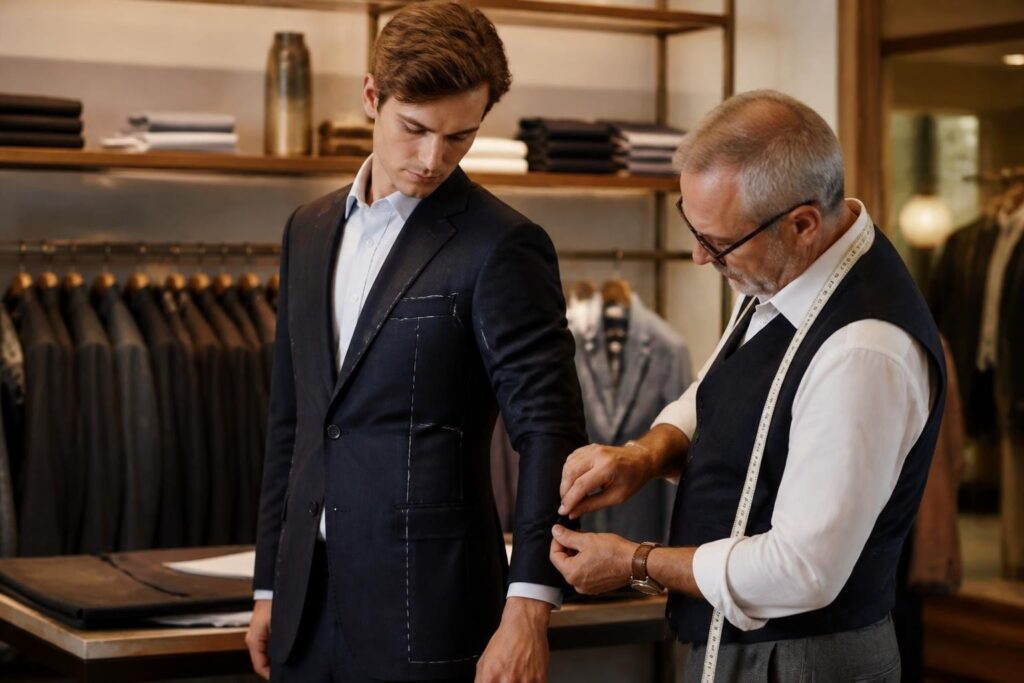
The retail landscape has evolved dramatically, but one element remains constant: the value of a skilled store tailor who can transform standard garments into perfectly fitted pieces. Whether operating within a department store or a specialized boutique, a store tailor serves as the bridge between off-the-rack convenience and custom craftsmanship. This professional relationship between retail and tailoring creates exceptional value for customers who want garments that fit their unique body shapes and style preferences.
Understanding the Store Tailor's Role in Modern Retail
A store tailor functions as an essential component of the shopping experience, providing alterations and adjustments that ensure customers leave with garments that fit perfectly. Unlike independent tailors who work exclusively on custom pieces, the store tailor typically handles modifications to purchased items, offering services ranging from simple hemming to complex restructuring of garments.
The presence of a skilled store tailor elevates any retail establishment, creating a competitive advantage in an era where online shopping dominates. Customers appreciate the convenience of purchasing and altering garments in one location, eliminating the need to seek external alteration services. This integrated approach streamlines the fitting process and builds customer loyalty.
Key Responsibilities and Services
Store tailors manage diverse tasks throughout their workday, adapting to customer needs and seasonal demands. Their expertise extends beyond basic alterations to include consultative services that help customers make informed purchasing decisions.
Common services provided by store tailors include:
- Hemming pants, skirts, and dresses to precise lengths
- Taking in or letting out waistbands and side seams
- Adjusting sleeve lengths on shirts, jackets, and coats
- Tapering pant legs for modern silhouettes
- Repairing damaged seams, zippers, and buttonholes
- Adding or removing embellishments and details
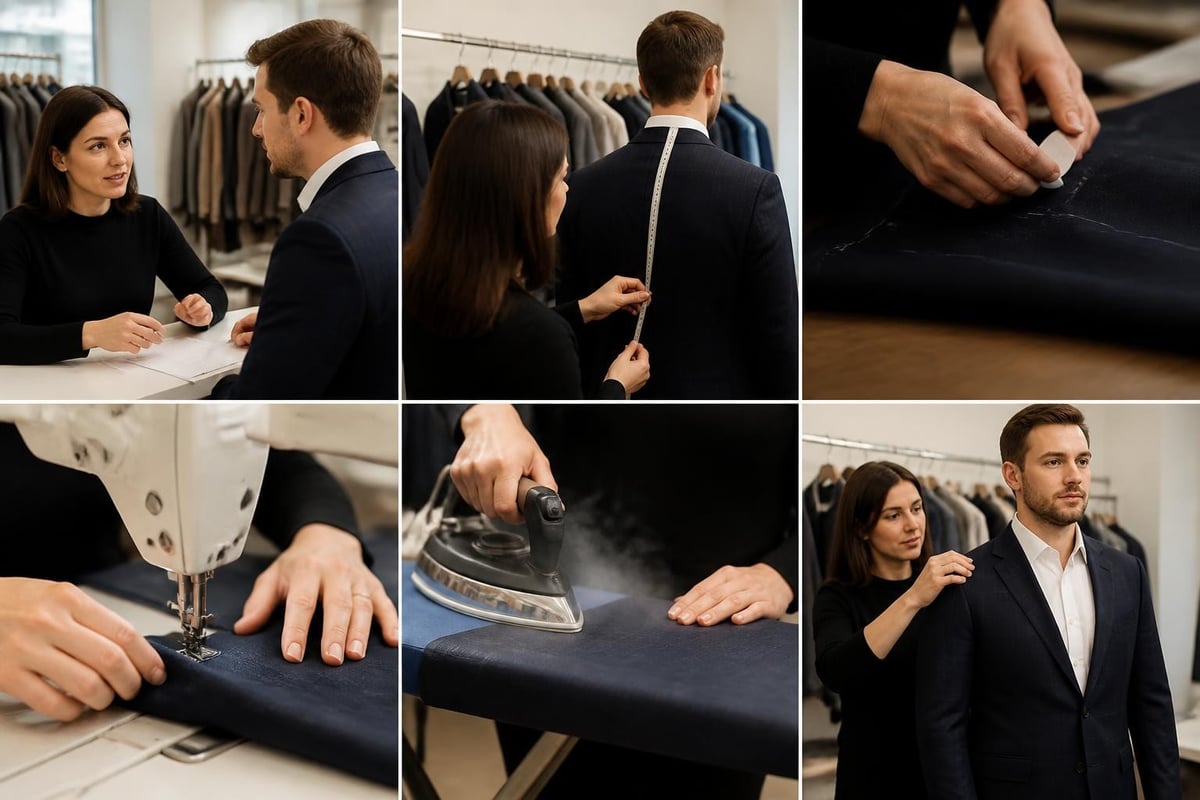
The store tailor's workspace typically occupies a dedicated area within the retail environment, equipped with industrial sewing machines, pressing equipment, and fitting mirrors. This visible presence reassures customers that their alterations will be handled professionally and conveniently.
Building Customer Relationships Through Personalized Service
The most successful store tailors understand that their role extends beyond technical skill. They serve as style advisors, helping customers visualize how alterations will improve fit and appearance. This consultative approach transforms transactional alterations into relationship-building opportunities.
Experienced store tailors develop regular clientele who trust their judgment and expertise. These relationships often span years, with tailors maintaining detailed records of customer measurements, preferences, and past alterations. This personalized attention creates exceptional value that online retailers cannot replicate.
Communication and Consultation Techniques
Effective communication distinguishes exceptional store tailors from adequate ones. The initial consultation represents a critical moment where tailors assess garment potential, discuss customer expectations, and provide honest recommendations about feasible alterations.
| Consultation Element | Purpose | Outcome |
|---|---|---|
| Visual Assessment | Evaluate garment construction and fabric | Determine alteration feasibility |
| Measurement Taking | Record precise body dimensions | Ensure accurate fitting |
| Expectation Setting | Discuss realistic results and timelines | Prevent misunderstandings |
| Cost Estimation | Provide transparent pricing | Build trust and approval |
Professional store tailors ask probing questions to understand how customers plan to wear garments, what activities they'll perform, and what comfort levels they expect. This information guides alterations that enhance both appearance and functionality.
Technical Expertise and Skill Development
The craft of tailoring requires years of practice to master, combining technical knowledge with artistic sensibility. A competent bespoke tailor develops skills through formal training, apprenticeship, and continuous learning about new fabrics and construction techniques.
Store tailors must adapt their expertise to various garment types, from casual wear to formal attire. Each fabric behaves differently under the needle, requiring adjusted tension settings, specialized threads, and appropriate pressing temperatures. Understanding these nuances prevents damage and ensures professional results.
Essential Technical Skills
Modern store tailors balance traditional hand-sewing techniques with industrial machine operation. While machines handle most structural alterations efficiently, certain finishing touches demand hand-sewing for invisible results and superior quality.
Critical technical competencies include:
- Pattern reading and garment construction understanding
- Precision measurement and marking techniques
- Industrial and domestic sewing machine operation
- Hand-sewing methods for hems, buttons, and repairs
- Pressing and steaming for professional finishing
- Fabric identification and handling knowledge
The best store tailors continually update their skills by studying fashion trends, attending workshops, and experimenting with new techniques. This commitment to professional development ensures they can handle contemporary styles and fabrics that emerge in the market.
Business Operations and Workflow Management
Operating as a store tailor requires more than technical skill. These professionals manage complex workflows, juggle multiple projects simultaneously, and maintain meticulous records to ensure timely completion and customer satisfaction.
Efficient store tailors implement systems for tracking garments through the alteration process, from initial intake to final pickup. These systems prevent lost items, ensure quality control, and facilitate clear communication with customers about completion timelines.

Time Management and Scheduling
Strategic scheduling separates successful store tailors from overwhelmed ones. They assess each project's complexity, estimate realistic completion times, and sequence work to maximize efficiency without sacrificing quality.
Effective scheduling strategies include:
- Grouping similar alterations for batch processing
- Prioritizing rush orders with appropriate fees
- Allocating time for complex projects requiring multiple fittings
- Building buffer time for unexpected complications
- Maintaining clear communication about realistic pickup dates
Smart store tailors also recognize seasonal patterns in alteration requests, preparing for busy periods around holidays, weddings, and back-to-school seasons. This foresight allows them to manage workload peaks without disappointing customers or compromising quality.
Quality Standards and Customer Satisfaction
Reputation represents everything for a store tailor. One poorly executed alteration can damage relationships built over years, while consistent quality creates loyal advocates who recommend services to friends and family.
Professional store tailors inspect their work thoroughly before returning garments to customers. They check stitch quality, ensure even hemlines, verify that adjustments match specifications, and press garments to perfection. This attention to detail demonstrates pride in craftsmanship that customers notice and appreciate.
Handling Challenges and Problem Resolution
Even experienced store tailors occasionally encounter challenges: difficult fabrics, unrealistic customer expectations, or garments with structural limitations. How they handle these situations determines their professional reputation and customer retention rates.
| Challenge Type | Professional Response | Customer Benefit |
|---|---|---|
| Unrealistic Expectations | Honest communication about limitations | Trust and respect |
| Fabric Complications | Transparent discussion of risks | Informed decision-making |
| Timeline Pressures | Clear pricing for rush service | Fair value exchange |
| Fitting Disputes | Complimentary adjustments when warranted | Loyalty and satisfaction |
The most respected store tailors admit when projects exceed their capabilities and recommend specialists for complex work. This honesty builds credibility and ensures customers receive appropriate service for their needs.
Marketing and Business Growth Strategies
While store tailors working within established retail environments benefit from built-in customer traffic, they still need marketing strategies to maximize their business potential. Visibility within the store, clear service menus, and competitive pricing attract customers who might otherwise skip alterations.
Progressive store tailors leverage social media to showcase before-and-after transformations, educate customers about alteration possibilities, and build their professional reputation. These digital marketing efforts complement in-store presence and attract customers specifically seeking alteration expertise.
Building a Personal Brand
Even within a larger retail establishment, skilled store tailors can develop personal brands that differentiate their services. They become known for specific expertise: wedding alterations, denim customization, or vintage garment restoration. This specialization attracts customers seeking particular skills and justifies premium pricing.
Successful store tailors also cultivate relationships with sales associates, who serve as referral sources. When sales staff understand alteration capabilities and costs, they confidently recommend services during the purchasing process, increasing alteration revenue and customer satisfaction.
Technology Integration in Modern Tailoring
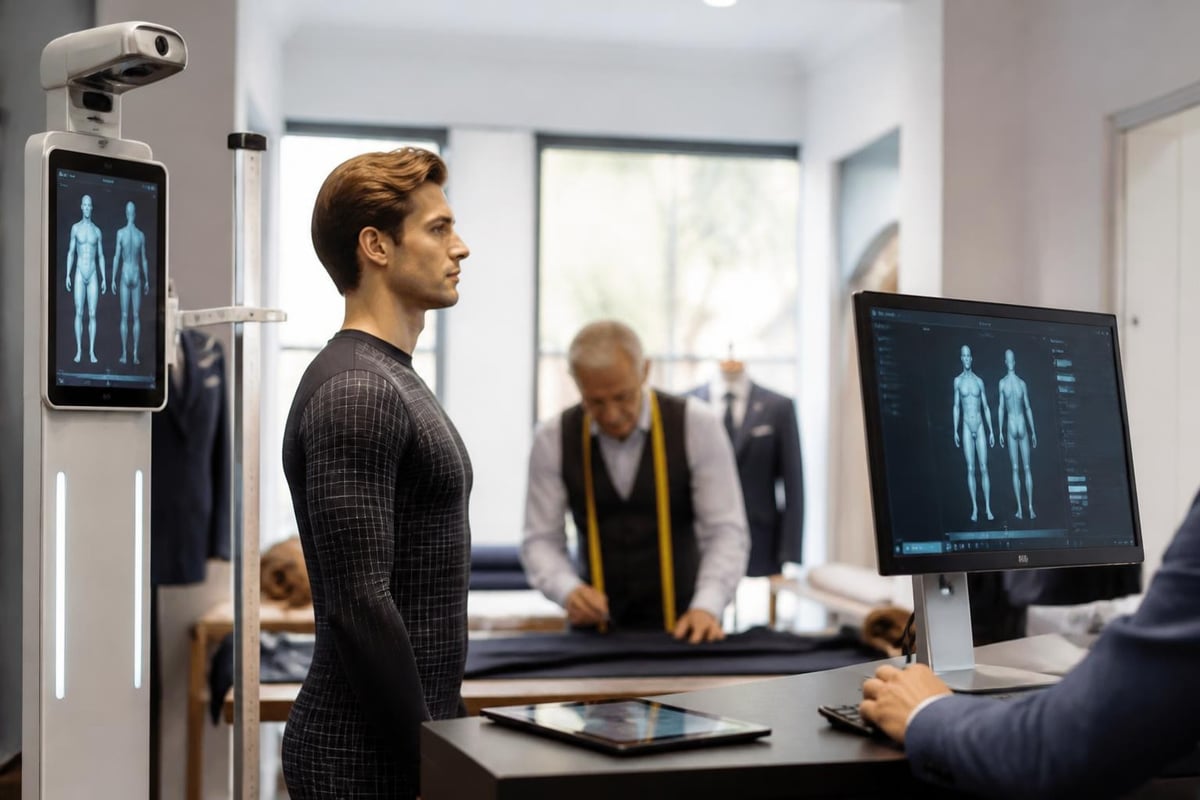
The tailoring profession increasingly incorporates technology to enhance precision, efficiency, and customer service. While traditional skills remain foundational, modern store tailors adopt tools that improve their craft and business operations.
Digital measurement systems create detailed body scans that ensure consistent fitting across multiple garments. Customer relationship management software tracks alteration histories, preferences, and contact information for personalized service. Some advanced operations even use 3D visualization tools that preview alterations before making a single cut.
Technology applications in store tailoring:
- Digital measuring tools for precise body scanning
- Customer databases tracking measurements and preferences
- Project management software for workflow optimization
- Point-of-sale systems integrated with retail operations
- Communication platforms for appointment scheduling and notifications
These technological enhancements don't replace craftsmanship but amplify it, allowing store tailors to serve more customers while maintaining exceptional quality standards. At Alex’s Fashion, cutting-edge tools combine with traditional expertise to deliver superior results.
Training and Professional Development
The pathway to becoming a skilled store tailor varies globally, with some regions offering formal apprenticeship programs while others rely on vocational training or on-the-job learning. Regardless of the entry point, continuous skill development remains essential for career advancement and service excellence.
Aspiring store tailors benefit from studying garment construction, pattern making, and textile science. Understanding how garments are originally constructed enables better alteration decisions and prevents structural problems. Knowledge of fabric properties guides appropriate handling techniques and prevents costly mistakes.
Career Advancement Opportunities
Experienced store tailors often progress into supervisory roles, managing alteration departments within larger retail operations. Others leverage their expertise to establish independent businesses, offering both alterations and custom garment creation. Some specialize further, becoming experts in specific garment types or customer segments.
The skills developed as a store tailor transfer readily to related fields: costume design, fashion education, garment manufacturing, or quality control. This versatility provides career security and multiple pathways for professional growth throughout working life.
Economic Value and Pricing Strategies
Determining appropriate pricing for alteration services challenges many store tailors. Prices must reflect skill level, time investment, and material costs while remaining competitive within the local market. Underpricing devalues expertise and creates unsustainable business models, while overpricing drives customers to competitors.
Strategic store tailors develop transparent pricing structures that customers understand and appreciate. They communicate value by explaining the complexity of specific alterations and the expertise required to achieve professional results. This education helps customers recognize that quality alterations represent investments in their wardrobes rather than mere expenses.
Factors influencing alteration pricing:
- Garment complexity and construction method
- Fabric type and handling difficulty
- Time required for completion
- Skill level and experience demanded
- Rush service premiums
- Local market rates and competition
Smart pricing includes options for different service levels: standard turnaround, expedited service, and rush orders. This tiered approach accommodates various customer needs while maximizing revenue potential during high-demand periods.
Sustainability and Garment Longevity
The environmental impact of fast fashion has elevated awareness about garment longevity and alterations. Store tailors play crucial roles in sustainability by extending clothing life through repairs, updates, and modifications. This service aligns with growing consumer interest in reducing waste and maximizing wardrobe value.
Customers increasingly view alterations as sustainable choices that reduce consumption while maintaining style. A skilled store tailor transforms outdated garments into contemporary pieces, adjusts inherited clothing for new wearers, and repairs quality items worth preserving. These services support circular fashion economies and responsible consumption.
Repair Services and Restoration
Beyond simple alterations, forward-thinking store tailors offer restoration services that revive damaged or worn garments. These repairs might include reweaving holes, replacing linings, reinforcing stress points, or updating construction techniques that have failed over time.
Repair services particularly appeal to customers with investment pieces: designer garments, wedding attire, or sentimental clothing. The store tailor's ability to restore these items to wearable condition creates exceptional value and deepens customer relationships built on trust and appreciation.
Understanding the multifaceted role of a store tailor reveals why this profession remains vital in modern retail despite technological advances and changing shopping habits. The combination of technical expertise, customer service excellence, and business acumen creates value that resonates with discerning customers who appreciate perfect fit and quality craftsmanship. Whether you're seeking alterations for everyday wear or custom garments crafted to your exact specifications, Alex’s Fashion brings over three decades of expertise to ensure every piece fits flawlessly and exceeds expectations.