
 DE
DE  EN
EN  FR
FR  TH
TH 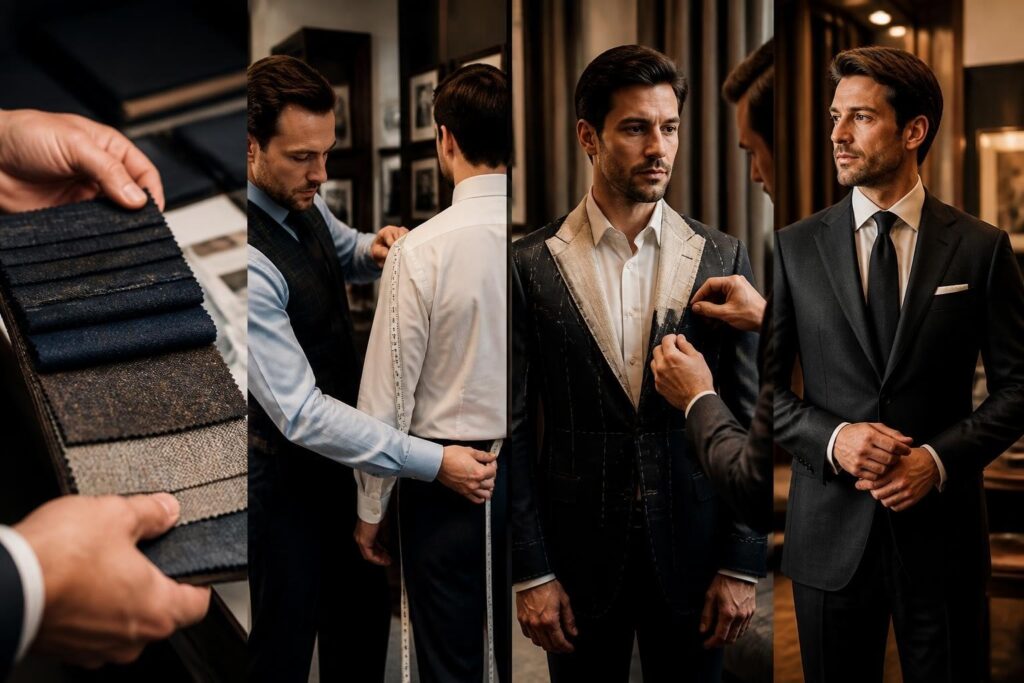
The art of bespoke tailoring represents the pinnacle of menswear craftsmanship, where skilled artisans transform premium fabrics into perfectly fitted garments that reflect individual style and personality. A professional menswear tailor brings decades of expertise to every stitch, combining traditional techniques with contemporary fashion sensibilities to create clothing that stands apart from mass-produced alternatives. Whether you're seeking your first custom suit or expanding a curated wardrobe, understanding the world of tailored menswear opens doors to unparalleled quality and personal expression.
Understanding the Role of a Menswear Tailor
A menswear tailor serves as both craftsman and consultant, guiding clients through the intricate process of creating custom garments that fit perfectly and reflect personal style. Unlike ready-to-wear clothing, bespoke pieces begin with precise measurements, detailed consultations, and careful fabric selection.
The relationship between a client and their menswear tailor often spans years, built on trust and an evolving understanding of preferences, lifestyle needs, and body changes. Professional tailors maintain detailed records of measurements, style preferences, and past orders, ensuring consistency across multiple garments and allowing for adjustments as needed.
Expertise Beyond Measurement
Technical skills that define exceptional tailors include:
- Pattern cutting adapted to individual body shapes
- Understanding of fabric behavior and drape
- Advanced fitting techniques for various body types
- Knowledge of construction methods for durability
- Ability to interpret style preferences into practical designs
The resurgence of bespoke suiting has elevated the importance of these skills, as modern consumers increasingly value craftsmanship and personalization. This trend extends beyond traditional business attire to casual tailored pieces that bridge formal and relaxed aesthetics.
The Bespoke Process: From Consultation to Completion
Creating custom menswear follows a structured timeline that ensures quality and precision at every stage. The process typically spans several weeks, involving multiple fittings and adjustments before final delivery.
Initial Consultation and Design
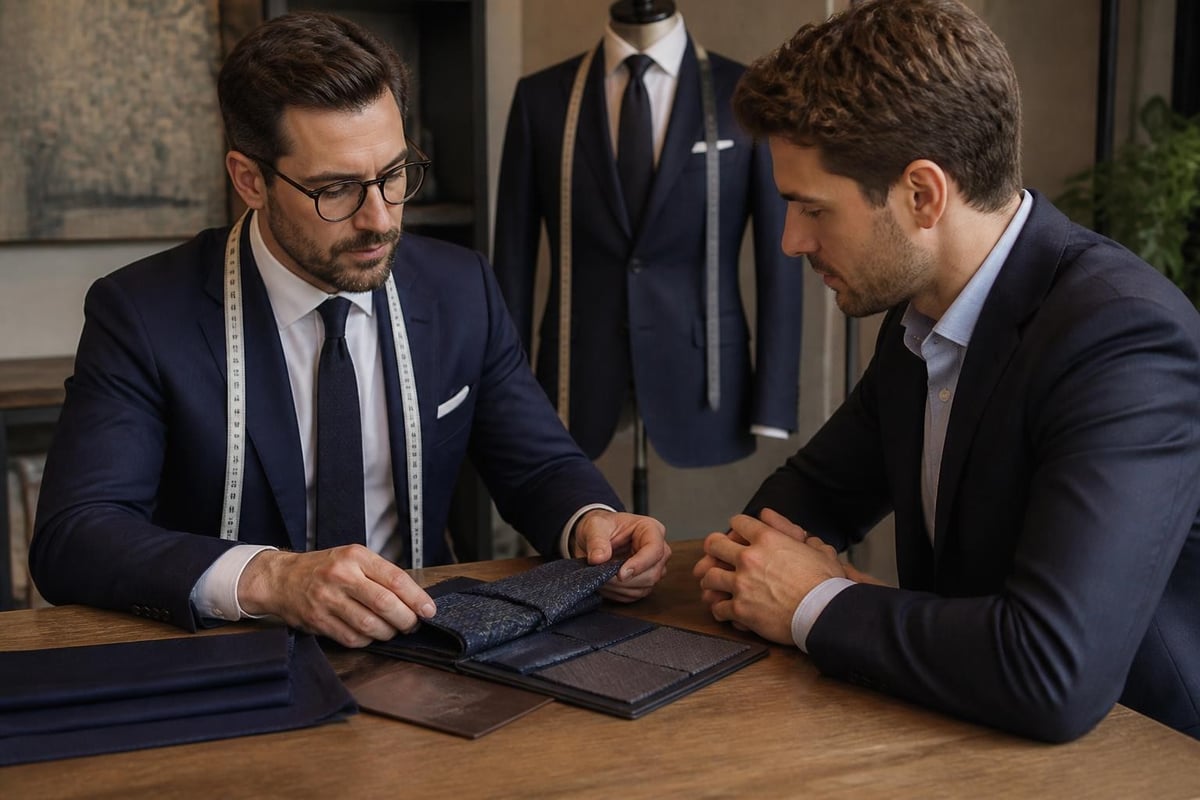
The first meeting establishes the foundation for your custom garment. During this session, your menswear tailor discusses intended use, style preferences, and budget parameters. This conversation covers details from lapel width to pocket styles, button choices to lining fabrics.
Key decisions made during consultation:
- Garment type and style (suit, blazer, trousers, shirt)
- Fabric selection considering weight, pattern, and seasonality
- Design details including cuts, features, and finishes
- Timeline expectations for fittings and completion
- Investment level based on fabric and complexity
Measurement and Pattern Creation
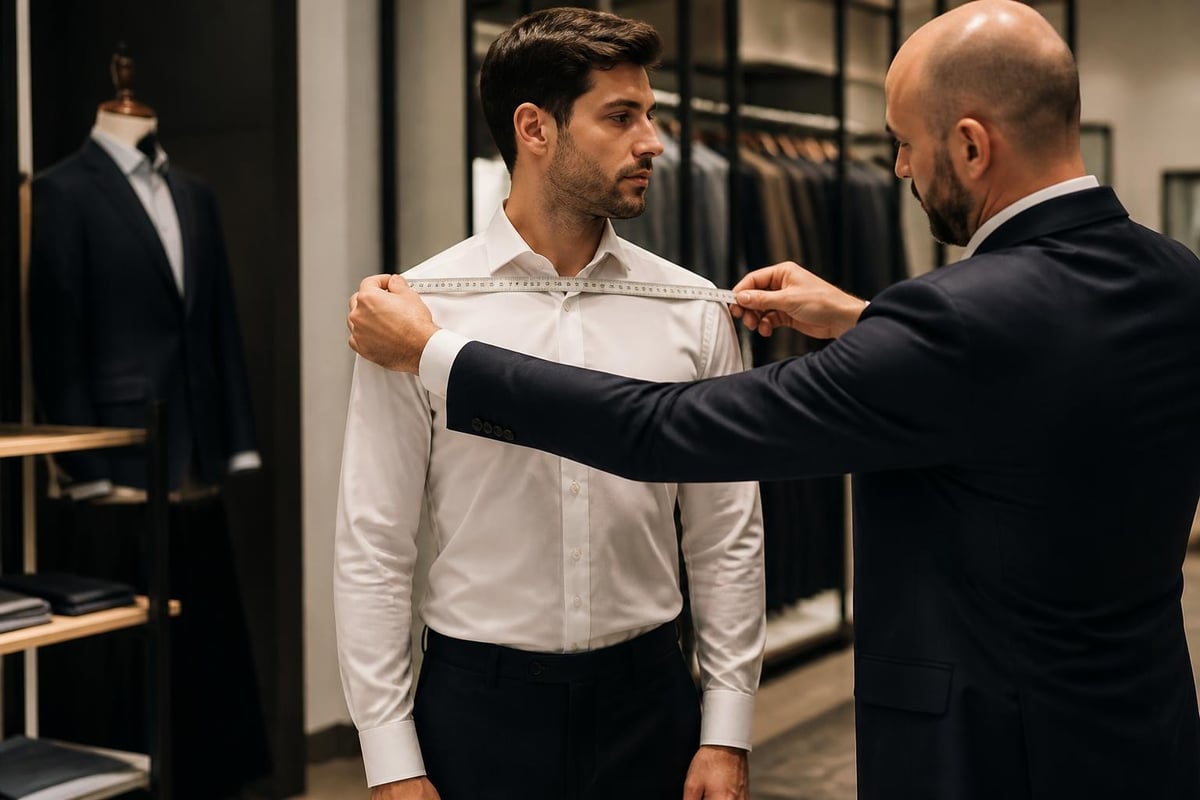
Precision measurements form the blueprint for your custom garment. A skilled menswear tailor takes dozens of measurements, accounting for posture variations, shoulder slopes, and individual proportions that ready-to-wear sizing cannot accommodate.
| Measurement Area | Warum es wichtig ist | Common Adjustments |
|---|---|---|
| Shoulder Width | Ensures proper drape | Compensates for uneven shoulders |
| Chest Circumference | Allows movement comfort | Accounts for athletic builds |
| Sleeve Length | Professional appearance | Adjusts for arm length differences |
| Waist Suppression | Creates flattering silhouette | Customizes to body shape |
| Trouser Rise | Comfort and proportion | Matches personal preference |
Fitting Sessions and Refinements
Most bespoke projects require two to three fittings before completion. The first fitting occurs with a partially constructed garment, allowing the menswear tailor to verify measurements and make adjustments before final assembly.
During subsequent fittings, attention turns to fine-tuning details like sleeve pitch, collar roll, and trouser break. These adjustments transform a well-fitting garment into one that appears custom-made, with balanced proportions and comfortable movement.
Contemporary Trends in Menswear Tailoring
The tailoring industry continues evolving, reflecting changing lifestyles and aesthetic preferences. Current menswear movements in 2026 emphasize versatility and relaxed sophistication over rigid formality.
Softer Construction Techniques
Modern tailoring increasingly embraces unstructured and partially-constructed jackets that offer comfort without sacrificing elegance. These garments feature minimal shoulder padding and flexible canvas, creating a natural drape that moves with the body.
The trend toward dressier yet softer tailoring reflects consumer demand for garments that transition seamlessly between professional and social settings. A skilled menswear tailor can adjust construction methods to achieve varying levels of structure based on client preferences and intended use.
Fabric Innovation and Selection
Popular fabric choices in contemporary menswear:
- Lightweight wool blends for year-round comfort
- Performance fabrics with stretch properties
- Sustainable and eco-conscious materials
- Textured weaves adding visual interest
- Natural fiber combinations for breathability
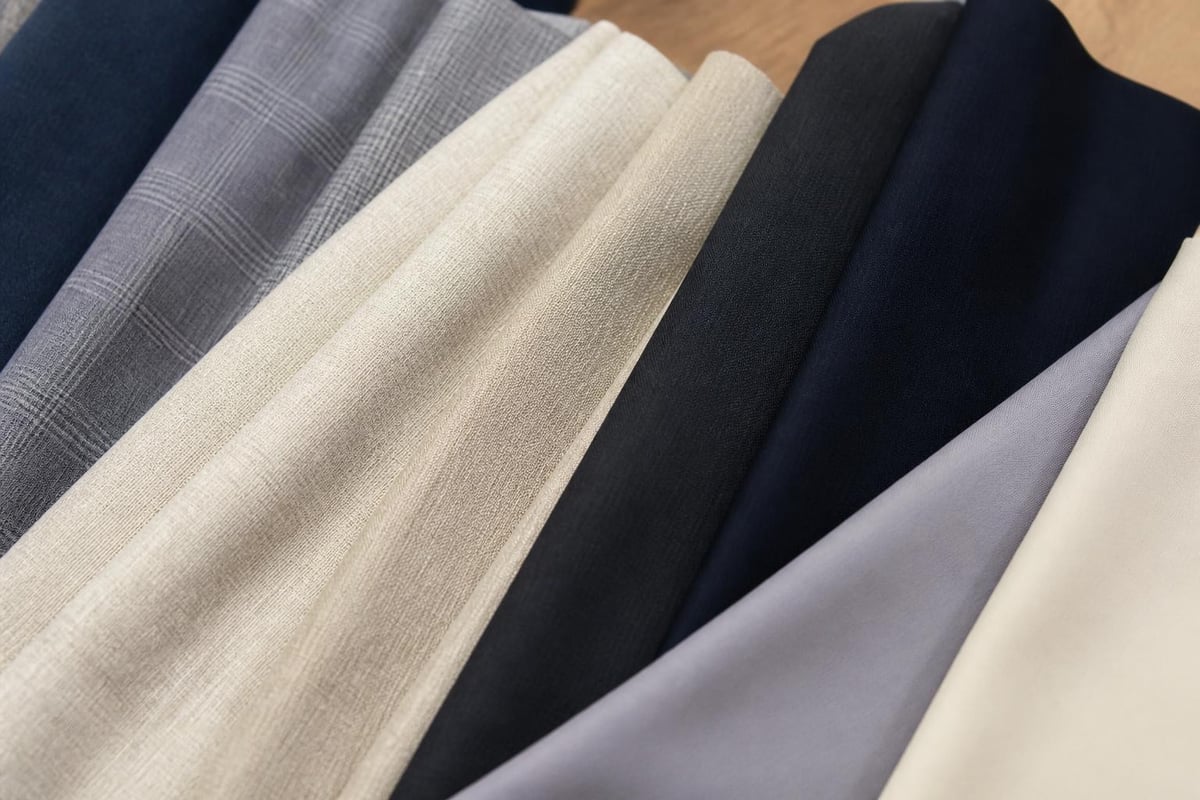
Selection extends beyond aesthetics to practical considerations like climate, care requirements, and durability. Thailand's tropical environment, for instance, demands fabrics that maintain structure while remaining comfortable in warm, humid conditions.
The Value Proposition of Custom Tailoring
Investing in bespoke menswear offers benefits that extend beyond initial cost considerations. Well-crafted garments deliver long-term value through superior fit, durability, and timeless style that resists fashion fluctuations.
Perfect Fit and Comfort
Ready-to-wear clothing assumes standardized body proportions that rarely match individual reality. A menswear tailor creates patterns specifically for your body, accommodating unique characteristics that off-the-rack garments cannot address.
This personalization extends to comfort features like armhole depth, trouser rise, and collar fit. These seemingly minor details dramatically impact how garments feel during extended wear, making custom pieces noticeably more comfortable than their mass-produced counterparts.
Longevity and Cost-Per-Wear
| Kleidungsstück Typ | Ready-to-Wear Lifespan | Bespoke Lifespan | Quality Difference |
|---|---|---|---|
| Business Suit | 2-4 years | 8-15 years | Construction quality |
| Dress Shirt | 1-2 years | 4-8 years | Fabric weight, stitching |
| Formal Trousers | 2-3 years | 6-10 years | Fabric quality, finishing |
| Sport Jacket | 3-5 years | 10-20 years | Canvas, button quality |
Quality construction and premium materials ensure bespoke garments withstand regular wear while maintaining appearance. With proper care, custom suits often outlast several ready-to-wear replacements, making the initial investment economically sound when calculated on a cost-per-wear basis.
Personal Style Development
Working with a menswear tailor educates clients about fit, proportion, and style principles that inform all clothing choices. This knowledge helps build cohesive wardrobes where each piece complements others, creating maximum versatility from fewer garments.
The consultation process encourages thoughtful consideration of personal style rather than trend-chasing. Your tailor can suggest subtle updates to classic silhouettes, ensuring garments remain current without becoming dated.
Selecting the Right Menswear Tailor
Choosing a tailor represents a significant decision that impacts satisfaction with your custom garments. Several factors distinguish exceptional craftsmen from adequate service providers.
Experience and Specialization
Years in practice correlate strongly with skill development, particularly in pattern cutting and fitting expertise. Tailors with decades of experience have encountered countless body types and style requests, building knowledge that informs every project.
Specialization matters equally. Some tailors excel at formal suiting while others specialize in casual tailored clothing or specific garment types. Understanding these strengths helps match your needs with appropriate expertise.
Questions to ask potential tailors:
- How many years have you practiced bespoke tailoring?
- What percentage of your work focuses on menswear?
- Can you provide examples of similar projects?
- How do you handle alterations if fit isn't perfect?
- What fabrics do you typically work with?
Portfolio and References
Examining previous work reveals a menswear tailor's aesthetic sensibilities and technical capabilities. Look for clean finishing, balanced proportions, and attention to detail in construction elements like buttonholes, pockets, and collar attachments.
Client testimonials provide insight into the service experience, communication style, and reliability. Positive long-term relationships indicate consistent quality and professional conduct.
Communication and Collaboration
The best tailoring relationships involve genuine collaboration between client and craftsman. Your menswear tailor should listen carefully to preferences while offering expert guidance on what works for your body type and lifestyle.
Clear communication about timelines, pricing, and expectations prevents misunderstandings and ensures satisfaction with the final product. Professional tailors explain their processes, welcome questions, and adjust their approach based on client feedback.
Building a Custom Wardrobe Strategy
Developing a tailored wardrobe requires strategic planning to maximize versatility while maintaining budgetary constraints. A thoughtful approach prioritizes foundational pieces that serve multiple purposes before adding specialized garments.
Core Pieces for Every Wardrobe
Essential custom items in order of priority:
- Navy or charcoal suit for formal occasions and professional settings
- Tailored dress trousers in neutral colors for business casual wear
- Custom dress shirts in white and light blue for maximum versatility
- Sport jacket in textured fabric for smart casual combinations
- Casual tailored pieces like linen shirts or unstructured blazers
Beginning with versatile foundations ensures each custom piece receives maximum wear. As your relationship with your menswear tailor develops, you can add seasonal pieces, formal wear, and specialized garments that complement existing items.
Seasonal Considerations
Climate significantly influences fabric choices and garment types. Tropical environments like Thailand require lighter-weight fabrics and construction techniques that promote airflow while maintaining professional appearance.
Your menswear tailor can recommend appropriate fabrics for year-round comfort, from breathable tropical wool to moisture-wicking blends that perform in humid conditions. These practical considerations ensure your custom garments remain comfortable in daily wear.
The Intersection of Tradition and Technology
Modern tailoring balances time-honored techniques with contemporary innovations that enhance precision and efficiency. While hand-stitching and traditional pressing methods remain essential, technology supports certain aspects of the bespoke process.
Digital measurement tools and pattern-making software complement manual skills without replacing the human judgment that distinguishes exceptional tailoring. The return to tailoring reflects consumer appreciation for this blend of tradition and innovation.
Some workshops incorporate 3D scanning for measurements and virtual fittings, though most experienced tailors prefer hands-on assessment. These technologies serve as tools rather than replacements for expertise, supporting the fundamental relationship between menswear tailor and client.
Maintaining Your Custom Garments
Proper care extends the lifespan of bespoke clothing, protecting your investment and maintaining appearance through years of wear. Your menswear tailor can provide specific guidance for each garment, but general principles apply across custom pieces.
Essential care practices:
- Professional dry cleaning only when necessary, as chemicals gradually degrade fabrics
- Proper hanging on quality wooden hangers that support garment shape
- Regular brushing to remove surface dirt and maintain fabric appearance
- Rotation between wears allowing fabrics to recover their natural shape
- Prompt attention to minor repairs preventing major damage
Storage considerations include climate control, protection from moths and pests, and appropriate spacing to prevent crushing. These simple practices preserve the quality and appearance that distinguish custom garments.
Understanding what makes exceptional menswear tailoring helps you make informed decisions about custom garments that elevate your style and serve you for years. The combination of expert craftsmanship, premium materials, and perfect fit creates clothing that reflects your personality while delivering unmatched comfort and durability. Whether you're ready to commission your first bespoke suit or expand an existing collection of tailored pieces, Alex’s Fashion brings over three decades of experience to every garment, ensuring your investment in custom menswear exceeds expectations with world-class fabrics and meticulous attention to detail.