
 DE
DE  EN
EN  FR
FR  TH
TH 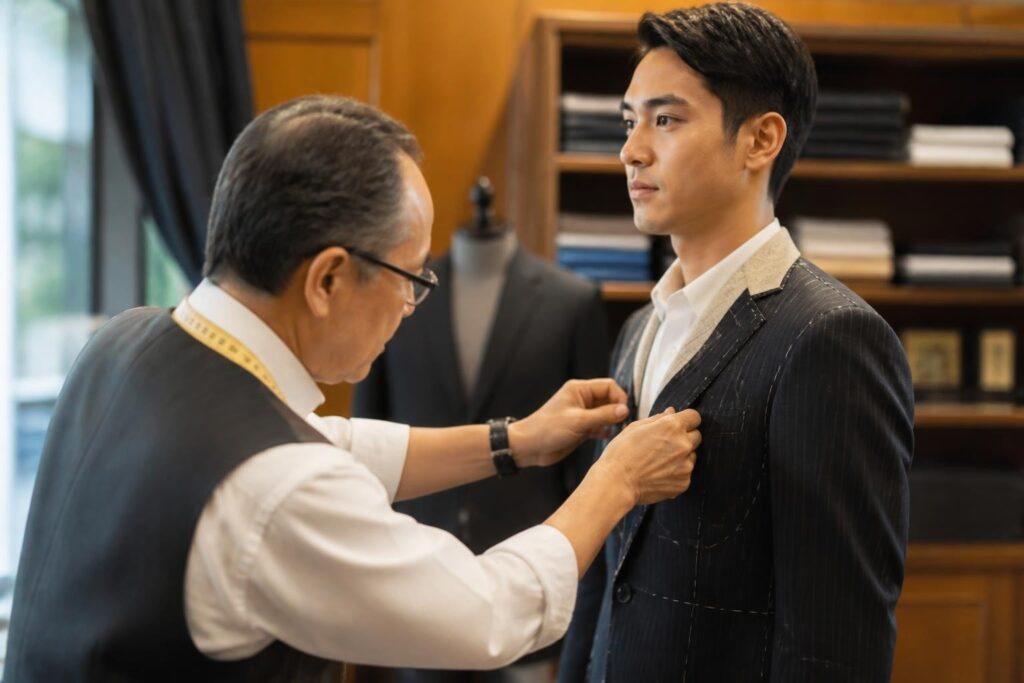
Finding professional dress tailors near me has become increasingly important as more people recognize the value of perfectly fitted clothing. Whether you need alterations for a special occasion, want to preserve a cherished garment, or seek completely custom-made pieces, choosing the right tailor transforms your wardrobe and confidence. The search for skilled dress tailors involves evaluating expertise, understanding services offered, and recognizing the difference between basic alterations and true bespoke craftsmanship.
Understanding What Dress Tailors Actually Do
Professional dress tailors offer far more than simple hemming or button replacement. These skilled artisans possess the technical knowledge to reshape garments, create pieces from scratch, and solve complex fitting challenges that off-the-rack clothing presents.
Core tailoring services include:
- Custom garment construction from measurements
- Structural alterations (taking in or letting out seams)
- Length adjustments for pants, skirts, and sleeves
- Specialized work on wedding gowns and formal wear
- Repairs and restorations for damaged clothing
- Style modifications to update existing pieces
The distinction between alterations specialists and bespoke tailors matters significantly. Alterations focus on modifying existing garments, while bespoke tailoring creates entirely new pieces designed specifically for your body. According to The Art of Manliness guide to finding a good tailor, understanding these differences helps you communicate your needs effectively and choose the appropriate professional for your project.

The Bespoke Tailoring Experience
Bespoke tailoring represents the pinnacle of personalized clothing creation. This process begins with detailed consultations where tailors assess your body shape, posture, and preferences. Multiple fittings ensure every garment drapes perfectly across your shoulders, fits comfortably around your waist, and falls at precisely the right length.
When searching for dress tailors near me, consider that experienced bespoke professionals maintain extensive fabric libraries and understand how different materials behave. They guide clients through selections, explaining which weights work best for specific climates and occasions.
How to Evaluate Local Dress Tailors
The process of evaluating potential tailors requires systematic research and personal assessment. Start by examining their portfolio and credentials, then progress to testing their skills with smaller projects before committing to major garments.
| Evaluation Criteria | Was zu beachten ist | Red Flags |
|---|---|---|
| Experience Level | 10+ years in business, specialized training | Vague background, no certifications |
| Portfolio Quality | Clear before/after photos, diverse work | Limited examples, poor finishing |
| Communication | Clear explanations, patient consultations | Rushing, not listening to concerns |
| Facility Condition | Clean, organized workspace with quality equipment | Cluttered, outdated tools |
| Pricing Transparency | Detailed quotes, written estimates | Hidden fees, unclear pricing |
Professional tailors demonstrate their expertise through proper tailoring techniques that ensure garments maintain their structure and appearance through years of wear. Ask potential tailors about their finishing methods, how they handle different fabric types, and their approach to challenging alterations.
Testing a New Tailor
Before entrusting expensive or sentimental garments to dress tailors near me, begin with simple projects. This strategy allows you to assess quality, turnaround time, and communication without significant risk.
Recommended test projects:
- Simple hemming on casual pants
- Taking in a shirt at the side seams
- Sleeve shortening on a jacket
- Adjusting a dress waistline
According to The Modest Man’s tailor finding guide, examining the finished work reveals crucial quality indicators. Check that stitches are even and invisible from the right side, seams lie flat without puckering, and the garment hangs correctly on your body.
Geographic Considerations for Finding Tailors
Location significantly impacts both the search process and the tailoring experience. Urban areas typically offer more options, while rural regions may require traveling to access specialized services. Understanding regional differences helps set realistic expectations.
Destination tailoring has emerged as a growing trend, particularly in regions known for craftsmanship excellence. Countries throughout Southeast Asia, including Thailand, have developed strong reputations for quality bespoke work at competitive prices. These destinations combine skilled artisans, access to premium fabrics, and reasonable rates.
Why Location Matters for Tailoring Services
Physical proximity to your tailor facilitates the multiple fittings essential for perfect results. While searching for dress tailors near me, consider that convenient location enables you to address minor adjustments quickly rather than accepting imperfect fits.
The relationship between client and tailor develops through repeated interactions. Building this rapport allows tailors to understand your preferences, anticipate your needs, and maintain consistent quality across multiple garments.
What to Expect During Your First Consultation
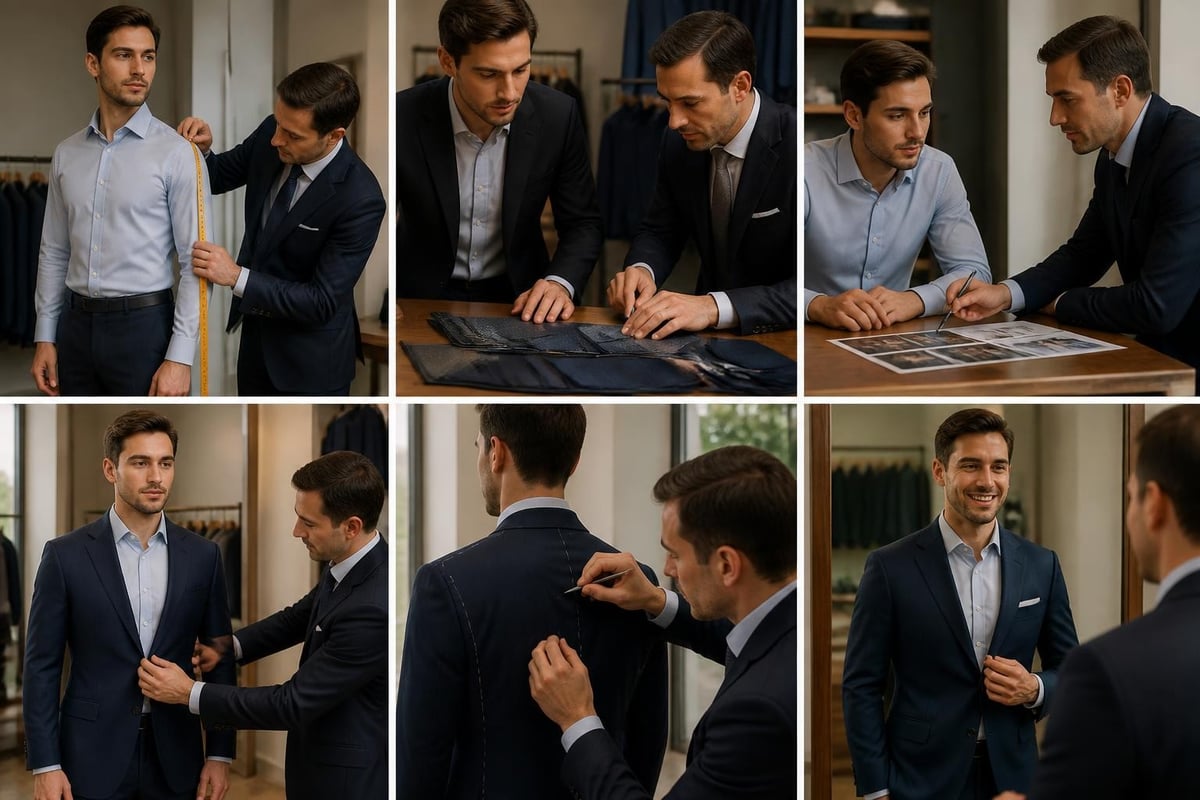
Initial consultations with professional dress tailors establish the foundation for successful projects. Come prepared with reference images, your garment (for alterations), and clear communication about your expectations.
Professional tailors begin by taking comprehensive measurements, often recording 15-20 different points for a single garment. They assess your posture, shoulder alignment, and body proportions to ensure the finished piece accommodates your unique physique.
Questions to Ask Your Tailor
Gathering information during consultations helps you make informed decisions and understand the process ahead.
Essential consultation questions:
- How long have you specialized in this type of garment?
- What is your typical turnaround time?
- How many fittings does this project require?
- What happens if adjustments are needed after completion?
- Do you offer any guarantees on your work?
- What fabrics do you recommend for my needs?
Understanding how tailoring enhances fit and style helps you articulate what you want to achieve. Describe the occasions where you'll wear the garment, your comfort priorities, and any specific style elements you prefer.
Investment Considerations for Tailored Clothing
Pricing for tailoring services varies dramatically based on complexity, fabric selection, and the tailor's expertise level. While searching for dress tailors near me, recognize that quality craftsmanship represents an investment in clothing that fits perfectly and lasts years.
| Art der Dienstleistung | Typical Price Range | Time Required |
|---|---|---|
| Basic Hemming | $15-$30 | 2-5 days |
| Suit Alterations | $75-$200 | 1-2 weeks |
| Dress Modifications | $40-$150 | 1-2 weeks |
| Benutzerdefiniertes Shirt | $100-$300 | 2-4 weeks |
| Maßgeschneiderter Anzug | $800-$3000+ | 4-8 weeks |
| Wedding Gown | $200-$600 | 2-3 months |
Quality materials significantly impact final costs. World-class fabrics from renowned mills command premium prices but offer superior durability, appearance, and comfort. Experienced tailors explain these differences and help balance budget constraints with quality expectations.
Long-Term Value of Professional Tailoring
The importance of proper fit through tailoring extends beyond immediate appearance. Well-fitted clothing enhances confidence, projects professionalism, and actually lasts longer because stress points distribute evenly across the garment.
Consider the cost per wear when evaluating tailoring investments. A custom suit worn regularly for five years costs significantly less per use than purchasing multiple off-the-rack alternatives that never fit quite right.
The Difference Between Alterations and Bespoke Services
Many people searching for dress tailors near me don't realize the fundamental distinction between alterations and bespoke tailoring. This understanding shapes expectations and ensures you engage the right professional for your needs.
Alterations modify existing garments by adjusting dimensions or making style changes. These services work within the constraints of the original construction, meaning some modifications aren't possible without completely reconstructing the piece.
Common alteration limitations:
- Cannot significantly change shoulder width on structured jackets
- Limited by existing seam allowances
- Original fabric placement restricts pattern matching
- Construction method may prevent certain adjustments
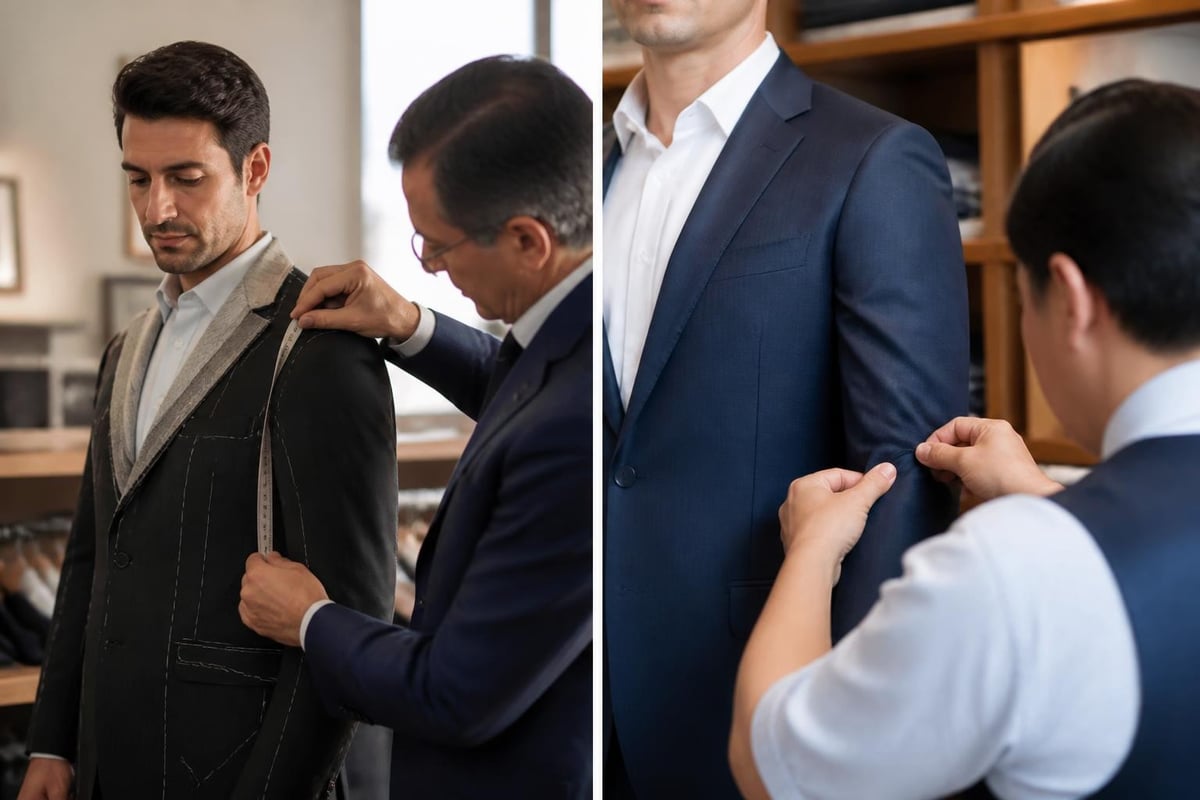
Bespoke tailoring starts with raw fabric and creates garments specifically for your measurements. According to the comprehensive guide to what tailoring encompasses, this process allows complete customization of every design element, from pocket placement to lapel width.
When to Choose Bespoke Over Alterations
Certain situations clearly favor bespoke creation over attempting to alter ready-made clothing. Bodies with significant proportional differences, such as athletic builds with developed shoulders and narrow waists, often struggle to find off-the-rack options that fit properly.
Special occasions like weddings or important career milestones justify investing in bespoke pieces. These garments perfectly reflect your style preferences while accommodating your exact measurements, ensuring you look and feel exceptional.
Special Considerations for Different Garment Types
Different clothing categories require specialized knowledge and techniques. When searching for dress tailors near me, verify that potential tailors have specific experience with your garment type.
Formal Wear and Wedding Attire
Wedding gowns and formal dresses demand particular expertise. These complex garments often incorporate multiple fabric layers, intricate beading, and structural elements like boning or internal corsetry. Skilled dress tailors understand how these components interact and make adjustments without compromising design integrity.
The crucial role of tailoring in fashion design becomes especially apparent with formal wear. Small adjustments dramatically impact how these garments photograph and move, making professional tailoring essential for significant events.
Everyday Wardrobes and Casual Pieces
Professional tailoring transforms everyday clothing just as effectively as formal pieces. Simple adjustments to casual dresses, work pants, or shirts create polished appearances appropriate for professional environments or social occasions.
Many people overlook the potential of tailoring to unlock perfect fit in their existing wardrobes. Rather than replacing ill-fitting favorites, strategic alterations extend their usefulness and improve daily comfort.
Aufbau einer Beziehung zu Ihrer Schneiderin
Successful tailoring relationships develop through clear communication, realistic expectations, and mutual respect. Regular clients often receive priority scheduling, personalized service, and tailors who understand their preferences without extensive explanation.
Tips for strong tailor relationships:
- Provide feedback honestly but respectfully
- Arrive on time for scheduled fittings
- Give adequate notice for rush projects
- Pay invoices promptly
- Refer friends and family when satisfied
- Trust their professional recommendations
Professional dress tailors appreciate clients who understand the craft's complexity and value their expertise. Ask questions to understand processes rather than questioning their methods, and recognize that achieving perfection requires patience through multiple fittings.
Communicating Your Vision Effectively
Bringing visual references to consultations eliminates ambiguity about desired outcomes. Collect images showing the overall silhouette, specific details you admire, and examples of what you want to avoid.
Describe functionality alongside aesthetics. Explain whether garments need to allow movement for active occasions, must accommodate layering for variable climates, or should create specific impressions for professional settings. This context helps tailors make design decisions that serve your actual needs.
Modern Technology and Traditional Tailoring
Contemporary dress tailors near me increasingly incorporate technology while maintaining traditional craftsmanship standards. Digital measuring systems improve accuracy, specialized software helps visualize designs, and advanced sewing equipment handles delicate fabrics with precision.
However, technology complements rather than replaces human expertise. Skilled tailors still rely on trained eyes to assess fit, experienced hands to shape fabric, and accumulated knowledge to solve unexpected challenges during construction.
| Traditional Methods | Modern Technology | Combined Benefit |
|---|---|---|
| Hand measurements | Digital body scanning | Increased accuracy, documented records |
| Paper patterns | CAD software | Precise adjustments, saved templates |
| Hand basting | Specialized machinery | Faster production, consistent quality |
| Fabric draping | 3D visualization | Better client preview, reduced errors |
The fusion of traditional techniques with modern tools defines professional tailoring in 2026. Quality remains rooted in fundamental skills while benefiting from innovations that improve efficiency and accuracy.
Seasonal Considerations for Tailoring Projects
Timing significantly impacts the tailoring experience. Wedding season creates demand surges that extend turnaround times, while holiday periods similarly strain capacity. Strategic scheduling ensures your garments arrive when needed.
Optimal planning timeline:
- Wedding attire: Begin 4-6 months before the event
- Custom suits: Allow 6-8 weeks for multiple fittings
- Seasonal wardrobe updates: Start 2-3 months before season change
- Basic alterations: Schedule 2-3 weeks ahead
- Rush projects: Discuss feasibility and additional costs upfront
When searching for dress tailors near me during peak seasons, call ahead to confirm availability before visiting. Established tailors often book completely during busy periods, particularly for complex projects requiring extended timelines.
Climate and Fabric Selection
Geographic location influences appropriate fabric choices. Tropical climates demand breathable materials like lightweight wools, linens, and cotton blends that maintain structure without causing discomfort. Understanding smart fashion alterations for perfect fit includes selecting seasonally appropriate fabrics.
Professional tailors guide clients through these selections, explaining how fabric weight affects drape, which weaves resist wrinkling during travel, and what materials maintain appearance in humidity or heat.
Red Flags When Selecting Dress Tailors
Recognizing warning signs prevents disappointing experiences and wasted investment. While most tailors operate professionally, understanding concerning behaviors protects your interests.
Warning signs to avoid:
- Refusing to provide references or portfolio examples
- Unclear pricing or unwillingness to provide written estimates
- Dismissing your concerns or preferences
- Unable to explain their approach or timeline
- Facility appears disorganized or poorly maintained
- Pressure to make immediate decisions
- No willingness to do test projects first
Trust your instincts during consultations. Professional dress tailors welcome questions, explain processes clearly, and demonstrate genuine interest in achieving your satisfaction. Feeling rushed or uncomfortable suggests looking elsewhere, regardless of other positive factors.
Protecting Your Investment
Request written agreements for significant projects that specify costs, timelines, and what happens if expectations aren't met. Photograph garments before leaving them for alterations, particularly valuable or sentimental pieces.
Understand cancellation and alteration policies upfront. Reputable tailors clearly explain their terms and stand behind their work with reasonable guarantees.
Preserving Cultural Heritage Through Bespoke Tailoring
Traditional tailoring preserves craftsmanship techniques passed through generations. When choosing dress tailors near me, you support artisans who maintain these skills against mass production trends that prioritize speed over quality.
Regional tailoring traditions offer distinctive characteristics. Southeast Asian tailors, for example, often specialize in working with natural fibers suited to tropical climates while incorporating both Western and Eastern design elements. This cultural fusion creates unique pieces that reflect global influences while honoring traditional methods.
Supporting local tailors strengthens communities and ensures these valuable skills continue developing. Many master tailors train apprentices who will serve future generations, creating lineages of expertise that benefit everyone seeking quality clothing.
Finding exceptional dress tailors near me transforms how you experience clothing, replacing frustration with garments that never quite fit with confidence in pieces designed specifically for your body. The investment in professional tailoring extends beyond individual garments to building relationships with skilled artisans who understand your preferences and deliver consistent quality. Whether you need simple alterations or completely custom creations, Alex’s Fashion offers over three decades of bespoke tailoring expertise in Ao Nang, Krabi, serving men, women, and children with world-class fabrics and meticulous attention to detail that ensures every piece exceeds expectations.