
 DE
DE  EN
EN  FR
FR  TH
TH 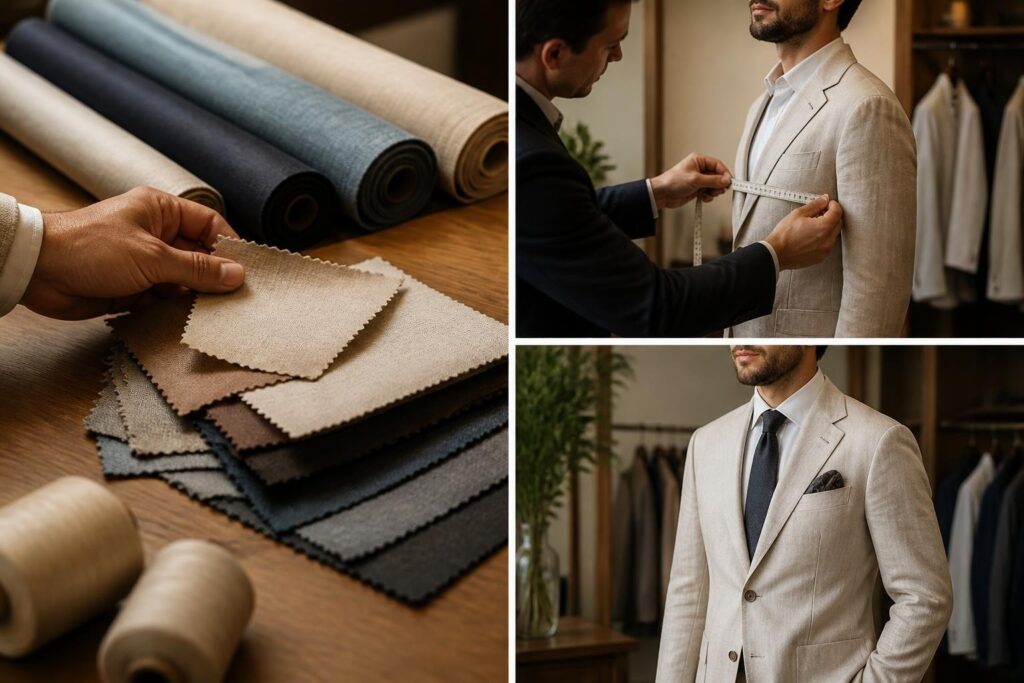
A custom linen suit represents the pinnacle of warm-weather sophistication, combining breathability with timeless elegance. Unlike off-the-rack options, a bespoke linen suit is crafted specifically to your measurements, ensuring perfect drape and comfort in tropical climates. Whether you're attending a beach wedding in Thailand, conducting business meetings in humid conditions, or simply seeking a refined summer wardrobe staple, understanding the nuances of custom linen tailoring can transform your approach to warm-weather dressing. The investment in a properly tailored linen suit pays dividends in comfort, appearance, and longevity, particularly when working with experienced tailors who understand both fabric behavior and climate-specific construction techniques.
Understanding Linen Fabric Characteristics
Linen stands apart from other natural fibers due to its exceptional properties that make it ideal for tropical and summer wear. The fabric is derived from flax plants, creating fibers that are significantly stronger than cotton while remaining lightweight and highly breathable.
Natural Breathability and Temperature Regulation
The structure of linen fibers allows air to circulate freely, making a custom linen suit far cooler than wool or synthetic alternatives. This natural ventilation system wicks moisture away from the skin, maintaining comfort even in temperatures exceeding 30 degrees Celsius. Linen can absorb up to 20% of its weight in moisture before feeling damp to the touch, a critical feature for those living in or visiting humid regions like Krabi.
The fabric's thermal conductivity properties mean it actively helps regulate body temperature rather than trapping heat. When you invest in a custom linen suit, you're choosing a material that works with your body's natural cooling mechanisms. The loose weave characteristic of quality linen creates microscopic air pockets that enhance this breathability.
Texture and Weight Considerations
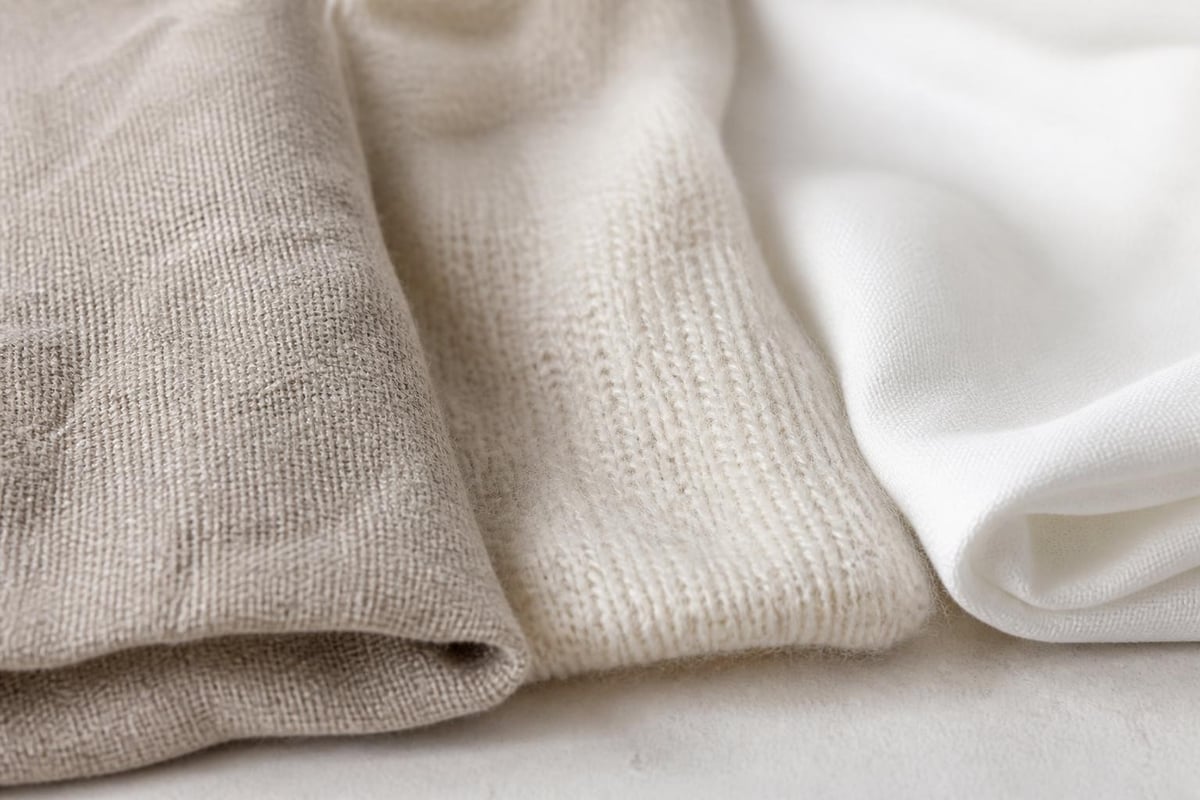
Linen fabric comes in various weights, typically measured in grams per square meter (GSM). For suiting, the ideal range falls between 200-300 GSM, providing enough structure without sacrificing comfort.
| Linen Weight | GSM Range | Best Use | Drape Quality |
|---|---|---|---|
| Lightweight | 150-200 | Casual jackets, shirts | Very soft, relaxed |
| Medium | 200-250 | Summer suits, blazers | Balanced structure |
| Heavyweight | 250-300+ | Winter linen, formal suits | Crisp, substantial |
The texture of linen develops character over time. A well-made custom linen suit actually improves with wear, developing a soft patina that enhances its relaxed elegance. This natural aging process distinguishes quality linen from cheaper alternatives, which may appear worn rather than refined.
Designing Your Custom Linen Suit
The design phase of creating a custom linen suit involves crucial decisions that affect both appearance and functionality. Working with experienced tailors ensures these choices complement your body type, lifestyle needs, and the specific climate conditions you'll face.
Color Selection for Tropical Environments
Traditional linen suits favor lighter colors that reflect heat and maintain comfort. Classic options include:
- Ivory and cream for formal tropical occasions
- Light gray for business settings requiring professionalism
- Beige and sand tones for versatile everyday wear
- Pale blue for a contemporary twist on tradition
- Natural unbleached linen for maximum breathability
Darker linen suits, while increasingly popular, absorb more heat and show wrinkles more prominently. If you prefer deeper tones like navy or charcoal, consider these for evening events or air-conditioned environments. Your tailor can guide you through understanding linen suit versatility based on your specific needs.
Style and Construction Details
The construction of a custom linen suit differs from traditional wool suiting in several key aspects. Half-canvas or unlined construction works best for linen, allowing the fabric to breathe fully while maintaining necessary structure in the shoulders and chest.
Key design elements to discuss with your tailor:
- Jacket lining – Quarter-lined or completely unlined for maximum breathability
- Lapel width – Medium width (7-8 cm) provides timeless proportions
- Pocket style – Patch pockets create relaxed elegance, flap pockets offer versatility
- Vent configuration – Side vents enhance mobility and air circulation
- Button stance – Two-button configuration suits most body types
The trouser component requires equal attention. A custom linen suit should feature trousers with a comfortable rise that allows air circulation without appearing oversized. Cuffed hems add weight to help the fabric hang properly despite its natural tendency to wrinkle.
Fit and Measurement Precision
Achieving the perfect fit distinguishes a custom linen suit from ready-to-wear alternatives. Linen's unique properties demand specific fitting approaches that account for the fabric's characteristics.
The Measurement Process
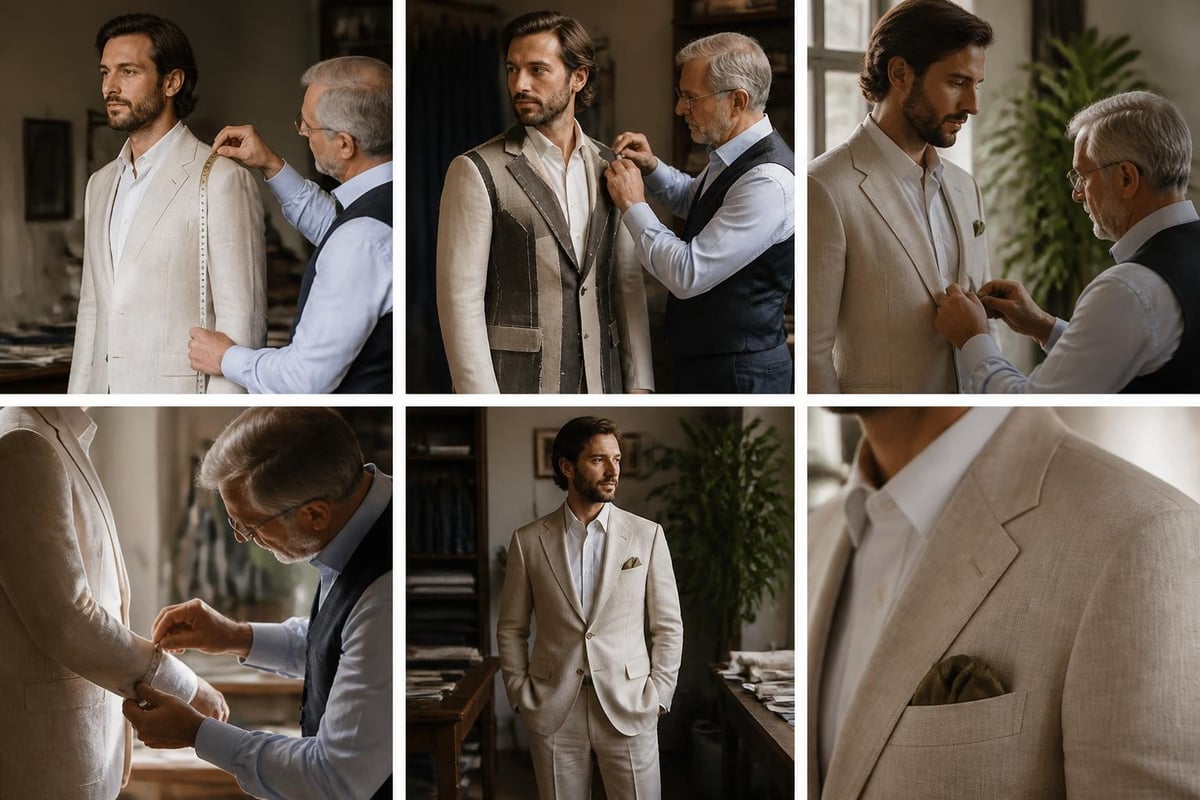
Professional tailors take multiple measurements to ensure your custom linen suit drapes correctly. Standard measurements include shoulder width, chest circumference, waist, sleeve length, and inseam, but experienced tailors also note posture, shoulder slope, and any asymmetries.
Linen suits benefit from a slightly relaxed fit compared to wool suits. This doesn't mean loose or baggy; rather, the garment should skim the body with enough ease to allow air circulation. The jacket should close comfortably without pulling, with approximately two inches of ease in the chest measurement.
Accommodating Linen's Natural Properties
Unlike wool, which can be steamed and pressed into submission, linen maintains its natural texture. A skilled tailor constructs a custom linen suit with strategic seaming and darting that works with the fabric rather than against it.
The shoulder construction requires particular expertise. Too much padding creates a stiff, uncomfortable garment; too little results in a shapeless appearance. The ideal custom linen suit features minimal shoulder padding with clean lines that follow your natural shoulder slope.
Styling Your Custom Linen Suit
A properly styled custom linen suit communicates relaxed sophistication rather than formality. Understanding appropriate combinations ensures you maximize your investment while maintaining appropriate dress standards.
Shirt and Accessory Combinations
Linen suits pair naturally with cotton or linen shirts in complementary tones. White and light blue remain failsafe choices, while pastel shades like pink or lavender add personality without overwhelming the ensemble.
Recommended shirt fabrics for linen suits:
- Fine cotton poplin for crisp texture contrast
- Linen or linen-blend for maximum breathability
- Cotton voile for ultra-lightweight comfort
- Sea island cotton for luxury feel
Neckwear with a custom linen suit should feel intentional rather than obligatory. Knit ties in silk or cotton provide texture contrast, while linen ties create a tonal, sophisticated look. In tropical settings, forgoing a tie entirely remains perfectly acceptable, particularly with an open collar and rolled sleeves.
Footwear and Belt Considerations
The relaxed elegance of a custom linen suit calls for footwear that balances polish with comfort. Leather loafers, particularly in suede or unlined leather, complement the fabric's casual sophistication. Monk straps and brogues work well for business contexts requiring slightly more formality.
Belt selection should coordinate with shoe choice while considering the suit's overall aesthetic. Woven leather belts or fabric options align with linen's natural texture, while traditional dress belts work for more formal applications.
Caring for Your Custom Linen Suit
Proper maintenance extends the life of your custom linen suit while preserving its appearance and structure. Linen fabric care requires specific approaches that differ from wool or cotton garment care.
Cleaning and Washing Guidelines
Professional dry cleaning remains the safest option for a custom linen suit, particularly for the jacket. However, linen's durability allows for gentle hand washing of trousers between professional cleanings.
When washing linen suit trousers at home:
- Use cool water (maximum 30°C) with mild detergent
- Avoid wringing or twisting the fabric
- Lay flat or hang immediately to minimize wrinkles
- Iron while slightly damp for best results
- Never use bleach or harsh chemicals
The jacket requires professional attention due to its construction and any interior components. Seek cleaners experienced with linen garments who understand the fabric's tendency to shrink if exposed to high heat.
Managing Wrinkles and Storage
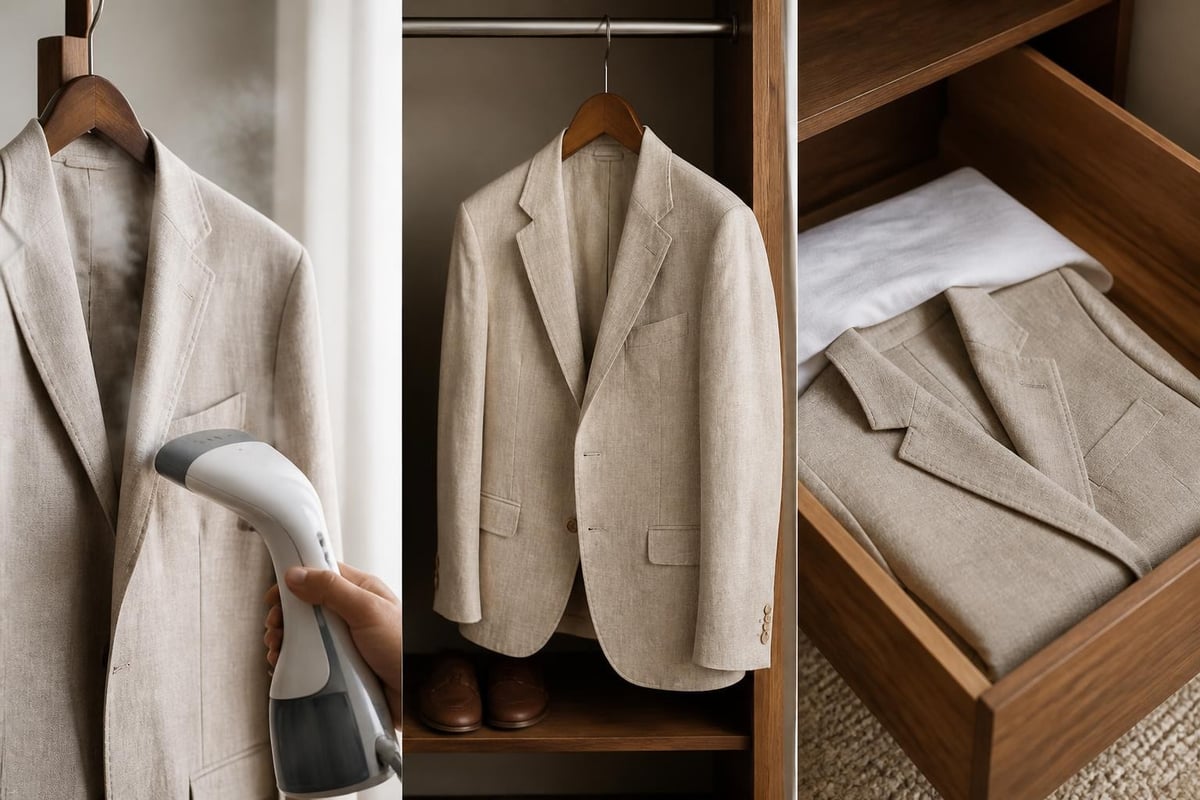
Wrinkles are an inherent characteristic of linen fabric. Rather than fighting this natural property, embrace the relaxed aesthetic that distinguishes linen from more formal fabrics. However, excessive creasing can be minimized through proper storage and handling.
| Care Aspect | Best Practice | Avoid |
|---|---|---|
| Lagerung | Wooden hangers, breathable garment bags | Wire hangers, plastic covers |
| Pressing | Medium heat, steam, press cloth | High heat, direct iron contact |
| Daily wear | Hang immediately after wearing | Leaving crumpled overnight |
| Travel | Roll garments or use suit carrier | Tight folding, overpacking |
Between wearings, hang your custom linen suit on proper wooden hangers that support the shoulders. Allow the garment to air out for at least 24 hours before returning it to your closet. This practice prevents moisture accumulation and allows wrinkles to naturally relax.
Seasonal Maintenance
Even in tropical climates, your custom linen suit benefits from periodic professional maintenance. Annual pressing and inspection by your tailor ensures buttons remain secure, seams stay intact, and the overall structure remains sound.
For those storing linen suits seasonally, clean garments thoroughly before storage. Natural fibers attract moths, so cedar elements or appropriate storage protection prevents damage. Proper aftercare maintains your investment for years of wear.
Choosing the Right Tailor
The success of your custom linen suit depends significantly on your tailor's expertise. Not all tailors possess equal skill with linen fabric, particularly in understanding how to work with its unique characteristics.
Essential Tailor Qualifications
Look for tailors with demonstrable experience creating garments for tropical climates. They should understand how linen behaves differently from wool, including its tendency to shrink, stretch, and develop character with wear. Ask to see examples of previous work and discuss their approach to linen construction specifically.
Questions to ask potential tailors:
- How many custom linen suits do you create annually?
- What construction method do you recommend for tropical climates?
- Can you source different linen fabric weights and origins?
- What is your fitting process and how many fittings are included?
- Do you offer alteration services as the suit ages?
Established tailoring businesses with decades of experience typically understand regional climate requirements better than newcomers. They've refined their techniques through hundreds of garments, learning what works in humid, warm conditions.
Fabric Selection and Sourcing
Quality linen fabric comes from specific regions known for flax cultivation, particularly Ireland, Belgium, and Italy. Italian linen, often from mills around Lake Como, offers exceptional quality with various weights and finishes suitable for suiting.
Your tailor should offer fabric choices from reputable mills, providing samples you can examine for quality. Premium linen fabrics feature consistent weave patterns, appropriate weight for suiting, and natural luster without excessive finishing treatments.
During fabric selection, consider:
- Thread count and weave tightness
- Color fastness and dye quality
- Origin and mill reputation
- Weight appropriateness for your climate
- Texture and hand feel
Investitionswert und Langlebigkeit
A custom linen suit represents a significant investment compared to off-the-rack alternatives. Understanding the long-term value helps justify the initial expenditure while informing your decision-making process.
Cost Factors in Custom Tailoring
Pricing for a custom linen suit varies based on fabric choice, construction complexity, and tailor expertise. Premium Italian linen commands higher prices than standard options, while additional details like working buttonholes or hand-stitched lapels increase costs.
Typical investment breakdown:
- Fabric selection: 30-40% of total cost
- Labor and expertise: 40-50%
- Fittings and adjustments: 10-15%
- Finishing details: 5-10%
Consider this investment against purchasing multiple ready-made suits that never fit quite right. A properly constructed custom linen suit, with appropriate care, can provide excellent wear for five to ten years, making the cost-per-wear remarkably economical.
When to Commission Your Suit
Timing matters when ordering a custom linen suit. Allow at least three to four weeks for completion, with multiple fittings ensuring perfect results. Rush orders often compromise quality, as skilled tailoring cannot be hurried without sacrificing precision.
Consider commissioning your suit during shoulder seasons when tailors face less demand. This timing often results in more personalized attention and potentially better pricing. Planning ahead for specific events ensures your garment is ready with time for any final adjustments.
Regional Considerations for Tropical Climates
Creating a custom linen suit for tropical environments requires specific design choices that address heat, humidity, and lifestyle factors unique to these regions.
Climate-Specific Construction
Thailand's tropical climate demands particular attention to ventilation and moisture management. Tailors experienced in creating garments for these conditions understand the importance of strategic lining choices and construction methods that maximize airflow.
Fully unlined jackets work well for purely tropical wear, though this removes some structure. A compromise approach uses lightweight silk or cotton lining only in the upper back and sleeves, maintaining shape while preserving breathability. Trouser linings should extend only to the knee or be eliminated entirely for maximum comfort.
The weight of interfacing materials affects comfort significantly. Traditional horsehair canvas, while excellent for structure, adds unnecessary warmth. Modern lightweight fusible or floating canvas constructions provide necessary shape without compromising comfort in humid conditions.
Versatility for Indoor and Outdoor Wear
Modern tropical living involves frequent transitions between air-conditioned interiors and outdoor heat. Your custom linen suit should accommodate these temperature variations without causing discomfort.
Medium-weight linen (220-250 GSM) offers the best balance for such conditions. It provides sufficient structure for professional settings while remaining comfortable outdoors. Lighter weights become too casual for business contexts, while heavier linen suits humid outdoor conditions poorly.
A custom linen suit represents a timeless investment in both style and comfort, particularly in tropical environments where breathability and elegance must coexist. The careful selection of fabric, precise tailoring, and proper maintenance ensure your garment provides years of sophisticated wear while adapting to the unique demands of warm, humid climates. At Alex’s Fashion, our three decades of bespoke tailoring experience in Ao Nang means we understand exactly how to craft a custom linen suit that performs beautifully in Thailand's tropical climate while reflecting your personal style. Visit us to discuss your custom linen suit and experience the difference that expert craftsmanship makes.