
 DE
DE  EN
EN  FR
FR  TH
TH 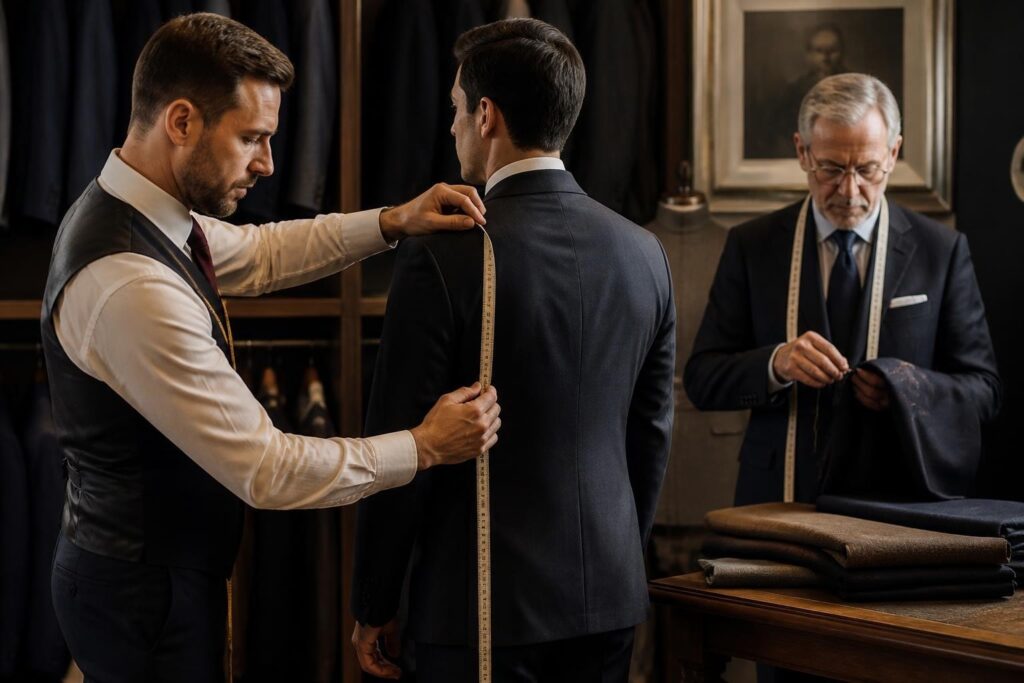
Finding a great tailor transforms your wardrobe experience from purchasing off-the-rack items to owning garments crafted specifically for your body, preferences, and lifestyle. Whether you need a perfectly fitted suit for business meetings, a custom shirt that matches your exact measurements, or alterations that breathe new life into existing pieces, the right tailoring professional makes all the difference. Understanding what separates exceptional tailors from average ones empowers you to make informed decisions about where to invest in your clothing. This comprehensive guide explores the defining characteristics, skills, and qualities that make a truly great tailor stand out in the world of bespoke clothing.
The Foundation of Exceptional Tailoring Skills
A great tailor possesses technical abilities that go far beyond basic sewing. These professionals have spent years, often decades, perfecting their craft through hands-on experience and continuous learning.
Precision in Measurement and Fitting
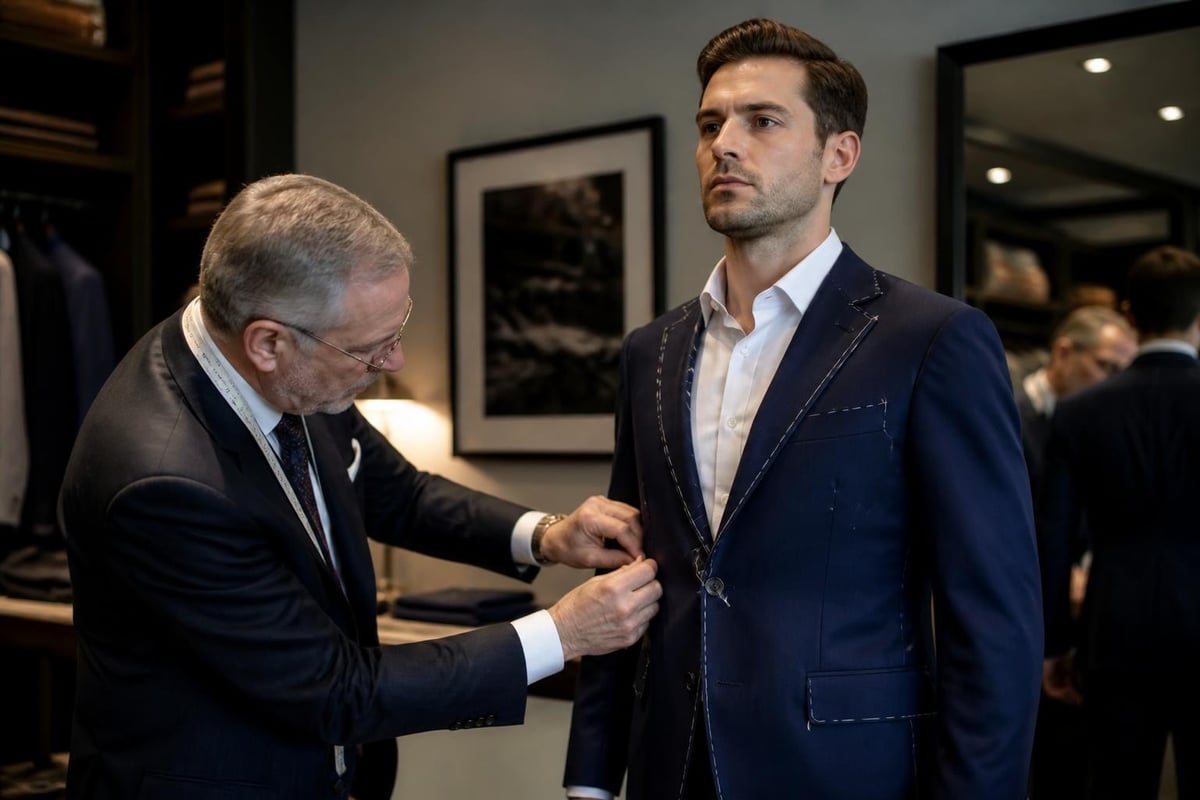
The cornerstone of quality tailoring lies in accurate measurements. A great tailor understands that the human body is asymmetrical and accounts for these variations during the initial consultation. They take comprehensive measurements that include:
- Shoulder width and slope variations
- Arm length differences between left and right
- Chest and waist proportions
- Posture considerations
- Movement allowances for comfort
Professional tailors recognize that measurements must be revisited throughout the creation process. The precision in measurements and mastery of sewing techniques distinguish exceptional tailors from those who rely solely on standard sizing charts.
Beyond initial measurements, fitting sessions reveal how fabric drapes on the body in motion. A great tailor schedules multiple fittings to refine the garment progressively, adjusting for any changes and ensuring the final product exceeds expectations.
Mastery of Fabric Knowledge
Understanding fabric behavior separates competent tailors from truly great ones. Different materials require distinct handling techniques, pressing methods, and construction approaches.
| Stoff Typ | Key Characteristics | Tailoring Considerations |
|---|---|---|
| Wolle | Breathable, wrinkle-resistant | Requires steam shaping |
| Baumwolle | Comfortable, versatile | Prone to shrinkage |
| Leinen | Lightweight, textured | Natural wrinkling expected |
| Seide | Luxurious, delicate | Needs gentle handling |
| Synthetic blends | Durable, affordable | Heat-sensitive pressing |
A great tailor advises clients on appropriate fabric choices based on climate, occasion, and garment purpose. They source quality materials from reputable suppliers and understand how different fabrics age over time. This expertise ensures that your investment in bespoke clothing delivers lasting value.
The Art of Construction and Craftsmanship
Technical excellence forms only part of what defines a great tailor. The artistic elements of garment construction showcase their creative abilities and attention to aesthetic details.
Hand-Stitching Techniques
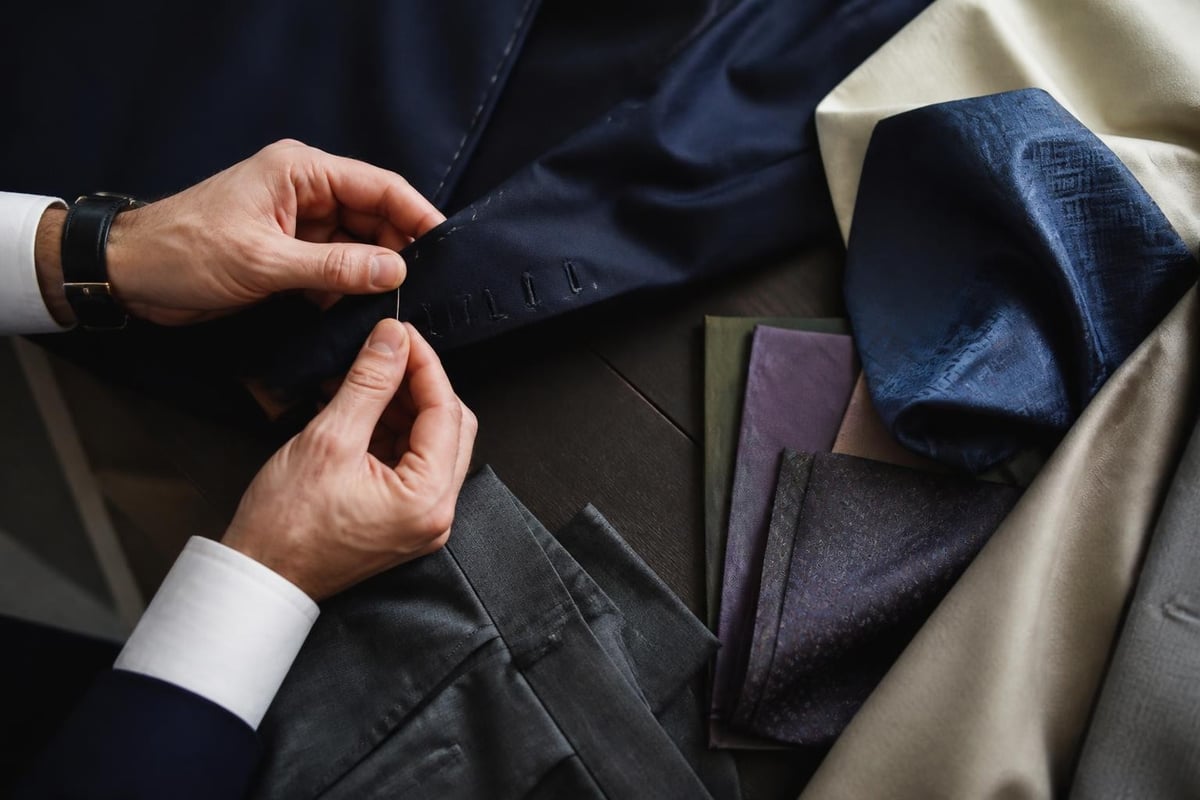
While modern tailoring incorporates machine work for efficiency, hand-stitching remains irreplaceable for certain elements. A great tailor employs hand-sewing for:
- Buttonholes that lie flat and last longer
- Lapel padding that creates natural roll
- Hem finishing that remains invisible
- Sleeve attachment for optimal movement
These traditional methods, rooted in the rich history of bespoke tailoring, create garments with superior durability and refined finishing. The time invested in hand-work reflects the tailor's commitment to quality over speed.
Pattern making represents another critical skill. A great tailor creates or adapts patterns specifically for each client rather than relying exclusively on standardized templates. This customization accounts for individual body shapes and style preferences.
Attention to Detail and Finishing
The difference between good and great often appears in barely visible details. Exceptional tailors obsess over elements that many clients never consciously notice but subconsciously appreciate:
- Perfectly aligned patterns at seams
- Consistent stitch length throughout garments
- Buttons placed at optimal functional positions
- Pocket placement that balances aesthetics and practicality
- Lining selection that complements outer fabric
These refinements contribute to garments that look professional and feel comfortable. The attention to detail and quality materials distinguish truly exceptional tailoring work from adequate alterations.
Professional Qualities That Define Excellence
Technical skills alone don't make a great tailor. Professional characteristics and interpersonal abilities complete the package of excellence in bespoke tailoring.
Communication and Consultation Skills
A great tailor listens actively to understand client needs, preferences, and lifestyle requirements. They ask probing questions to uncover details that inform design decisions:
- Where and when will you wear this garment?
- What colors and styles do you typically prefer?
- Do you have any fit concerns with current clothing?
- What's your budget for this project?
Transparent communication about timelines, costs, and realistic expectations prevents misunderstandings. Great tailors explain their process, educate clients about options, and collaborate rather than dictate choices.
They also offer honest feedback when client requests may not serve their best interests. This professional integrity builds trust and long-term relationships.
Reliability and Consistency
Meeting deadlines demonstrates respect for clients' schedules and commitments. A great tailor maintains organized systems for tracking orders, scheduling fittings, and managing inventory.
Consistency in quality across all projects, regardless of price point or complexity, marks professional excellence. Whether creating a simple alteration or an elaborate custom suit, the same standards apply.
Adaptability and Problem-Solving
Every client presents unique challenges. A great tailor approaches problems creatively, finding solutions that satisfy both aesthetic goals and practical constraints.
When unexpected issues arise during construction, they pivot gracefully rather than forcing predetermined plans. This flexibility, combined with experience, allows them to handle unusual requests or difficult fabrics with confidence.
Building Expertise Through Experience and Education
The journey to becoming a great tailor involves continuous learning and practical application of skills developed over many years.
Traditional Apprenticeship vs. Modern Training
Historically, tailoring knowledge passed through apprenticeship systems where aspiring tailors learned directly from masters. While tailoring has evolved significantly over centuries, this mentorship model remains valuable.
Modern tailors may combine formal fashion education with hands-on experience. Both pathways can produce excellence when accompanied by dedication and practice. What matters most is the depth of knowledge acquired and the commitment to craftsmanship.
A great tailor with 30 years of experience has encountered countless fabric types, body shapes, and style requests. This accumulated wisdom informs their work in ways that cannot be taught in classrooms alone.
Staying Current With Fashion Trends
While respecting traditional techniques, great tailors also stay informed about contemporary fashion trends and customer preferences. They balance timeless construction methods with modern styling sensibilities.
This awareness allows them to guide clients toward choices that feel current while avoiding fleeting fads that quickly date garments. The best bespoke pieces remain stylish for years because they prioritize classic proportions adapted to individual tastes.
The Client Experience With a Great Tailor
Beyond technical excellence, the overall client experience distinguishes superior tailoring services from transactional alterations.
Personalized Service and Relationship Building
A great tailor remembers returning clients' preferences, past orders, and sizing details. This personalized approach makes each visit feel special rather than routine.
They create welcoming environments where clients feel comfortable discussing their needs and trying garments. The consultation process feels collaborative, with the tailor serving as both expert advisor and creative partner.
Long-term relationships develop naturally when tailors consistently deliver exceptional results. Many clients return for decades, trusting their tailor with every important wardrobe decision.
Value Beyond Price
While bespoke tailoring represents an investment, a great tailor delivers value that transcends cost. This value includes:
- Garments that fit perfectly and require no further adjustments
- Clothing that lasts significantly longer than ready-made alternatives
- Confidence from knowing you look your best
- Time saved by having reliable wardrobe solutions
- Unique pieces that express your personal style
Quality tailoring costs more upfront but often proves economical over time when considering cost-per-wear and durability. A great tailor helps clients understand this long-term value proposition.
Selecting Your Great Tailor
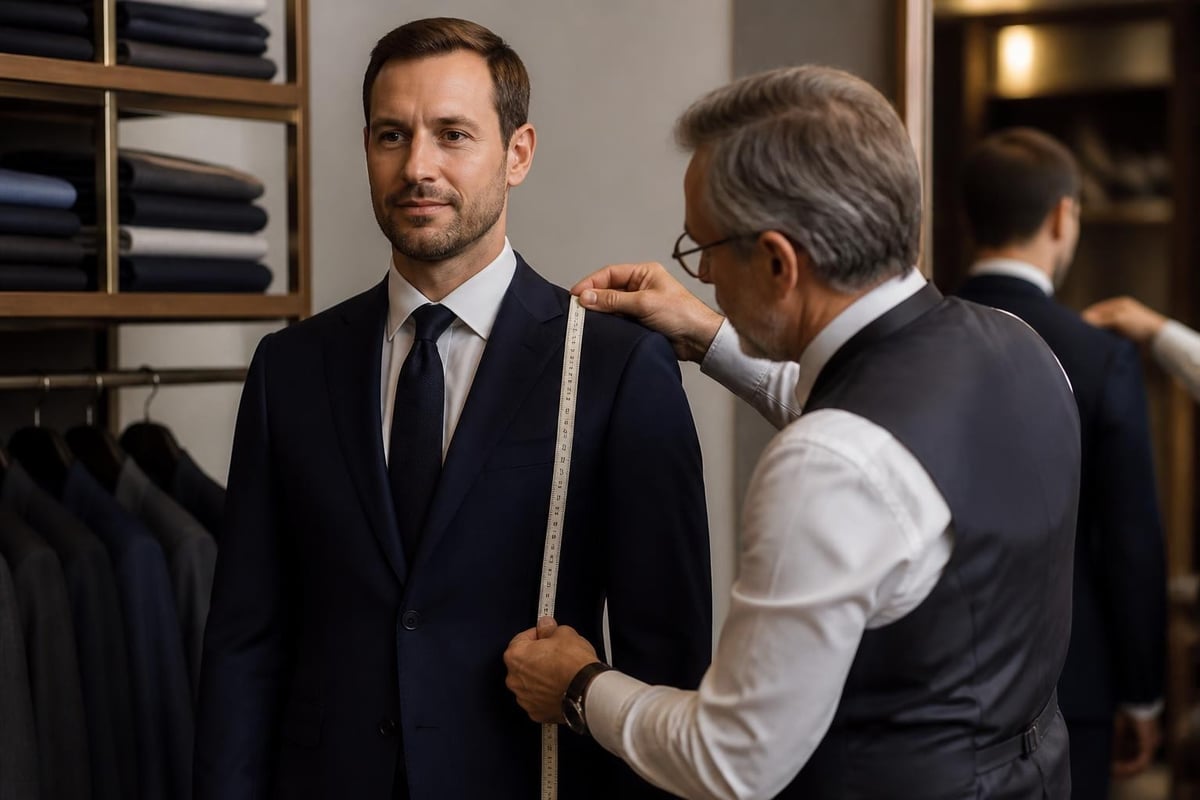
Finding the right tailoring professional requires research and sometimes trial visits to assess compatibility with your needs and preferences.
Questions to Ask Prospective Tailors
When evaluating tailoring services, consider these important questions:
- How long have you been working in bespoke tailoring?
- What is your typical timeline from consultation to completed garment?
- How many fittings do you include in your process?
- Can you show examples of similar work you've completed?
- What fabrics do you recommend for my specific needs?
- What happens if I'm not satisfied with the final result?
The answers reveal both expertise and customer service philosophy. A great tailor responds confidently and provides detailed explanations rather than vague assurances.
Red Flags to Avoid
Certain warning signs suggest you should continue your search:
- Unwillingness to show previous work samples
- Pressure to make immediate decisions without consultation
- Inability to explain their construction process
- Significantly lower prices than other reputable tailors
- Poor communication or defensive responses to questions
- Rushed fitting sessions without thorough assessment
Trust your instincts. The relationship with your tailor should feel professional, respectful, and collaborative from the first interaction.
The Impact of Location and Specialization
Geographic location and area of expertise influence what makes a great tailor for your specific needs.
Regional Tailoring Traditions
Different regions have developed distinct tailoring styles and specializations over centuries. Understanding these traditions helps you find tailors aligned with your aesthetic preferences.
For example, destinations known for tailoring often attract skilled professionals who benefit from concentrated expertise and competitive quality standards. Thailand, particularly areas like Ao Nang in Krabi, has become recognized for excellent bespoke tailoring services that combine traditional techniques with international fabric access.
Specialization in Garment Types
Some tailors excel at specific garment categories:
| Specialization | Typical Expertise |
|---|---|
| Men's suiting | Business attire, formal wear |
| Women's clothing | Dresses, blouses, custom fits |
| Änderungen | Quick fixes, size adjustments |
| Formal wear | Wedding attire, evening gowns |
| Children's clothing | Growing body considerations |
A great tailor often handles multiple categories but may have particular strengths. Matching your needs with their specialization ensures optimal results.
Maintaining Relationships With Your Tailor
Once you find a great tailor, nurturing that professional relationship benefits both parties and improves your ongoing experience.
Providing Useful Feedback
Honest, constructive feedback helps your tailor refine their understanding of your preferences. Share what you love about completed garments and any minor concerns that arise during wear.
Great tailors appreciate clients who communicate openly rather than simply accepting results they're not entirely satisfied with. This dialogue enables continuous improvement.
Planning Ahead for Major Projects
For time-sensitive events like weddings or important business presentations, contact your tailor well in advance. Rush orders increase stress and may compromise quality, even with skilled professionals.
Providing adequate time demonstrates respect for the craftsmanship involved and allows for the multiple fittings that ensure perfect results. Most tailors recommend at least 4-6 weeks for complex projects, though simpler alterations may require less time.
Caring for Your Investment
Following your tailor's care instructions preserves garment quality and appearance. Great tailors provide guidance on:
- Proper cleaning methods for specific fabrics
- Storage recommendations to prevent damage
- When to return for minor adjustments as garments settle
- How to handle seasonal wardrobe rotation
This ongoing support extends the life of your investment and maintains the relationship beyond the initial transaction.
Understanding what defines a great tailor empowers you to make informed decisions that elevate your wardrobe and personal style. The combination of technical excellence, professional integrity, and personalized service creates experiences that justify the investment in bespoke clothing. With over three decades of expertise in creating custom garments for men, women, and children, Alex’s Fashion in Ao Nang, Krabi exemplifies these qualities through meticulous attention to detail and world-class fabric selection. Whether you need a perfectly tailored suit or custom-made clothing that reflects your unique style, experienced professionals deliver the craftsmanship and personalized service that transform how you look and feel in your clothes.