
 DE
DE  EN
EN  FR
FR  TH
TH 
A perfectly tailored suit has always been a symbol of sophistication, yet in 2026, its relevance has reached new heights. As modern life demands both style and comfort, mastering the suit and tailor process unlocks a new level of confidence and professionalism.
This guide will walk you through everything you need to know, from understanding different suit types and the tailoring process to fabric choices, fit essentials, and the latest trends. Discover expert tips that ensure you look and feel your best. Ready to redefine your wardrobe? Let’s embark on your journey to the perfect fit.
The Evolution of the Suit: Why Fit Matters in 2026
Fashion is in constant flux, yet few garments have endured and evolved as dynamically as the classic suit and tailor craft. In 2026, the suit is no longer confined to boardrooms or formal events. Instead, it has become a cornerstone of the modern wardrobe, adapting seamlessly to both professional and personal lifestyles.
The Modern Suit’s Role in Fashion and Professional Life
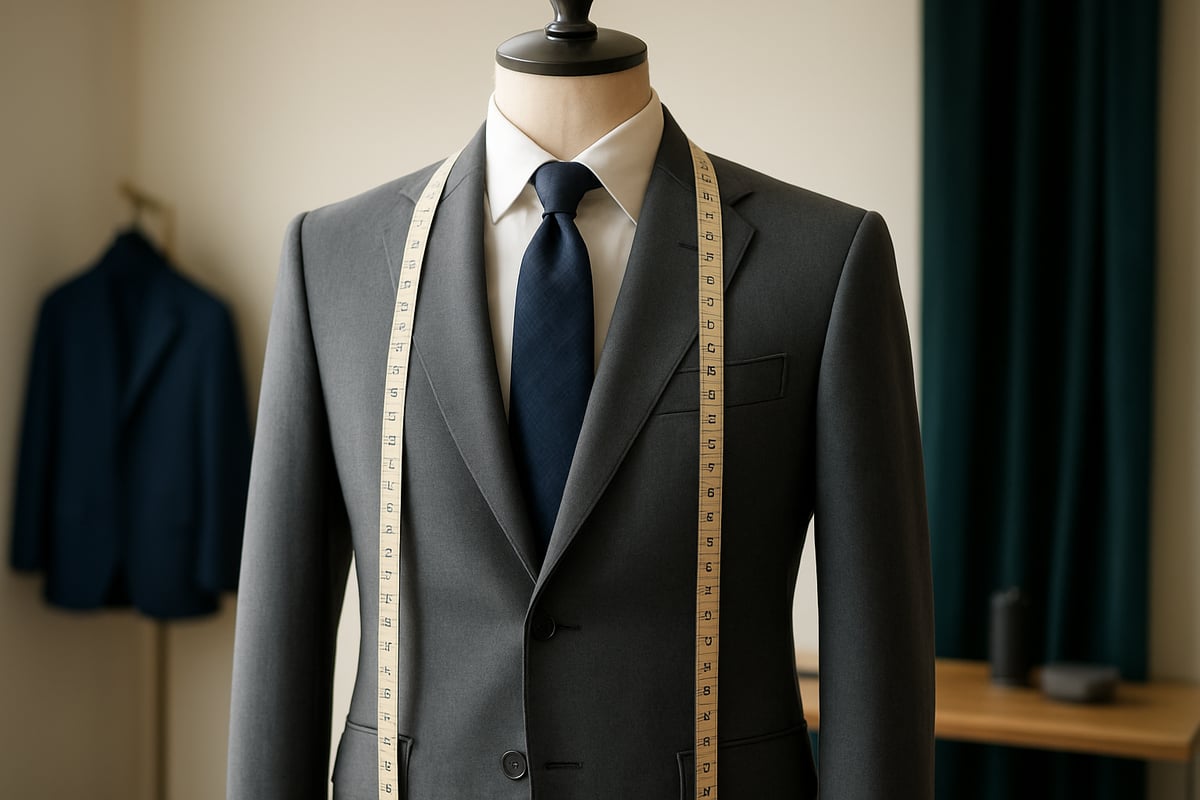
Over the past decade, the suit and tailor industry has navigated a major transformation. Suits are now seen as versatile, everyday essentials, equally at home in creative coworking spaces and virtual meetings as they are in traditional offices. The rise of hybrid work has led to a shift in dress codes, encouraging more personalized and comfortable styles.
Recent data shows a significant increase in demand for custom and tailored suits post-pandemic, as individuals seek garments that reflect both professionalism and individuality. According to The Modern Suit: Key Trends For The 2026 Professional Wardrobe, suits that combine modern design with expert tailoring are setting the standard for both style and comfort.
A well-fitted suit and tailor experience can transform first impressions. Studies reveal that people wearing suits tailored to their physique are perceived as more competent, trustworthy, and confident. This effect extends beyond aesthetics, impacting how individuals feel and perform in high-stakes situations.
The psychological benefits of a perfectly fitted suit and tailor collaboration are clear. When a suit moves with you and feels like a second skin, it boosts self-assurance and professional poise. In a world where personal branding is paramount, the right suit and tailor can be a powerful tool for expressing identity and ambition.
Fit as the Defining Factor: Beyond Off-the-Rack
When it comes to the suit and tailor equation, fit is the ultimate differentiator. Off-the-rack options may provide convenience, but they often fall short in delivering the precision and comfort today’s professionals expect. Standard sizing can lead to common issues: sagging shoulders, gaping chest, or trousers that bunch at the ankle.
To illustrate, consider this comparison:
| Suit Type | Customization Level | Typical Fit Issues | Ideal für |
|---|---|---|---|
| Von der Stange | Low | Poor shoulder/chest fit | Quick, budget-friendly |
| Maßgeschneidert | Medium | Minor adjustments | Balanced customization |
| Bespoke | Hoch | Minimal to none | Ultimate fit and details |
Leading tailoring experts agree: the suit and tailor approach in 2026 should prioritize individual measurements and lifestyle needs. With the influence of social media and the rise of personal branding, more people are seeking suits that not only fit physically but also align with their unique style narrative.
A tailored fit is now the foundation of modern style and personal expression. The suit and tailor partnership allows for subtle adjustments, thoughtful details, and a garment that flatters every angle. Investing in precise tailoring ensures your suit works as hard as you do, reinforcing both your confidence and your image in every setting.
Step-by-Step Guide to Finding Your Perfect Suit
Choosing the right suit and tailor is more than a purchase, it is a journey to personal style and comfort. This step-by-step guide breaks down the process, ensuring you walk away with a look that is both modern and timeless.
Step 1: Identifying Your Needs and Occasion
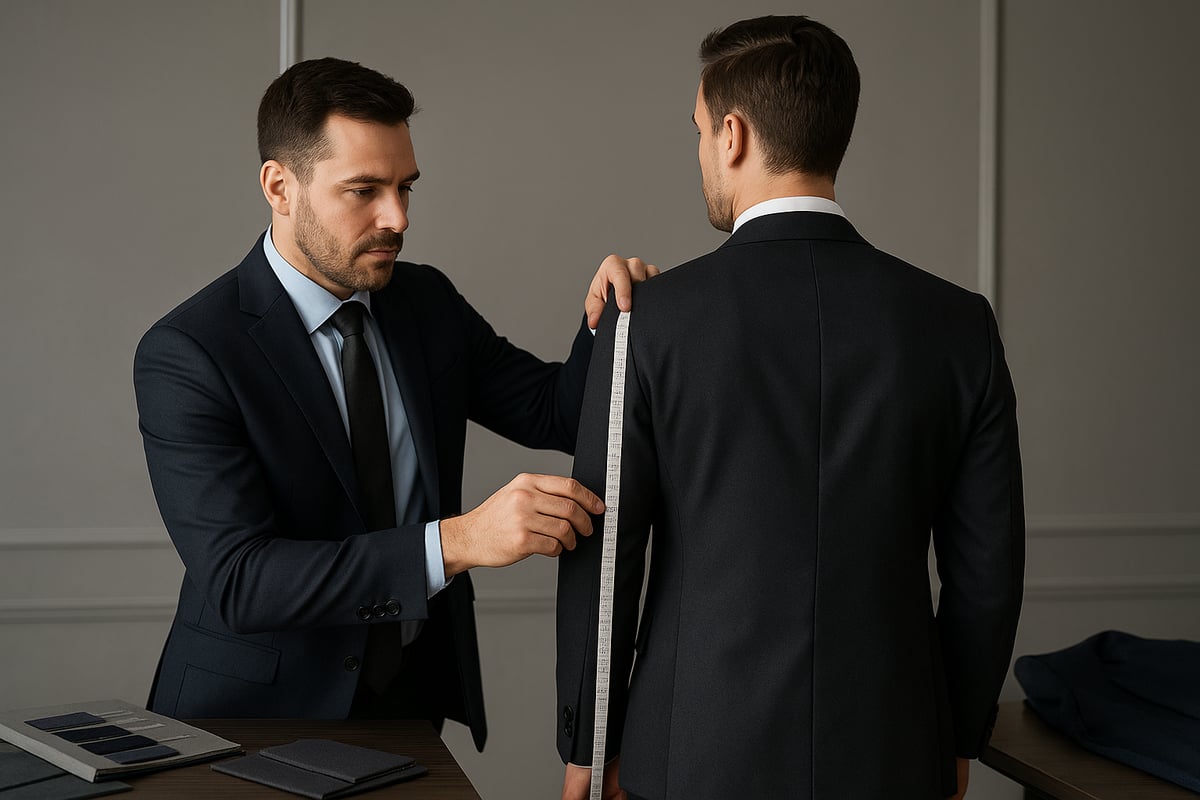
The foundation of any successful suit and tailor experience is clarity about your needs. Start by asking: What is the primary purpose of your suit? Is it for business, a wedding, a formal event, or smart-casual wear? Each occasion calls for a different approach.
For business, opt for classic colors and subtle patterns. Weddings may invite more creativity, from tuxedos to three-piece suits. If versatility is your goal, a well-chosen navy or charcoal suit can transition seamlessly from work to evening events.
Consider your body type, climate, and daily routine. A breathable linen suit works for summer, while wool suits excel in cooler months. Always think about how the new piece will integrate with your current wardrobe, maximizing value from your suit and tailor investment.
- Business meetings: classic wool, neutral shades
- Weddings: tuxedo, three-piece, or bold color accents
- Casual events: cotton or linen, relaxed cuts
Remember, versatility and integration are key to getting the most from your suit and tailor partnership.
Step 2: Choosing the Right Suit Style and Cut
Your next step with a suit and tailor is selecting the style and cut that best matches your physique and taste. In 2026, popular options include single-breasted, double-breasted, three-piece suits, and tuxedos.
Slim fit offers a modern, tapered silhouette, while tailored fit provides structure with comfort. Classic fit remains timeless, offering a relaxed feel. Lapel styles—peak, notch, or shawl—should complement your frame. Consider single or double vents for movement and preferred button configurations for both function and style.
Trending silhouettes this year focus on comfort without sacrificing sharpness. Discuss these preferences openly with your suit and tailor to ensure the end result reflects your personality and flatters your shape.
- Single-breasted: versatile, suits most body types
- Double-breasted: bold, structured, best for taller frames
- Three-piece: formal, adds layering options
A knowledgeable suit and tailor will guide you through these choices, ensuring your selection aligns with your lifestyle and image.
Step 3: Selecting Fabrics and Colors
Selecting the right fabric is crucial for comfort and style. Your suit and tailor should offer a range of materials, from wool and linen to cotton blends and innovative performance fabrics. Wool is a perennial favorite for its balance of breathability and structure, while linen and cotton are ideal for warmer climates.
Consider the season: lightweight fabrics for summer, heavier weaves for winter. In 2026, trending colors include navy, grey, and emerging shades like forest green. Patterns such as checks and pinstripes are also making a comeback, adding visual interest.
| Stoff | Saison | Features |
|---|---|---|
| Wolle | Ganzjährig | Breathable, versatile |
| Leinen | Sommer | Lightweight, casual |
| Baumwolle | Frühling | Soft, comfortable |
| Mischungen | Ganzjährig | Stretch, durability |
Your suit and tailor will help you select colors that express your personality and suit your needs. Fabric and color influence not just formality, but also the versatility of your wardrobe. With the right choices, your suit and tailor can help you bridge the gap between tradition and trend.
Step 4: Understanding Suit Construction and Details
The final step is understanding construction and details—a hallmark of any reputable suit and tailor. Canvas construction, as opposed to fused, offers superior fit, breathability, and longevity. Lining options, whether full, half, or unlined, affect comfort and drape.
Pay attention to craftsmanship: pick stitching, functional buttonholes, and pocket styles set premium suits apart. Personalization is increasingly popular, from custom linings to monogrammed initials. These details reflect your individuality and elevate your suit and tailor experience.
For a more comprehensive breakdown of the process and to see how modern trends influence each choice, explore this step-by-step guide to finding your perfect suit.
Ultimately, a knowledgeable suit and tailor will ensure every detail, from construction to finishing touches, aligns with your vision and delivers a flawless fit.
The Tailoring Process: What to Expect from Consultation to Final Fitting
The journey to your ideal suit and tailor experience is both an art and a science. Understanding each stage of the process helps set expectations and ensures you achieve a flawless fit. From your first meeting with the tailor to the final delivery, each step is designed to refine and personalize your suit and tailor it to your unique needs.
Initial Consultation and Measurements
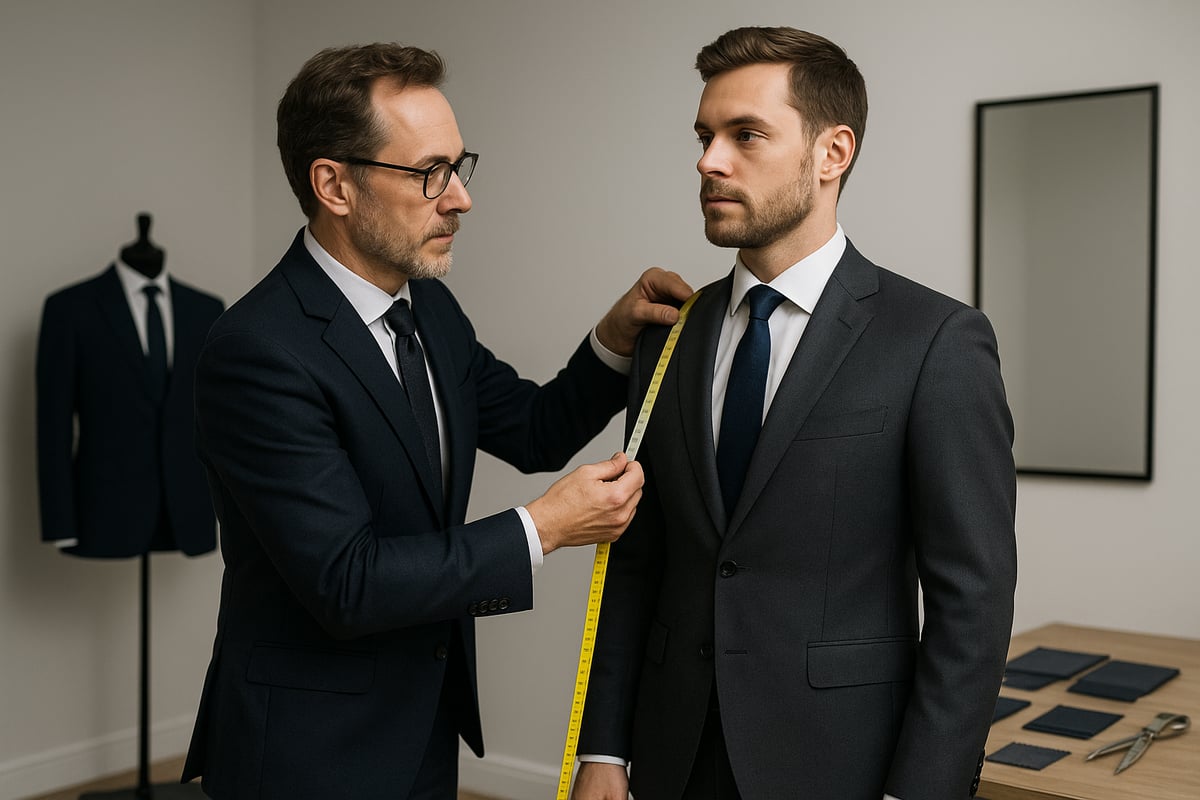
Your suit and tailor journey always begins with a thorough consultation. During this initial meeting, your tailor will ask about your preferences, the occasion, and your style goals. Expect questions about fabric choices, fit preferences, and any special requirements you might have. Clear communication at this stage is crucial for achieving your desired result.
The tailor will take a comprehensive set of measurements. This includes not only your chest, waist, and hips, but also your shoulders, arms, and inseam. A professional suit and tailor expert will also assess your posture and natural stance to ensure the suit complements your body shape and movement.
Some tailors may use digital tools or 3D scanning for even greater precision. Be prepared to discuss how you like your suit to fit and move. Honest feedback about comfort zones or previous fit issues will help the tailor make informed decisions. This foundational step ensures your suit and tailor collaboration starts strong.
Fittings: The Road to Perfection
After your measurements are taken, the next phase of the suit and tailor process involves a series of fittings. For bespoke or made-to-measure suits, two to three fittings are typical. Each fitting allows the tailor to refine the garment, making necessary adjustments to the jacket, trousers, sleeves, and overall silhouette.
During the first fitting, you may try on a basted version of your suit. This allows the suit and tailor team to evaluate shoulder alignment, waist suppression, and sleeve length before finalizing the construction. Common adjustments include tapering the waist, shortening sleeves, or refining the trouser break to suit your preferences.
Modern tailoring often incorporates new technologies for accuracy and efficiency. Many clients appreciate the convenience and transparency of a step-by-step tailoring process, which outlines each stage from fitting to final delivery. On average, the turnaround time for a custom suit and tailor project in 2026 ranges from three to six weeks, depending on complexity and fabric availability.
Final Touches and Quality Assurance
With adjustments complete, your suit and tailor will perform a final fitting to ensure every detail is perfect. This stage includes last-minute tweaks to the fit, careful inspection of seams, buttons, and linings, and a thorough check of overall craftsmanship. A well-finished suit should feel comfortable, move naturally, and present a clean, sharp silhouette.
Before accepting your suit, check how it feels across the shoulders, chest, and waist. Inspect the stitching, buttonholes, and lining for quality. If you notice anything that feels off, do not hesitate to communicate your feedback to your suit and tailor. Open dialogue ensures the finished product matches your expectations and delivers the confidence that comes with a perfect fit.
A successful suit and tailor experience is built on collaboration, attention to detail, and a commitment to quality.
Fit Essentials: How to Recognize and Achieve the Ideal Suit Fit
Achieving the perfect suit and tailor result starts with understanding the fundamentals of fit. The right fit transforms not only your silhouette but also your confidence and comfort. Let’s break down the essentials so you can spot and achieve the ideal fit every time you invest in a suit and tailor experience.
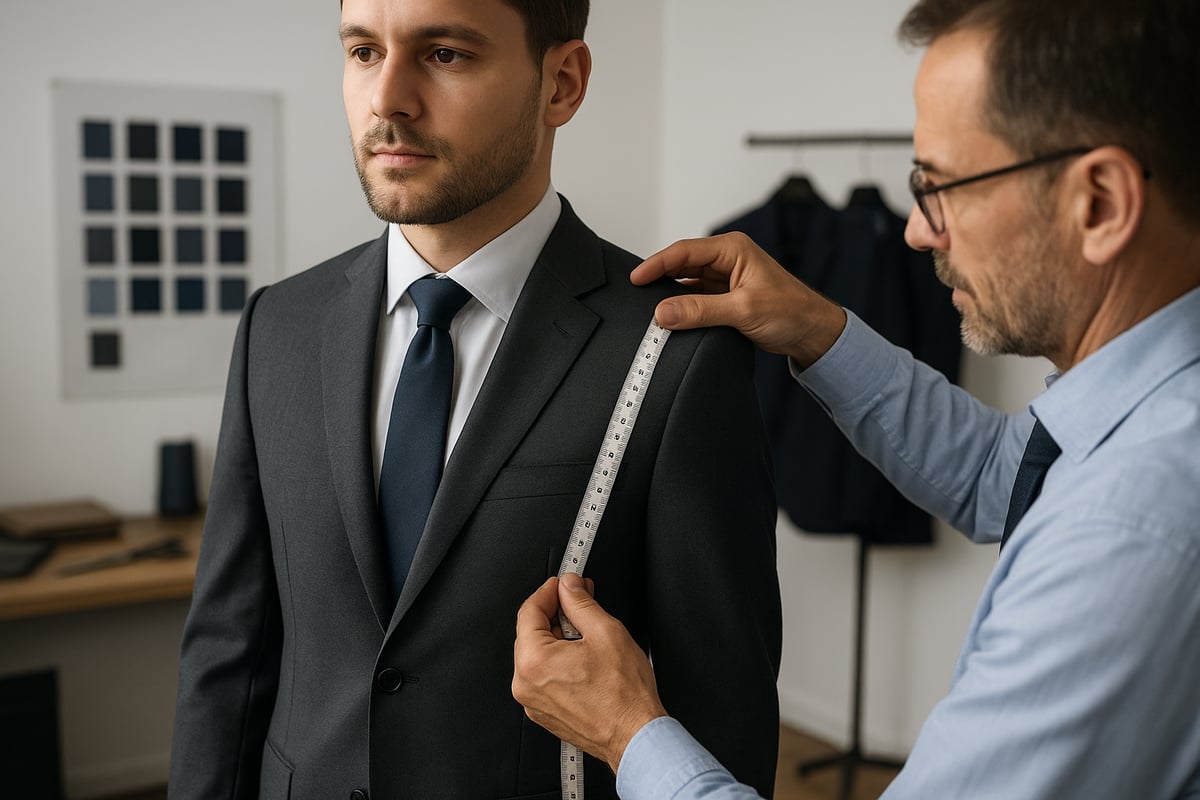
The Jacket: Shoulders, Chest, and Waist
The jacket is the centerpiece of any suit and tailor journey. The shoulder seam should sit naturally at the edge of your shoulder, with no overhang or tightness. This area is difficult to alter, making it crucial to get right from the start.
A well-fitted chest allows you to button the jacket comfortably without pulling or gaping. The waist should contour gently, providing shape without restricting movement. Look for a smooth drape with slight suppression at the waist for a modern, tailored look.
Table: Signs of Proper vs. Poor Jacket Fit
| Area | Proper Fit | Poor Fit |
|---|---|---|
| Schultern | Seam aligns with shoulder edge | Overhang or divots |
| Chest | Smooth, slight contour, no pulling | Gaping or tightness |
| Taille | Gentle suppression, easy movement | Boxy or overly cinched |
A suit and tailor approach ensures these critical points are addressed for a flawless silhouette.
The Trousers: Waist, Seat, and Length
Trousers should sit comfortably at your natural waist, not dropping too low or feeling restrictive. The seat must allow for movement, offering a clean line without sagging or pulling.
Length is a matter of personal style, but the most popular options are no break, slight break, or full break. Each provides a distinct look:
- No break: Clean, modern, shows the shoe.
- Slight break: Subtle touch on the shoe.
- Full break: Traditional, more fabric at the ankle.
The suit and tailor process will help you determine which hem style complements your build and occasion best. Proper fit here ensures comfort and a sharp, elegant appearance.
Sleeves, Cuffs, and Collars
Sleeve length is critical in any suit and tailor fitting. Aim for the jacket sleeve to end just above the wrist bone, revealing about a quarter inch of shirt cuff. This subtle detail signals attention to craftsmanship.
The collar should rest gently against the shirt, with no gaps at the neck or bunching below the collar. Mobility is essential—raise your arms, reach forward, and twist gently to ensure the jacket moves with you.
A well-executed suit and tailor fit allows for natural movement, ensuring you look composed and feel at ease in any situation.
Common Fit Issues and Quick Fixes
Even with the best off-the-rack options, common fit issues may arise. Baggy jackets, tight trousers, or sleeves that are too long can detract from your overall appearance. Here’s how to address them:
- Baggy areas: Tailor in the sides or take up the seat.
- Tight spots: Let out seams for extra room.
- Sleeve and trouser length: Adjust hems for the right break and cuff exposure.
Frequent alterations include shortening sleeves, tapering trousers, or adjusting waistbands. Costs vary, but investing in these changes elevates your entire wardrobe. For expert guidance and premium results, consider working with Premium-Maßanzugschneider who specialize in achieving the perfect fit.
Before visiting your tailor, perform a self-assessment: check the mirror from all angles, move naturally, and note any areas of discomfort. This proactive approach ensures your suit and tailor experience delivers exceptional results.
Emerging Tailoring Trends and Innovations for 2026
As we look to 2026, the suit and tailor industry is undergoing a remarkable transformation. Driven by changing consumer values and technological breakthroughs, the latest trends are reshaping how individuals approach style, fit, and personal expression. Staying ahead of these shifts is essential for anyone seeking a truly modern suit and tailor experience.
Nachhaltige und ethische Schneiderei
Sustainability is now a cornerstone in the suit and tailor landscape. Eco-friendly fabrics like organic cotton, bamboo blends, and recycled wool are becoming mainstream, appealing to clients who value both style and responsibility. Leading brands are prioritizing responsible sourcing, reduced water usage, and transparent supply chains.
Recent data reveals a sharp increase in demand for sustainable suits, as consumers seek options that align with their values. The 2026 Men’s Custom Suit Trends from LaMilago Bespoke Tailors highlight the surge in popularity of relaxed silhouettes crafted from earth-friendly materials. This shift reflects a broader movement toward mindful consumption within the suit and tailor sector.
Forward-thinking labels are also embracing closed-loop systems and zero-waste cutting techniques. As a result, customers now have more access to garments that are as ethical as they are elegant. Choosing a sustainable suit and tailor not only elevates your wardrobe but also supports a healthier planet.
Technology in Tailoring: 3D Scanning and Virtual Fittings
Technology is revolutionizing the suit and tailor experience. 3D body scanning and virtual fittings are now standard offerings in many tailoring studios, providing unprecedented accuracy and convenience. These innovations allow clients to receive custom-fit garments remotely, eliminating geographical barriers and streamlining the process.
AI and machine learning play a significant role in analyzing body data and predicting fit preferences. Through digital measurement platforms, tailors can create a precise pattern for each client, reducing the need for multiple fittings. This efficiency benefits both the customer and the suit and tailor professional.
For those interested in the latest digital advancements, resources like Tailoring trends and innovations offer deeper insights into how these technologies are shaping bespoke fashion. As adoption grows, expect virtual consultations and AI-powered recommendations to become even more integral to the modern tailoring journey.
Personalization and Expressive Details
Individuality is at the heart of 2026's suit and tailor trends. Clients are moving beyond standard options, seeking unique touches that reflect their personality and story. Monograms, custom linings, and statement buttons are now highly sought-after features.
Bold patterns, color-blocking, and unconventional fabrics allow for greater self-expression. Designers are catering to this demand by offering expanded customization menus, making it easier than ever to create a one-of-a-kind suit and tailor ensemble.
This focus on personalization goes hand in hand with the rise of social media, where distinctive details help clients stand out and build a personal brand. As these trends continue, the suit and tailor market will remain a canvas for creativity and confidence.
Expert Tips for Maintaining and Elevating Your Suit Wardrobe
A well-maintained suit and tailor wardrobe is the backbone of modern style. Proper upkeep ensures your investments remain sharp, comfortable, and versatile for years. By mastering care routines, smart accessorizing, and timely updates, you safeguard both the longevity and impact of your signature looks.
Suit Care and Storage Best Practices
Consistent care is essential for any suit and tailor enthusiast. Always brush your suit gently after each wear to remove dust and prevent fabric buildup. Invest in broad-shouldered wooden hangers to maintain the jacket's shape and avoid creases. Use breathable garment bags for storage, protecting your suit and tailor pieces from moths and humidity.
Rotate your suits throughout the week. This allows the fabric to recover and helps extend garment life. Dry clean only when necessary, as frequent cleaning can degrade fibers. Instead, spot clean minor stains and air out your suit and tailor attire after each use.
Proper care keeps your suit and tailor wardrobe looking pristine. With these habits, you ensure every piece remains ready for any occasion.
Accessorizing for Impact
Elevating your suit and tailor look involves thoughtful accessory choices. Select ties and pocket squares that complement, not overwhelm, your suit and tailor ensemble. In 2026, textured fabrics, subtle patterns, and rich color accents are trending for accessories. Shoes should match the suit's formality and color palette, while belts and cufflinks add refined detail.
Consider experimenting with modern trends such as layered jewelry or statement socks, but always keep balance in mind. For a deeper dive into accessory trends and expert advice, explore the Menswear Trends 2026: What’s In & What’s Out Leitfaden.
The right accessories can transform your suit and tailor presentation, making a memorable impression wherever you go.
When and How to Update Your Suit Collection
Knowing when to refresh your suit and tailor collection is vital for maintaining contemporary style. Signs you need an update include visible wear, outdated cuts, or a shift in your professional needs. Assess your wardrobe twice a year, focusing on fit, fabric condition, and versatility.
Prioritize quality over quantity. Invest in timeless colors like navy, grey, or charcoal, but do not shy away from adding one or two pieces in trending patterns or hues. Consider your lifestyle, climate, and the events you attend when selecting new suit and tailor options.
Regularly updating your collection ensures your wardrobe stays relevant and ready for any occasion.
Consulting with Professional Tailors for Long-Term Success
Building a relationship with a trusted suit and tailor expert is key to wardrobe longevity. Schedule periodic consultations to review fit, comfort, and style alignment. Professional tailors can advise on subtle alterations that refine your look as your body or preferences change.
Ongoing communication ensures your suit and tailor pieces always represent your best self. Tailors can also help integrate new trends or personalize details, keeping your wardrobe fresh and unique.
Rely on expert guidance to maintain a flawless, confidence-boosting suit and tailor collection.
As you’ve discovered throughout this guide, the perfect suit isn’t just about style—it’s about expressing your individuality, enjoying all day comfort, and stepping out with confidence in every setting, whether it’s a business meeting or a special occasion. At Alex’s Fashion, we take pride in translating decades of tailoring expertise into garments that are uniquely yours, crafted for your needs and lifestyle. If you’re ready to experience the difference a truly custom fit can make, let’s start your journey together—Kontaktieren Sie uns heute for personalized advice and expert tailoring.