
 EN
EN  FR
FR  DE
DE  TH
TH 
In 2026, custom designer suits stand as the ultimate symbol of personal style and professional distinction. The perfect fit, combined with tailored details, transforms how you look and feel from the very first moment you put one on.
This insider's guide reveals every essential step, from choosing luxurious fabrics to navigating the final fitting. You will gain the knowledge and confidence to commission a bespoke suit that reflects your lifestyle, body, and unique taste.
Curious about how designer suits have evolved? Want to master the customization process or discover the latest style trends? We break down expert tailoring tips and proven care strategies to protect your investment.
Let the allure of a flawless fit capture your attention, build your interest in the art of bespoke tailoring, and inspire you to create a suit that truly belongs to you.
The Evolution of Custom Designer Suits
The journey of custom designer suits is a story of innovation, heritage, and the pursuit of personal expression. Today’s bespoke creations are shaped by centuries of craftsmanship, global influences, and modern technologies, making them the gold standard for individuality and sophistication.
The History of Bespoke Tailoring
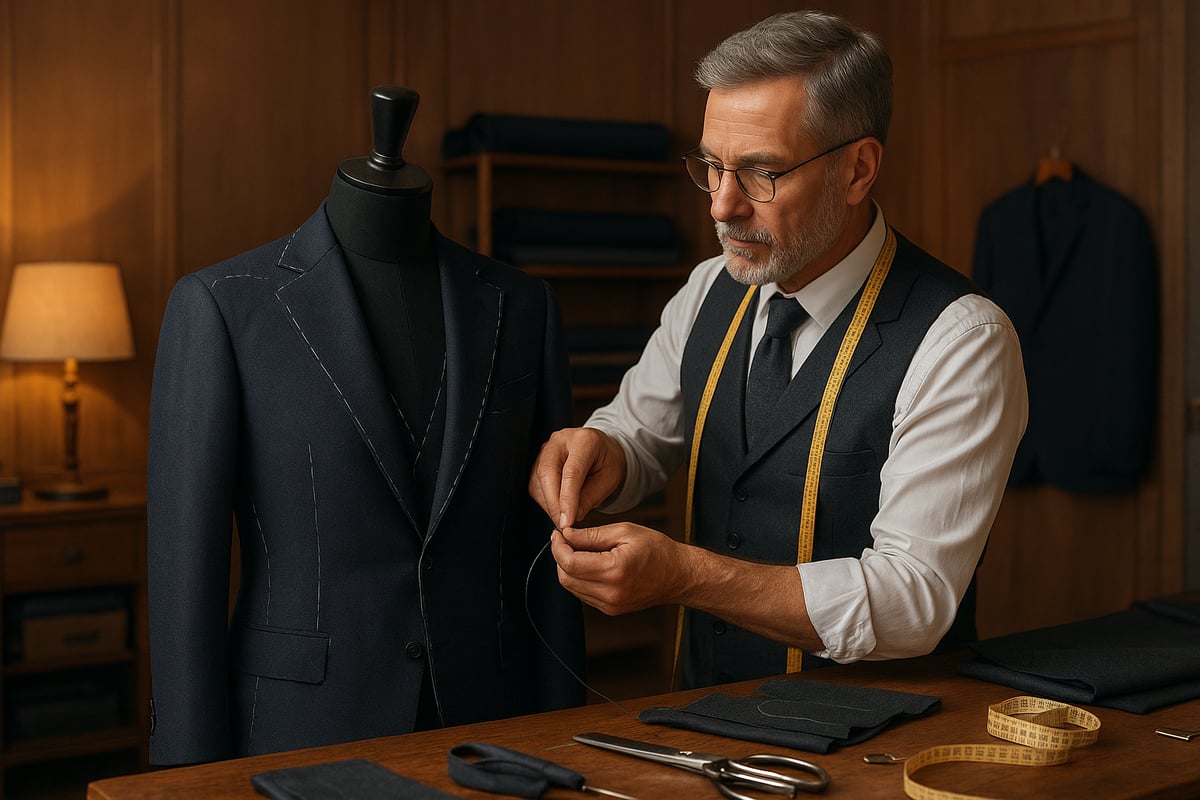
Bespoke tailoring began in the legendary workshops of Savile Row and other global fashion capitals, where artisans crafted garments for the elite. Early custom designer suits drew inspiration from military uniforms and aristocratic dress, emphasizing structure and authority. The transition from ornate frock coats to the tailored suit marked a revolution in menswear. This tradition of meticulous craftsmanship still shapes the ethos of custom designer suits today. As demand for personalized style grows, the bespoke suit market has seen a 7% year-over-year increase (Statista, 2024). For more on this rich heritage, explore Savile Row tailoring heritage.
Modern Innovations in Suit Design
Modern custom designer suits are defined by innovation. Tailors now use 3D body scanning and AI-assisted pattern making to achieve unparalleled fit and precision. Sustainability is also at the forefront, with eco-friendly materials like recycled wool and bamboo blends becoming popular choices. In fact, 35% of clients now request sustainable fabrics, reflecting a shift in values. These advancements not only improve comfort and durability but also align with the evolving priorities of today’s suit wearers. Technology and responsible sourcing are transforming the very fabric of custom designer suits.
Global Influence on Suit Styles
Custom designer suits are enriched by global perspectives. Italian, British, and Asian tailoring traditions each bring unique elements to the table. The Neapolitan soft-shoulder offers relaxed elegance, while British structure exudes timeless authority. International destinations like Thailand and Hong Kong have become hotspots for world-class tailoring, catering to clients seeking both quality and adventure. As global travel becomes more accessible, demand for diverse tailoring experiences continues to rise. This cross-cultural exchange has made custom designer suits more versatile and dynamic than ever before.
The Rise of Personalization in 2026
By 2026, personalization defines the world of custom designer suits. Consumers increasingly seek garments that reflect their individuality, opting for unique details such as monogramming, custom linings, and distinctive button choices. The shift from off-the-rack to fully tailored pieces signals a desire for exclusivity and self-expression. Personalization is now seen as a marker of both status and taste. As clients invest in signature touches, custom designer suits become more than clothing—they are a reflection of identity and lifestyle.
The Step-by-Step Process of Creating a Custom Designer Suit
Commissioning custom designer suits is a journey that blends artistry, precision, and personal expression. Understanding each stage ensures your suit reflects your individuality and meets your highest expectations. Let’s walk through the essential steps that transform an idea into a masterpiece tailored just for you.

Step 1: Initial Consultation and Style Discovery
Every journey with custom designer suits begins with an in-depth conversation. During the initial consultation, your tailor seeks to understand your lifestyle, daily routine, and the occasions for which the suit is intended. Are you seeking a boardroom-ready business suit or a striking ensemble for a special event?
Clients are encouraged to share style inspirations, favorite colors, and even reference images of admired looks or icons. This stage is about defining your vision and translating it into practical design choices. Open communication is crucial, as it lays the foundation for a suit that matches your aspirations and comfort. The more you share, the more tailored the outcome.
Step 2: Fabric and Material Selection
Selecting the right materials is a cornerstone of custom designer suits. Premium options like superfine wool, breathable linen, and performance blends cater to different climates and events. Quality, texture, and drape are considered alongside durability and seasonality.
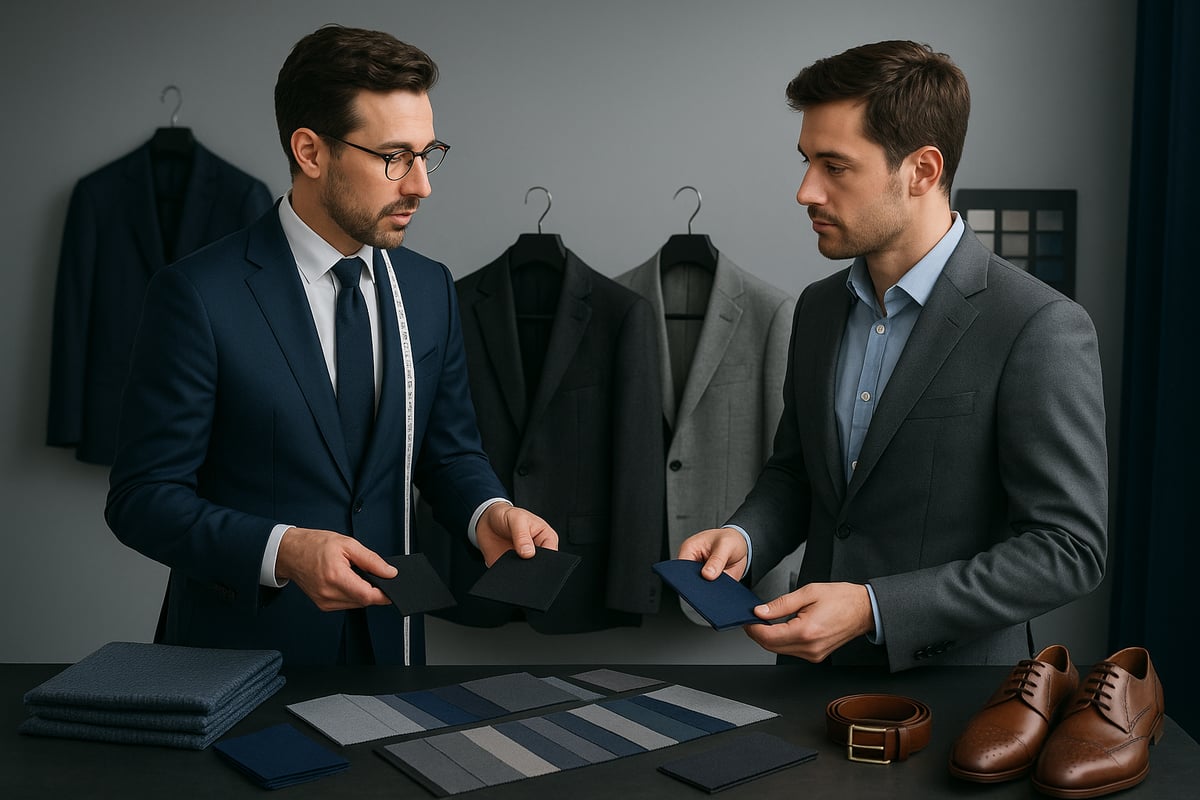
For instance, 60 percent of clients opt for superfine wool due to its year-round versatility and luxurious feel. Silk blends are often chosen for formal occasions, delivering a touch of sheen and fluid movement. This stage involves hands-on exploration of fabric swatches, enabling you to feel and compare materials firsthand. Your choices here shape the suit’s comfort, longevity, and appearance.
Step 3: Measurements and Pattern Creation
Precision is paramount in crafting custom designer suits. The measurement process involves over 30 unique data points, capturing everything from shoulder slope to wrist circumference. Modern ateliers may employ digital tools, while traditionalists rely on expertly trained eyes and measuring tapes.
Advancements like 3D body scanning can improve fit accuracy by up to 20 percent, ensuring a flawless silhouette. Your tailor develops a unique pattern based on these measurements, laying the groundwork for a suit that fits you perfectly. For more insight into this meticulous process, explore the custom fitted clothes process and discover how technology enhances bespoke tailoring.
Step 4: Customization of Design Elements
Designing custom designer suits means making choices that reflect your personality and preferences. Lapel styles, pocket types, vent options, and cuff details all contribute to the final look. You might select a peak lapel for formal flair or a notch lapel for understated elegance.
Personal touches, such as monogrammed initials, vibrant lining prints, or contrast stitching, further distinguish your suit. Even small choices, like horn buttons or unique thread colors, make a statement. This step is where creativity shines, transforming a classic template into a one-of-a-kind garment.
Step 5: Fittings and Adjustments
Multiple fittings are standard practice for custom designer suits. The first fitting, often called the baste fitting, allows you and your tailor to assess the suit’s structure. Subsequent sessions refine the fit, addressing sleeve length, waist suppression, and trouser break.
Statistics show that 85 percent of bespoke clients require at least two fittings for optimal results. These adjustments ensure your suit not only looks sharp but also feels comfortable in every position. Each fitting brings the garment closer to perfection, making alterations based on your feedback and movement.
Step 6: Final Delivery and Quality Assurance
Before your custom designer suits are delivered, they undergo a comprehensive quality check. Tailors meticulously inspect every seam, buttonhole, and lining for craftsmanship and symmetry. The goal is to identify any imperfections before the final handover.
A thorough quality assurance process prevents future alterations and guarantees a flawless product. The checklist covers fit, comfort, and finish, ensuring the suit meets both your standards and the tailor’s reputation for excellence. Final delivery is a moment of pride, marking the culmination of collaborative creation.
Tips for a Successful Bespoke Experience
To get the most from your custom designer suits journey, preparation is key. Wear well-fitting clothing to appointments and bring reference garments or images. Be clear about your expectations, preferences, and any previous tailoring experiences.
Building a long-term relationship with your tailor can yield ongoing benefits, as they learn your evolving style and fit preferences. Open feedback, trust, and communication are essential for a seamless experience. Approach each step as a partnership, and you’ll enjoy a suit that truly embodies your vision.
Essential Style Choices for Your Custom Suit
Creating custom designer suits is an art that blends tradition with personal flair. The choices you make at every stage define not just your appearance but also your confidence and comfort. From selecting the ideal silhouette to adding the perfect finishing touches, every decision can elevate your custom designer suits to a new level of sophistication.
Selecting the Right Suit Cut and Silhouette
The foundation of custom designer suits is the silhouette. Whether you prefer a classic, slim, or modern fit, the cut should enhance your body type and reflect your lifestyle. Classic cuts offer timeless appeal and comfort, while slim fits provide a contemporary, tailored look. Modern fits strike a balance between tradition and style.
Double-breasted suits add structure for broader builds, while single-breasted options are versatile for most frames. For a deeper dive into fit options, explore this suit cut and silhouette guide. Selecting the right silhouette ensures your custom designer suits complement you perfectly.
Choosing Lapels, Vents, and Pockets
Lapels, vents, and pockets are signature elements that set custom designer suits apart. Notch lapels are classic, ideal for business and daily wear. Peak lapels make a bold statement, often chosen for formal occasions. Shawl lapels add elegance, especially for evening events.
Vents determine movement and style. Single vents offer tradition, double vents enhance mobility, and ventless designs create a sleek look. Pocket styles range from practical flap pockets to refined jetted or casual patch pockets. Each choice personalizes your custom designer suits and reflects your unique taste.
Color, Pattern, and Fabric Combinations
Color and pattern selection gives custom designer suits their personality. Navy, charcoal, and black remain classics, while 2026 trends introduce rich emerald, burgundy, and subtle pastels. Patterns like pinstripe, windowpane, and checks offer varying levels of formality and flair.
Mixing fabrics and linings creates distinction. For business, subtle plaid offers professionalism, while bold checks make a statement at special events. Consider how your choices will interact with your wardrobe. Thoughtful combinations ensure your custom designer suits stand out for every occasion.
Detailing: Buttons, Stitching, and Personalization
Details define custom designer suits. Button materials range from classic horn to mother of pearl and metal, each adding a different character. Stitching styles, such as pick stitching or hand-finished seams, showcase craftsmanship.
Personalization options abound, including embroidered initials, contrast thread, and custom linings with meaningful motifs. These touches transform custom designer suits into one-of-a-kind garments that tell your story. Attention to detail ensures your suit feels as unique as you are.
Accessories to Complement Your Suit
Accessories complete the look of custom designer suits. Essential pieces include ties, pocket squares, cufflinks, and quality shoes. Coordinating colors and materials bring harmony, while texture and pattern add depth.
For formal occasions, silk ties and pocket squares elevate your appearance. Leather belts and shoes should match in tone. Thoughtful accessory choices not only enhance your custom designer suits but also express your personal style with confidence and finesse.
Trends and Innovations in Custom Designer Suits (2026)
Fashion is evolving faster than ever, and custom designer suits are at the forefront of this transformation. In 2026, new trends are reshaping the world of tailoring, offering clients more options, better fit, and a focus on individuality.
Sustainable and Eco-Friendly Tailoring
Sustainability is now a core value for many seeking custom designer suits. Luxury tailors are prioritizing organic, recycled, and cruelty-free fabrics to meet growing demand. Clients want garments that look sharp and reflect their values.
For example, suits crafted from recycled ocean plastic or bamboo blends are becoming popular choices. Tailors are also embracing zero-waste cutting techniques, reducing fabric scraps and environmental impact. According to WWD, 40% of luxury suit buyers now prioritize eco-friendly options. Curious about these materials? Explore more about sustainable fabrics in modern suits.
Smart and Functional Suit Features
Technology is making its mark on custom designer suits in 2026. Clients now expect more than just style—they want function. Modern suits can include RFID tags for security, anti-crease and water-repellent treatments for durability, and hidden pockets for gadgets.
Some bespoke tailors even offer wireless charging pockets for smartphones, blending traditional craftsmanship with cutting-edge innovation. These smart features ensure custom designer suits meet the needs of professionals who are always on the move.
Bold Patterns, Colors, and Modern Silhouettes
Custom designer suits are embracing bold new aesthetics. Designers are introducing rich hues like emerald green, deep burgundy, and soft pastels, moving beyond classic navy and grey. Oversized and cropped silhouettes are now seen on runways, making strong style statements.
Patterns such as large windowpane checks, vibrant plaids, and contrasting linings add personality to each suit. These trends allow wearers to express their individuality and ensure their custom designer suits stand out in any setting.
The Influence of Celebrity and Pop Culture
Celebrities and pop culture are driving new trends in custom designer suits. High-profile collaborations between designers and famous personalities are common, resulting in unique, attention-grabbing creations.
Red-carpet events and music icons, such as K-pop stars and Hollywood actors, influence color choices, cuts, and details. Their impact is seen in increased demand for statement suits, as clients seek to capture the confidence and flair seen on global stages. This influence ensures custom designer suits remain at the cutting edge of fashion.
The Role of Expert Tailors in Achieving the Perfect Fit
A perfect fit is the hallmark of custom designer suits, and it all begins with the expertise of your tailor. Skilled tailors understand how every detail, from fabric tension to seam placement, affects both comfort and appearance. Their knowledge allows them to interpret your body shape and posture, ensuring a personalized silhouette.
Choosing between bespoke, made-to-measure, and off-the-rack options is essential. Bespoke suits involve crafting a unique pattern from scratch, while made-to-measure modifies existing templates. Off-the-rack suits, in contrast, offer no customization. The construction of custom designer suits often includes hand-stitched canvassing and meticulous finishing, setting them apart from mass-produced alternatives.
Why Tailoring Expertise Matters
Expert tailoring is the defining factor in achieving the flawless fit of custom designer suits. Unlike standard garments, these suits are crafted with precision techniques such as hand-padding lapels and full-canvas construction. These methods ensure both durability and comfort.
A skilled tailor knows when to use a floating canvas versus a fused jacket, impacting breathability and structure. This expertise is vital for creating suits that move naturally with your body. Custom designer suits require attention to even the smallest details, guaranteeing a finished piece that not only looks sharp but also feels like a second skin.
Communication and Collaboration with Your Tailor
Open communication is essential when commissioning custom designer suits. Collaboration starts by sharing your fit preferences, style inspirations, and lifestyle needs. Bring reference photos or a favorite garment to help your tailor understand your vision.
Effective dialogue ensures your expectations are met at each stage. Feedback during fittings allows for timely adjustments, resulting in a suit that perfectly matches your requirements. Establishing a rapport with your tailor also makes future commissions smoother, building trust and consistency for all your custom designer suits.
Alex’s Fashion: Bespoke Tailoring in Krabi, Thailand
For more than three decades, Alex’s Fashion has established itself as a leader in crafting custom designer suits for clients from around the world. Their services cater to men, women, and children, offering everything from suits to shirts and dresses.
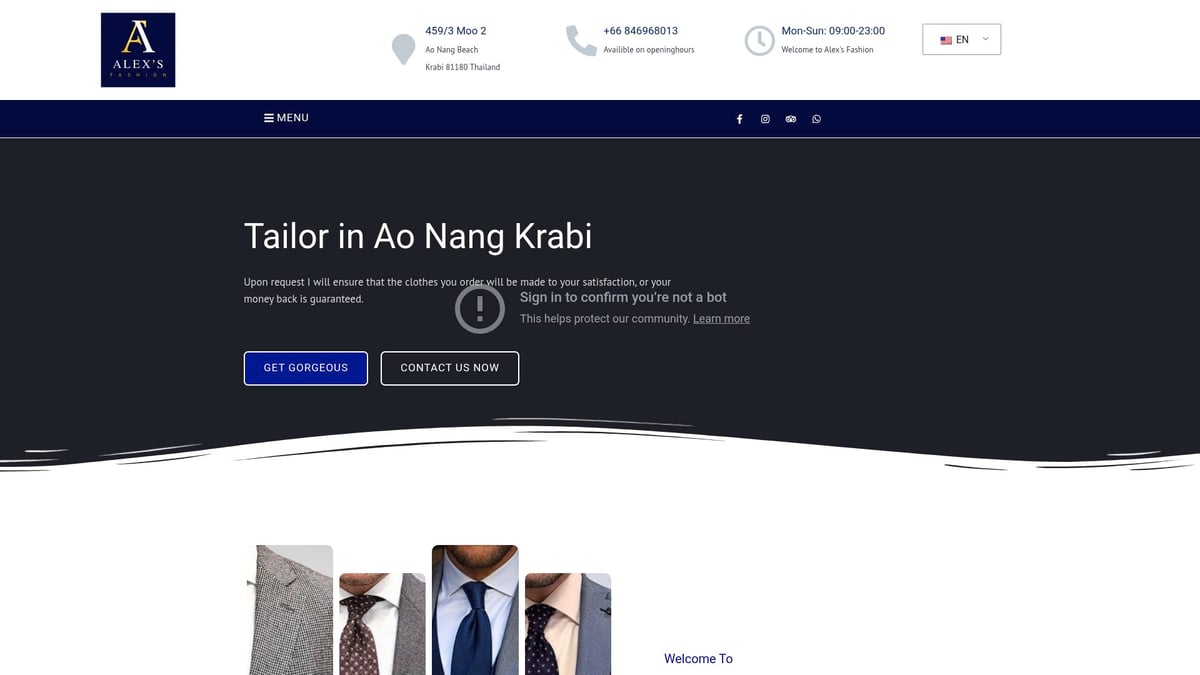
What sets Alex’s Fashion apart is their satisfaction guarantee and inclusive customization process. International clients flock to Ao Nang to experience their renowned craftsmanship. For a deeper look at their luxury tailoring services, visit Premium bespoke suit tailors to explore the artistry behind truly exceptional custom designer suits.
Case Studies: Transformations Through Tailoring
Real-life stories highlight the transformative power of custom designer suits. Clients often arrive with fit challenges or unique requests, only to leave with garments that boost their confidence and style.
Before-and-after experiences reveal how tailored adjustments resolve shoulder dips, sleeve lengths, and posture-related issues. According to Tailoring Insights (2025), 90 percent of bespoke clients report greater satisfaction compared to off-the-rack purchases. This demonstrates how custom designer suits can redefine both personal image and comfort.
Caring for and Maintaining Your Custom Designer Suit
Investing in custom designer suits is only the beginning. To keep your garment looking sharp and polished, careful maintenance is essential. Proper cleaning, storage, and care will ensure your suit remains a staple in your wardrobe for years, preserving both its style and value.
Cleaning and Storage Best Practices
Keeping custom designer suits fresh starts with the right cleaning routine. Avoid frequent dry cleaning, as harsh chemicals can degrade delicate fabrics. Instead, opt for spot cleaning minor stains and airing out your suit after each wear.
Store your custom designer suits on broad, contoured hangers to maintain shoulder shape. Always use a breathable garment bag to shield from dust while allowing airflow. Cedar hangers or blocks are excellent for deterring moths and absorbing moisture.
If you must press your suit, use a low heat setting and a pressing cloth. This preserves the fabric and prevents shiny marks. Careful storage and gentle cleaning will keep your suit crisp and elegant for every occasion.
Handling Repairs and Alterations
Even the finest custom designer suits may require occasional repairs. Common fixes include reinforcing seams, replacing lost buttons, or mending a torn lining. When your suit needs attention, always consult a skilled tailor who understands the construction of custom garments.
If your body shape changes, timely alterations can restore the perfect fit. Never attempt major adjustments at home, as improper work can damage high quality materials. For those considering new fits or upgrades, explore Men’s custom suit options to see the possibilities professional tailors offer.
Regular inspections will help you catch minor issues before they become major problems. Trusting repairs to an expert ensures your suit remains a flawless reflection of your personal style.
Traveling with Your Custom Suit
Traveling with custom designer suits demands extra care. Always use a dedicated suit carrier to minimize wrinkles and protect the fabric. When packing in a suitcase, try the rolling method for trousers and carefully fold the jacket inside out to shield the outer fabric.
Portable steamers are invaluable for quick touch ups on the road. Upon arrival, hang your suit immediately to let gravity relax any creases. For longer trips, bring a spare hanger and a small garment brush to keep your suit looking immaculate.
These travel practices help your custom designer suits maintain their shape and sophistication, no matter your destination.
Long-Term Preservation and Value Retention
Preserving custom designer suits for the long term involves more than just proper cleaning. Rotate your suits to avoid excessive wear and allow fabrics to rest between uses. During off seasons, store suits in a cool, dry place, using acid free garment bags for added protection.
A recent SuitCare Survey found that the lifespan of a suit increases by 30 percent with diligent care and storage. Investing in these habits ensures your suit retains its value, both in appearance and comfort.
By prioritizing routine maintenance, you safeguard the craftsmanship and enduring appeal of your custom designer suits, making them a lasting investment in your personal and professional image.
After exploring the art and evolution of custom designer suits, you now have the insider knowledge to create a look that truly reflects your personality and needs. Whether you’re seeking expert guidance on fabric selection, the perfect fit, or unique personal touches, having a trusted tailor makes all the difference. At Alex’s Fashion, our decades of experience and commitment to quality ensure you feel confident through every step—from your first consultation to the final fitting. If you’re ready to experience the transformation that comes with a bespoke suit, contact us today to start your journey.