
 EN
EN  FR
FR  DE
DE  TH
TH 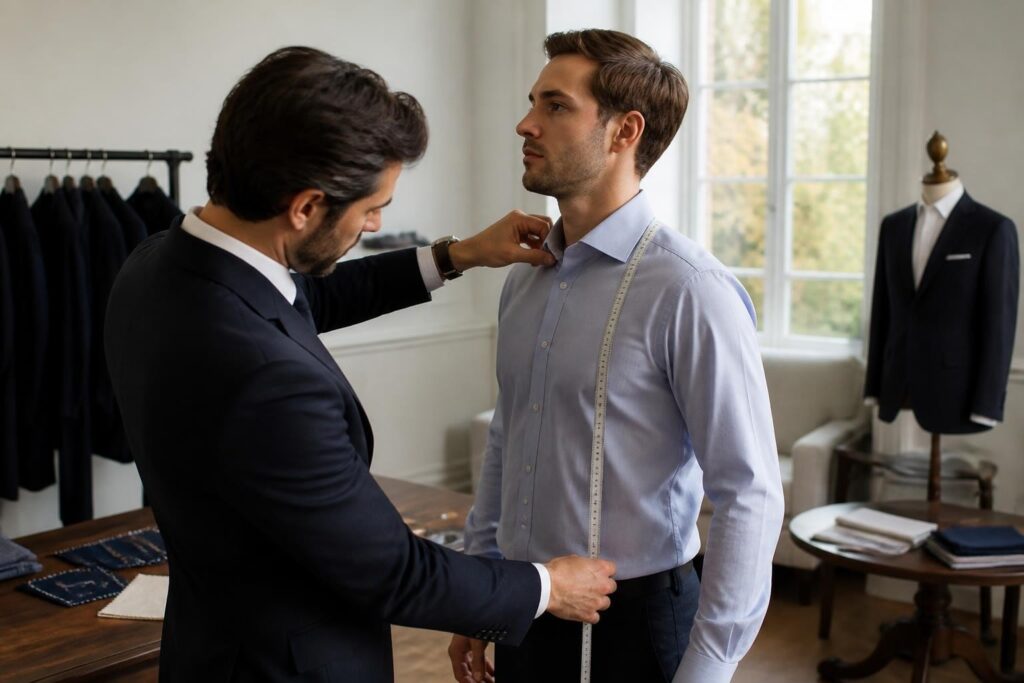
The modern gentleman understands that clothing is more than fabric and thread. It's a statement of personal style, attention to detail, and commitment to quality. While ready-to-wear options flood the market, discerning men increasingly turn to bespoke mens shirts as the foundation of their wardrobe. These custom-crafted garments offer an unparalleled combination of fit, fabric quality, and personalization that mass-produced alternatives simply cannot match. Whether you're building a professional wardrobe or seeking the perfect shirt for special occasions, understanding the world of bespoke tailoring opens doors to sartorial excellence that lasts for years.
Understanding Bespoke Tailoring and Its Distinguished Heritage
The term "bespoke" carries significant weight in the tailoring world. According to the principles of bespoke tailoring, true bespoke garments are individually cut and constructed from scratch based on each client's unique measurements and specifications. This tradition dates back centuries, when skilled craftsmen created each piece by hand for nobility and wealthy patrons.
Bespoke differs fundamentally from made-to-measure and ready-to-wear options:
- Bespoke garments start with a blank canvas, with patterns created specifically for your body
- Made-to-measure adjusts existing patterns to approximate your measurements
- Ready-to-wear uses standardized sizing with no customization
The bespoke process involves multiple fittings, typically ranging from two to four sessions. During these appointments, your tailor refines the garment's fit, addressing everything from shoulder slope to arm length. This iterative approach ensures the final product conforms perfectly to your physique.
Why Bespoke Mens Shirts Command Premium Pricing
The investment in bespoke mens shirts reflects the skilled labor, premium materials, and time-intensive process involved. A single shirt requires anywhere from 10 to 20 hours of expert craftsmanship, depending on complexity and detail level. Master tailors bring decades of experience to each garment, understanding how different body types require specific adjustments.
Quality fabrics form another crucial pricing component. Bespoke tailors source materials from renowned mills in Italy, Switzerland, and England, offering thread counts and fiber compositions unavailable in commercial products. These fabrics breathe better, wear longer, and maintain their appearance through countless wash cycles.
Fabric Selection: The Foundation of Exceptional Bespoke Mens Shirts
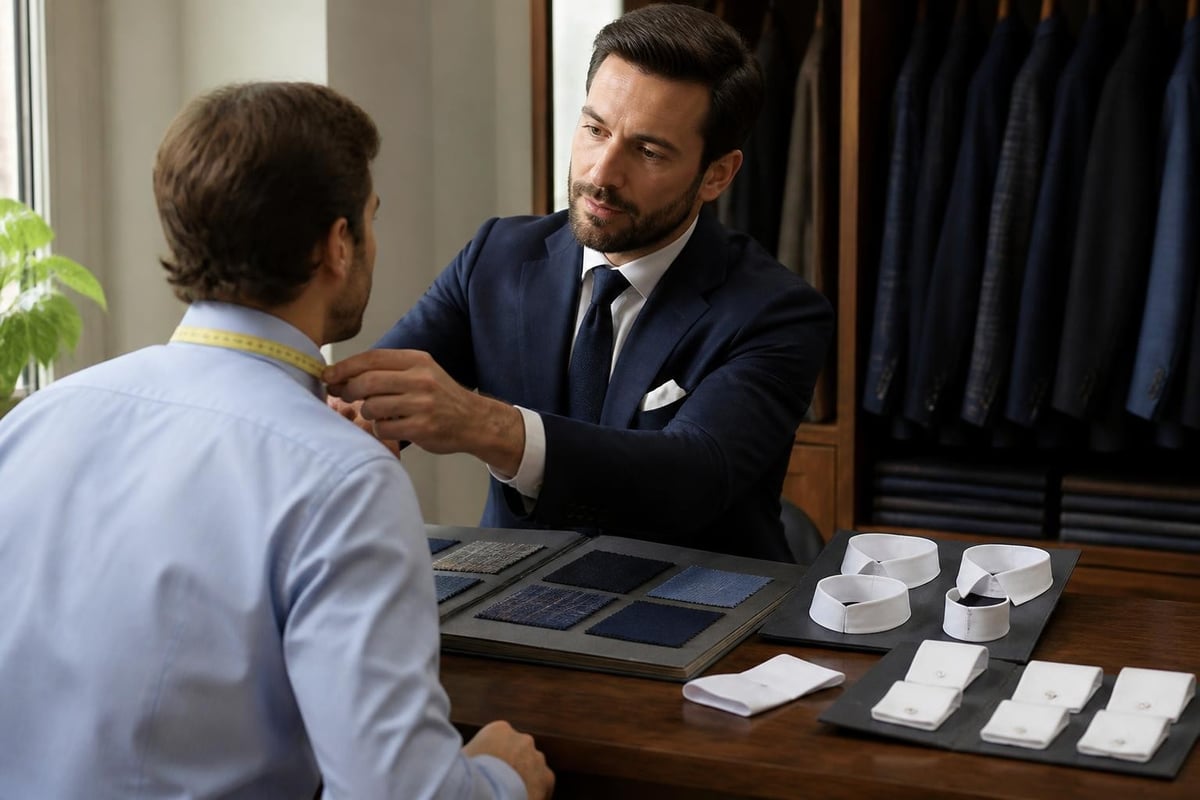
Choosing the right fabric represents one of the most critical decisions in creating bespoke mens shirts. The material determines not only appearance but also comfort, durability, and appropriate use cases. Professional tailors typically stock hundreds of fabric options, organized by weight, weave, and composition.
Cotton Varieties and Their Characteristics
Egyptian cotton remains the gold standard for dress shirts, prized for its long staple fibers that create smooth, lustrous fabric. The extra-long fibers reduce pilling and increase durability while providing exceptional softness. Sea Island cotton, even rarer than Egyptian varieties, offers unmatched luxury with its silky texture and natural sheen.
| Cotton Type | Thread Count Range | Best Use Cases | Durability Rating |
|---|---|---|---|
| Egyptian | 100-200 | Formal occasions, business wear | Excellent |
| Sea Island | 120-170 | Special events, luxury wardrobe | Very Good |
| Supima | 80-140 | Daily wear, versatile styling | Excellent |
| Pima | 80-120 | Casual to business casual | Good |
Understanding what to look for in fabric quality helps you make informed decisions during your consultation. Consider the climate where you'll wear the shirt, the formality level required, and your personal comfort preferences.
Weave Patterns and Their Impact
The weave pattern dramatically affects a shirt's appearance and performance. Broadcloth, with its tight plain weave, creates a smooth surface ideal for formal settings and precise pattern matching. Twill weaves offer more texture and wrinkle resistance, making them practical for travel and long workdays.
Popular weave options include:
- Oxford cloth for casual elegance and durability
- Pinpoint oxford for refined texture with formal capabilities
- Royal oxford for luxurious drape and sophisticated appearance
- Herringbone for visual interest and business-appropriate style
- End-on-end for subtle depth and versatility
Customization Options That Define Your Personal Style
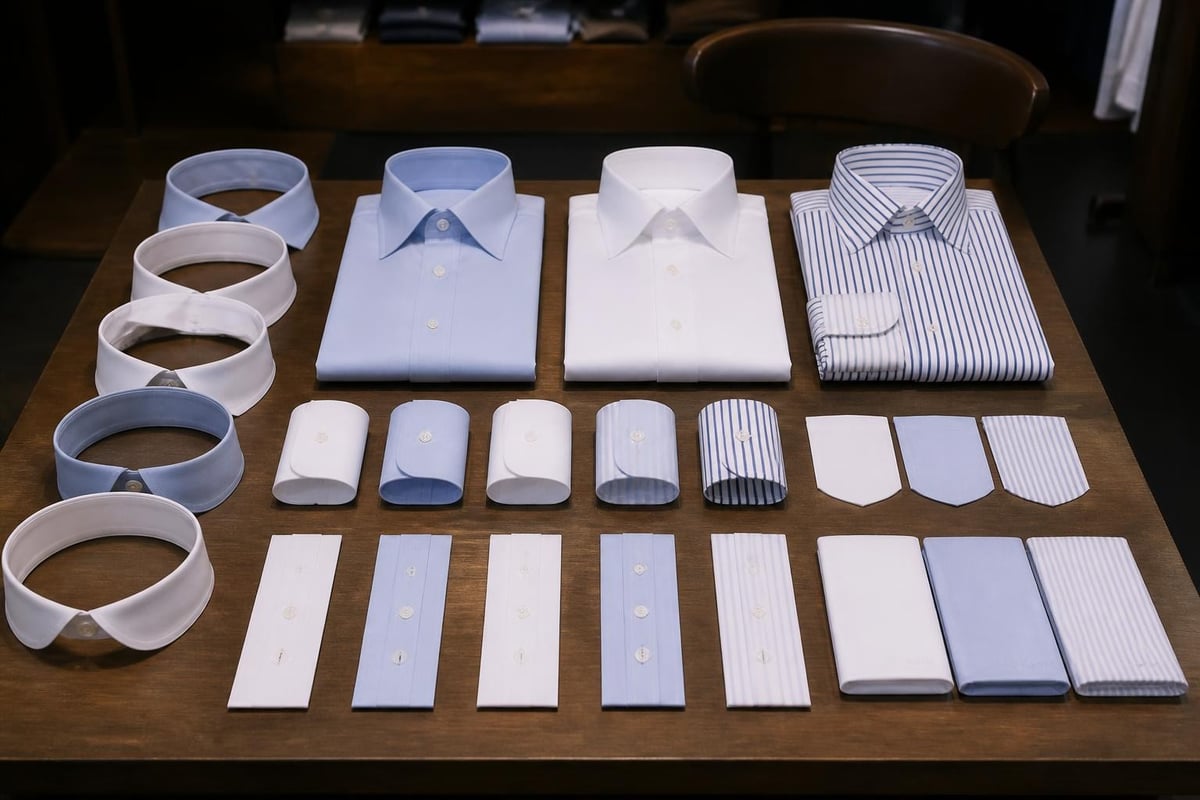
Bespoke mens shirts offer customization possibilities limited only by imagination and good taste. Every element, from collar to cuff, can be tailored to your preferences. This level of personalization allows you to create shirts that truly represent your individual style while maintaining appropriate formality levels.
Collar Styles and Their Occasions
The collar frames your face and determines how the shirt pairs with neckwear. Spread collars, with points angled outward, accommodate wider tie knots and suit modern aesthetics. Point collars feature traditional narrow spreads, creating classic proportions suitable for conservative business environments.
Cutaway collars make bold statements with their dramatic angles, perfect for fashionable looks and larger tie knots. Button-down collars add casual charm, originally designed for polo players but now embraced across business casual settings. For those seeking guidance on collar selection, understanding the customization process proves invaluable.
Cuff Configurations and Fastening Methods
Cuffs significantly impact a shirt's formality and functionality. Barrel cuffs with single or double buttons provide versatility for daily wear, easily adjusted for comfort throughout the day. French cuffs, also called double cuffs, fold back and fasten with cufflinks, creating formal elegance appropriate for black-tie events and important business meetings.
Cuff customization includes:
- Button number and placement for precise fit adjustment
- Convertible cuffs that accommodate both buttons and cufflinks
- Angle-cut cuffs for elegant wrist tapering
- Rounded versus squared corners for subtle style variations
The Measurement Process: Achieving Perfect Fit
Precision measurements distinguish truly bespoke mens shirts from lesser alternatives. An experienced tailor takes upward of 20 measurements, capturing not just basic dimensions but also posture nuances, asymmetries, and personal preferences. This comprehensive approach ensures the finished garment drapes naturally and moves comfortably with your body.
Critical Measurement Points
The measurement session typically begins with neck circumference, taken at the point where the collar will rest. This measurement must allow comfortable breathing and swallowing while preventing gap appearance. Shoulder width measurement extends from shoulder point to shoulder point, accounting for natural slope and any unevenness between sides.
- Chest measurement taken at the fullest part, determining overall shirt width
- Waist measurement for proper tapering and flattering silhouette
- Sleeve length from shoulder seam to desired cuff position
- Back length from collar base to shirt tail
- Bicep and forearm measurements for sleeve comfort during movement
Accounting for Posture and Asymmetry
Most people exhibit some degree of asymmetry, whether in shoulder height, arm length, or posture. Professional tailors identify these variations and adjust patterns accordingly. A rounded back requires additional fabric in the upper back panels, while square shoulders need different allowances than sloping ones.
| Body Type | Common Adjustments | Pattern Modifications |
|---|---|---|
| Athletic Build | Extra chest room, tapered waist | Darts, side seams |
| Slim Build | Narrower shoulders, minimal taper | Reduced ease |
| Heavy Build | Additional ease, comfort focus | Strategic draping |
| Tall Build | Extended body and sleeve length | Proportional scaling |
Construction Techniques That Ensure Longevity
The construction quality of bespoke mens shirts separates them from factory-produced alternatives. Master tailors employ techniques that enhance durability, maintain shape, and provide superior comfort. These methods require more time and skill but deliver garments that last decades with proper care.
Hand-Stitching Versus Machine Work
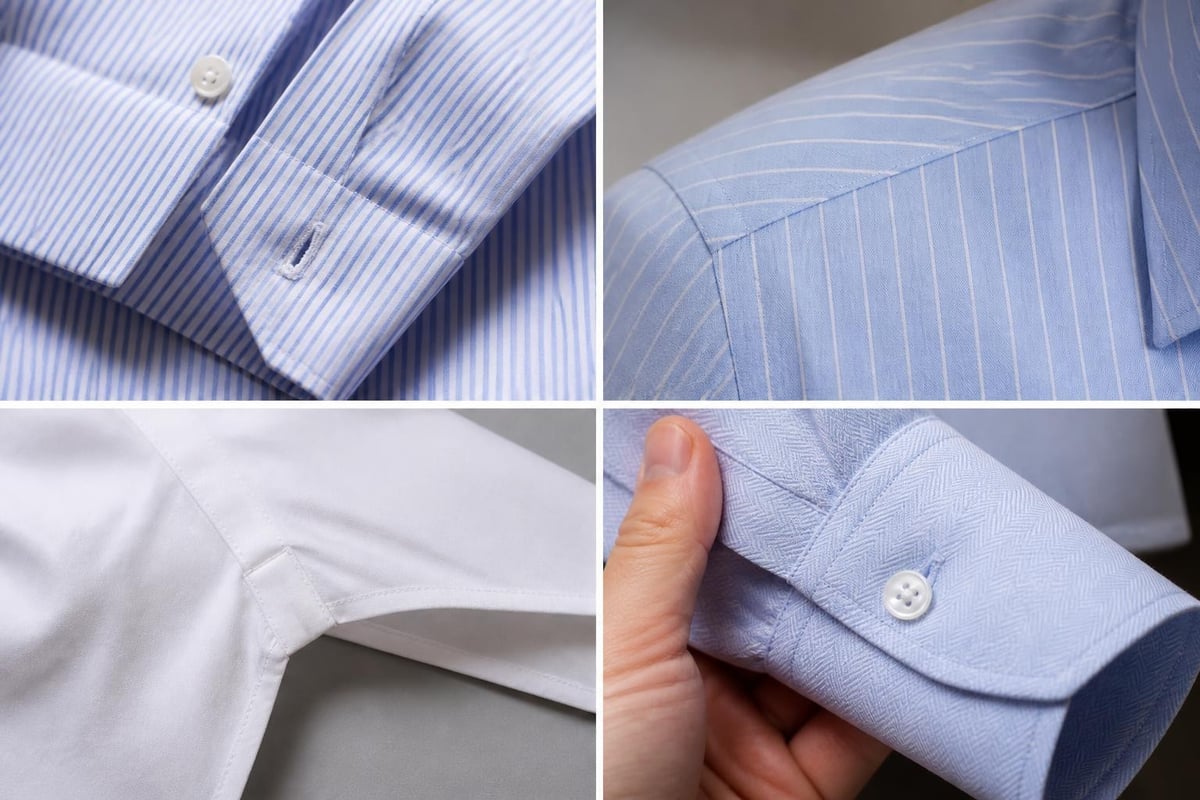
Strategic hand-stitching in critical areas allows the garment to move naturally with your body. Buttonholes receive particular attention, with hand-worked examples offering strength and refined appearance impossible to achieve by machine. The collar attachment benefits from hand-stitching, creating smooth curves and preventing puckering.
Premium construction features include:
- Split yokes for better shoulder drape and comfort
- Gussets at side seams preventing tear stress
- French seams for clean interior finish
- Mother-of-pearl buttons for durability and elegance
- Removable collar stays in genuine horn or metal
Pattern Matching and Detail Work
Stripe and check patterns require precise matching at seams, demonstrating the tailor's skill and attention to detail. Quality bespoke work ensures patterns align at center front, collar stands, and pocket placements. This meticulous approach creates visual harmony that elevates the entire garment.
The placket construction, whether standard, French, or hidden, must lie perfectly flat without gaping. Properly constructed plackets maintain their shape through countless wearings and washings, contributing to the shirt's professional appearance.
Caring for Your Investment: Maintenance and Longevity
Proper care extends the life of bespoke mens shirts significantly, protecting your investment and maintaining their exceptional appearance. These garments deserve treatment that matches their quality, from washing techniques to storage methods. With appropriate care, a well-made bespoke shirt serves you for years, developing character while maintaining structural integrity.
Washing and Pressing Guidelines
Professional laundering offers the best results, though home care remains viable with proper techniques. When washing at home, use cool water and gentle detergents specifically formulated for fine fabrics. Avoid chlorine bleach, which weakens fibers and causes yellowing over time.
Home care best practices:
- Turn shirts inside out before washing to protect exterior surfaces
- Use mesh laundry bags to prevent tangling and stress
- Remove shirts promptly after washing to minimize wrinkles
- Press while slightly damp using appropriate temperature settings
- Store on proper hangers that support shoulder shape
Storage Strategies for Wardrobe Longevity
Wooden or padded hangers prevent shoulder dimpling and maintain proper shape between wearings. Cedar hangers offer the additional benefit of natural moth repellent properties, protecting valuable garments from insect damage. Allow shirts to air for several hours after wearing before returning them to the closet, preventing moisture accumulation.
Rotation through your shirt collection prevents excessive wear on favorite pieces. Ideally, allow each shirt at least 48 hours between wearings, giving fibers time to recover their natural shape and any moisture to evaporate completely.
Building Your Bespoke Shirt Collection Strategically
Starting a bespoke mens shirts collection requires strategic planning to maximize versatility while expressing personal style. Begin with foundational pieces in neutral colors and classic patterns, then expand into more distinctive options as your wardrobe develops. This approach ensures you always have appropriate options while building toward comprehensive coverage.
Essential Starting Pieces
Your first three bespoke shirts should cover the majority of business and formal situations. A crisp white broadcloth in Egyptian cotton serves as the cornerstone, appropriate for everything from job interviews to black-tie events. Light blue follows as the second essential, offering versatility across business and social contexts while complementing most complexions.
- White broadcloth with moderate spread collar and barrel cuffs
- Light blue plain weave with similar styling for versatility
- White or blue stripe or check for pattern introduction
As your collection expands, introduce seasonal variations and specialized pieces. Summer months call for lighter fabrics in breathable weaves, while winter allows heavier materials in warming colors. The expertise available at Alex’s Fashion helps guide these decisions based on your lifestyle and climate.
Color and Pattern Progression
After establishing your foundation, gradually introduce colors that complement your complexion and existing wardrobe. Pink shirts offer versatility and approachability in business settings, while lavender provides sophisticated alternatives for social occasions. Patterns should progress from subtle to bold as your confidence grows.
| Wardrobe Stage | Recommended Additions | Pattern Complexity |
|---|---|---|
| Foundation (1-3 shirts) | White, light blue solids | None |
| Building (4-8 shirts) | Stripes, subtle checks | Low to Medium |
| Established (9-15 shirts) | Varied colors, bolder patterns | Medium to High |
| Comprehensive (16+ shirts) | Seasonal pieces, special occasions | Full Range |
The Bespoke Experience: What to Expect During Consultations
Understanding the consultation process helps you prepare effectively and communicate your preferences clearly. The initial meeting establishes the relationship between you and your tailor, setting the foundation for creating garments that exceed expectations. This collaborative process rewards open communication and detailed discussion of your needs.
First Appointment Preparation
Arrive at your initial consultation wearing or bringing examples of shirts that fit well and styles you admire. These references help your tailor understand your preferences and fit expectations. Be prepared to discuss your lifestyle, typical dress occasions, and any specific requirements your profession demands.
Topics to discuss during consultation:
- Climate considerations for fabric weight selection
- Formality levels required for work and social situations
- Color preferences and complexion compatibility
- Existing wardrobe to ensure coordination
- Budget parameters and timeline expectations
Subsequent Fittings and Adjustments
The first fitting typically occurs after the shirt is partially constructed, allowing significant adjustments before final assembly. This session focuses on overall fit, sleeve length, and body proportions. Be honest about any discomfort or areas that feel restrictive, as minor adjustments now prevent permanent fit issues.
Second fittings examine the nearly completed garment, addressing final details like cuff positioning and collar comfort. Your tailor makes notes for future orders, creating a pattern that streamlines subsequent purchases while allowing for any physical changes over time.
Why Location Matters: The Advantage of Experienced Tailors
Geographic location significantly influences both pricing and expertise availability in bespoke tailoring. Traditional tailoring centers like London's Savile Row command premium prices but offer unmatched heritage and expertise. However, skilled craftsmen practice their trade worldwide, often providing exceptional value in unexpected locations.
Thailand has emerged as a respected destination for bespoke tailoring, combining traditional craftsmanship with competitive pricing. Tailors in regions like Krabi bring decades of experience serving international clientele, mastering the techniques required for diverse body types and style preferences. The tropical climate necessitates expertise in lightweight fabrics and breathable construction methods, skills that translate well to creating comfortable garments for various conditions.
Evaluating Tailor Expertise and Experience
Years in business provide one indicator of reliability and skill, though younger tailors trained under master craftsmen can offer equal quality. Request to see examples of previous work, examining construction quality and finishing details. The willingness to show you their workshop and explain their process demonstrates confidence in their methods.
Client testimonials and reviews offer insights into the customer experience beyond technical skill. Look for comments about communication, turnaround time, and how well the finished product matched expectations. Repeat customers and referrals indicate consistent quality and service.
Investing in bespoke mens shirts transforms your wardrobe from functional to exceptional, providing perfectly fitted garments that reflect your personal style and professional standards. The process requires time, investment, and collaboration with skilled craftsmen, but the results deliver unmatched satisfaction and longevity. Whether you're establishing your first custom wardrobe or expanding an existing collection, working with experienced tailors ensures each piece meets the highest standards of quality and fit. With over 30 years of experience creating custom garments, Alex’s Fashion in Ao Nang, Krabi brings expert craftsmanship and personalized service to every bespoke shirt, using world-class fabrics to create clothing that exceeds expectations.