
 EN
EN  FR
FR  DE
DE  TH
TH 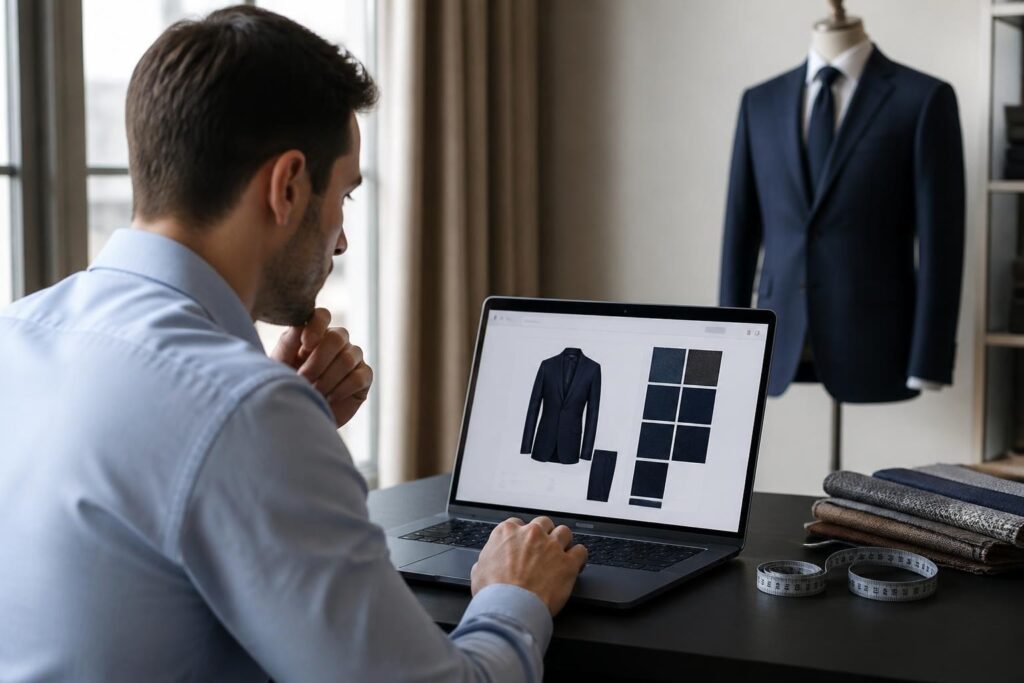
The landscape of bespoke tailoring has transformed dramatically over the past decade, with digital platforms making custom suits on line accessible to anyone with an internet connection. What once required multiple in-person visits to a tailor shop now happens through sophisticated online systems that combine traditional craftsmanship with modern technology. Whether you're preparing for a wedding, updating your professional wardrobe, or simply seeking garments that fit your unique body shape, understanding how to navigate the world of online custom tailoring ensures you receive a suit that meets your expectations. This comprehensive guide explores everything you need to know about ordering custom suits through digital channels in 2026.
Understanding the Custom Suits On Line Experience
The process of ordering custom suits on line differs significantly from buying off-the-rack clothing or visiting a traditional tailor. Online tailoring services use detailed measurement systems, extensive fabric libraries, and customization tools to create garments that rival anything produced through conventional methods.
Most reputable online tailors provide comprehensive measurement guides that walk customers through taking accurate measurements at home. These guides typically include video tutorials, PDF instructions, and customer service support to ensure precision. The measurement process covers everything from chest and waist circumference to sleeve length, shoulder width, and trouser inseam.
Key Components of Online Suit Ordering
When you explore options for custom suits on line, you'll encounter several essential elements that define the experience:
- Measurement systems: Self-measurement guides, measurement shirts, or options to submit measurements from an existing well-fitting garment
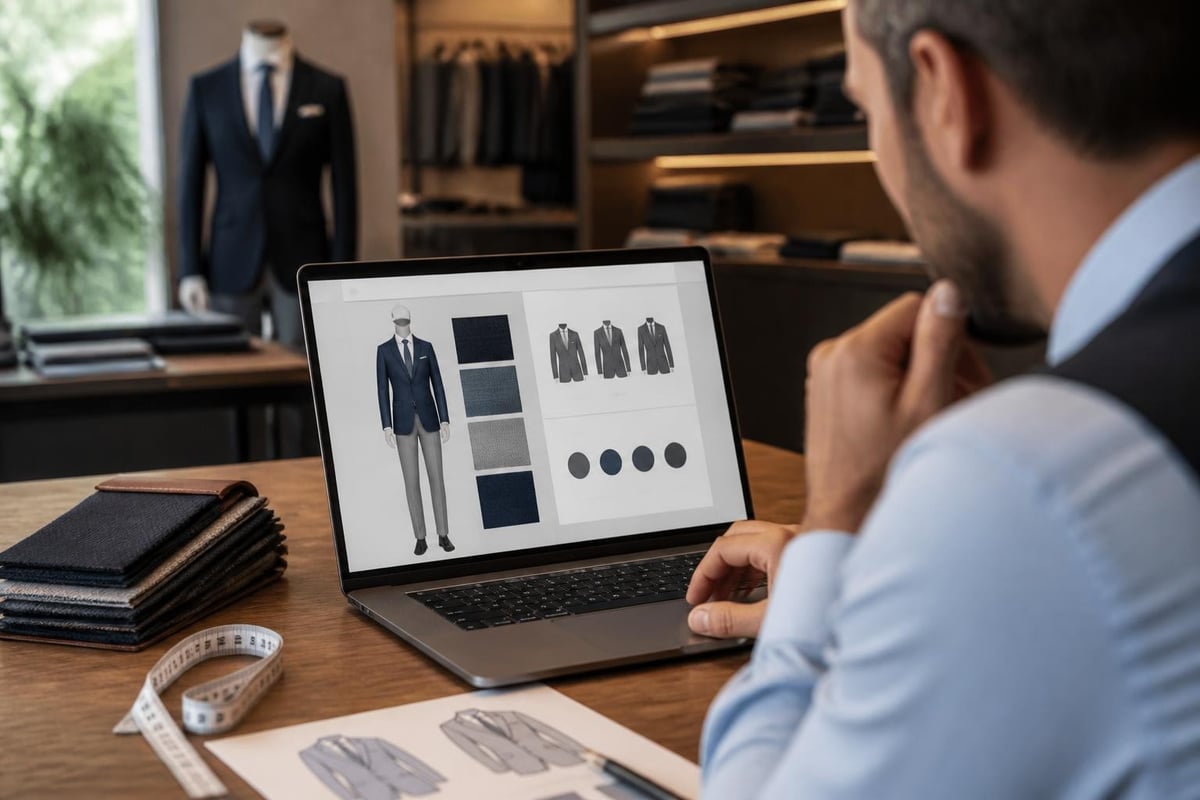
- Fabric selection: Digital swatches with detailed descriptions of weight, texture, pattern, and seasonal appropriateness
- Style customization: Choices for lapel width, button configuration, pocket styles, vents, and other design details
- Fit profiles: Options for slim, classic, or relaxed fits based on personal preference and body type
- Remake guarantees: Policies that protect your investment if the initial garment requires adjustments
The technology behind these platforms has advanced considerably. Many services now use artificial intelligence to recommend sizes based on your measurements, predict fit issues before production, and suggest style combinations that work well together.
Selecting Fabrics for Your Online Custom Suit
Fabric selection represents one of the most critical decisions when ordering custom suits on line. The material determines not only how your suit looks but also how it performs in different climates, how long it lasts, and how comfortable it feels throughout the day.
Understanding Fabric Weights and Seasonality
Suit fabrics are measured in ounces per yard, with weights typically ranging from 7 to 14 ounces. This measurement directly impacts the garment's drape, breathability, and appropriate season for wear.
| Fabric Weight | Season | Characteristics | Best For |
|---|---|---|---|
| 7-9 oz | Summer | Lightweight, breathable, less structured | Tropical climates, warm weather events |
| 10-11 oz | Year-round | Balanced weight, versatile | Business suits, general wear |
| 12-14 oz | Fall/Winter | Heavy, warm, structured | Cold climates, formal occasions |
When examining fabric descriptions on platforms offering custom suits on line, pay attention to the fiber composition. Pure wool remains the gold standard for suiting, offering natural breathability, wrinkle resistance, and durability. However, modern blends incorporating synthetic fibers can provide enhanced performance characteristics like increased stretch or easier care requirements.
Popular Fabric Choices and Their Applications
Super numbers indicate the fineness of wool fibers, with higher numbers representing softer, more luxurious fabrics. Super 100s to Super 120s offer an excellent balance of durability and refinement for most business and formal occasions. Super 150s and above provide exceptional softness but require more careful maintenance.
Pattern selection influences the versatility of your suit. Solid navy and charcoal gray remain the most versatile options, appropriate for virtually any business or formal setting. Subtle patterns like pinstripes, windowpanes, or herringbone add visual interest while maintaining professional appearance.
For those in tropical locations like Krabi, Thailand, lightweight tropical wool, linen-wool blends, or fresco weaves offer superior comfort without sacrificing the tailored appearance expected in professional settings.
Measurement Accuracy: The Foundation of Perfect Fit
The success of your experience with custom suits on line depends entirely on measurement accuracy. Unlike traditional tailoring where adjustments happen during fitting sessions, online orders rely on the precision of your initial measurements.
Professional Measurement Techniques
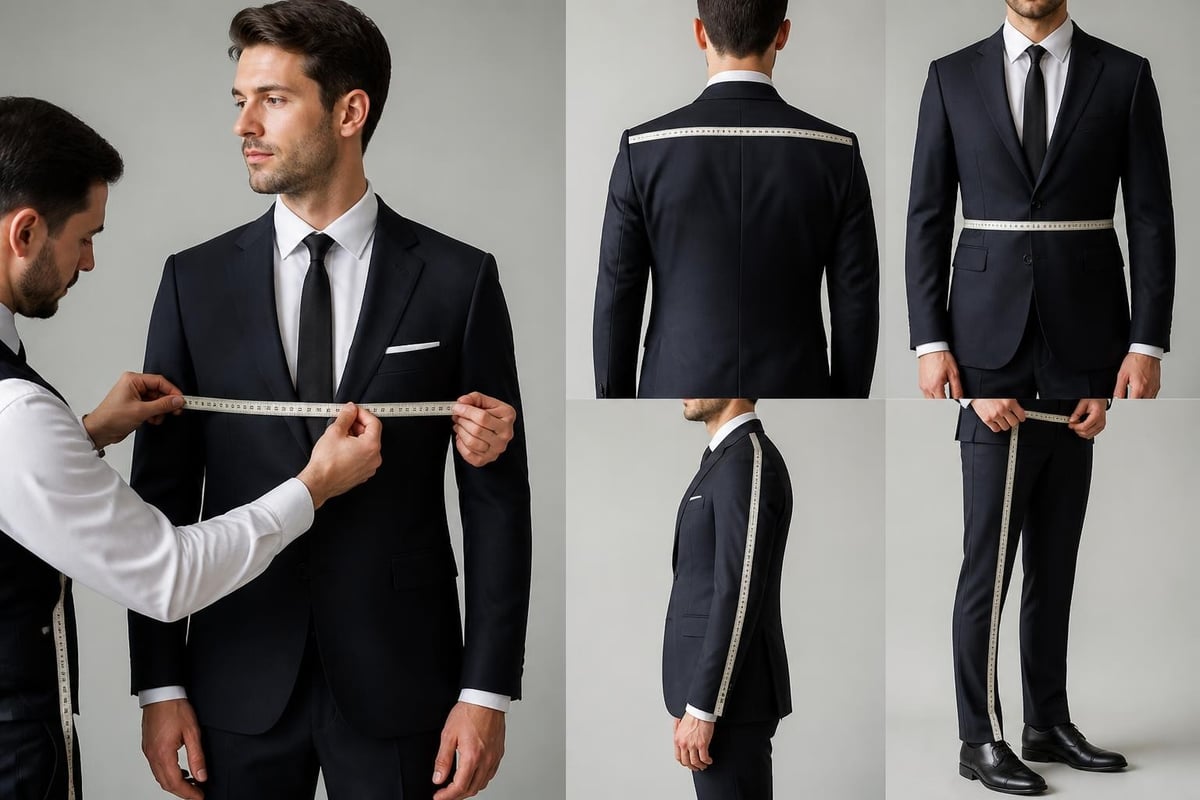
Most online tailoring services recommend having someone assist with measurements rather than attempting them alone. This second person ensures the measuring tape remains level and properly positioned, particularly for difficult-to-reach areas like the back length or shoulder width.
Critical measurements for suit jackets include:
- Chest circumference: Measured at the fullest part of the chest with arms relaxed at sides
- Waist: Taken at the natural waist, not where trousers typically sit
- Shoulder width: From shoulder seam to shoulder seam across the back
- Sleeve length: From shoulder seam to wrist bone with arm slightly bent
- Back length: From the base of the collar to the desired jacket length
Trouser measurements require equal attention to detail. The rise (distance from waistband to crotch seam) significantly affects comfort, while the outseam and inseam determine overall length and proportion.
Common Measurement Mistakes to Avoid
Even experienced customers sometimes make errors when taking measurements for custom suits on line. Awareness of these common pitfalls helps ensure accuracy:
- Measuring over bulky clothing instead of over a thin shirt or undershirt
- Pulling the measuring tape too tight or leaving it too loose
- Failing to account for posture variations
- Rounding measurements up or down instead of recording exact figures
- Confusing measurements between different measurement systems (inches versus centimeters)
Many premium online tailors offer to send a measurement garment or fit kit that you wear and return, eliminating the guesswork from self-measurement. While this adds time to the process, it significantly increases the likelihood of perfect fit on the first attempt.
Customization Options That Define Your Style
Beyond measurements and fabric, the customization features available when ordering custom suits on line allow you to create garments that reflect your personal style and meet specific functional requirements. Men’s Health provides insights into the best online custom suit brands, highlighting how different platforms approach customization options.
Jacket Details and Their Impact
Lapel style fundamentally changes the suit's appearance. Notch lapels offer classic versatility suitable for business settings. Peak lapels project formality and confidence, ideal for special occasions or those seeking to make a statement. Shawl lapels remain exclusive to tuxedos and dinner jackets.
Button configuration affects both aesthetics and functionality. Two-button jackets create a modern silhouette with a higher button stance, while three-button jackets offer a more traditional, slightly longer appearance. One-button jackets work best for formal events and tuxedos.
Pocket styles range from traditional flap pockets for business suits to patch pockets for more casual jackets and jetted (besom) pockets for formal wear. Many platforms offering custom suits on line also allow choices for ticket pockets, breast pocket styling, and interior pocket configurations.
Trouser Customizations
| Feature | Options | Considerations |
|---|---|---|
| Waistband | Flat front, single pleat, double pleat | Pleats add room and traditional styling |
| Pockets | Side seam, slanted, on-seam | Affects comfort and clean lines |
| Cuffs | Plain hem, cuffed | Cuffs add weight and formality |
| Closure | Button fly, zipper | Button flies are more traditional |
The rise of trousers deserves special attention. Low-rise trousers sit below the natural waist and work with contemporary jacket lengths. Mid-rise offers versatility for most body types. High-rise trousers, worn at or above the natural waist, pair well with vests and create classic proportions.
Quality Indicators and What to Expect
Understanding quality markers helps you evaluate different services offering custom suits on line and set realistic expectations for your garment. Not all custom suits deliver the same level of craftsmanship or construction quality.
Construction Methods
Full canvas construction represents the highest quality level, where a canvas interlining extends through the jacket's front panels. This construction allows the jacket to mold to your body over time, provides superior drape, and ensures longevity. Full canvas suits require skilled handwork and command premium prices.
Half canvas construction features canvas in the chest and lapel areas with fused material lower in the front panels. This approach balances quality with affordability, delivering many benefits of canvas construction at a moderate price point.
Fused construction uses adhesive to attach interlining to the outer fabric. While more affordable and suitable for entry-level custom suits, fused construction lacks the natural drape and long-term durability of canvas alternatives.
Finishing Details That Signal Quality
When examining platforms that offer custom suits on line, investigate which finishing details come standard versus optional upgrades:
- Hand-sewn buttonholes: Superior to machine-made alternatives, allowing buttons to sit more naturally
- Functional sleeve buttons: Working buttonholes on jacket sleeves indicate higher-quality construction
- Pick stitching: Visible hand-stitching along lapels and pocket edges adds subtle detailing
- Interior finishing: Clean interior seams, quality lining material, and thoughtful pocket placement
- Natural shoulder: Minimal padding that follows natural shoulder shape versus heavily structured alternatives
The quality of finishing directly impacts how your suit wears over time. Superior construction maintains shape through cleaning and wear, while lower-quality finishing may result in bubbling, puckering, or premature deterioration.
Timeline and Process Management
Ordering custom suits on line requires patience and planning. Understanding typical timelines helps you order appropriately for important events or wardrobe updates.
Standard Production Schedules
Most online tailoring services require three to six weeks for production after measurements and customization selections are finalized. This timeline includes fabric cutting, garment construction, quality control inspection, and shipping to your location.
Rush services exist for urgent needs, though they typically incur additional fees and may limit fabric or customization options. If you need a suit for a specific event, ordering at least eight weeks in advance provides buffer time for any necessary adjustments or remakes.
International shipping adds complexity to timelines. Customs processing, import duties (depending on your location), and shipping logistics can add one to three weeks to delivery. Services that maintain production facilities in multiple regions may offer faster shipping to certain areas.
The Alteration and Remake Process
Reputable providers of custom suits on line stand behind their work with alteration or remake guarantees. Understanding these policies before ordering protects your investment and reduces stress if the initial garment requires adjustments.
Most services offer one complimentary remake if the suit doesn't fit properly despite accurate measurements being provided. This remake typically requires you to return the original garment and provide additional measurement details or photos to identify fit issues.
For minor adjustments, many online tailors provide partial refunds to cover local tailoring costs. This approach proves faster than shipping the garment back for alterations, particularly for simple adjustments like trouser hemming or sleeve shortening.
Price Considerations and Value Assessment
The cost of custom suits on line varies dramatically based on fabric quality, construction method, brand reputation, and additional customization features. Understanding this pricing landscape helps you identify appropriate options for your budget and requirements.
Price Ranges and What They Include
Entry-level online custom suits start around $300 to $500. At this price point, expect quality fabrics with fused construction, standard customization options, and reliable fit based on accurate measurements. These suits serve well for building a professional wardrobe or occasional wear.
Mid-range options ($500 to $1,200) typically feature half-canvas construction, premium fabrics from renowned mills, expanded customization choices, and superior finishing details. This range represents excellent value for those seeking suits for regular wear that maintain appearance over time.
Premium custom suits on line ($1,200 to $3,000+) deliver full canvas construction, luxury fabrics, extensive handwork, and comprehensive customization. These garments rival traditional bespoke tailoring in quality while offering the convenience of online ordering.
Comparing Value Across Price Points
| Price Range | Construction | Fabric Quality | Best For |
|---|---|---|---|
| $300-500 | Fused | Good wool, basic patterns | Occasional wear, budget-conscious buyers |
| $500-1200 | Half canvas | Premium fabrics, wide selection | Regular professional wear |
| $1200-3000+ | Full canvas | Luxury fabrics, rare patterns | Special occasions, discerning buyers |
When evaluating value, consider cost per wear rather than absolute price. A $1,000 suit worn twice weekly for five years costs less per use than a $400 suit worn monthly for two years, particularly when accounting for quality differences and longevity.
Caring for Your Custom Online Suit
Proper maintenance extends the life of suits ordered through custom suits on line platforms and preserves their appearance between professional cleanings. Investment in quality garments deserves corresponding attention to care practices.
Daily and Weekly Maintenance
After each wearing, hang your suit on a proper suit hanger with shaped shoulders that support the jacket without creating stress points. Cedar hangers naturally repel moths while absorbing moisture and odors.
Brush your suit with a quality garment brush after wearing to remove surface dust, lint, and particles. This simple practice prevents debris from working into fabric fibers and reduces cleaning frequency requirements.
Allow suits to rest between wearings. Rotating between multiple suits gives fabrics time to recover their shape and release moisture absorbed during wear. Ideally, wait at least 48 hours between wearings of the same suit.
Professional Cleaning and Storage
Dry clean suits sparingly, as frequent chemical cleaning damages fibers and shortens garment life. Most suits require professional cleaning only two to four times annually unless visibly soiled or stained.
For seasonal storage, clean suits before putting them away to remove oils and particles that attract moths. Store in breathable garment bags rather than plastic, which traps moisture and can promote mildew growth.
Steam freshening between cleanings removes wrinkles and refreshes fabrics without the harsh chemicals of dry cleaning. Hang the garment in a steamy bathroom or use a handheld garment steamer, maintaining distance to avoid water spots.
Navigating Fit Issues and Customer Service
Even with careful measurement and selection, occasional fit issues arise when ordering custom suits on line. Understanding how to address these situations and work effectively with customer service teams ensures satisfactory resolution.
Identifying Common Fit Problems
Jacket length issues appear when the jacket is too long (covering too much of the seat) or too short (exposing excessive shirt below the jacket). Proper jacket length allows you to cup your hands naturally while standing with the jacket hem just covering this curved hand position.
Sleeve length should allow approximately half an inch of shirt cuff to show beyond the jacket sleeve. Sleeves that are too long cover shirt cuffs entirely, while short sleeves expose excessive shirt fabric.
Shoulder fit proves critical and difficult to alter. The jacket shoulder seam should align with your natural shoulder edge. Shoulders extending beyond this point create droopy appearance, while tight shoulders cause pulling and restrict movement.
Working with Customer Service
When contacting support about fit issues with custom suits on line, provide specific, detailed information:
- Describe exactly where the garment doesn't fit properly
- Take photographs showing the fit issue from multiple angles
- Have your original measurements available for comparison
- Explain how the fit differs from your expectations
- Specify your preferred resolution (remake, alteration allowance, or exchange)
Professional online tailoring services, like those offered at Alex’s Fashion, prioritize customer satisfaction and work collaboratively to resolve fit issues. Clear communication about problems and expectations facilitates faster, more satisfactory solutions.
Making Your First Custom Online Suit Order
Beginning your journey with custom suits on line requires balancing ambition with practicality. Your first order establishes the foundation for future purchases and helps you understand the process before making larger investments.
Strategic First Purchase Recommendations
Consider starting with a versatile navy or charcoal suit in a mid-weight, year-round fabric. These colors work across professional and social settings, maximizing wear opportunities while you evaluate the fit and quality of your chosen provider.
Select classic styling options for your first suit rather than trendy details. Notch lapels, two-button front, side vents, and flat-front trousers create a timeless appearance that remains appropriate regardless of changing fashion trends.
Budget appropriately, but avoid choosing the absolute lowest price point for your first custom suit on line. Mid-range options provide better quality benchmarks and more forgiving construction if minor fit adjustments become necessary.
Learning from Your First Experience
Document your experience thoroughly. Record your measurements, save all customization choices, and photograph the finished product. This information proves invaluable when ordering future suits, allowing you to refine choices based on actual results.
Wear your first custom suit multiple times across different settings before ordering additional garments. This real-world testing reveals any fit issues that weren't apparent during initial try-on and helps you understand how the construction performs over time.
Provide feedback to your chosen service. Reputable providers offering custom suits on line value customer input and use it to improve processes, refine measurement guides, and enhance overall experiences for future customers.
Advanced Customization for Experienced Buyers
Once you've successfully ordered one or more suits online, exploring advanced customization options allows you to create truly distinctive garments that reflect refined personal style while maintaining appropriate contexts for wear.
Fabric Adventurism and Pattern Mixing
Beyond solid colors, patterns like glen plaid, houndstooth, Prince of Wales check, or subtle windowpane add visual interest while remaining business-appropriate. These patterns work particularly well in sport coats or suits intended for less formal professional environments.
Texture variations provide another dimension for customization. Fabrics like flannel, tweed, fresco, or sharkskin offer distinctive feels and appearances while maintaining suit-appropriate formality levels. Seasonal texture choices help rotate wardrobes between warm and cool weather.
Functional Customizations
Advanced buyers often specify functional details that enhance suit utility:
- Interior pockets sized for specific devices or documents
- Reinforced areas for items regularly carried
- Modified vents for better movement or aesthetic preferences
- Specialty lining materials for enhanced comfort or reduced weight
- Button thread colors that complement rather than match fabric
These refinements demonstrate understanding of how you actually use suits and transform garments from well-fitting to truly personalized.
Ordering custom suits on line combines traditional tailoring craftsmanship with modern convenience, delivering garments that fit your body and reflect your style without requiring multiple shop visits. Success depends on accurate measurements, thoughtful fabric selection, and understanding quality indicators across different price points. Whether you're building a professional wardrobe or preparing for special occasions, the world of online custom tailoring offers unprecedented access to bespoke quality. For those seeking exceptional craftsmanship with over 30 years of experience in creating perfectly tailored garments, Alex’s Fashion combines traditional expertise with personalized service to ensure every suit meets your exact specifications and exceeds your expectations.