
 EN
EN  FR
FR  DE
DE  TH
TH 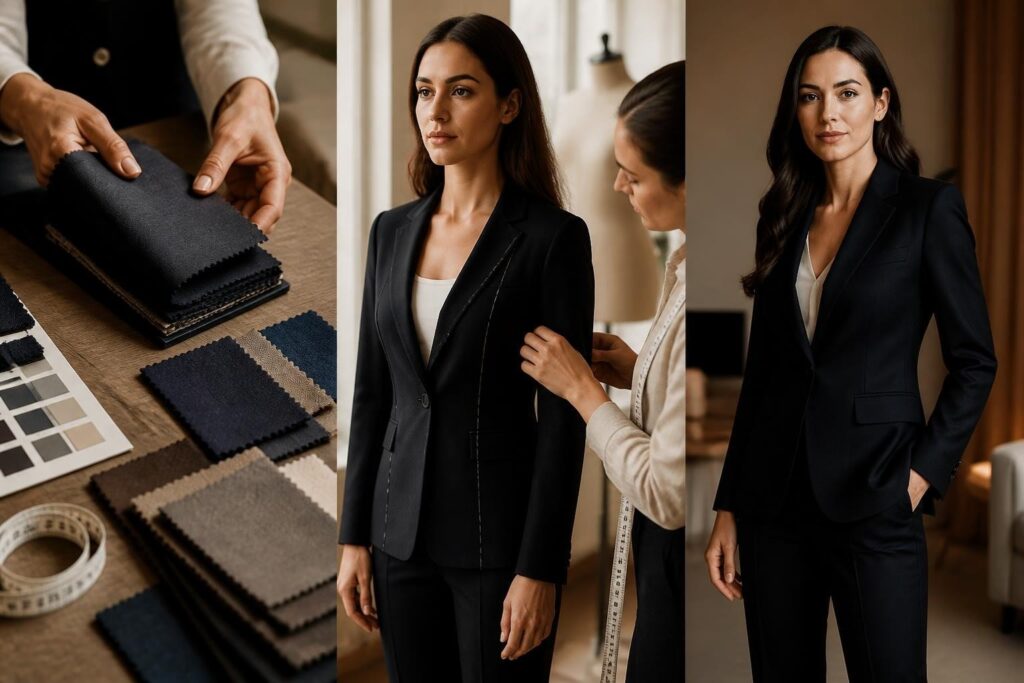
The professional woman's wardrobe has evolved dramatically over the past decades, yet one element remains timelessly essential: the perfectly fitted suit. While off-the-rack options flood department stores and online retailers, they rarely accommodate the unique proportions and preferences of individual women. Custom suits for women represent more than just clothing; they embody confidence, professionalism, and personal style crafted specifically for your body and lifestyle needs.
The Evolution of Women's Professional Attire
Women's workplace fashion has transformed from rigid, masculine-inspired designs to sophisticated garments that celebrate feminine proportions while maintaining professional authority. This shift has created increased demand for tailored solutions that honor individual body types rather than forcing women into standardized sizing systems.
The bespoke tailoring industry has responded by developing specialized techniques for women's suiting. Traditional menswear tailoring methods have been adapted and refined to accommodate curves, different shoulder structures, and varying body proportions. This evolution recognizes that women's bodies require fundamentally different approaches to pattern-making and construction.
Understanding Body Proportions and Fit Challenges
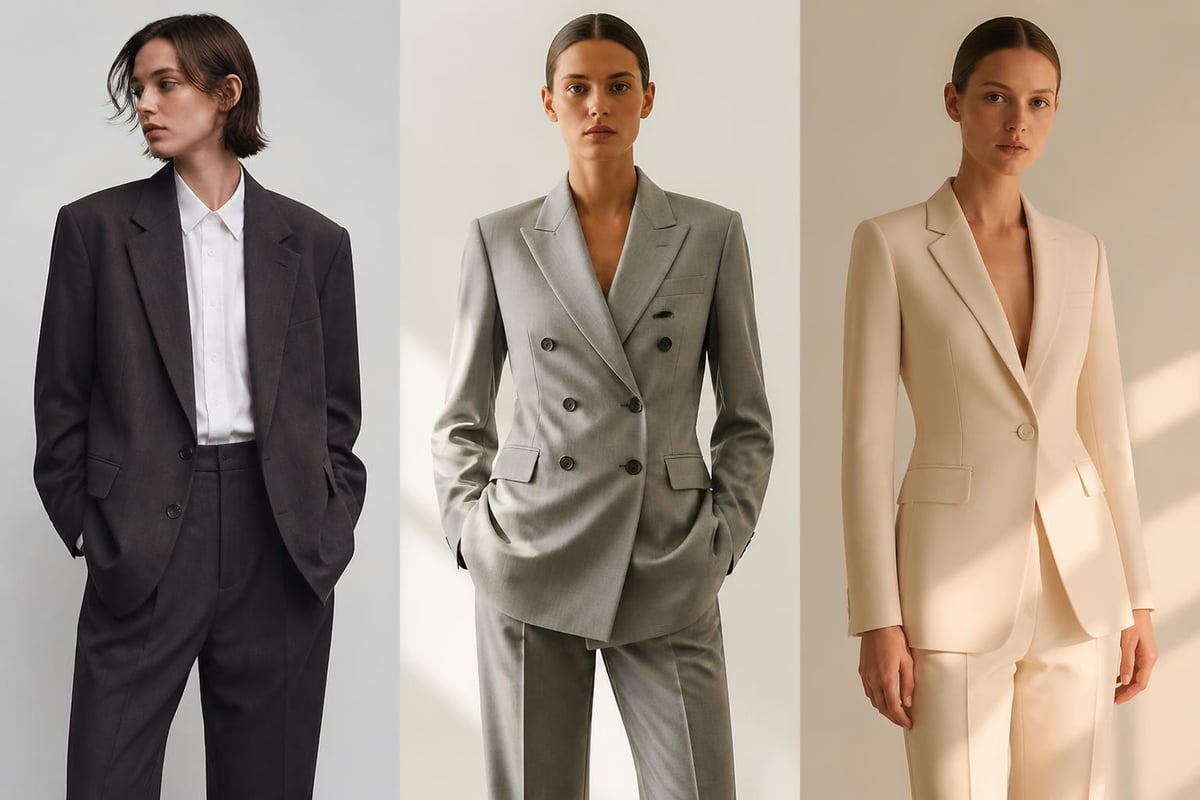
Women face unique fitting challenges that make off-the-rack suits particularly problematic. Standard sizing assumes uniform proportions between bust, waist, and hip measurements that rarely exist in reality. A woman might need a size 8 jacket for her shoulders but a size 12 for her hips, creating an impossible situation with ready-made garments.
Common fit issues with ready-made suits include:
- Gaping at the bust line or collar
- Tight shoulders with excess fabric at the waist
- Sleeves that are too long or too short
- Pants that fit the waist but not the hips, or vice versa
- Jackets that pull across the back when moving
- Uneven hem lengths due to posture differences
Research in personalized garment design demonstrates that custom-fit clothing significantly improves comfort and functionality, particularly when accommodating body movement throughout the day. This scientific validation supports what tailors have known for centuries: custom construction creates superior wearing experiences.
The Bespoke Tailoring Process for Women's Suits
Creating custom suits for women involves a methodical process that begins long before any cutting or sewing occurs. Understanding this journey helps clients appreciate the craftsmanship and attention to detail that distinguishes bespoke garments from their mass-produced counterparts.
Initial Consultation and Design Discussion
The first meeting establishes the foundation for your custom suit. During this consultation, your tailor discusses your lifestyle, profession, and specific occasions where you'll wear the suit. A lawyer appearing in court requires different features than a creative director attending industry events.
Key discussion points include:
- Purpose and frequency of wear – Daily office wear versus special occasions
- Style preferences – Classic, modern, or fashion-forward silhouettes
- Comfort priorities – Movement requirements and climate considerations
- Budget parameters – Fabric quality and construction complexity
- Timeline expectations – Standard production versus rush orders
This conversation allows the tailor to recommend appropriate fabrics, construction methods, and design details. An experienced professional can guide you through options you might not have considered, drawing on decades of expertise in creating garments that perform beautifully.
Measurement and Pattern Creation
Precise measurement distinguishes custom suits for women from altered ready-to-wear garments. A comprehensive measurement session captures dozens of data points, including shoulder slope, arm pitch, back length, and posture variations. These measurements form the blueprint for your unique pattern.
| Measurement Category | Key Data Points | Purpose |
|---|---|---|
| Upper Body | Shoulder width, shoulder slope, bust apex, across back | Jacket fit and comfort |
| Torso | Natural waist, high hip, full hip, back length | Proportion and silhouette |
| Arms | Sleeve length, bicep, forearm, wrist | Sleeve fit and mobility |
| Lower Body | Waist, hip, thigh, knee, inseam, outseam | Trouser fit and drape |
| Posture | Forward head, rounded shoulders, sway back | Adjustments for natural stance |
The master pattern maker translates these measurements into a paper pattern specific to your body. This pattern becomes the template for cutting your fabric, ensuring every piece accounts for your individual proportions.
Fabric Selection and Quality Considerations
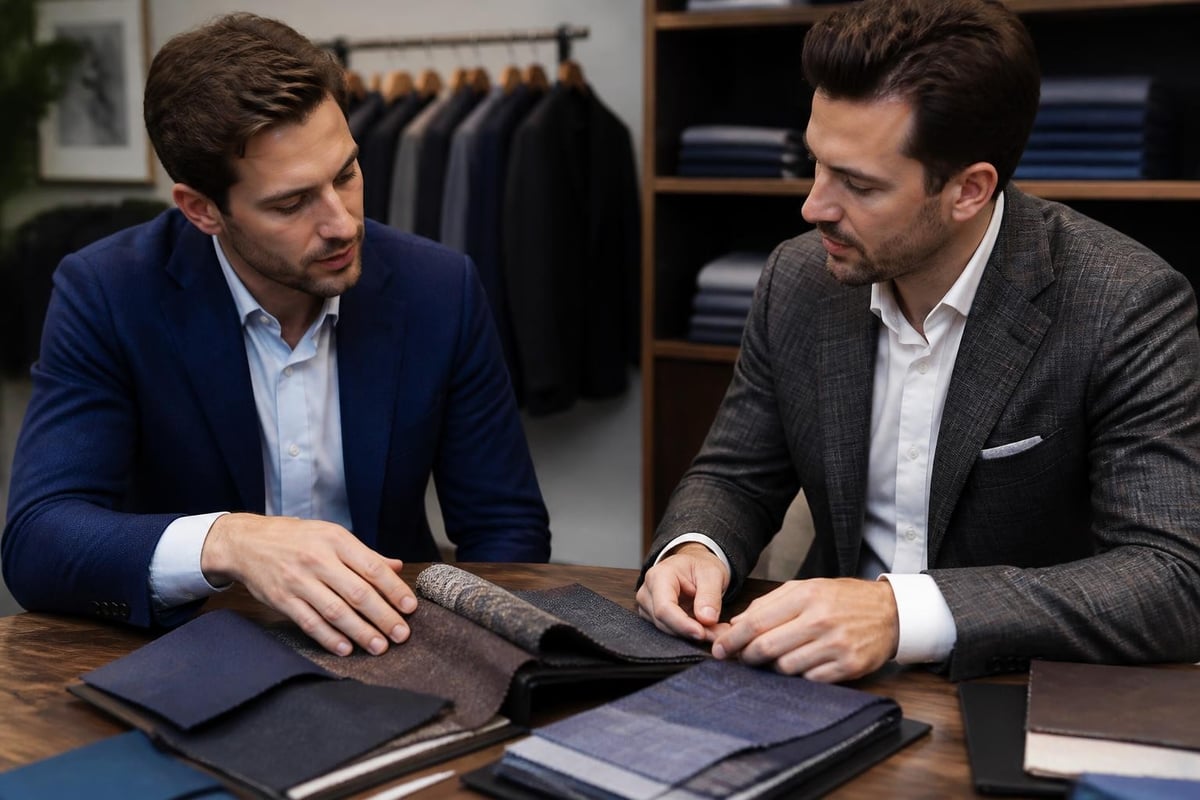
The fabric you choose profoundly impacts how your suit looks, feels, and performs over time. World-class fabrics offer superior drape, durability, and comfort, making them worthwhile investments for garments you'll wear for years.
Understanding Fabric Composition
Wool remains the gold standard for women's suiting:
- Super numbers (Super 100s, 120s, 150s) indicate fiber fineness
- Higher numbers mean softer, more luxurious feel but potentially less durability
- Year-round weights (9-11 oz) work for most climates
- Seasonal variations accommodate specific weather needs
Wool blends incorporate other fibers for specific benefits. Silk adds luster and drape. Cashmere increases softness and warmth. Lycra or elastane provides stretch for active lifestyles. Each addition serves a purpose aligned with your wearing requirements.
Choosing Patterns and Colors
Custom suits for women offer unlimited possibilities in colors and patterns. While solid navy, charcoal, and black remain professional staples, subtle patterns add visual interest without sacrificing formality.
Professional pattern options:
- Pinstripes (narrow or wide spacing)
- Herringbone (classic texture)
- Birdseye (subtle dot pattern)
- Glen plaid (traditional check)
- Sharkskin (fine diagonal weave)
Color psychology plays a role in professional settings. Navy conveys authority and trustworthiness. Gray suggests sophistication and neutrality. Burgundy or forest green offer distinctive yet professional alternatives. Your industry and personal coloring guide optimal choices.
Style Options and Design Details
The beauty of bespoke tailoring lies in customization options that reflect your personal aesthetic while maintaining professional appropriateness. Every detail, from lapel width to button placement, can be specified to your preferences.
Jacket Styles and Silhouettes
Women's suit jackets range from traditionally structured to softly unconstructed. Your choice depends on the formality level you require and your personal comfort preferences. Guidelines for achieving better fit with custom women’s suits emphasize selecting silhouettes that complement your natural body shape.
| Style Element | Options | Considerations |
|---|---|---|
| Lapel Type | Notch, peak, shawl | Formality and neckline framing |
| Button Stance | Single, double, 1-button, 2-button, 3-button | Torso proportion and style |
| Jacket Length | Hip-length, longer | Height and leg proportion |
| Waist Suppression | Fitted, semi-fitted, relaxed | Body type and comfort |
| Shoulder Construction | Natural, structured, soft | Professional context |
Pocket styles include traditional flap pockets, sleek welt pockets, or patch pockets for more casual interpretations. Sleeve buttons can be functional or decorative, typically numbering three or four. These details collectively create your signature look.
Trouser and Skirt Alternatives
Modern custom suits for women offer flexibility in bottom configurations. Traditional trousers remain popular, but skirts provide alternatives for different occasions and preferences.
Trouser variations:
- Rise options – Mid-rise, high-rise, or low-rise positioning
- Leg styles – Straight, slightly tapered, or wide-leg silhouettes
- Waistband treatments – Belt loops, side adjusters, or extended tabs
- Pocket configurations – Slant, vertical, or on-seam placements
- Hem finishes – Plain, cuffed, or specific break preferences
Skirts range from pencil styles that enhance professional formality to A-line cuts that offer movement ease. Length considerations balance professional standards with personal comfort and current style trends.
The Fitting Process and Adjustments
Multiple fittings distinguish true bespoke work from made-to-measure services. This iterative process ensures every element performs perfectly on your body in motion, not just while standing still.
First Fitting: The Basted Garment
The initial fitting occurs when your suit exists as a loosely basted shell. This allows the tailor to assess how the pattern translates to three-dimensional reality on your body. Significant adjustments happen at this stage.
Your tailor evaluates balance, proportion, and comfort. You'll move your arms, sit down, and perform typical motions to test the garment's functionality. Pins and chalk marks indicate necessary modifications before final construction proceeds.
Subsequent Fittings and Refinements
Second and third fittings address progressively finer details. The jacket shoulders might require subtle reshaping. Sleeve pitch may need adjustment for optimal hang. Trouser waistband positioning gets perfected for all-day comfort.
Critical evaluation points include:
- Collar hugs the neck without gaping
- Shoulders sit smoothly without dimpling
- Chest provides adequate ease for movement
- Waist suppression flatters without restricting
- Sleeves show appropriate shirt cuff
- Trouser break falls at preferred length
- Overall balance creates pleasing proportions
This attention to detail ensures your finished suit performs flawlessly in professional settings while remaining comfortable through long days.
Investment Value and Longevity
Custom suits for women represent significant financial investments compared to ready-made alternatives. Understanding this value proposition helps contextualize the pricing and appreciate the long-term benefits.
Cost Breakdown and Factors
Bespoke suit pricing reflects multiple components beyond simple material costs. Labor hours, expertise level, and construction quality all contribute to final investment figures.
Price influences include:
- Fabric quality and origin (Italian mills command premium pricing)
- Construction method (full canvas versus fused)
- Number of fittings and adjustment complexity
- Hand-finishing details and techniques
- Tailor experience and reputation
- Geographic location and market positioning
While a custom suit might cost three to five times more than department store options, the superior fit, durability, and timeless style often make it more economical over its lifetime. A well-maintained bespoke suit can serve you for decades.
Care and Maintenance for Longevity
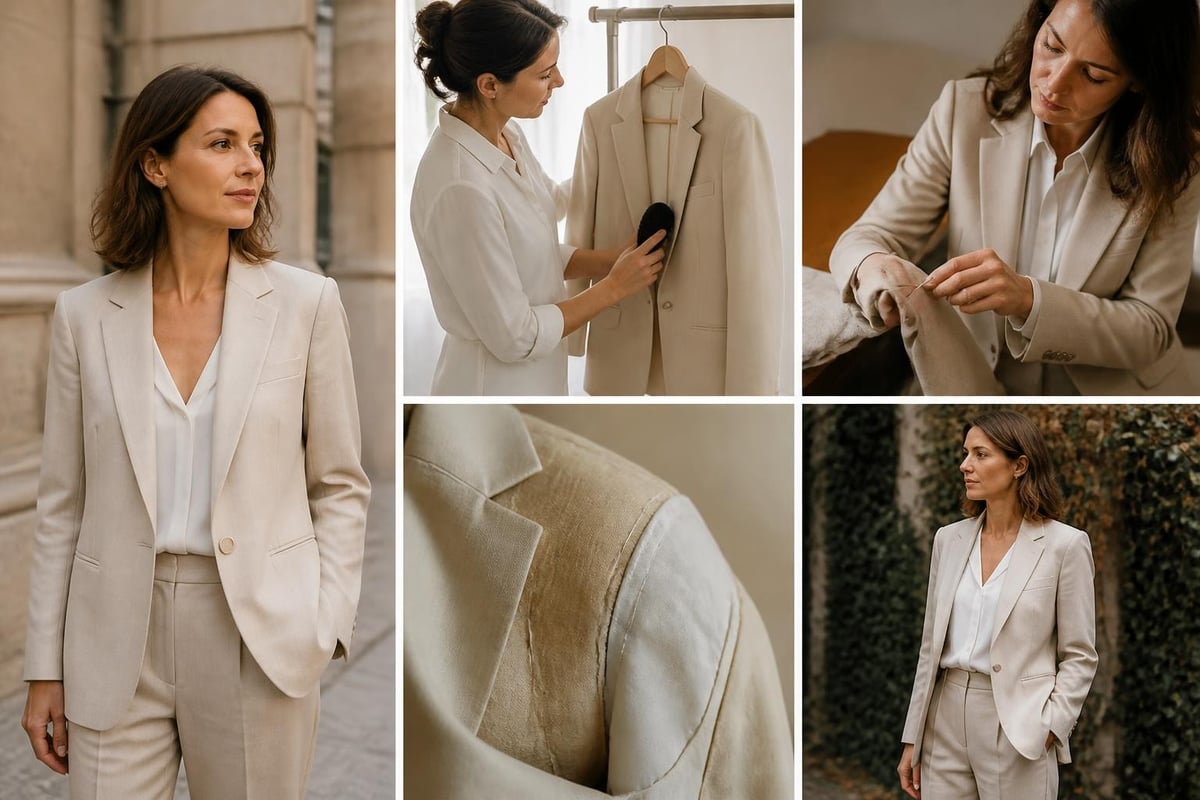
Proper care extends your suit's lifespan significantly. Professional cleaning should occur sparingly, only when truly necessary. Between wearings, allow the suit to air out on proper hangers in breathable garment bags.
Maintenance best practices:
- Brush the suit after each wearing to remove surface dirt
- Use wooden hangers that support shoulder structure
- Allow 24-48 hours rest between wearings
- Address minor stains immediately with appropriate methods
- Steam rather than iron when possible
- Store in climate-controlled environments
- Rotate with other suits to distribute wear
Minor repairs and alterations should be performed promptly by skilled professionals. A small tear or loose button addressed quickly prevents larger problems later.
Building a Custom Suit Wardrobe
Strategic wardrobe building allows you to maximize versatility while minimizing redundancy. Starting with foundational pieces and expanding thoughtfully creates a professional wardrobe that serves diverse needs efficiently.
Essential First Pieces
Your initial custom suit should be the most versatile option in your professional context. For most women, this means a solid navy or charcoal suit in year-round weight wool. This foundation piece works for interviews, presentations, important meetings, and formal events.
The second suit might introduce subtle pattern or alternative color while maintaining professional appropriateness. A gray pinstripe or navy herringbone adds visual variety without limiting wear occasions. Consider your industry norms and personal coloring when selecting this expansion piece.
Coordinating Separates Strategy
Beyond complete suits, coordinating separates multiply outfit options. Additional trousers in complementary colors pair with existing jackets. Extra jackets create new combinations with current trousers or skirts.
Wardrobe multiplication through separates:
| Core Pieces | Additional Items | Total Combinations |
|---|---|---|
| 2 suits (4 pieces) | 1 trouser, 1 jacket, 1 skirt | 12+ unique outfits |
| 3 suits (6 pieces) | 2 trousers, 1 jacket | 20+ unique outfits |
| 4 suits (8 pieces) | 3 separates | 30+ unique outfits |
This approach provides maximum variety while ensuring everything coordinates seamlessly. Working with one tailor maintains consistency in fit and quality across your wardrobe.
Modern Trends in Women's Suiting
Contemporary custom suits for women balance timeless construction with current style sensibilities. Understanding these trends helps you make choices that feel fresh without becoming dated quickly.
Current Silhouette Preferences
Recent years have seen movement away from ultra-fitted silhouettes toward slightly relaxed fits that prioritize comfort and ease. This doesn't mean shapeless garments, but rather constructions that acknowledge curves while allowing breathing room and movement.
Longer jacket lengths have gained popularity, extending to mid-hip or slightly below. This proportion flatters many body types while creating a modern, sophisticated appearance. Paired with higher-rise trousers, this silhouette elongates the legs and creates balanced proportions.
Fabric and Color Innovation
While classic navy and gray remain staples, custom clients increasingly embrace richer, more distinctive colors. Deep burgundy, forest green, camel, and even soft pastels appear in professional wardrobes. These choices allow personality expression while maintaining appropriate formality.
Textured fabrics add visual interest without pattern commitment. Basket weaves, fresco weaves, and subtle tweeds provide depth and character. These work particularly well for year-round suits that see frequent wear.
Selecting Your Bespoke Tailor
The relationship between client and tailor significantly impacts your custom suit experience and results. Finding the right professional requires research, consultation, and trust-building.
Evaluating Experience and Expertise
Years in business indicate stability and skill development, but specialization matters equally. A tailor with extensive experience creating custom suits for women understands the unique technical challenges and style considerations involved.
Questions to ask potential tailors:
- How long have you specialized in women's suiting?
- What construction methods do you employ?
- Where do you source your fabrics?
- How many fittings are included in your process?
- Can you provide references from similar clients?
- What is your typical timeline from order to completion?
- How do you handle adjustments after delivery?
Portfolio review reveals style sensibility and technical capabilities. Look for clean lines, smooth sleeve caps, proper balance, and attention to finishing details in completed work.
Understanding Service Offerings
Different tailoring businesses operate under various models. True bespoke creates patterns from scratch for each client. Made-to-measure modifies existing patterns to approximate your measurements. Understanding these distinctions helps set appropriate expectations.
The comprehensive services at Alex’s Fashion exemplify the bespoke approach, where each garment begins with individual pattern development and proceeds through multiple fittings for optimal results. This level of customization produces superior outcomes but requires greater time investment.
Seasonal and Climate Considerations
Thailand's tropical climate presents unique challenges for suit wearers. Selecting appropriate fabrics and construction methods ensures comfort without sacrificing professional appearance in warm, humid conditions.
Tropical Weight Fabrics
Lightweight wools in the 7-9 ounce range provide breathability while maintaining structure and drape. These fabrics allow air circulation while resisting wrinkles better than linen alternatives. Year-round weights (9-11 ounces) work well in climate-controlled office environments.
Fabric recommendations for warm climates:
- Fresco weave wool (highly breathable, wrinkle-resistant)
- Mohair blends (lightweight, naturally cooling)
- Tropical wool (fine, open weave construction)
- Wool-silk blends (luxurious hand, good drape)
- High-twist wools (durable, breathable, crisp)
Lining choices also impact comfort in tropical environments. Partial linings or breathable silk linings reduce heat retention while maintaining jacket structure. Unlined jackets offer maximum breathability for the hottest conditions.
Construction Adaptations
Full canvas construction allows superior breathability compared to fused alternatives. The floating canvas layer permits air movement between fabric layers while molding to your body over time. This traditional construction method proves particularly valuable in warm climates.
Half-canvas construction provides a compromise, placing canvas only in the chest and lapel areas where structure matters most. This reduces overall weight while maintaining professional appearance and longevity.
Custom suits for women offer unparalleled fit, style, and professional presence that off-the-rack alternatives simply cannot match. The investment in bespoke tailoring pays dividends through years of confident wearing and timeless elegance. Whether you're building your professional wardrobe or seeking the perfect suit for important occasions, Alex’s Fashion brings over 30 years of bespoke tailoring expertise to create garments that celebrate your unique proportions and style preferences. Visit their Ao Nang location to begin your custom suit journey with a team dedicated to crafting clothing that exceeds your expectations.