
 EN
EN  FR
FR  DE
DE  TH
TH 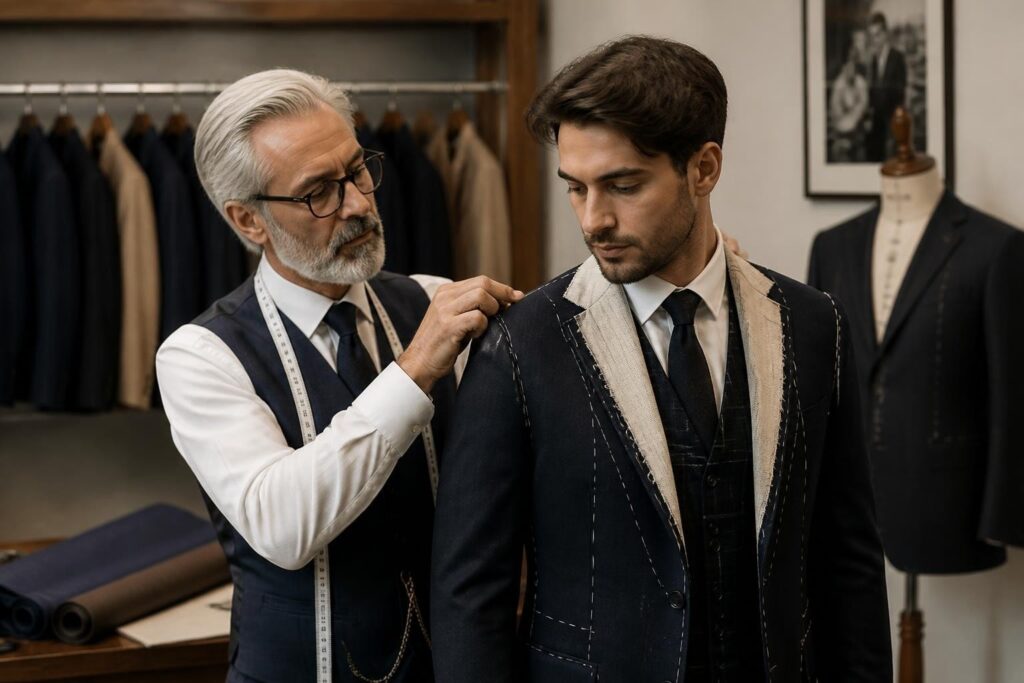
The art of bespoke tailoring represents one of the oldest and most respected crafts in the fashion industry, with skilled artisans dedicating decades to perfecting their techniques. At the pinnacle of this profession stands the master tailor, a craftsman who has achieved the highest level of expertise through years of training, practice, and unwavering commitment to excellence. Understanding what distinguishes a master tailor from other professionals in the field reveals the depth of knowledge required to create garments that fit perfectly and stand the test of time. For those seeking truly exceptional custom clothing, recognizing the hallmarks of mastery becomes essential to making informed decisions about their wardrobe investments.
The Definition and Significance of Master Tailor Status
A master tailor represents far more than simply someone who sews clothes professionally. This designation indicates a craftsman who has achieved comprehensive expertise in every aspect of garment construction, from initial consultation and measurement through pattern drafting, fabric selection, cutting, and finishing. The journey to becoming a recognized master tailor typically spans 10 to 15 years of dedicated practice and continuous learning.
The core competencies that define a master tailor include:
- Complete mastery of hand-sewing techniques and finishing methods
- Expert knowledge of fabric properties, drape, and behavior
- Advanced pattern drafting and adaptation skills
- Precision in taking measurements and assessing body proportions
- Understanding of garment balance, posture correction, and fit refinement
Traditional tailoring centers like Savile Row in London have long maintained strict standards for this designation. The Savile Row Bespoke Academy emphasizes the importance of maintaining these traditional methods and standards in training the next generation of craftsmen. These institutions recognize that true mastery cannot be rushed or abbreviated.
Historical Context and Evolution
The profession has evolved significantly since its origins, yet the fundamental principles remain remarkably consistent. The history of bespoke tailoring traces back centuries, with master tailors serving royalty and aristocracy throughout Europe. These artisans held prestigious positions in society, their skills valued as both practical necessities and artistic expressions.
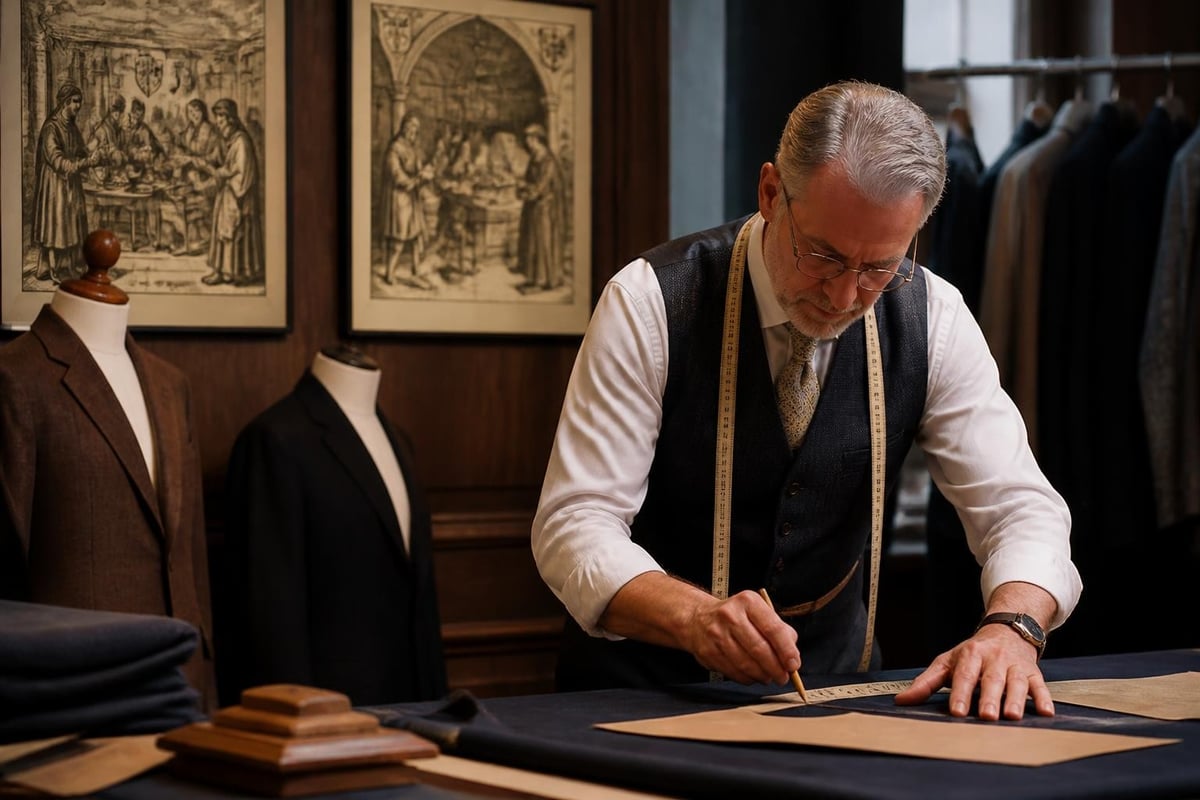
During the height of tailoring’s formalization, guild systems regulated the profession strictly. Apprentices spent seven years or more learning from established masters before earning the right to work independently. This tradition of lengthy apprenticeships continues in modified forms today, recognizing that genuine expertise develops gradually through accumulated experience rather than accelerated training programs.
Training Pathways and Certification Requirements
The path to becoming a master tailor varies across different regions and traditions, but certain elements remain universal. Modern training combines traditional apprenticeship models with structured educational programs that provide comprehensive technical foundations.
| Training Component | Duration | Key Focus Areas |
|---|---|---|
| Apprenticeship | 4-7 years | Hands-on skills, workshop protocols, client relations |
| Formal Education | 1-3 years | Pattern theory, fabric science, fashion history |
| Independent Practice | 5-10 years | Business operations, specialization, refinement |
| Master Certification | Varies | Examination, portfolio review, peer evaluation |
Several organizations now offer structured pathways toward mastery. The Handcraft Tailor Academy, founded by master tailor Rory Duffy, focuses specifically on preserving traditional handcraft techniques that distinguish the highest level of work from industrial production. Similarly, the Gustave Foundation provides a Master Tailor Certificate upon completion of their advanced Level IV program.
Formal Recognition and Professional Standards
Professional certification validates a tailor's expertise through rigorous assessment of both technical skills and theoretical knowledge. Various tailor certifications exist globally, with requirements differing based on regional traditions and professional organizations. The Certified Master Tailor designation typically requires demonstrated proficiency across multiple garment categories.
Certification assessment typically evaluates:
- Technical execution of complex garments
- Pattern drafting accuracy and innovation
- Hand-sewing quality and finishing techniques
- Fabric selection and manipulation
- Fitting methodology and problem-solving
- Professional conduct and client communication
The World Federation of Master Tailors serves as an international body promoting professional standards and connecting accomplished craftsmen worldwide. This organization recognizes that mastery transcends geographic boundaries while respecting regional variations in technique and style.
Essential Skills and Technical Expertise
The technical repertoire of a master tailor encompasses hundreds of specific skills developed through thousands of hours of practice. Beyond basic construction knowledge, these professionals possess nuanced understanding that enables them to solve complex fitting challenges and execute designs that lesser-trained tailors find impossible.
Measurement and Fitting Mastery
Taking accurate measurements represents just the beginning. A master tailor reads the body's unique characteristics, identifying asymmetries, postural patterns, and proportion relationships that affect garment drape and comfort. The perfect fit mastery course by master tailor Stefan Wimmer explores these advanced techniques in depth.
This expertise allows the master tailor to anticipate how fabric will interact with the client's specific body type, accounting for movement, posture variations throughout the day, and the garment's intended use. A business suit requires different fitting considerations than formal evening wear, and the master tailor adjusts their approach accordingly.
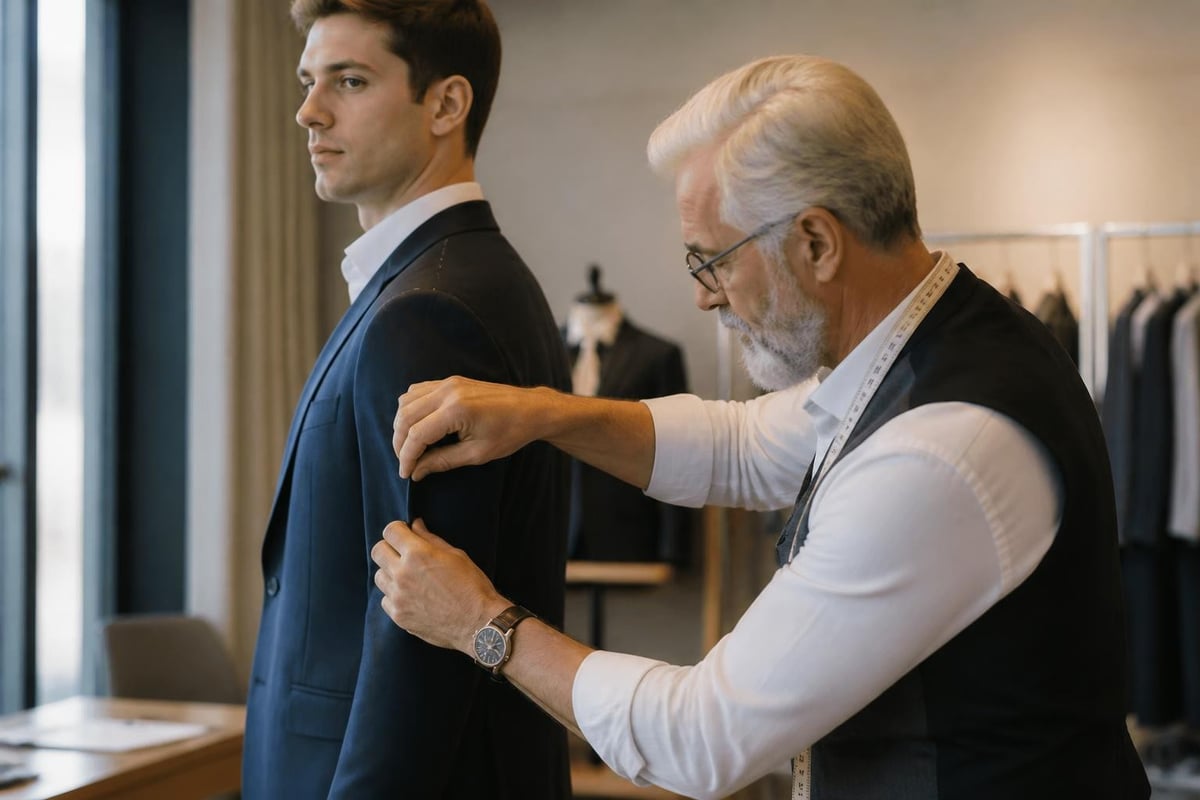
Advanced fitting considerations include:
- Shoulder slope variations and their impact on jacket balance
- Chest and back posture affecting jacket drape
- Arm positioning and movement allowance
- Trouser rise adjustments for comfort and proportion
- Fabric stretch and recovery properties
- Seasonal weight fluctuations and garment accommodation
Pattern Drafting and Adaptation
While many tailors work from established patterns, the master tailor creates custom drafts based on individual measurements and design specifications. This skill requires deep understanding of geometry, proportion, and fabric behavior. Each client's unique body shape demands pattern modifications that only extensive experience can inform.
The master tailor also excels at pattern adaptation, taking inspiration from various style traditions while customizing elements to suit the client's preferences and physical requirements. This flexibility enables them to execute both classic styles and contemporary innovations with equal proficiency.
Fabric Knowledge and Selection Expertise
A master tailor's fabric knowledge extends far beyond identifying weave patterns or fiber content. These professionals understand how different materials behave during construction, how they drape on various body types, and how they perform over years of wear.
| Fabric Category | Construction Considerations | Ideal Applications |
|---|---|---|
| Worsted Wool | Crisp finish, holds shape, minimal stretching | Business suits, formal trousers |
| Cashmere Blends | Soft drape, requires expert handling | Luxury jackets, casual blazers |
| Linen | Breathable, natural wrinkling, seasonal | Summer suits, tropical wear |
| Silk Blends | Delicate, lustrous, temperature-sensitive | Dress shirts, formal waistcoats |
This expertise proves particularly valuable in tropical climates where fabric breathability and comfort become paramount concerns. A master tailor working in environments like Krabi, Thailand understands that traditional heavy fabrics must give way to lighter-weight alternatives that maintain structure without causing discomfort in high humidity.
The master tailor also guides clients through quality assessment, explaining thread counts, finish treatments, and durability expectations. This educational role helps clients make informed decisions that align with their budget, lifestyle, and aesthetic preferences.
Hand-Sewing Techniques and Finishing Excellence
While modern tailoring incorporates machine construction for certain elements, hand-sewing distinguishes master-level work. These techniques create garments that conform naturally to the body, with seams that flex and move rather than restrict.
Critical hand-sewing applications include:
- Pad stitching jacket lapels for proper roll and shape retention
- Fell stitching sleeve linings for flexibility and durability
- Buttonhole execution with precise thread density
- Trouser waistband attachment for comfort and longevity
- Hem finishing that remains invisible yet secure
The Tailoring Academy addresses the shortage of formal education in these traditional techniques, recognizing that many modern training programs emphasize speed and efficiency over craftsmanship quality. Master tailors maintain these time-honored methods because they produce demonstrably superior results.
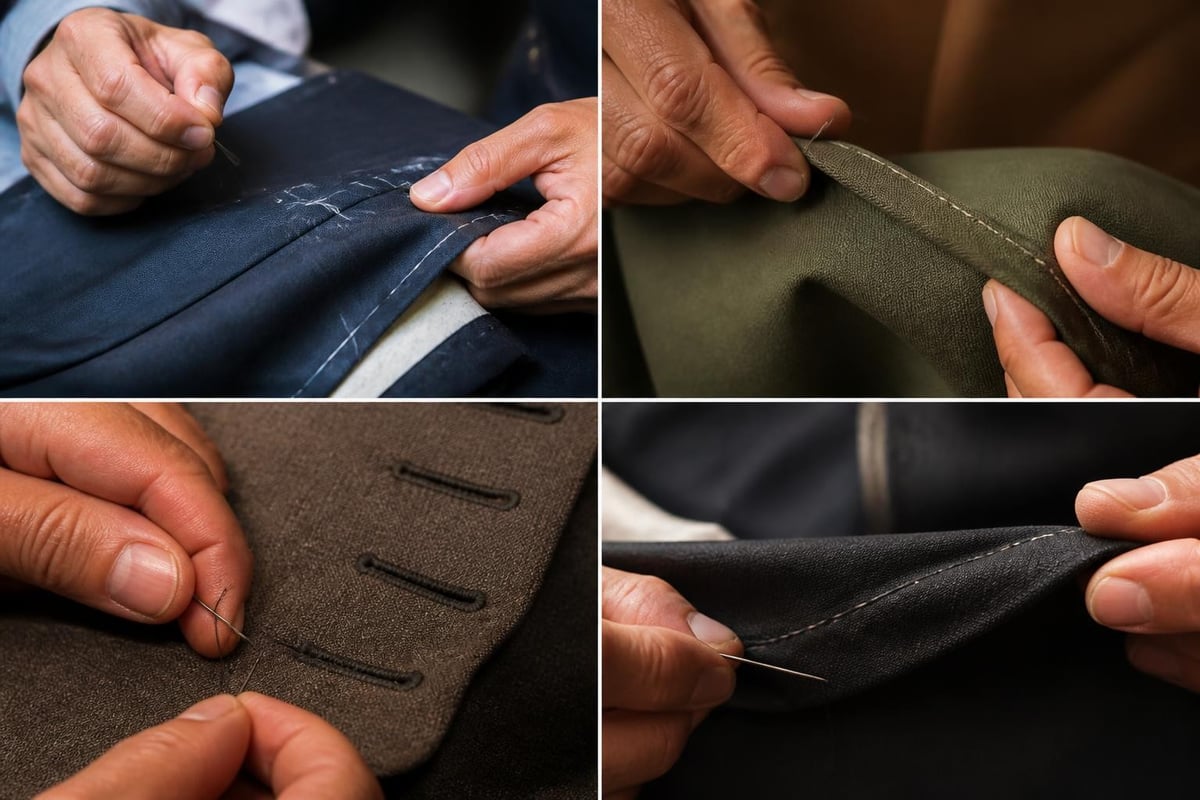
Hand-finishing extends to details like collar attachments, pocket construction, and lining installation. Each element receives individual attention, with the master tailor adjusting techniques based on fabric properties and garment requirements. This attention to detail creates clothing that not only fits beautifully when new but maintains its shape and appearance through years of regular wear.
The Client Consultation Process
A master tailor's expertise extends beyond technical skills to encompass sophisticated client communication. The initial consultation represents a crucial foundation for successful outcomes, where the tailor must understand not only physical measurements but also lifestyle requirements, aesthetic preferences, and practical considerations.
Understanding Client Needs and Expectations
Effective consultation involves asking detailed questions about garment usage, care preferences, and long-term wardrobe goals. A master tailor recognizes that building a bespoke wardrobe represents an investment, and each piece should integrate seamlessly with existing clothing while addressing specific needs.
The conversation explores formality requirements, color preferences, pattern sensibilities, and functional details like pocket configurations or special features. For clients unfamiliar with bespoke tailoring, the master tailor educates them about options, timelines, and the collaborative nature of the process.
Key consultation topics include:
- Garment purpose and frequency of wear
- Climate and environmental considerations
- Style preferences and inspiration examples
- Budget parameters and value expectations
- Timeline requirements and fitting availability
- Care and maintenance capabilities
This thoroughness ensures that the final garment meets or exceeds expectations while avoiding misunderstandings that could compromise satisfaction. The master tailor balances client desires with practical realities, offering guidance that draws on extensive experience.
Business Operations and Professional Practices
Beyond craftmanship, successful master tailors operate sustainable businesses that serve clients professionally while maintaining quality standards. This entrepreneurial dimension requires skills in customer service, inventory management, pricing strategy, and reputation building.
Many established master tailors develop specializations that distinguish their services within competitive markets. Some focus exclusively on formal wear, others on casual luxury, and still others on specific client demographics. The Alex’s Fashion approach demonstrates how broad capability across men's, women's, and children's clothing creates comprehensive service offerings.
Maintaining Standards Across Scale
As businesses grow, maintaining master-level quality becomes increasingly challenging. Some tailors limit client numbers to ensure personal attention to every project, while others train assistants in their specific methods. The most successful operations develop systems that preserve craftsmanship standards regardless of volume.
Quality control protocols include multiple inspection points throughout construction, standardized measurement verification processes, and post-delivery follow-up to address any adjustments. These systems reflect the master tailor's commitment to excellence across every project, not just showcase pieces.
Regional Variations and Cultural Influences
Tailoring traditions vary significantly across different regions, with master tailors often incorporating cultural elements into their technical approaches. British tailoring emphasizes structured shoulders and defined waists, while Italian styles favor softer construction and natural draping. Asian tailoring traditions contribute their own distinctive techniques and aesthetic preferences.
A master tailor working in international tourist destinations like Thailand often synthesizes multiple traditions, adapting techniques to serve diverse clientele. This versatility requires understanding various style languages while maintaining technical excellence across all approaches. The ability to execute both a classic British suit and a contemporary Italian-inspired jacket demonstrates true mastery of the craft.
Adapting to Climate and Lifestyle
Environmental factors significantly influence tailoring decisions. Master tailors in tropical locations develop specialized expertise in lightweight fabric handling, ventilation design, and construction methods that prioritize breathability without sacrificing structure. These adaptations require deep understanding of how traditional techniques translate to different materials and conditions.
The seasonal variations in temperate climates demand different considerations than the consistent warmth of tropical regions. A master tailor accounts for these factors during consultation, ensuring garments remain comfortable and appropriate for their intended environment.
The Future of Master Tailoring
As fashion continues evolving, the role of the master tailor remains remarkably relevant. While ready-to-wear clothing dominates the market, discerning consumers increasingly appreciate the value of custom-fitted garments created by skilled craftsmen. This renewed interest supports both traditional establishments and new tailoring businesses entering the field.
Technology influences certain aspects of the profession, with digital measurement tools and pattern software augmenting traditional methods. However, the fundamental skills that define a master tailor remain irreplaceable by automation. The human judgment required for fitting assessment, the hand skills needed for finishing work, and the consultative expertise demanded by client relationships resist standardization.
Emerging trends affecting master tailors include:
- Growing appreciation for sustainable, long-lasting clothing
- Interest in traditional craftsmanship among younger consumers
- Integration of technology for pattern development and inventory management
- Increased demand for versatile garments suitable for multiple contexts
- Expansion of bespoke services to casual and active wear categories
Organizations like the World Federation of Master Tailors work to ensure knowledge transfer between generations, connecting experienced craftsmen with emerging talent. This continuity preserves techniques while encouraging innovation that keeps the profession vital and responsive to contemporary needs.
Investment Value and Longevity Considerations
Garments created by a master tailor represent significant investment, both financially and temporally. Understanding the value proposition helps clients appreciate the difference between bespoke tailoring and other clothing options. A properly constructed custom suit can remain serviceable for decades with appropriate care, often outlasting multiple ready-to-wear alternatives.
The initial cost reflects not only materials and time but also the accumulated expertise that ensures superior results. A master tailor's efficiency comes from experience rather than shortcuts, producing garments that require fewer alterations and deliver greater satisfaction. This expertise translates to better fabric utilization, more accurate initial fittings, and construction methods that enhance durability.
| Comparison Factor | Ready-to-Wear | Modified Off-Rack | Master Tailor Bespoke |
|---|---|---|---|
| Initial Fit | Approximate | Improved | Precise |
| Fabric Quality | Variable | Limited Selection | Premium Options |
| Construction Method | Fully Fused | Partially Canvassed | Fully Canvassed/Hand-sewn |
| Lifespan (years) | 2-5 | 5-8 | 15-30+ |
| Alteration Potential | Limited | Moderate | Extensive |
The per-wear cost of bespoke garments often compares favorably with frequent replacement of lower-quality alternatives. Beyond economics, the intangible benefits include perfect comfort, confident appearance, and the satisfaction of owning something created specifically for you by a skilled craftsman.
The expertise embodied by a master tailor represents the culmination of years of dedicated practice, continuous learning, and unwavering commitment to craftsmanship excellence. These professionals create garments that transcend fashion trends while delivering comfort, durability, and timeless style through meticulous attention to every detail. For those seeking the ultimate in custom clothing, working with experienced artisans ensures investment in quality that lasts for decades. Alex’s Fashion brings over 30 years of bespoke tailoring expertise to Ao Nang, Krabi, creating perfectly fitted garments for men, women, and children using world-class fabrics and traditional craftsmanship techniques.