
 EN
EN  FR
FR  DE
DE  TH
TH 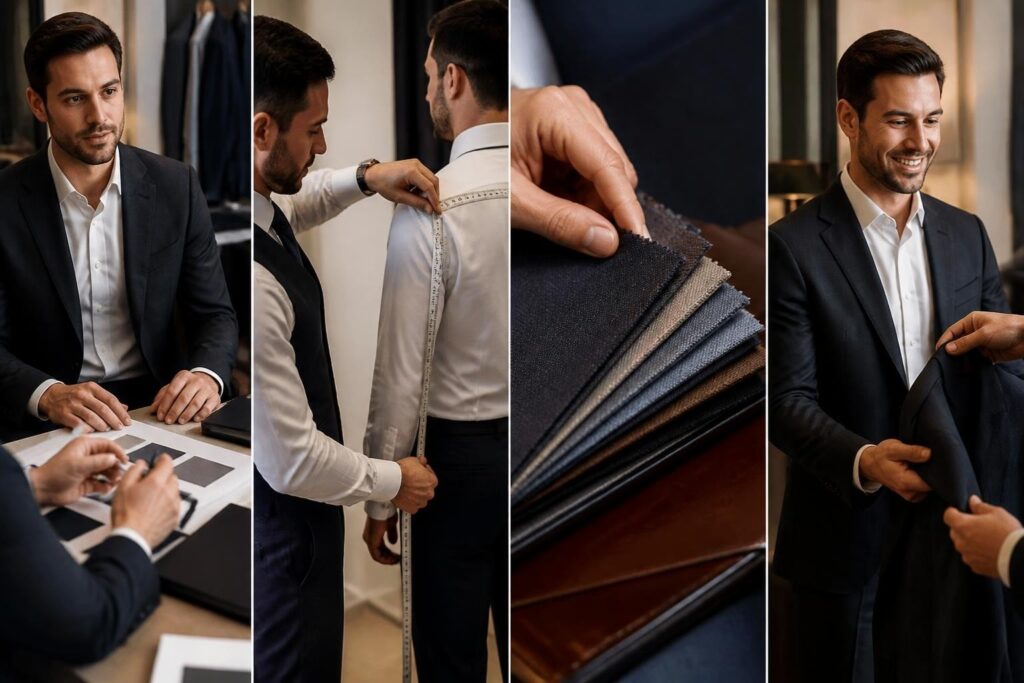
The art of bespoke clothing has experienced a remarkable renaissance in recent years, with more individuals seeking the perfect fit and personal expression that only a custom tailor can provide. In 2026, the tailoring industry continues to evolve, blending traditional craftsmanship with modern innovations to meet the demands of discerning clients who refuse to compromise on quality or fit. Whether you're searching for a perfectly fitted suit for a special occasion or building a wardrobe that reflects your unique style, understanding the world of custom tailoring opens doors to unparalleled satisfaction in your clothing choices.
Understanding What a Custom Tailor Does
A custom tailor is a skilled craftsperson who creates garments specifically designed and fitted for individual clients. Unlike off-the-rack clothing that follows standardized sizing, custom tailoring involves taking precise measurements, selecting fabrics, and constructing each piece to match the client's exact specifications and body shape.
The process begins with a detailed consultation where the custom tailor discusses style preferences, intended use, and budget considerations. This personalized approach ensures that every garment serves its intended purpose while reflecting the wearer's personality and lifestyle needs.
The Measurement Process
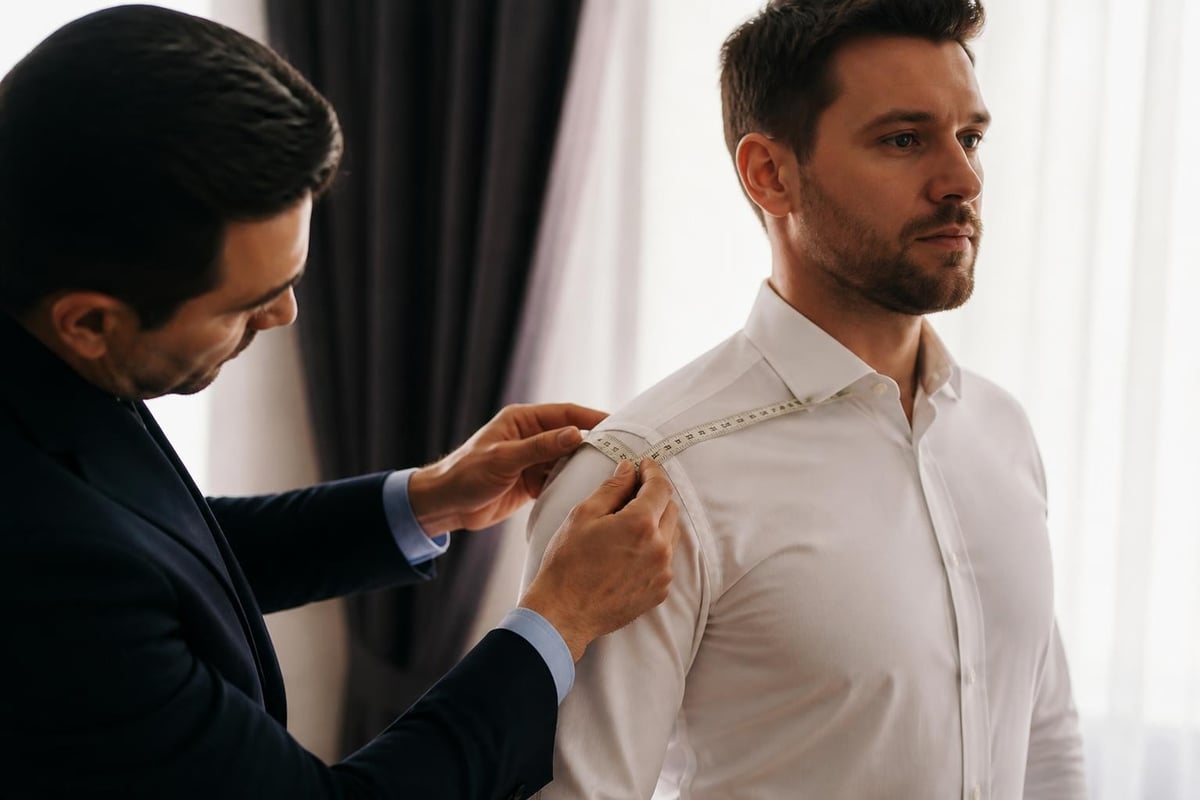
Precision measurements form the foundation of exceptional tailoring. A skilled custom tailor takes between 15 to 30 measurements depending on the garment type, including:
- Shoulder width and slope
- Chest and waist circumference
- Arm length and sleeve pitch
- Back length and posture considerations
- Hip measurements and rise for trousers
- Individual preferences for fit and comfort
These measurements account for natural body asymmetries that standard sizing ignores. Most people have slight differences between their left and right sides, which a custom tailor addresses through expert pattern making and construction techniques.
The Growing Demand for Custom Tailoring
The custom suits market is projected to reach $8.2 billion by 2033 according to comprehensive market analysis, driven by consumers seeking garments that truly fit their bodies and express their individuality. This growth reflects a broader shift toward quality over quantity in personal wardrobes.
Several factors contribute to this resurgence:
- Increased awareness of sustainable fashion and the desire for longer-lasting garments
- Professional demands requiring polished, well-fitted appearances
- Special occasions like weddings, graduations, and milestone celebrations
- Body positivity movements encouraging people of all shapes to access well-fitted clothing
- Remote work transitions prompting wardrobe reassessments and investments in quality pieces
Demographics Driving Growth
The custom tailoring industry has seen particularly strong interest from younger consumers who value personalization and craftsmanship. Industry statistics reveal that demand for sustainable and perfectly fitted clothing continues rising, with digital measurement systems transforming how customers access custom tailoring services.
| Customer Segment | Primary Motivations | Typical Purchases |
|---|---|---|
| Young Professionals | Career advancement, confidence | Suits, dress shirts, trousers |
| Wedding Parties | Special occasion perfection | Suits, tuxedos, dresses |
| Fashion Enthusiasts | Unique style expression | Complete wardrobes, statement pieces |
| Executive Clients | Premium quality, time efficiency | Business wardrobes, travel clothing |
Benefits of Working with a Custom Tailor
Perfect fit stands as the most obvious advantage, but custom tailoring offers numerous benefits that extend far beyond measurements. When you invest in bespoke clothing, you're purchasing garments that complement your specific body type, posture, and proportions.
Quality and Longevity
Custom-tailored garments typically last significantly longer than ready-to-wear alternatives. A skilled custom tailor selects construction methods appropriate for each fabric and use case, incorporating:
- Reinforced stress points at seams and pockets
- Hand-finished buttonholes that withstand years of use
- Quality interfacing and canvas construction
- Proper pattern matching for striped and checked fabrics
These details translate into garments that maintain their shape and appearance through countless wearings and cleanings. The initial investment in custom tailoring often proves more economical over time when considered against replacing poorly fitted, lower-quality items.
Personal Style Expression
Working with a custom tailor allows complete creative control over your wardrobe. Every detail becomes a choice, from lapel width and button selection to pocket styles and lining fabrics. This level of customization enables you to create garments that align perfectly with your aesthetic vision.
For businesses like those serving international clientele in destinations such as Krabi, Thailand, this personalization extends to accommodating various cultural preferences and climate considerations. A custom tailor experienced in serving diverse customers understands how to balance style traditions with practical needs.
What to Expect During Your Custom Tailoring Experience
The journey with a custom tailor typically unfolds across several appointments, each serving a specific purpose in creating your perfect garment. Understanding this process helps set appropriate expectations and ensures satisfaction with the final product.
Initial Consultation
Your first meeting establishes the foundation for the entire project. An experienced custom tailor will:
- Discuss your lifestyle and how you'll use the garment
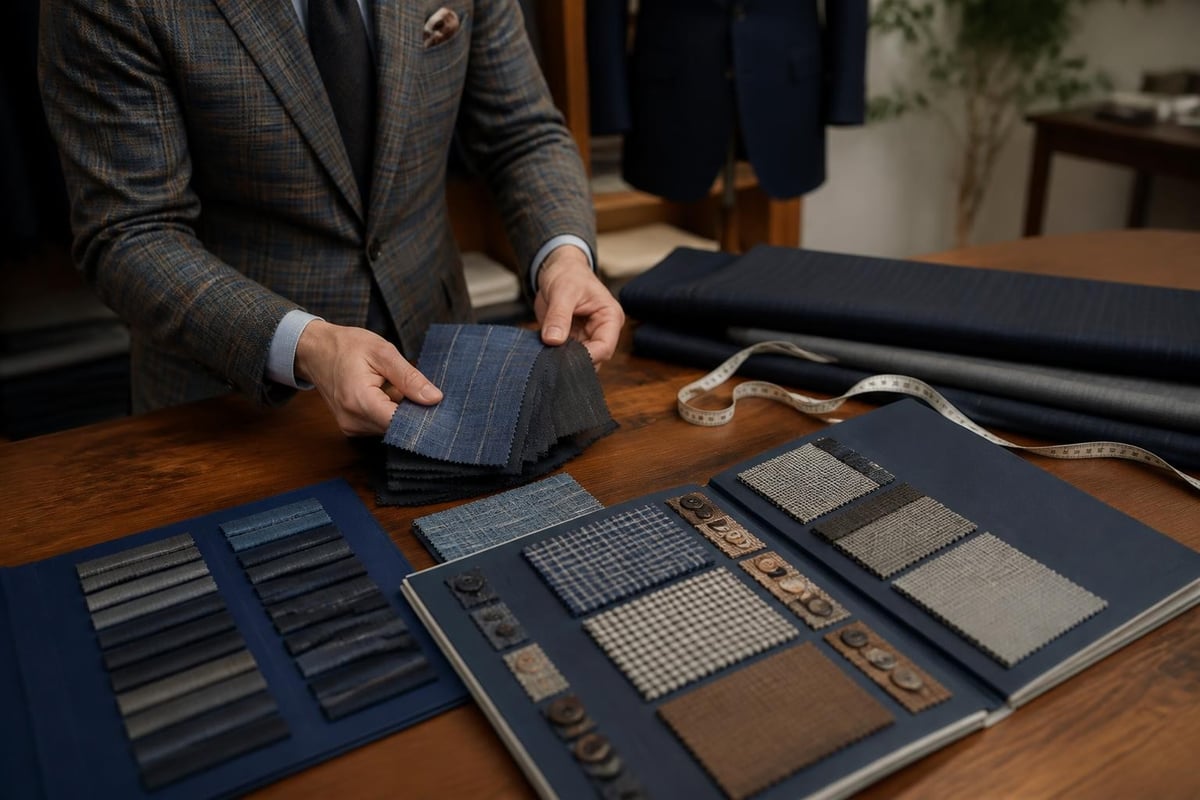
- Review fabric options appropriate for your needs and budget
- Show style examples and design possibilities
- Take comprehensive measurements
- Provide pricing and timeline information
This consultation should feel collaborative rather than transactional. The best custom tailors ask questions that help them understand your preferences and requirements beyond basic measurements.
Fitting Appointments
Most custom garments require one to three fittings, depending on complexity:
- First fitting: Evaluating the basic construction and making initial adjustments
- Second fitting: Refining details and ensuring proper balance
- Final fitting: Making minor tweaks before completion
Each fitting provides opportunities to perfect the garment. An attentive custom tailor encourages honest feedback and remains committed to achieving your complete satisfaction.
Choosing the Right Custom Tailor
Selecting a custom tailor represents an important decision that impacts both immediate results and long-term wardrobe satisfaction. The growing demand for skilled tailors highlights how valuable experienced craftspeople have become in 2026.
Key Evaluation Criteria
| Factor | What to Look For | Why It Matters |
|---|---|---|
| Experience | Years in business, portfolio examples | Ensures refined skills and problem-solving abilities |
| Fabric Selection | Range and quality of materials | Impacts garment appearance and durability |
| Communication | Clear explanations, receptive to questions | Prevents misunderstandings and ensures satisfaction |
| Specialization | Expertise in your desired garment types | Different items require different skill sets |
| Reviews | Customer testimonials and reputation | Validates quality and service standards |
Questions to Ask Prospective Tailors
Before committing to a custom tailor, gather essential information:
- How many years have you been creating custom garments?
- Can I see examples of work similar to what I'm requesting?
- What is your typical timeline from order to completion?
- How many fittings do you include in your process?
- What happens if I'm not satisfied with the final garment?
- Do you offer alterations or adjustments after delivery?
Custom Tailoring for Different Garment Types
A versatile custom tailor possesses expertise across various clothing categories, each requiring specialized knowledge and techniques. Understanding these distinctions helps you appreciate the craftsmanship involved and communicate your needs effectively.
Men's Custom Tailoring
Custom suits remain the flagship offering for most tailoring businesses. Creating a suit involves coordinating jacket and trouser construction, ensuring visual balance between pieces, and achieving proper drape through careful pattern work.
Men's custom shirts present their own challenges, requiring precision in collar construction, shoulder fit, and sleeve pitch. A skilled custom tailor understands how shirt fit affects overall appearance and comfort, particularly when worn under jackets.
Women's Custom Tailoring
Women's bespoke clothing often involves more complex fitting requirements due to greater variation in body shapes and style preferences. A proficient custom tailor working with women's garments must understand:
- Dart placement for optimal shaping
- Fabric behavior across different body curves
- Balance between structure and drape
- Style trends while maintaining timeless appeal
Children's Custom Tailoring
Creating custom garments for children requires different considerations, including growth allowances and durability for active wear. Experienced tailors can incorporate subtle adjustments that extend the useful life of children's clothing without compromising immediate fit.
The Investment in Custom Tailoring
Understanding pricing structures helps set realistic expectations when working with a custom tailor. Costs vary based on several factors, with transparency in pricing indicating a reputable business.
Pricing Considerations
Custom tailoring investments reflect:
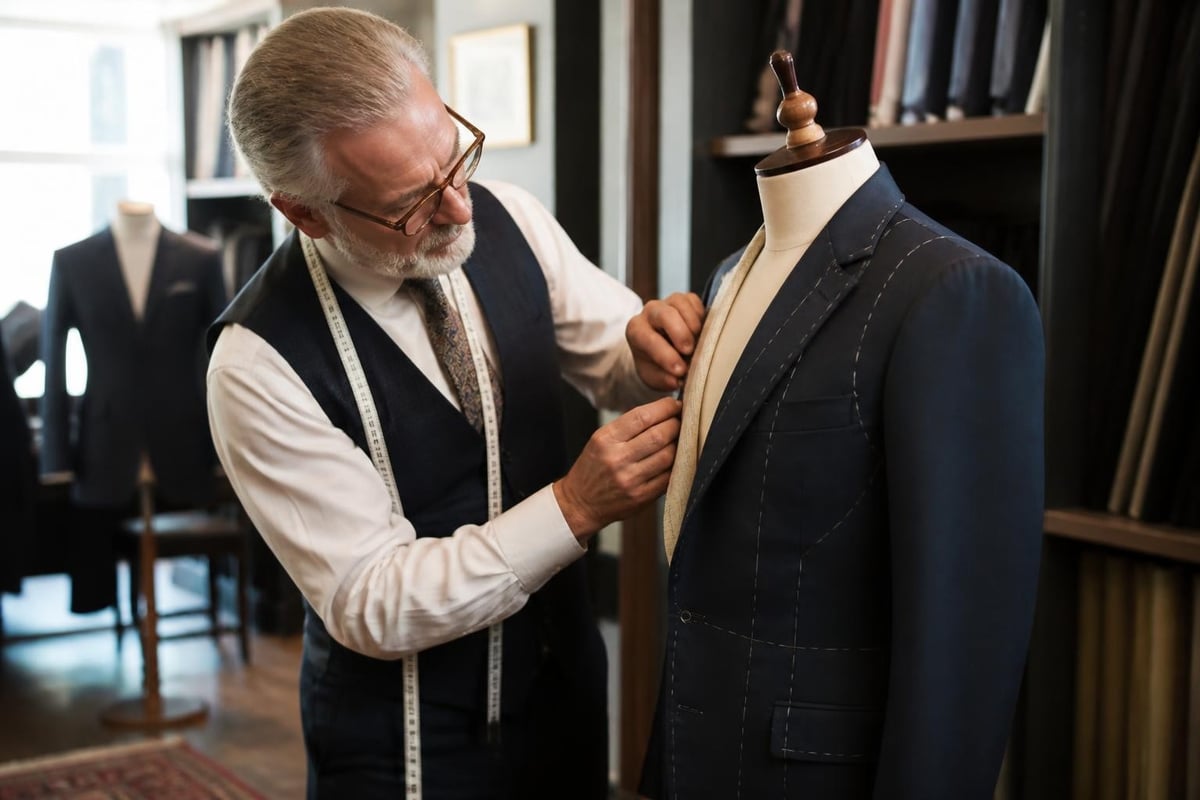
- Fabric selection: Premium materials command higher prices but offer superior appearance and durability
- Construction complexity: Hand-finishing and detailed work increase labor costs
- Garment type: Suits require more time and skill than shirts or trousers
- Experience level: Established tailors with proven expertise typically charge premium rates
- Geographic location: Operating costs influence pricing structures
Value Assessment
Rather than viewing custom tailoring purely as an expense, consider the comprehensive value proposition:
- Cost per wearing: Quality garments last years, reducing per-use costs
- Confidence boost: Well-fitted clothing impacts professional and social success
- Versatility: Properly designed pieces work across multiple occasions
- Satisfaction: Eliminating fit frustrations enhances daily life quality
Industry Trends Shaping Custom Tailoring in 2026
The tailoring profession continues evolving, incorporating technological innovations while preserving traditional craftsmanship. Custom tailoring is experiencing renewed popularity with a 23% year-over-year increase in made-to-measure sales, reflecting changing consumer priorities.
Technology Integration
Modern custom tailors increasingly utilize:
- 3D body scanning for enhanced measurement accuracy
- Digital pattern making systems that store client data for future orders
- Virtual consultations enabling remote service for traveling clients
- Fabric visualization software helping clients preview combinations
- AI-assisted design tools suggesting proportions and style elements
These technologies complement rather than replace skilled craftsmanship. The human element remains irreplaceable in assessing fit nuances and making aesthetic judgments.
Sustainability Focus
Environmental consciousness influences how custom tailors operate and what they offer clients. Sustainable practices include:
- Sourcing ethically produced fabrics
- Creating durable garments that resist fast fashion cycles
- Minimizing waste through precise pattern cutting
- Offering repair and alteration services to extend garment life
- Using natural and biodegradable materials when possible
Building a Relationship with Your Custom Tailor
The most successful custom tailoring experiences develop through ongoing relationships rather than one-time transactions. As your custom tailor becomes familiar with your preferences, body characteristics, and lifestyle, subsequent orders become more efficient and satisfying.
Communication Best Practices
Clear communication ensures optimal results. Share honest feedback during fittings, bring inspiration photos when discussing new projects, and don't hesitate to ask questions about construction methods or care instructions. A professional custom tailor welcomes this engagement as it leads to better outcomes.
Wardrobe Planning
Working with a custom tailor enables strategic wardrobe development. Rather than purchasing complete outfits at once, consider building a versatile collection over time:
- Start with foundational pieces in neutral colors
- Add coordinating items that expand outfit possibilities
- Incorporate seasonal updates and trend-conscious elements
- Replace worn items before they become unusable
This approach distributes costs while ensuring a cohesive, functional wardrobe that serves all your needs.
Caring for Custom-Tailored Garments
Protecting your investment requires proper maintenance and care. A knowledgeable custom tailor provides guidance on preserving garment quality and appearance.
Essential Care Practices
| Care Aspect | Recommendations | Frequency |
|---|---|---|
| Cleaning | Professional dry cleaning preferred | As needed, not after every wear |
| Storage | Wooden hangers, breathable garment bags | Continuous |
| Pressing | Professional pressing or careful home steaming | Before wearing |
| Rotation | Alternate garments to prevent excessive wear | Daily |
| Inspection | Check for loose buttons, minor damage | Monthly |
Regular maintenance prevents minor issues from becoming major problems. Many custom tailors offer complimentary button replacement and minor repairs for their clients, reinforcing the relationship value.
Investing in custom tailoring transforms how you experience clothing, delivering perfect fit, personal style expression, and long-lasting quality that ready-to-wear simply cannot match. Whether you're building a professional wardrobe, preparing for special occasions, or simply appreciating fine craftsmanship, working with an experienced custom tailor ensures satisfaction with every garment. With over 30 years of expertise serving clients in Ao Nang, Krabi, Alex’s Fashion specializes in creating bespoke clothing for men, women, and children using world-class fabrics and meticulous attention to detail. Visit us to experience the difference that true custom tailoring makes in your wardrobe.