
 EN
EN  FR
FR  DE
DE  TH
TH 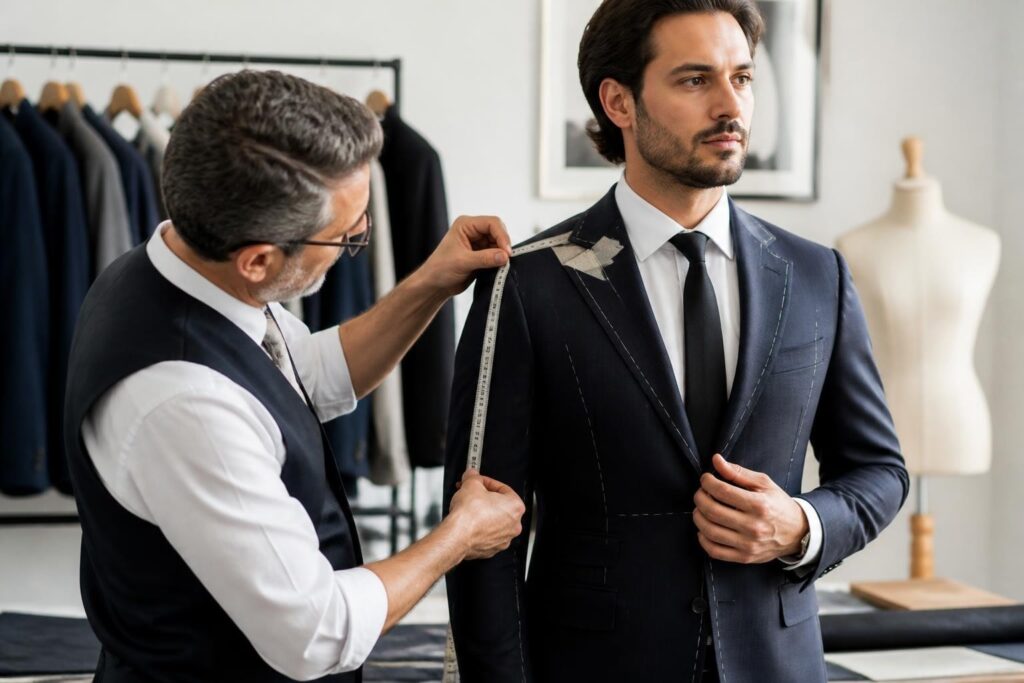
The image of men in tailored suits has long represented the pinnacle of refined style and professional excellence. Unlike off-the-rack alternatives, a bespoke suit transforms the wearer's appearance through precise measurements, carefully selected fabrics, and meticulous construction. In 2026, the demand for personalized clothing continues to grow as discerning individuals recognize that true style cannot be mass-produced. The distinction between a well-fitted suit and an average one becomes immediately apparent in any professional or formal setting, making the investment in custom tailoring one of the most valuable decisions a man can make for his wardrobe.
The Distinctive Advantage of Custom Tailoring
Men in tailored suits project confidence that ready-made garments simply cannot replicate. This advantage stems from the fundamental difference in construction philosophy: while mass-produced suits aim to fit a statistical average, bespoke tailoring addresses the unique proportions of each individual body.
Precision Fit for Every Body Type
Every person possesses distinctive physical characteristics that standard sizing ignores. One shoulder may sit higher than the other, posture variations affect how fabric drapes, and arm lengths rarely match the arbitrary measurements of small, medium, and large categories.
Key fit considerations include:
- Shoulder alignment and slope
- Chest and waist proportions
- Sleeve length and armhole depth
- Trouser rise and inseam measurements
- Jacket length relative to body height
Understanding how to find suits for different body types becomes essential when pursuing the perfect fit. Professional tailors conduct multiple fittings throughout the creation process, making adjustments that account for posture, movement patterns, and personal preferences. This iterative approach ensures that men in tailored suits experience comfort alongside style.
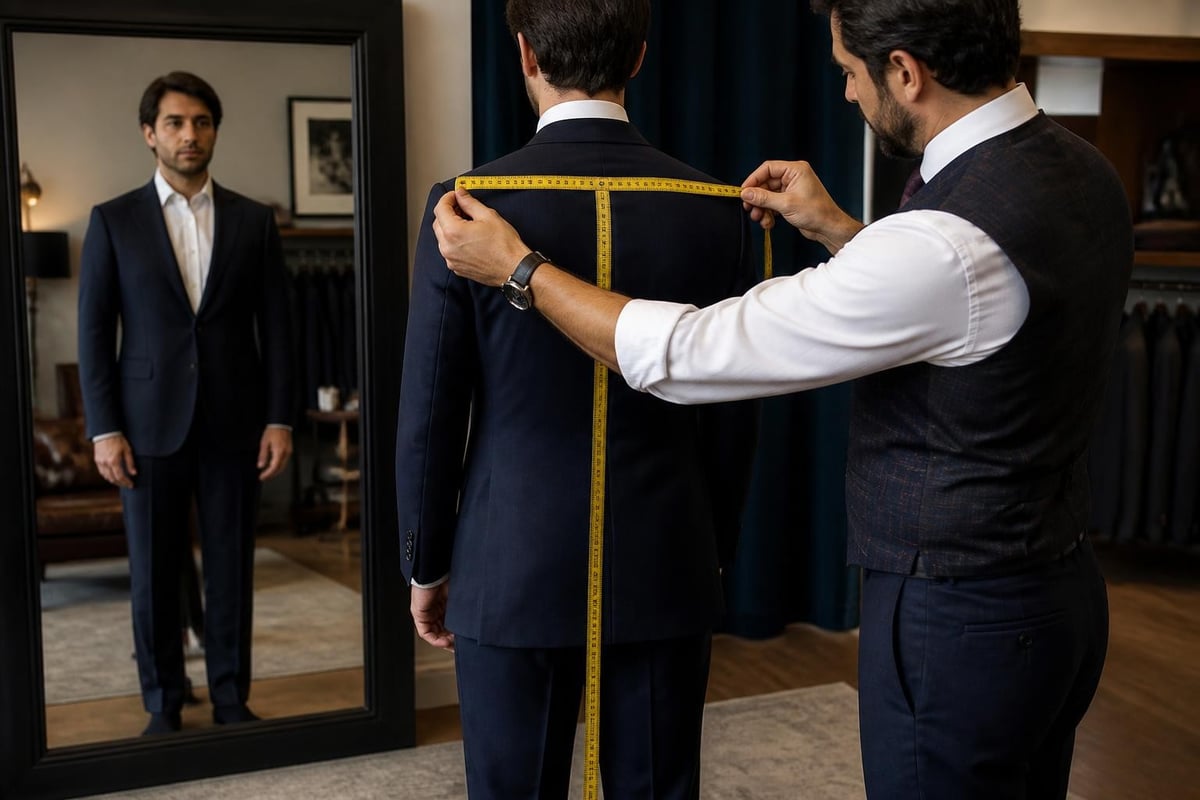
The difference between adequate fit and exceptional fit often measures mere millimeters, yet these subtle distinctions dramatically impact the overall appearance. A collar that sits perfectly against the neck, sleeves that reveal the ideal amount of shirt cuff, and trousers that break exactly at the shoe create a harmonious silhouette impossible to achieve through alterations alone.
Fabric Selection and Quality
Material choice separates ordinary suits from extraordinary ones. Bespoke tailoring provides access to premium fabrics sourced from renowned mills worldwide, offering textures, weights, and finishes unavailable in retail environments.
| Fabric Type | Best Season | Key Characteristics | Typical Weight |
|---|---|---|---|
| Super 100s-120s Wool | Year-round | Durable, versatile, excellent drape | 280-320g |
| Tropical Wool | Spring/Summer | Lightweight, breathable, wrinkle-resistant | 230-260g |
| Flannel | Fall/Winter | Soft texture, warmth, casual elegance | 340-400g |
| Linen Blends | Summer | Cool, textured, relaxed appearance | 250-290g |
| Cashmere Blends | Winter | Luxurious feel, superior insulation | 360-420g |
The weight, weave, and composition of suit fabric directly influence how garments perform in different climates. Thailand's tropical environment, for instance, demands lighter materials with superior breathability. Men in tailored suits who travel frequently benefit from consulting with experienced tailors about fabric performance across various conditions.
The Construction Process Behind Bespoke Excellence
Creating custom suits involves specialized techniques passed down through generations of master tailors. This craftsmanship distinguishes truly bespoke garments from their factory-produced counterparts.
Traditional Versus Contemporary Methods
Modern bespoke tailoring balances heritage techniques with technological innovations. Hand-stitching remains irreplaceable for certain construction elements, while precision cutting tools ensure consistency and accuracy.
Essential construction elements:
- Canvas construction with floating chest pieces that mold to the body
- Hand-sewn buttonholes offering superior durability and finish
- Pick stitching along lapels and edges for structural integrity
- Functional sleeve buttons indicating authentic tailoring
- Properly aligned patterns at seams and pockets
The comprehensive approach to men’s suits reveals how construction quality affects longevity and appearance. Fused suits, common in mass production, rely on adhesive to attach interfacing, which can deteriorate over time. Canvas construction allows the suit to breathe and maintain its shape through years of wear.
Men in tailored suits who understand construction quality make informed decisions about their investments. A well-constructed bespoke suit typically lasts five to ten years with proper care, making the cost-per-wear remarkably economical compared to replacing inferior garments every season.
The Fitting Journey
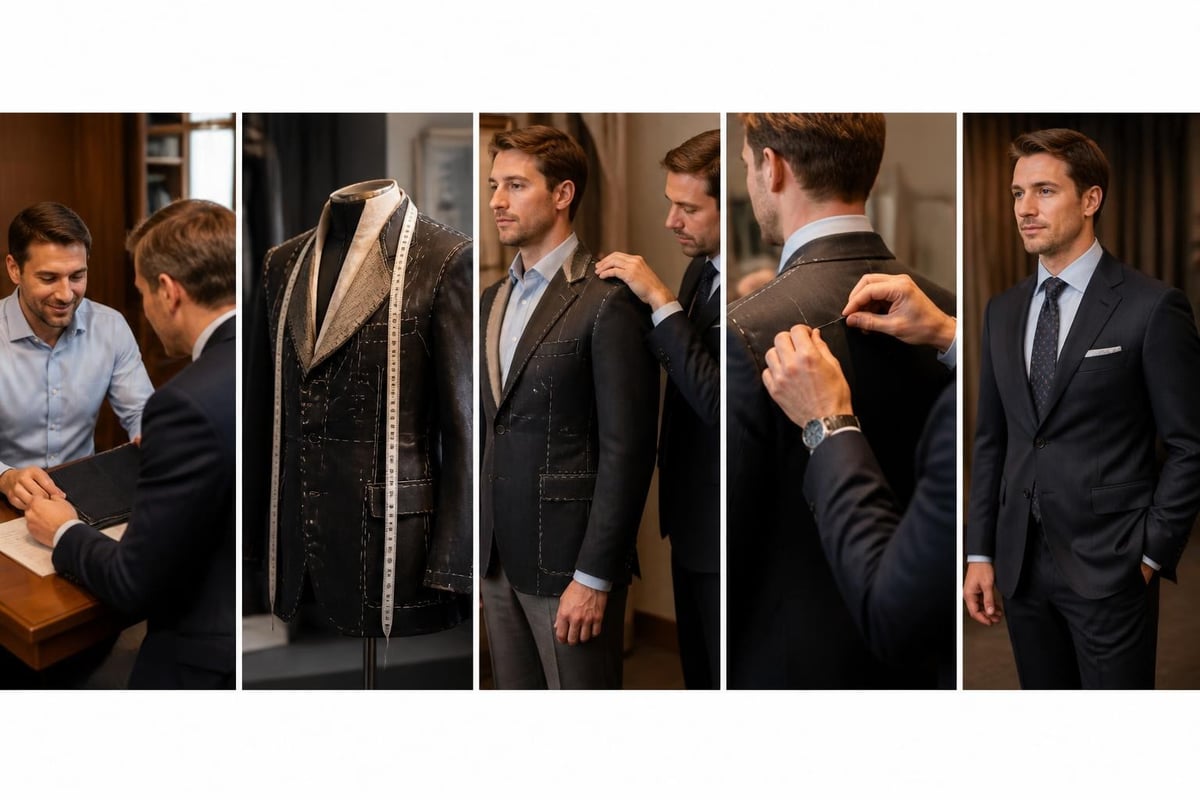
Bespoke tailoring typically requires three to five fittings, each serving specific purposes in the creation process. This timeline varies based on complexity, fabric availability, and customization requests.
First fitting: Pattern verification and initial adjustments
Second fitting: Basted suit assembly for major modifications
Third fitting: Fine-tuning proportions and addressing comfort concerns
Final fitting: Detail refinement and delivery preparation
Each appointment provides opportunities for collaboration between client and craftsman. Experienced tailors at establishments with decades of expertise bring invaluable perspective to style decisions while respecting individual preferences.
Style Considerations for the Modern Professional
Men in tailored suits navigate evolving dress codes while maintaining professional standards. Contemporary workplace culture embraces flexibility, yet certain situations demand traditional formality.
Classic Versus Contemporary Styling
The debate between timeless elegance and modern trends influences every design decision. Understanding core principles helps balance personal expression with professional appropriateness.
| Style Element | Classic Approach | Contemporary Approach |
|---|---|---|
| Lapel Width | 3.5-4 inches | 2.5-3.5 inches |
| Jacket Length | Covers posterior | Slightly shorter, modern cut |
| Trouser Break | Full to medium break | No break to slight break |
| Shoulder Padding | Structured, defined | Natural, soft construction |
| Fit | Traditional, comfortable | Slim, tailored silhouette |
Color selection carries significant implications for versatility and appropriateness. Navy and charcoal gray remain foundational choices, offering maximum flexibility across professional and social occasions. Men in tailored suits building their first bespoke wardrobe should prioritize these versatile options before exploring bolder choices.
The essential rules for purchasing stylish suits emphasize versatility as a primary consideration. A well-chosen suit serves multiple purposes: business meetings, formal events, weddings, and sophisticated social gatherings all become accessible with proper styling adjustments through shirt, tie, and accessory choices.
Seasonal Adaptations
Climate considerations significantly impact fabric choices and styling decisions. Tropical environments require different approaches than temperate regions, affecting everything from material weight to color selection.
Summer suit strategies:
- Lighter fabric weights (240-280g) for breathability
- Lighter colors reflecting heat rather than absorbing it
- Unlined or half-lined jackets for improved ventilation
- Natural fiber compositions promoting moisture management
- Looser weaves enhancing air circulation
Winter suit approaches:
- Heavier fabrics (340-400g) providing insulation
- Darker colors for visual warmth and formality
- Full canvas construction for structure and comfort
- Layering-friendly cuts accommodating sweaters or vests
- Textured materials like flannel adding visual interest
Men in tailored suits who divide time between different climates benefit from building versatile wardrobes addressing varied weather conditions. Strategic fabric selection allows single suits to perform across seasons with appropriate layering and accessory modifications.
The Investment Perspective
Viewing bespoke tailoring through an investment lens reveals long-term value beyond initial costs. Quality craftsmanship, superior materials, and timeless design create garments that transcend seasonal trends.
Cost Analysis and Value Proposition
Understanding the difference between tailored and off-the-rack suits requires examining total ownership costs rather than purchase price alone. A bespoke suit costing three times more than a retail alternative often lasts five times longer while providing superior fit and appearance throughout its lifespan.
Value factors to consider:
- Longevity: Proper construction and quality materials extend wearable life
- Versatility: Perfect fit enables appropriate wear across varied occasions
- Confidence: Superior appearance impacts professional and social interactions
- Alterations: Custom patterns accommodate weight fluctuations more easily
- Satisfaction: Personalized creation ensures alignment with preferences and needs
Men in tailored suits recognize that clothing represents one of the most visible aspects of personal presentation. Professional advancement, client relationships, and social opportunities all connect to the impressions created through appearance. From this perspective, bespoke tailoring becomes not merely an expense but a strategic investment in personal and professional success.
Maintenance and Longevity
Protecting your tailoring investment requires understanding proper care techniques. Even the finest craftsmanship deteriorates without appropriate maintenance practices.
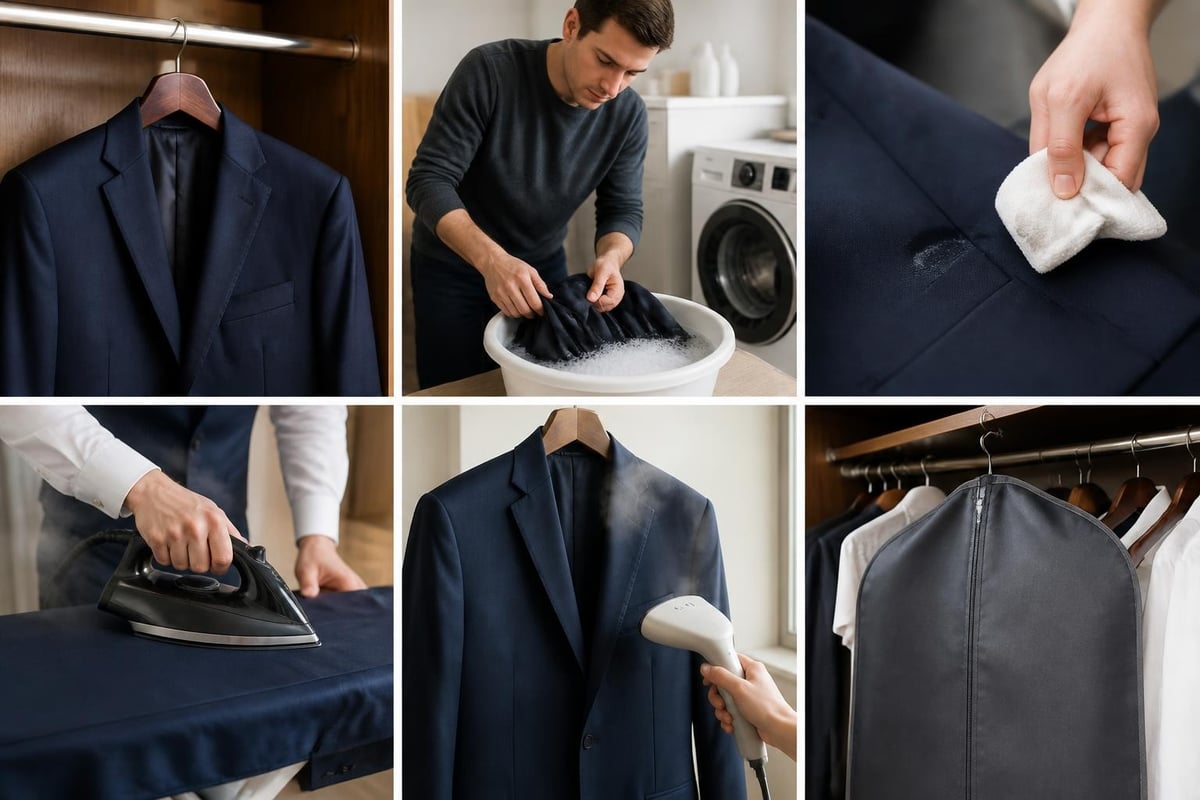
Essential care practices:
- Allow suits to rest 24-48 hours between wears
- Use quality wooden hangers maintaining shoulder shape
- Brush fabric after each use removing dust and debris
- Address stains immediately with appropriate spot treatments
- Professional dry cleaning only when necessary (2-3 times yearly)
- Rotate between multiple suits preventing excessive wear
- Store in breathable garment bags protecting from dust
The historical evolution of men’s suits demonstrates how quality construction enables garments to endure decades when properly maintained. Vintage suits from prestigious makers remain wearable today, testament to superior craftsmanship and materials.
Regional Considerations for Tailoring Excellence
Location significantly influences tailoring traditions, available expertise, and style conventions. Southeast Asian tailoring centers have developed distinctive reputations for combining traditional techniques with modern efficiency.
Thailand's Tailoring Heritage
Thailand has established itself as a premier destination for bespoke menswear, with particular concentrations of skilled craftsmen in tourist-friendly locations. The combination of competitive pricing, world-class fabrics, and experienced tailors attracts clients globally.
Men in tailored suits who visit Thailand for custom clothing benefit from several unique advantages:
Pricing accessibility: Lower labor costs enable bespoke quality at fraction of Western prices
Fabric variety: Direct relationships with international mills provide extensive selection
Experienced craftsmen: Decades of refinement perfecting techniques and customer service
Quick turnaround: Efficient processes accommodating travelers with limited time
Cultural hospitality: Service-oriented approach ensuring customer satisfaction
The concentration of tailoring businesses in areas like Ao Nang, Krabi creates competitive environments driving quality and innovation. Establishments with three decades of experience bring invaluable expertise to every project, understanding both traditional construction and contemporary style preferences.
Choosing the Right Tailor
Selecting a bespoke tailor represents one of the most important decisions in the custom suit journey. Several factors distinguish exceptional craftsmen from adequate alternatives.
Research considerations:
- Experience and reputation: Established businesses with proven track records
- Portfolio quality: Examples demonstrating range and skill level
- Fabric sources: Access to premium materials from recognized mills
- Construction methods: Commitment to canvas construction and hand-finishing
- Communication clarity: Ability to understand and execute client vision
- Guarantee policies: Satisfaction assurances and adjustment commitments
Men in tailored suits who prioritize these factors typically experience superior results and greater satisfaction with their investments. The relationship between tailor and client often extends across years and multiple garments, making initial selection particularly significant.
Style Applications Across Occasions
Understanding appropriate suit selection for different contexts ensures maximum versatility from bespoke investments. Men in tailored suits navigate varied professional and social situations requiring subtle adjustments to formality levels.
Business and Professional Settings
Corporate environments maintain distinct dress codes reflecting company culture, industry standards, and client expectations. Conservative fields like finance and law typically demand traditional styling, while creative industries embrace more experimental approaches.
Professional suit guidelines:
| Industry | Recommended Colors | Appropriate Styles | Fabric Choices |
|---|---|---|---|
| Finance/Banking | Navy, charcoal, dark gray | Conservative, two-button | Smooth worsted wool |
| Legal | Navy, charcoal, black | Traditional, subtle patterns | Fine wool, year-round weight |
| Technology | Gray, blue, earth tones | Modern fit, business casual adaptable | Wrinkle-resistant blends |
| Creative | Broader palette | Contemporary cuts, textured fabrics | Seasonal variations, pattern mixing |
| Consulting | Navy, gray, versatile neutrals | Classic with modern proportions | Travel-friendly performance fabrics |
The versatility of properly tailored suits enables appropriate presentation across contexts with strategic accessory modifications. A navy suit transitions from conservative business meeting to creative presentation through shirt, tie, and pocket square variations.
Social and Formal Events
Beyond professional applications, men in tailored suits attend weddings, galas, cocktail parties, and other social occasions requiring elevated dress standards. Understanding formality gradations prevents style missteps while allowing personality expression.
Event-appropriate selections:
- Black tie events: Dinner jacket (tuxedo) with satin details, formal shirt, bow tie
- Cocktail attire: Dark suit with dressy accessories, optional vest or waistcoat
- Wedding guest: Medium to light colors avoiding white, coordinating with season
- Garden party: Lighter fabrics and colors, potentially bolder patterns
- Evening dinner: Classic dark suit with refined accessories and pocket square
Bespoke tailoring enables subtle customization distinguishing formal wear from business suits. Grosgrain lapels, satin-covered buttons, and special pocket configurations transform similar silhouettes into occasion-specific garments.
The Psychological Impact of Superior Fit
The connection between appearance and confidence has been extensively documented across psychological research. Men in tailored suits consistently report increased self-assurance affecting professional performance and social interactions.
Confidence and Performance
Properly fitted clothing eliminates distractions caused by ill-fitting garments. Concerns about appearance diminish, allowing focus on substantive matters during important meetings, presentations, and negotiations.
Psychological benefits include:
- Enhanced self-perception and positive body image
- Reduced anxiety about professional appearance
- Increased credibility in client and colleague interactions
- Greater willingness to pursue advancement opportunities
- Improved posture and physical presence
The guide to tailoring and fit emphasizes how proper proportions affect not just appearance but also comfort and confidence. Men in tailored suits experience freedom of movement and comfort that poorly fitted alternatives cannot provide, directly impacting performance throughout long workdays.
First Impressions and Professional Presence
Research consistently demonstrates that initial impressions form within seconds and significantly influence subsequent interactions. Professional appearance serves as immediate communication about competence, attention to detail, and respect for occasions and participants.
Men in tailored suits benefit from positive assumptions about their professionalism and capabilities. While superficial, these initial perceptions create opportunities for demonstrating substantive abilities. The alternative-overcoming negative first impressions caused by poor appearance-requires considerably more effort and may never fully succeed.
Investing in bespoke tailoring represents recognition that professional success depends partly on presentation. In competitive environments where multiple candidates possess similar qualifications, superior appearance frequently serves as differentiating factor in hiring, promotion, and client acquisition decisions.
The enduring appeal of men in tailored suits reflects the undeniable impact of superior fit, quality construction, and personalized styling on professional and personal success. Whether building your first bespoke wardrobe or expanding an existing collection, the difference between custom and off-the-rack becomes immediately apparent in how garments look, feel, and perform across varied situations. With over three decades of tailoring expertise, Alex’s Fashion brings world-class craftsmanship and exceptional service to clients seeking the perfect suit. Experience the transformation that comes from clothing created specifically for your unique proportions and style preferences.