
 EN
EN  FR
FR  DE
DE  TH
TH 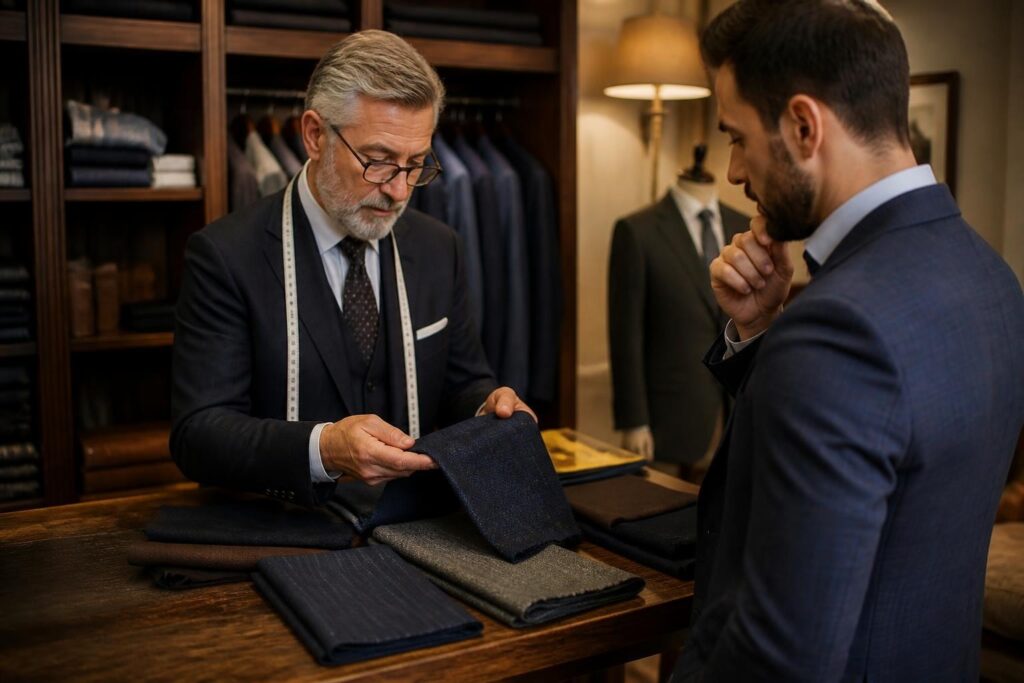
Finding the right bespoke tailor transforms your wardrobe from ordinary to extraordinary. When you discover exceptional craftspeople who understand your style preferences, body measurements, and lifestyle needs, the relationship becomes invaluable. My tailors have become trusted partners in building a wardrobe that reflects personal style while ensuring perfect fit and lasting quality. This relationship between client and craftsperson represents more than simple transactions; it embodies a collaborative journey toward sartorial excellence. Understanding what separates exceptional tailoring from ordinary alterations helps you make informed decisions about where to invest in custom garments. The bespoke tailoring industry continues to thrive in 2026 because discerning clients recognize the irreplaceable value of handcrafted, personalized clothing.
Understanding the Bespoke Tailoring Experience
Bespoke tailoring represents the highest level of custom clothing creation, where every garment is crafted specifically for an individual client from scratch. Unlike made-to-measure or off-the-rack clothing, bespoke pieces involve multiple fittings, hand-stitched details, and complete customization of every design element. My tailors explain that this process typically requires three to five fittings to achieve perfection, ensuring the garment conforms precisely to your unique body shape.
The history of bespoke tailoring reveals how this craft evolved from medieval European guilds into the refined art form practiced today. Traditional techniques passed down through generations combine with modern understanding of fabrics and construction methods. This heritage ensures that when you work with skilled artisans, you benefit from centuries of accumulated knowledge.
Key Elements That Define Quality Bespoke Work
Several distinguishing characteristics separate exceptional bespoke tailoring from standard alterations or made-to-measure services:
- Individual pattern creation designed specifically for your measurements
- Multiple fitting sessions to refine fit and address any adjustments
- Hand-stitching techniques for critical construction points
- Premium fabric selection from world-class mills
- Personalized style consultation throughout the entire process
- Attention to posture corrections and body asymmetries
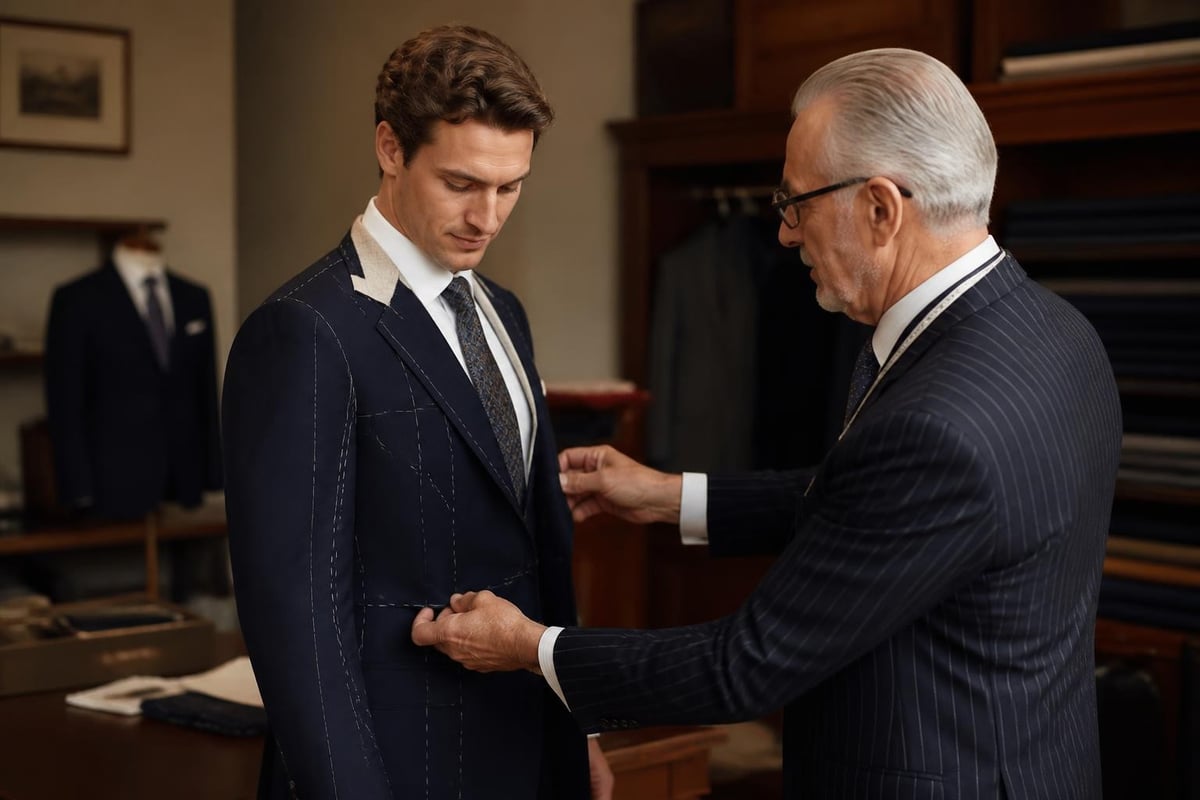
My tailors emphasize that the initial consultation sets the foundation for successful garment creation. During this meeting, craftspeople assess your body measurements, discuss style preferences, review fabric options, and understand your intended use for each piece. This comprehensive approach ensures the final product exceeds expectations.
The Value Proposition of Custom Tailoring
Investing in bespoke garments requires thoughtful consideration of costs versus benefits. The bespoke tailor suit market demonstrates consistent growth as consumers increasingly value quality over quantity. Market analysis indicates that clients recognize long-term value in well-constructed custom pieces that outlast mass-produced alternatives.
| Aspect | Bespoke Tailoring | Off-the-Rack | Made-to-Measure |
|---|---|---|---|
| Fit Precision | Perfect, custom pattern | Approximate sizing | Modified standard pattern |
| Construction | Hand-stitched details | Machine-made | Mostly machine-made |
| Fabric Selection | Unlimited options | Limited collection | Curated selection |
| Customization | Complete freedom | None | Limited options |
| Longevity | 10-20+ years | 2-5 years | 5-10 years |
| Price Range | Premium investment | Budget-friendly | Mid-range |
My tailors often work with clients who initially question whether custom clothing justifies the investment. The answer becomes clear after experiencing the difference in fit, comfort, and durability. A well-constructed bespoke suit can serve you for decades with proper care, making the cost-per-wear remarkably economical.
Understanding the True Cost of Quality
When evaluating bespoke tailoring services, several factors influence pricing. Fabric quality represents a significant component, with premium materials from renowned mills commanding higher prices. Labor intensity also affects costs, as skilled craftspeople dedicate substantial time to pattern-making, cutting, hand-stitching, and conducting multiple fittings.
The number of fittings, complexity of design, and specialized details like hand-sewn buttonholes or customized linings all contribute to final pricing. My tailors maintain transparent pricing structures, ensuring clients understand exactly what they receive for their investment.
Selecting the Right Tailor for Your Needs
Choosing exceptional bespoke tailors requires research and personal consultations. Experience level significantly impacts the quality of finished garments, with established craftspeople bringing decades of refined skills to each project. Look for tailors who demonstrate extensive portfolios, positive client testimonials, and willingness to discuss their training and background.
Communication style matters tremendously in the client-tailor relationship. My tailors succeed because they listen carefully to client preferences while offering professional guidance based on their expertise. This balance between respecting client vision and providing expert advice produces optimal results.
Questions to Ask During Initial Consultations
Before committing to a bespoke tailor, gather essential information through targeted questions:
- How many years of experience do you have in bespoke tailoring?
- What is your training background and apprenticeship history?
- How many fittings are included in your standard process?
- What fabric sources do you work with regularly?
- Can you provide references from existing clients?
- What is your typical timeline from first consultation to finished garment?
- How do you handle adjustments if fit isn't perfect initially?
My tailors welcome these questions, viewing them as signs of informed, serious clients who value quality craftsmanship. Reputable professionals readily share their credentials and explain their processes in detail.
The Fitting Process and Timeline Expectations
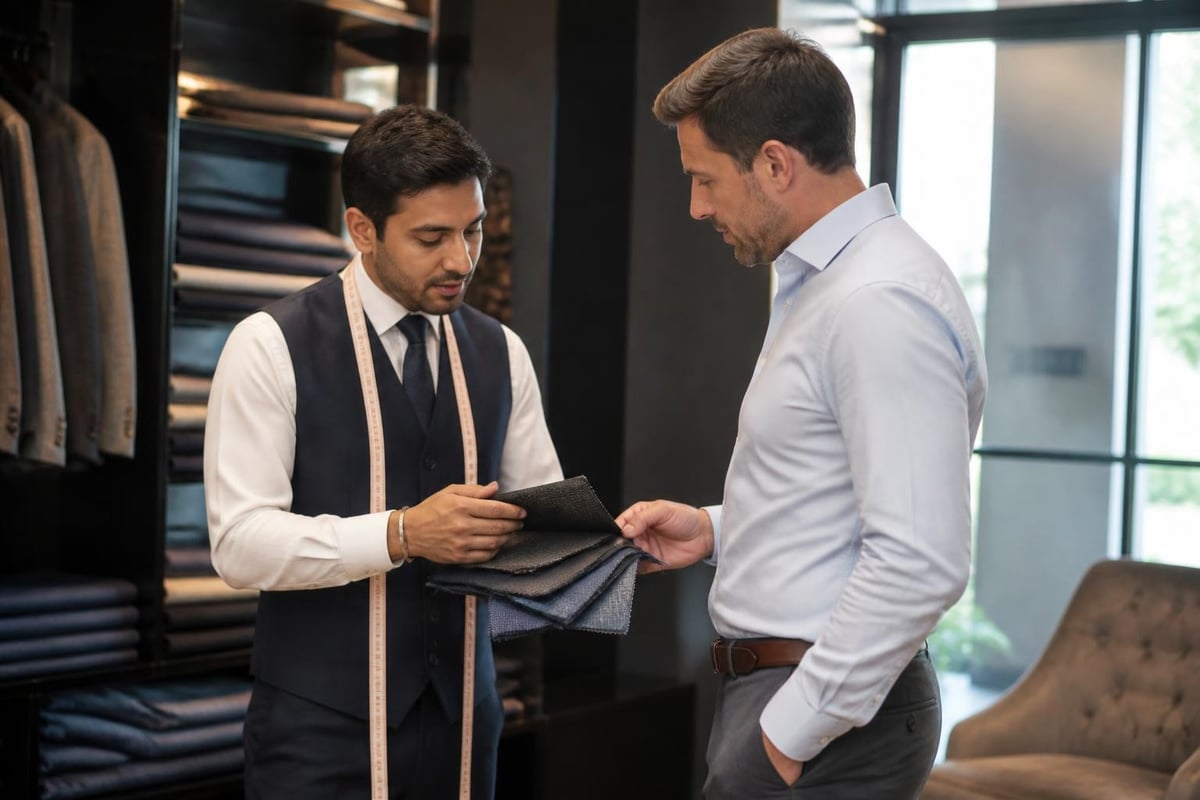
Understanding the bespoke tailoring timeline helps manage expectations and schedule appropriately. The evolving world of bespoke tailoring shows how modern craftspeople balance traditional methods with efficiency improvements. Most quality bespoke suits require six to twelve weeks from initial consultation to final delivery.
The first fitting typically occurs after pattern creation and initial construction of the garment shell. My tailors use this session to assess overall fit, shoulder placement, sleeve length, and torso proportions. Adjustments noted during this fitting are incorporated before the second session.
The Multi-Fitting Advantage
Each fitting serves specific purposes in refining garment perfection:
First Fitting (Basted Garment)
- Assess basic fit and proportions
- Confirm style details match expectations
- Identify major adjustment areas
- Review fabric drape and movement
Second Fitting (Forward Fitting)
- Verify corrections from first fitting
- Fine-tune collar, lapels, and shoulder details
- Check sleeve pitch and button placement
- Assess overall balance and silhouette
Final Fitting
- Confirm all adjustments are perfect
- Check finishing details and hand-work
- Ensure complete client satisfaction
- Make any minor final tweaks
My tailors sometimes recommend a fourth fitting for particularly complex garments or clients with challenging fit requirements. This dedication to perfection distinguishes exceptional craftspeople from those who rush the process.
Fabric Selection and Material Knowledge
Premium fabrics form the foundation of exceptional bespoke garments. My tailors maintain relationships with world-class fabric mills, providing access to materials that surpass typical retail offerings. Understanding fabric weight, weave, composition, and appropriate applications helps clients make informed selections.
Wool remains the predominant choice for suits and formal wear, with Super numbers indicating fiber fineness. Higher Super numbers create softer, more luxurious fabrics, though they may sacrifice durability. My tailors help clients balance aesthetic preferences with practical considerations based on garment usage.
| Fabric Type | Best Applications | Characteristics | Seasonality |
|---|---|---|---|
| Super 100s-120s Wool | Business suits, year-round wear | Durable, holds shape well | All seasons |
| Super 130s-150s Wool | Special occasion suits | Luxurious feel, delicate | Moderate climates |
| Linen Blends | Tropical suiting | Breathable, natural texture | Spring/Summer |
| Wool-Silk Blends | Evening wear, special events | Lustrous finish, drapes beautifully | Cool weather |
| Cotton | Shirts, casual jackets | Comfortable, versatile | Warm weather |
Clients visiting tropical destinations or residing in warm climates require different fabric considerations than those in temperate regions. My tailors specialize in recommending appropriate materials for the Krabi climate, ensuring comfort without sacrificing style.
Style Guidance and Design Customization
Working with skilled bespoke tailors provides access to expert style consultation beyond mere measurement-taking. My tailors study each client's lifestyle, professional requirements, personal aesthetic, and existing wardrobe to recommend designs that enhance their overall presentation. This holistic approach ensures new garments integrate seamlessly with existing pieces.
Classic styling choices typically provide longer-lasting value than trendy details that quickly become dated. However, incorporating subtle contemporary elements keeps garments feeling current. My tailors excel at balancing timeless construction with modern proportions that flatter contemporary body types.
Customization Options Worth Considering
The beauty of bespoke tailoring lies in unlimited customization possibilities:
- Lapel width and style (notch, peak, shawl)
- Number and placement of buttons
- Pocket styles and configurations
- Lining fabric and pattern selection
- Vent options (single, double, none)
- Trouser pleating and break preferences
- Personalized monogramming placement
- Contrasting buttonholes or stitching
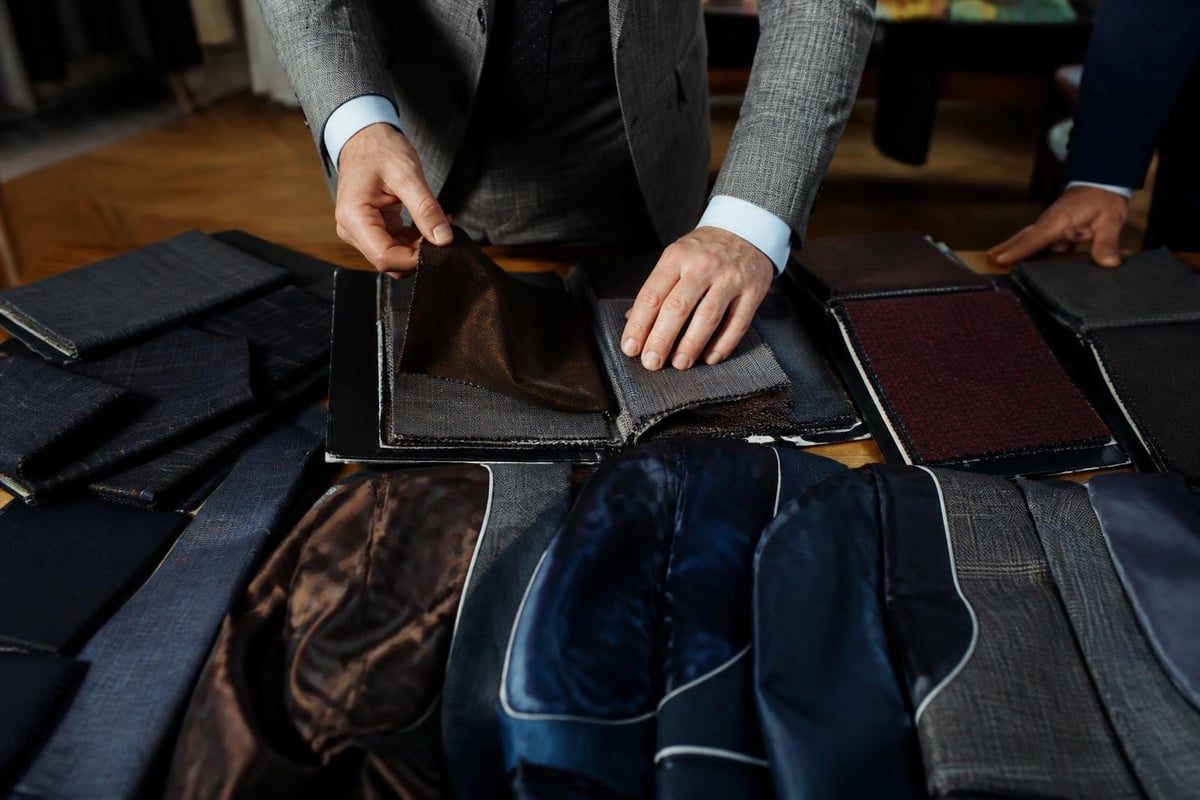
My tailors guide clients through these decisions without overwhelming them, explaining how each choice affects the garment's overall appearance and functionality. First-time bespoke clients particularly benefit from this educational approach.
Building Long-Term Relationships with Craftspeople
The client-tailor relationship deepens over time as craftspeople become intimately familiar with your preferences, measurements, and style evolution. My tailors maintain detailed records of each client's measurements, fabric selections, and style preferences, streamlining future orders and ensuring consistency across garments.
According to tailoring industry statistics, repeat clients form the foundation of successful bespoke businesses. This loyalty stems from trust in craftsmanship quality and appreciation for personalized service that recognizes individual needs. Established clients often find that subsequent garments require fewer fittings as tailors refine their understanding of body characteristics.
Regular clients also gain priority scheduling during busy periods and first access to new fabric collections. My tailors value these ongoing relationships, often developing friendships that extend beyond business transactions. This personal connection enhances the entire bespoke experience.
Caring for Your Bespoke Wardrobe Investment
Proper maintenance extends the lifespan of custom garments significantly. My tailors provide detailed care instructions specific to each piece, considering fabric composition and construction techniques. Professional dry cleaning remains essential for suits and formal wear, though frequency should be limited to prevent unnecessary wear on delicate fibers.
Between cleanings, allow garments to air out on proper hangers in well-ventilated spaces. Wooden suit hangers with broad shoulders maintain garment shape, while trouser bars prevent creasing. Brush suits gently with a soft-bristle garment brush after each wear to remove surface dust and refresh fibers.
Storage and Seasonal Rotation
Proper storage protects your investment during off-seasons:
- Clean all garments before long-term storage to remove oils and stains
- Use breathable garment bags instead of plastic covers
- Store in climate-controlled environments away from direct sunlight
- Add cedar blocks or sachets to deter moths naturally
- Rotate hanging positions periodically to prevent permanent creasing
- Inspect stored items seasonally for any needed repairs
My tailors offer alteration and repair services to maintain garments throughout their lifespan. Minor adjustments for weight fluctuations or worn components ensure pieces continue serving you well for decades.
The Future of Bespoke Tailoring in 2026
The bespoke tailoring industry demonstrates remarkable resilience and growth despite fast-fashion dominance. Luxury fashion trends in 2025 indicate strong consumer preference for craftsmanship, heritage brands, and personalized items over mass-produced alternatives. This shift benefits skilled craftspeople who maintain traditional techniques while embracing beneficial modern innovations.
Digital tools now assist with precise measurements and virtual consultations, though they complement rather than replace hands-on craftsmanship. My tailors utilize technology to enhance client communication and streamline administrative processes, dedicating saved time to actual garment construction.
Sustainability considerations increasingly influence client decisions, with bespoke tailoring offering inherently eco-friendly advantages. Custom garments created for longevity contrast sharply with disposable fast-fashion items. My tailors emphasize natural fibers, local production, and timeless styling that resists obsolescence.
The question "is bespoke tailoring worth offering in 2026" receives affirmative answers from industry analysts who recognize growing demand for personalized, quality clothing. Discerning consumers increasingly value the perfect fit, superior construction, and individual expression that only bespoke tailoring provides.
Regional Considerations for Tropical Tailoring
Clients in tropical climates like Thailand require specialized knowledge from their bespoke tailors. Fabric selection becomes particularly critical, as heavy materials unsuitable for warm, humid conditions create discomfort regardless of perfect construction. My tailors possess extensive experience creating garments that maintain formality and style while accommodating tropical weather.
Lightweight wool blends, linen, and breathable cotton fabrics work exceptionally well in warm climates. Construction techniques also adapt, with partial or unlined jackets providing necessary structure without excessive heat retention. Strategic venting and looser weaves enhance air circulation.
International clients visiting Ao Nang often discover that tropical-weight bespoke garments offer surprising versatility. These pieces transition effectively to air-conditioned indoor environments while remaining comfortable outdoors. My tailors create wardrobes that function across varied settings without requiring complete seasonal replacements.
Finding exceptional bespoke tailors transforms your relationship with clothing, providing perfect fit, superior quality, and personalized service that mass-produced garments cannot match. Whether you're building a professional wardrobe, preparing for special occasions, or simply appreciating fine craftsmanship, the investment in custom tailoring delivers lasting value. With over 30 years of experience creating tailor-made clothing for men, women, and children, Alex’s Fashion combines traditional craftsmanship with world-class fabrics to ensure your complete satisfaction with every garment. Visit our Ao Nang location to experience the difference that exceptional bespoke tailoring makes in your wardrobe.