
 EN
EN  FR
FR  DE
DE  TH
TH 
Fashion tailoring is transforming at an unprecedented pace as we approach 2026. The demand for innovative, personalized garments is driving the rise of new fashion tailoring, powered by cutting-edge technologies and a strong focus on sustainability. From AI-driven design to eco-friendly materials, the tailoring industry is embracing change like never before. Mastering new fashion tailoring techniques and staying ahead of current trends is essential for both professionals and enthusiasts seeking a competitive edge. In this guide, we explore the latest tailoring trends, groundbreaking technologies, sustainable practices, expert advice, and what the future holds for fashion tailoring.
The Evolution of Fashion Tailoring: 2020–2026
The landscape of new fashion tailoring has transformed remarkably between 2020 and 2026. Professionals and clients alike have witnessed a shift not just in design, but in the entire tailoring process. This period marks a convergence where classic techniques meet digital innovation, creating a vibrant ecosystem for both creativity and efficiency.

Key Milestones in Tailoring Advancements
Over the past six years, new fashion tailoring has undergone key milestones that redefined industry standards. The transition from purely bespoke, hand-stitched garments to technology-assisted processes has been profound.
- Major fashion houses have introduced digital pattern-making, improving accuracy and reducing turnaround times.
- There is a visible rise in gender-inclusive and adaptive clothing, meeting diverse client needs.
- Integration of 3D design software has enabled rapid prototyping and fewer physical samples.
These advancements have made new fashion tailoring more accessible, adaptable, and responsive to changing trends.
Impact of Global Events on Tailoring
Recent global events, particularly the pandemic, have significantly shaped new fashion tailoring. With in-person fittings restricted, remote consultations and virtual fittings surged by 40% in 2024 (Statista).
Local production became a priority as supply chain disruptions highlighted the need for resilience. Many tailors adopted on-demand methods, reducing inventory and focusing on local artisanship. The result is a more agile, customer-centric new fashion tailoring model that can quickly respond to external pressures.
Consumer Expectations and Personalization
Consumers now expect hyper-personalized experiences in new fashion tailoring. Brands have responded by introducing 3D body scanning, allowing precise measurements without multiple fittings.
- Customization goes beyond fit, with clients choosing fabrics, linings, and even digital monograms.
- Brands have invested in interactive platforms for real-time design collaboration.
This push for personalization has elevated the entire client journey, making new fashion tailoring uniquely tailored to individual preferences.
Integration of Technology in Tailoring
Technology is at the heart of new fashion tailoring. AI-driven tools assist with fabric selection and style recommendations, while digital design platforms simplify the experience for both tailors and clients.
- AI algorithms analyze client data to predict style preferences.
- Virtual fitting rooms allow instant feedback and remote participation.
- Digital catalogs and swatch libraries enhance selection.
These advancements ensure new fashion tailoring remains efficient, client-focused, and innovative.
Key Arguments and Insights
The defining feature of new fashion tailoring is the blend of tradition and innovation. Successful hybrid tailoring businesses leverage both handcraft and advanced technology, offering a holistic experience.
Industry leaders, as highlighted in the Tailoring Services Overview, demonstrate how integrating digital consultations, pattern-making, and classic tailoring skills creates a seamless process. This evolution ensures that new fashion tailoring continues to meet the demands of a rapidly changing world while honoring the artistry at its core.
Cutting-Edge Technologies Revolutionizing Tailoring
The landscape of new fashion tailoring is undergoing a remarkable transformation, driven by digital innovation and smart solutions. Today's tailors are blending time-honored skills with state-of-the-art technologies, setting a new benchmark for precision, personalization, and sustainability.
3D Body Scanning and Fit Technology
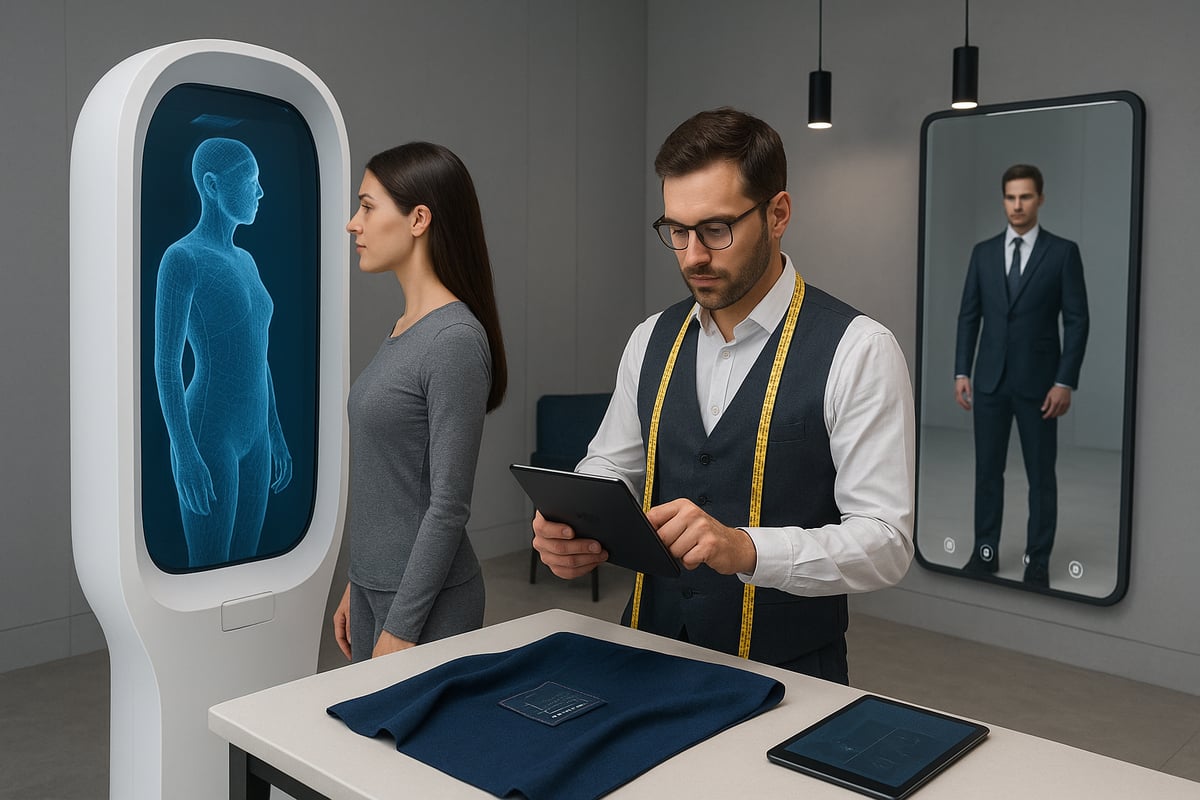
One of the most impactful advancements in new fashion tailoring is 3D body scanning. This technology captures precise body measurements, enabling tailors to create perfectly fitted garments with minimal alterations.
Brands leveraging 3D body scanning can offer:
- Custom-fit clothing for diverse body types
- Reduced returns and alterations
- Enhanced client satisfaction
For example, luxury tailors adopting 3DLOOK's platform have streamlined their measurement process, making new fashion tailoring more efficient and inclusive. The result is a seamless experience that caters to the growing demand for personalization.
Artificial Intelligence in Design and Customization
Artificial intelligence is at the core of new fashion tailoring, powering everything from fabric selection to predictive trend analysis. AI-driven pattern generation allows designers to experiment with unique silhouettes while ensuring optimal fit.
According to a recent survey, 55 percent of leading tailors rely on AI for creative and operational tasks. This shift boosts efficiency and creativity, allowing for rapid prototyping and on-demand customization. For a deeper look at how AI is reshaping the industry, explore AI-Driven Design and Virtual Prototyping, which details the integration of virtual prototyping and advanced pattern optimization in tailoring.
Virtual Reality and Augmented Reality Fittings
Virtual reality and augmented reality are transforming the fitting process in new fashion tailoring. Clients can now participate in virtual try-ons and remote fitting sessions from anywhere in the world.
Key benefits include:
- Real-time garment visualization
- Reduced need for in-person appointments
- Enhanced global accessibility
Flagship tailoring boutiques are investing in AR mirrors, allowing customers to preview custom designs instantly. This technology bridges the gap between digital convenience and the personalized touch of traditional tailoring.
Smart Fabrics and Wearable Tech
New fashion tailoring is embracing smart fabrics and wearable technology to enhance both comfort and functionality. Materials embedded with sensors can monitor temperature, movement, and even vital signs, tailoring each garment to the wearer's lifestyle.
Innovative examples include:
- Temperature-regulating textiles for all-day comfort
- Health-monitoring features in formalwear
- Responsive fabrics that adapt to environmental changes
These advancements ensure that new fashion tailoring not only looks exceptional but also delivers on performance and wellbeing.
Digital Supply Chains and On-Demand Production
Digital supply chains are revolutionizing the efficiency and transparency of new fashion tailoring. With blockchain technology, every step of the sourcing and manufacturing process is traceable, ensuring ethical practices and authenticity.
On-demand production models minimize waste and accelerate delivery times, allowing tailors to respond swiftly to client needs. This approach supports the growing expectation for speed and sustainability in new fashion tailoring, creating a more agile and responsible industry.
Key Arguments and Perspectives
The convergence of cutting-edge technology and traditional craftsmanship is defining the future of new fashion tailoring. While tools like AI, 3D scanning, and smart fabrics enable unprecedented creativity and efficiency, the human element remains vital.
Successful tailoring businesses are those that balance innovation with artisanal skill, offering clients both advanced solutions and a personalized experience. As the industry evolves, adaptability and a commitment to quality will set new fashion tailoring leaders apart.
Sustainable Tailoring: Eco-Friendly Practices in 2026
Sustainability stands at the heart of new fashion tailoring in 2026. Eco-conscious material selection has become a defining feature for brands aiming to minimize their environmental impact. Designers increasingly use organic cotton, recycled synthetics, and biodegradable fabrics such as hemp and bamboo blends in luxury suits. These choices not only reduce resource consumption but also deliver refined comfort and style. For a deeper look at innovative fabrics and eco-friendly practices, explore Sustainable Fashion Trends 2026, which highlights the latest materials shaping the industry.

Eco-Conscious Material Selection
The adoption of sustainable textiles is essential to new fashion tailoring. Brands prioritize fibers that are renewable and non-toxic. Designers favor organic cotton, Tencel, and regenerated nylon, each offering durability and a reduced ecological footprint.
- Organic cotton: grown without harmful pesticides
- Hemp: requires minimal water and grows quickly
- Recycled polyester: reduces plastic waste
These materials ensure that new fashion tailoring delivers both elegance and responsibility. Clients now request detailed sourcing information, making transparency a vital selling point for luxury and emerging labels alike.
Low-Impact Production Techniques
Low-impact production methods are reshaping new fashion tailoring. Waterless dyeing and digital printing dramatically cut water and chemical use. Zero-waste pattern cutting, supported by 3D patterning, reduces fabric scraps by up to 30 percent, according to McKinsey 2025.
A typical workflow might include:
- 3D digital garment design
- Laser cutting to minimize waste
- Digital printing for precise color application
Such advancements in new fashion tailoring not only conserve resources but also streamline the creative process for designers and tailors.
Circular Fashion and Garment Longevity
Circularity is a guiding principle in new fashion tailoring. Brands now design garments for extended life, offering repair services and encouraging upcycling. Some luxury houses provide lifetime repair guarantees, fostering a culture of longevity.
Key initiatives in circular new fashion tailoring:
- Reinforced seams and modular components for easy repair
- Take-back programs for end-of-life recycling
- Upcycling workshops for clients
These practices extend the value of each piece and reduce the volume of discarded clothing, supporting a more sustainable industry.
Ethical Sourcing and Transparency
Ethical sourcing is non-negotiable for new fashion tailoring brands. Blockchain technology tracks fabric origins and labor conditions, offering clients real-time traceability. This level of transparency is demanded by a growing segment of ethically minded consumers.
Tailors also educate clients about garment care, helping ensure longevity and reduce unnecessary waste. Workshops on sustainable wardrobe management empower clients to make informed choices and extend the life of their tailored garments.
Key Perspectives and Insights
Sustainability in new fashion tailoring is now a competitive advantage. Early adopters benefit from increased brand loyalty and market differentiation. However, challenges remain, such as the higher cost of eco-friendly materials and the need for ongoing consumer education.
In summary, the industry’s future relies on balancing innovation, transparency, and responsibility. By committing to sustainable practices, new fashion tailoring leaders are setting the standard for a greener, more ethical era.
The New Tailoring Process: Step-by-Step Guide for 2026
The landscape of new fashion tailoring in 2026 is defined by a seamless blend of tradition and technology. For anyone seeking a tailored garment, the journey is now more interactive, sustainable, and precise than ever. This guide walks you through the six essential steps shaping the future of new fashion tailoring, ensuring every piece reflects both personal style and cutting-edge innovation.

Step 1: Digital Consultation and Style Assessment
The first step in new fashion tailoring begins with a virtual consultation. Clients connect with tailors through secure online platforms, often from the comfort of their homes. AI-powered questionnaires gather style preferences, body shape data, and lifestyle needs.
Mood boards and interactive style quizzes help clarify vision and expectations. This digital-first approach removes geographical barriers, allowing clients worldwide to access top tailoring talent. The use of technology at this stage sets the tone for a highly personalized new fashion tailoring experience.
Step 2: 3D Body Scanning and Measurements
Accurate measurements are the foundation of new fashion tailoring. In 2026, clients can visit a studio or use a mobile app for 3D body scanning. This technology captures precise body data within seconds, ensuring a perfect fit.
The process is contactless and convenient, eliminating the risk of human error. Tailors receive a digital avatar of the client, which is used throughout the design and fitting stages. As a result, the new fashion tailoring process significantly reduces the need for multiple alterations and fittings.
Step 3: Fabric and Design Customization
Customization is at the heart of new fashion tailoring. Digital swatch libraries allow clients to browse fabrics, colors, and patterns with lifelike accuracy. Augmented reality previews display how different options will look on the client’s digital avatar.
AI-driven recommendations suggest fabrics that match both style and function. Leading brands, such as those offering Custom-Made Suits in Ao Nang, showcase how technology enables clients to personalize linings, buttons, and monograms. This step empowers clients to co-create their garments, making each new fashion tailoring project truly unique.
Step 4: Pattern Creation and Virtual Fittings
Once design choices are finalized, computer-aided design (CAD) software generates custom patterns. Virtual reality fitting rooms enable clients to see and adjust their garments in real time, using their digital avatars.
Instant feedback and avatar adjustments help perfect the fit before any fabric is cut. This approach minimizes material waste and streamlines production. The integration of digital tools at this stage elevates the precision and efficiency of new fashion tailoring.
Step 5: Sustainable Production and Quality Control
Sustainability is a core principle of new fashion tailoring. On-demand manufacturing ensures garments are produced only as needed, reducing excess inventory. Eco-friendly materials and digital quality control processes are standard.
RFID tags track each garment’s progress, providing transparency and accountability. Smart production practices not only minimize environmental impact but also maintain high standards of craftsmanship. The new fashion tailoring process thus aligns with both client values and industry best practices.
Step 6: Delivery, Aftercare, and Feedback Loops
The journey concludes with smart packaging and digital aftercare. Clients receive personalized online guides for garment care, extending the life of their investment. Feedback is collected through online platforms, enabling continuous improvement.
Some brands offer digital wardrobe management tools, helping clients track their tailored pieces and plan future orders. This final stage ensures that new fashion tailoring is not just a transaction but an ongoing relationship, fostering loyalty and satisfaction.
Trends Shaping Fashion Tailoring in 2026 and Beyond
The landscape of new fashion tailoring in 2026 is marked by dynamic shifts that reflect both cultural changes and technological breakthroughs. These trends are redefining how garments are designed, produced, and experienced by clients worldwide.
Hyper-Personalization and Bespoke Experiences
Personalization is at the core of new fashion tailoring, as clients increasingly seek garments that reflect their unique identity. Tailors now offer micro-customization options, such as custom linings, monograms, or even personalized garment signatures.
Clients can collaborate directly with designers to create pieces that fit both their body and lifestyle. Digital tools help capture style preferences, ensuring each piece is truly one of a kind.
This approach to new fashion tailoring not only elevates the client experience but also builds lasting relationships between tailors and their clientele.
Genderless and Adaptive Tailoring
Inclusivity is a defining feature of new fashion tailoring in 2026. Brands are designing clothing that transcends traditional gender boundaries, offering universal sizing and adaptive features for diverse needs.
Adaptive tailoring incorporates adjustable closures, sensory-friendly fabrics, and easy-to-wear designs, making high-quality fashion accessible to all. For example, the rise of Women’s Fashion Suits demonstrates the industry's commitment to gender-inclusive and versatile tailoring options.
By prioritizing comfort and accessibility, new fashion tailoring appeals to a broader audience and reflects modern values of diversity and acceptance.
Fusion of Global and Local Influences
Globalization and cultural exchange are shaping the aesthetics of new fashion tailoring. Designers blend traditional techniques from various regions with contemporary elements, creating garments that resonate with an international audience.
Collaborations between Asian tailoring houses and Western brands, for instance, bring together heritage craftsmanship and modern silhouettes. This fusion results in collections that are both innovative and respectful of their roots.
New fashion tailoring draws inspiration from streetwear, formalwear, and cultural dress codes, reflecting the interconnectedness of today’s fashion world.
Digital-First Tailoring Brands
A significant trend within new fashion tailoring is the emergence of digital-first brands. These companies operate primarily online, offering bespoke tailoring services through virtual consultations and interactive platforms.
Clients can access virtual showrooms, design their garments remotely, and enjoy international shipping. This digital approach allows brands to reach a global market, reduce overhead, and streamline the tailoring process.
The shift to digital-first models ensures that new fashion tailoring remains accessible, efficient, and responsive to evolving consumer expectations.
On-Demand Fashion and Instant Gratification
Modern consumers expect speed and transparency from their tailoring experience. On-demand production, powered by technologies like 3D Printing in Fashion Manufacturing, enables rapid creation and delivery of customized garments.
Clients can track their orders in real time and receive finished pieces within days. This instant gratification is a hallmark of new fashion tailoring, meeting the demand for both efficiency and personalization.
As technology advances, new fashion tailoring will continue to balance creativity, speed, and sustainability to shape the future of the industry.
Expert Tips for Aspiring Tailors and Fashion Professionals
Entering the world of new fashion tailoring in 2026 requires a blend of traditional artistry and innovative thinking. To succeed, aspiring tailors and fashion professionals must develop a toolkit that balances craftsmanship, modern technology, and sustainable values. Here are essential expert tips to guide your journey in this evolving industry.
Mastering Traditional and Modern Techniques
Developing expertise in both handcrafting and digital methods is vital for new fashion tailoring. Start by refining your skills in cutting, stitching, and fitting, as these remain the foundation of quality garments.
At the same time, embrace tools like CAD software and 3D fitting technology. This dual approach ensures you deliver the precision and artistry clients expect in 2026. Continuously practicing both sets of skills enables you to adapt and innovate as new fashion tailoring evolves.
Building a Sustainable Tailoring Business
Sustainability is now a necessity, not a trend, in new fashion tailoring. Choose eco-friendly fabrics, minimize waste, and offer repair or upcycling services to build lasting client trust.
Stay informed about regulations and innovations, such as the Digital Product Passport in Fashion initiative, which enhances transparency and accountability. Prioritizing ethical sourcing and transparent processes will set your brand apart in a competitive market.
Leveraging Technology for Client Acquisition and Retention
Harness digital platforms to reach and retain clients in the world of new fashion tailoring. Utilize social media to showcase your work and engage with a global audience.
Offer virtual consultations, online lookbooks, and AI-driven style recommendations to personalize the customer journey. By integrating technology into your workflow, you streamline operations and create memorable experiences that encourage loyalty and referrals.
Networking, Collaboration, and Continuous Learning
Building relationships is essential for growth in new fashion tailoring. Join industry associations, attend workshops, and participate in online courses to expand your knowledge.
Collaborate with tech startups and fabric innovators to stay ahead of trends. Regularly exchanging ideas with peers and experts helps you refine your craft and remain adaptable in a rapidly changing market.
Understanding Global Clientele and Cultural Sensitivities
Success in new fashion tailoring means catering to a diverse, international clientele. Learn about cultural preferences, body types, and style traditions to offer inclusive, customized solutions.
Offer multilingual services and flexible shipping options to reach broader markets. Adapting your approach to meet the needs of different demographics ensures your business remains relevant and accessible worldwide.
Key Arguments and Insights
Thriving in new fashion tailoring depends on embracing change while honoring tradition. The most successful professionals are those who blend innovation with craftsmanship, prioritize sustainability, and foster lifelong learning.
Balance creative risk-taking with respect for proven techniques. By staying adaptable and client-focused, you position yourself for long-term success in the dynamic world of new fashion tailoring.
As we’ve explored together, the world of fashion tailoring in 2026 is all about embracing new technologies, sustainable practices, and truly personal experiences. At Alex’s Fashion, our decades of expertise combined with these innovations mean you can enjoy garments that reflect both your individuality and the latest trends. If you’re ready to discover how modern tailoring techniques and world-class fabrics can elevate your wardrobe or simply want to discuss your ideas with a professional, Contact us today and let’s start crafting something exceptional just for you.